Raccoons are often dismissed as urban nuisances, but new research shows their brains and behavior offer valuable clues about cognition. Studies find raccoon brains have neuron densities comparable to primates and include von Economo neurons in the insula, while hippocampal cell counts correlate with learning ability. Their dexterous forepaws and natural exploratory behavior suggest cognitive processes that parallel human systems. Observing raccoons in naturalistic "living laboratories" can deepen our understanding of impulse control, attention and the evolution of intelligence.
Raccoons’ Clever Brains: What Their Urban Escapades Reveal About Human Intelligence
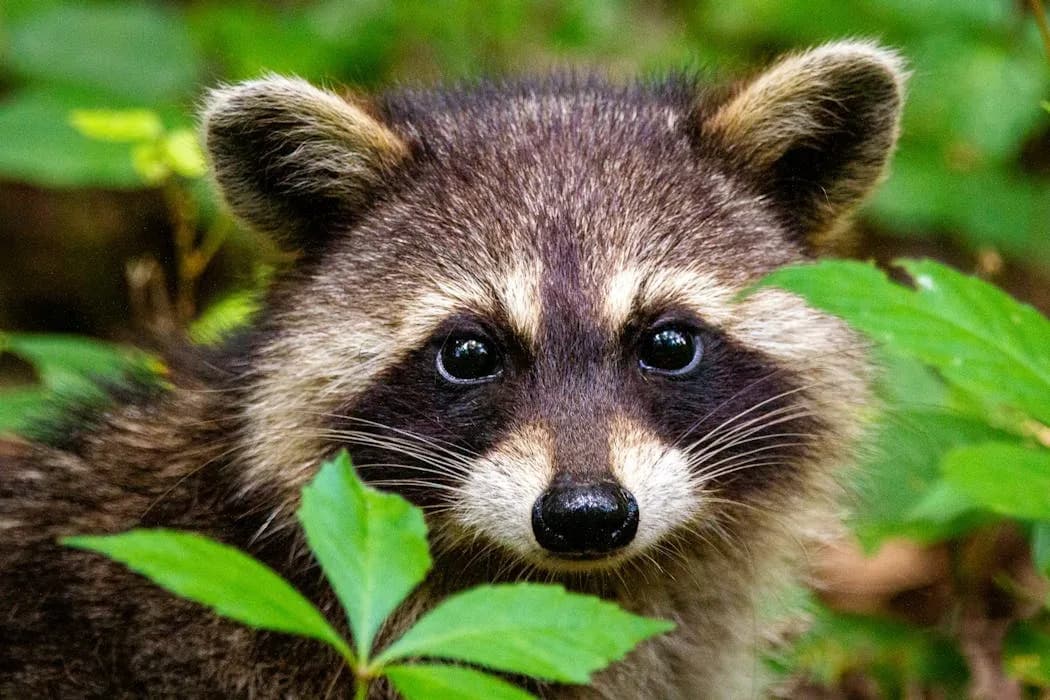
The moment you look away from those adorable eyes, these mischievous creatures will sneak out of your lab.Joshua J. Cotten/Unsplash,CC BY-SA
When a curious raccoon broke into a liquor store in Ashland, Virginia, in December 2025, sampled the stock and was later found passed out in a bathroom, the episode quickly went viral. The post from a local animal shelter was amplified by national and international outlets, inspired raccoon-themed cocktails and merchandise, and even earned a brief nod on Saturday night television. For me, the story hit close to home: the store sits just blocks from the small behavioral-neuroscience lab where I began studying raccoon brains about 15 years ago.
Why Raccoons Deserve More Scientific Attention
Procyon lotor is widely recognized for its curiosity, cognitive flexibility and problem-solving skill. Yet raccoons have remained largely understudied compared with rodents, which dominate laboratories because they breed quickly, tolerate captivity and benefit from an extensive set of research tools. Raccoons were once strong contenders as laboratory models of intelligence, but their ingenuity—subjects in one study escaped through a building ventilation system—made them difficult to confine, shifting practical preference toward rats.
Surprising Brain Discoveries
My collaborators and I have worked with wildlife biologists, veterinarians and neuroscientists to probe raccoon cognition in more naturalistic settings. In partnership with neuroscientist Suzana Herculano-Houzel at the University of Richmond, we found that raccoon brains pack an unusually high density of neurons. Scaled by size, a raccoon’s brain contains a neuron count comparable to some primates; if scaled up further, it approaches human-like neuron numbers.
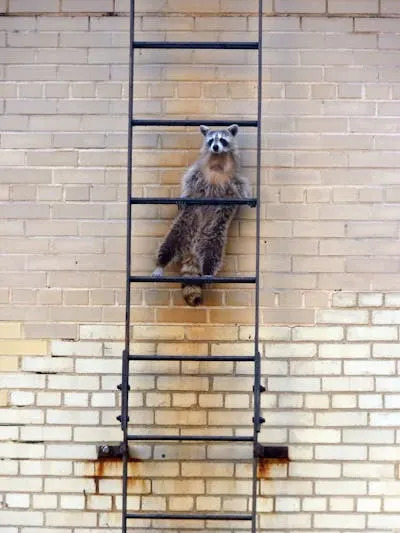
Raccoons know how to get around.RLO'Leary/Moment Open
We also identified von Economo neurons—fast-conducting cells linked to rapid decision-making and social/emotional processing—in raccoons. Unlike primates, where these neurons appear in both the insula and the anterior cingulate, raccoons show von Economo neurons only in the insula. That distinct distribution may help explain their combination of exploratory cleverness and snap, sometimes risky, decisions.
Brain Regions Linked to Cognition and Memory
Working with ecologist Sara Benson-Abram’s team, we observed that raccoons with higher cognitive performance tended to have more neural cells in the hippocampus—paralleling human studies in which London taxi drivers develop expanded hippocampal regions after memorizing complex spatial environments. This suggests raccoon learning and memory map onto brain systems similar to those in people.
Hands, Minds and Natural Behavior
Raccoons’ dexterous forepaws are richly represented in the cerebral cortex in a way reminiscent of human hands. That intensive cortical real estate for touch and manipulation likely supports their sophisticated object manipulation and exploratory problem-solving. Observations at rehabilitation centers—where juveniles eagerly engage with slinkies, puzzles and blocks—often resemble the focused play of preschool children, underscoring the cognitive role of manual exploration.
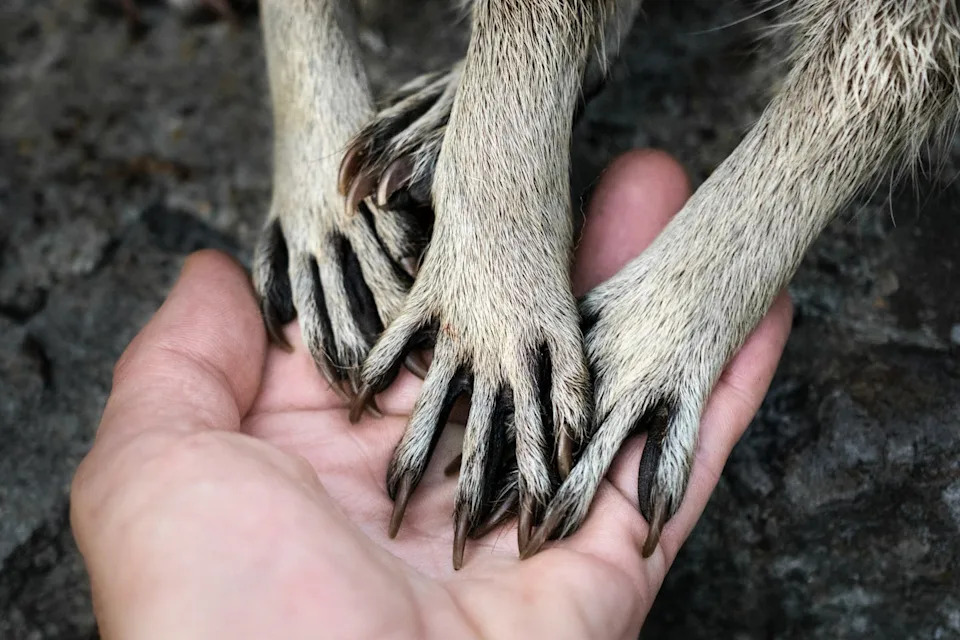
The dexterity of raccoon hands enables their humanlike escapades.Zocha_K/iStock via Getty Images Plus
Studying Raccoons Outside Traditional Labs
To understand raccoon intelligence fully, I argue in my forthcoming book Wild Brains that scientists should study them in the environments they choose. So-called living laboratories, which monitor wildlife without restricting natural behavior, allow researchers to capture the full richness of raccoon cognition and social behavior that small cages cannot.
Balancing Caution and Openness
My graduate training emphasized avoiding anthropomorphism—projecting human thoughts or emotions onto animals—because human cognition has unique features. But primatologist Frans de Waal’s concept of anthropodenial—the mistaken refusal to recognize shared capacities across species—offers an important counterpoint. A measured openness to similarities, grounded in rigorous methods, can reveal insights about impulse control, attention and the evolution of intelligence that inform our understanding of human brains.
The Ashland raccoon resonated because people saw something familiar in its impulsive, curious behavior. By studying raccoons with scientific rigor and imagination, researchers can learn not only about this adaptable urban animal but also about cognitive processes that echo across species.
This article was republished from The Conversation. Written by Kelly Lambert, University of Richmond. Funding acknowledged from the NIH and NSF.
Help us improve.