Scientists discovered seven naturally mummified cheetahs and skeletal remains of 54 others in the Lauga cave network near Arar in northern Saudi Arabia. Radiocarbon dating places the remains between about 150 and 4,000 years old. Genomic analysis links the youngest mummies to the Asiatic cheetah and older specimens to the Northwest African cheetah, clarifying historic subspecies presence. The findings provide valuable guidance for choosing genetically and ecologically appropriate animals for future reintroduction efforts.
Ancient Find: 7 Mummified Cheetahs Unearthed in Saudi Caves Offer Clues for Conservation
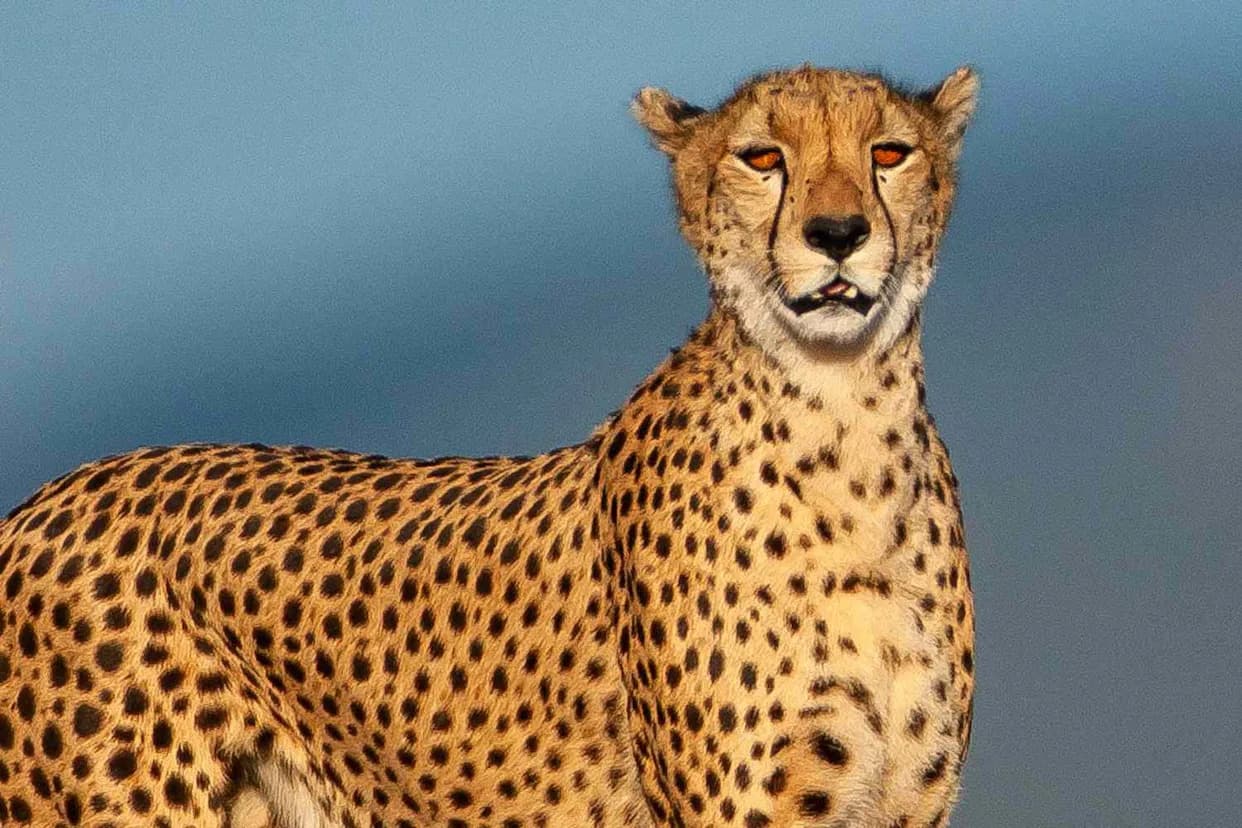
GettyCheetah (stock image)
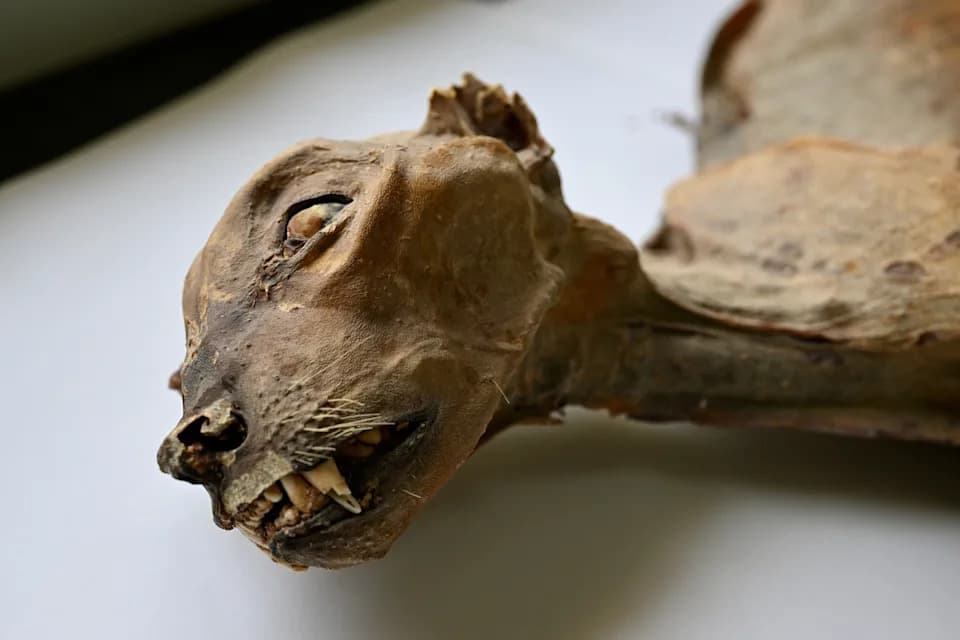
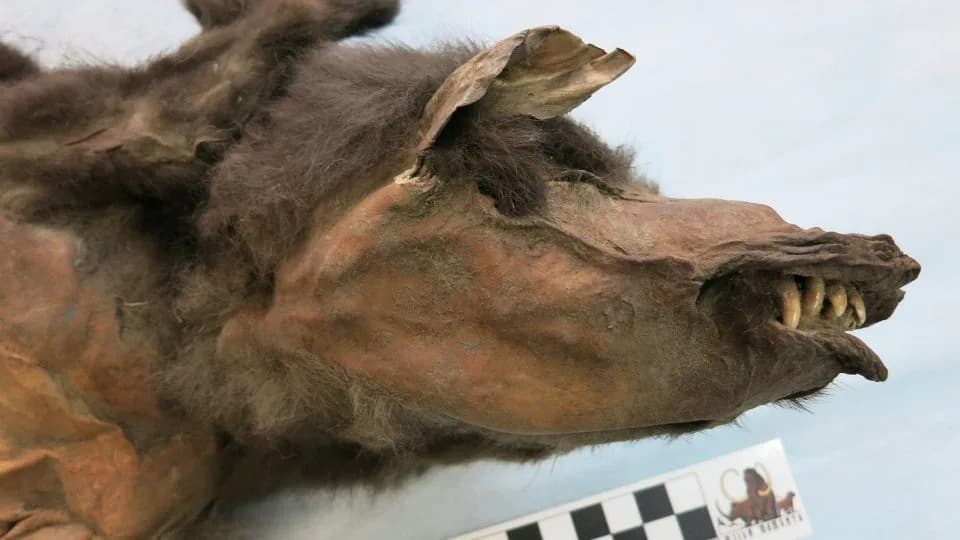
Researchers have uncovered seven naturally mummified cheetahs and the skeletal remains of dozens more in a network of caves in northern Saudi Arabia — a discovery that sheds new light on which cheetah lineages lived on the Arabian Peninsula and could help guide future conservation and reintroduction efforts.
Where and What Was Found
The remains were recovered from the Lauga cave network near Arar, in the country’s north, in what the study describes as a “serendipitous discovery.” In addition to seven well-preserved mummified individuals, researchers documented skeletal remains from 54 other cheetahs clustered in the caves. The research was published in Communications Earth and Environment on Jan. 15.
Age and Genetic Findings
Radiocarbon dating indicates the assemblage spans a long time period: the oldest material dates to roughly 4,000 years ago, while the most recent remains are about 150 years old. Genomic sequencing added another layer of information. The youngest of the mummified cheetahs is closely related to the Asiatic cheetah lineage, while older specimens show stronger genetic affinity with the Northwest African cheetah. Together, these results clarify which subspecies historically occupied the Arabian Peninsula and how the regional cheetah population changed over time.
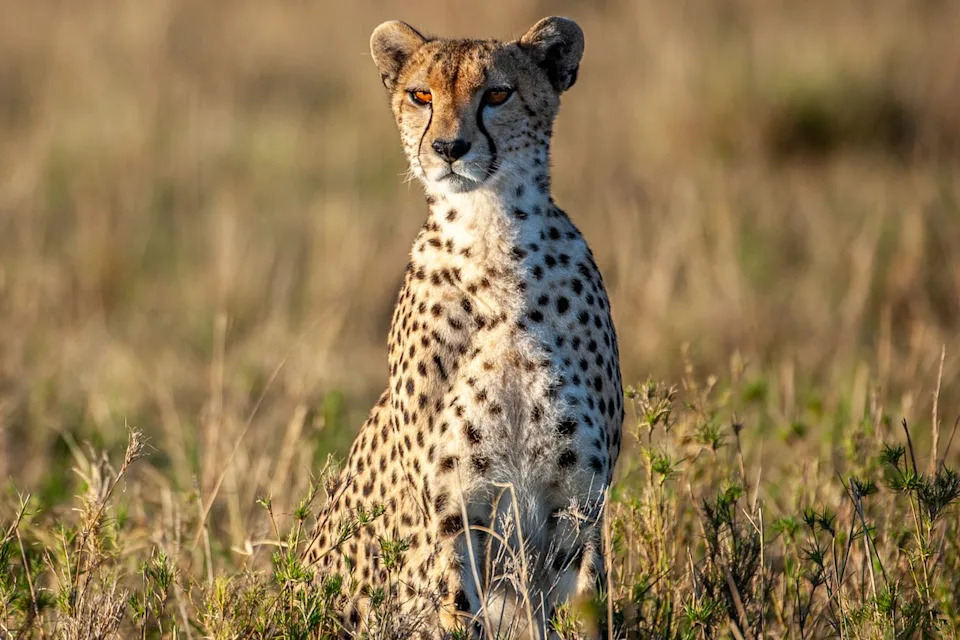
GettyCheetah in Kenya (stock image)
Conservation Implications
The authors emphasize practical implications for conservation and reintroduction programs. Reintroductions are most successful when released animals are genetically and ecologically suited to the target landscape; knowing which cheetah lineages persisted most recently in the region can help conservationists avoid introducing animals poorly adapted to local conditions. These cave finds provide direct genetic and temporal context that may inform decisions about suitable source populations for any future repopulation efforts.
Broader Context
Once widespread across Africa and Asia, cheetahs now occupy only about 10% of their historic range. Global estimates put roughly 6,500 cheetahs remaining in the wild, and the species is listed as Vulnerable by the IUCN. A very small, critically endangered population of Asiatic cheetahs survives in Iran. The newly discovered cave specimens add an important historical baseline that can improve how conservationists match animals to landscapes and manage genetic diversity.
Why this matters: Ancient and recent remains in one location give scientists rare, long-term snapshots of local cheetah population makeup — information that can directly influence modern conservation strategy.
Future work will likely focus on further genetic analysis, ecological interpretation of the site, and integrating these findings into regional conservation planning.
Help us improve.