Scientists excavated seven mummified cheetahs and the bones of 54 more from caves near Arar in northern Saudi Arabia, with ages ranging from about 130 to over 1,800 years. The caves' dry, stable conditions likely enabled natural mummification. Genetic analysis links the remains to modern cheetahs in Asia and northwest Africa, a finding that could inform future reintroduction and conservation efforts.
Mummified Cheetahs Found in Saudi Caves Reveal Lost Arabian Populations
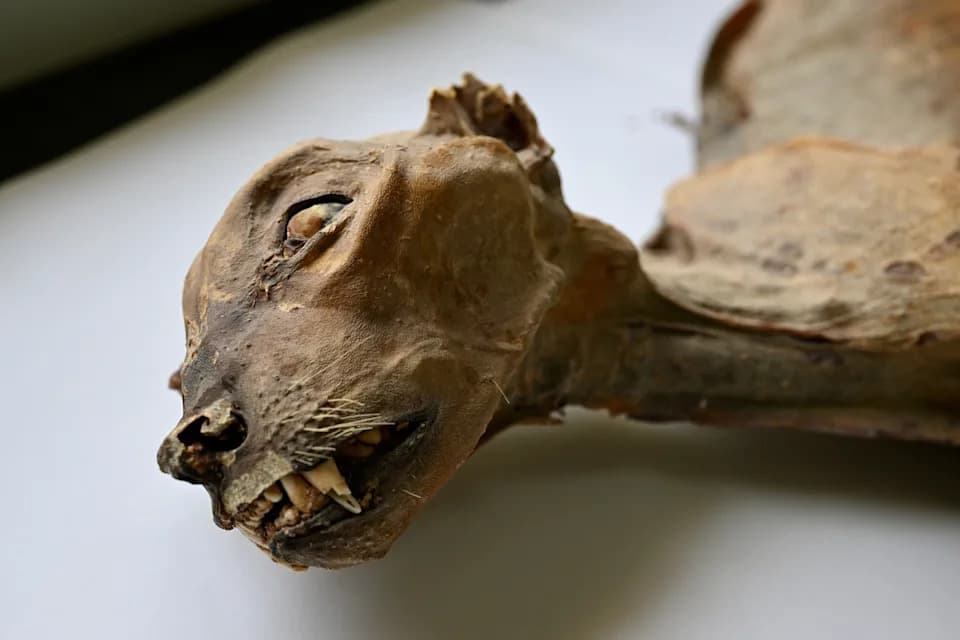
This undated image provided by Communications Earth and Environment shows the mummified remains of a cheetah. (Ahmed Boug/Communications Earth and Environment via AP)(ASSOCIATED PRESS)
Scientists have uncovered several remarkably well-preserved cheetah remains in caves near the city of Arar in northern Saudi Arabia. The finds include seven mummified animals and the bones of 54 additional cheetahs, with ages spanning roughly 130 years to more than 1,800 years.
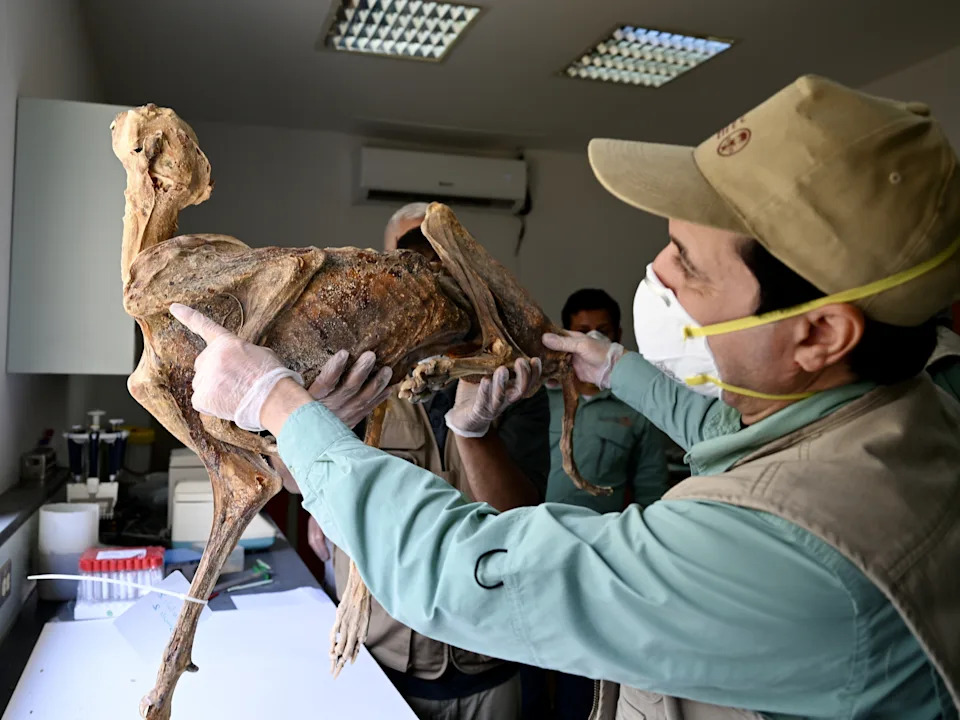
This undated image provided by Communications Earth and Environment shows a researcher examining a mummified cheetah in the lab. (Ahmed Boug/Communications Earth and Environment via AP)(ASSOCIATED PRESS)
Details of the Discovery
Excavations at the Arar site uncovered seven complete mummies alongside skeletal remains from dozens of other individuals. The study reporting the discovery was published in the journal Communications Earth and Environment. Researchers used contextual dating and other analyses to estimate the broad age range of the specimens.
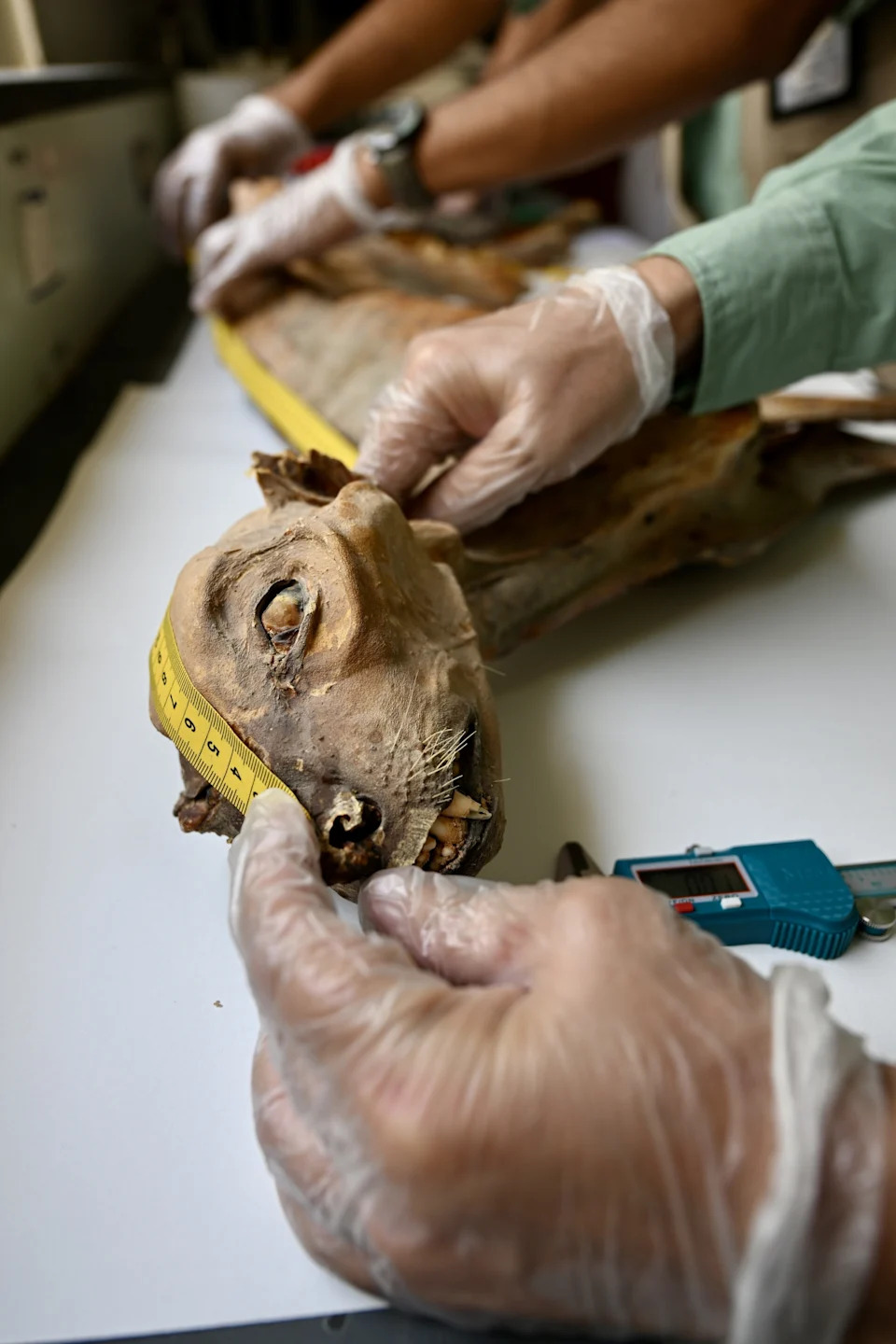
This undated image provided by Communications Earth and Environment shows a researcher taking measurements of a mummified cheetah's remains. (Ahmed Boug/Communications Earth and Environment via AP)(ASSOCIATED PRESS)
How the Cheetahs Were Preserved
The cheetah carcasses display cloudy eyes and shrunken, desiccated limbs, resembling dried husks. Natural mummification can occur when tissues dry rapidly in arid, oxygen-poor conditions that inhibit bacterial decay and scavenging. The caves near Arar likely provided a combination of low humidity and stable temperatures that favored preservation.
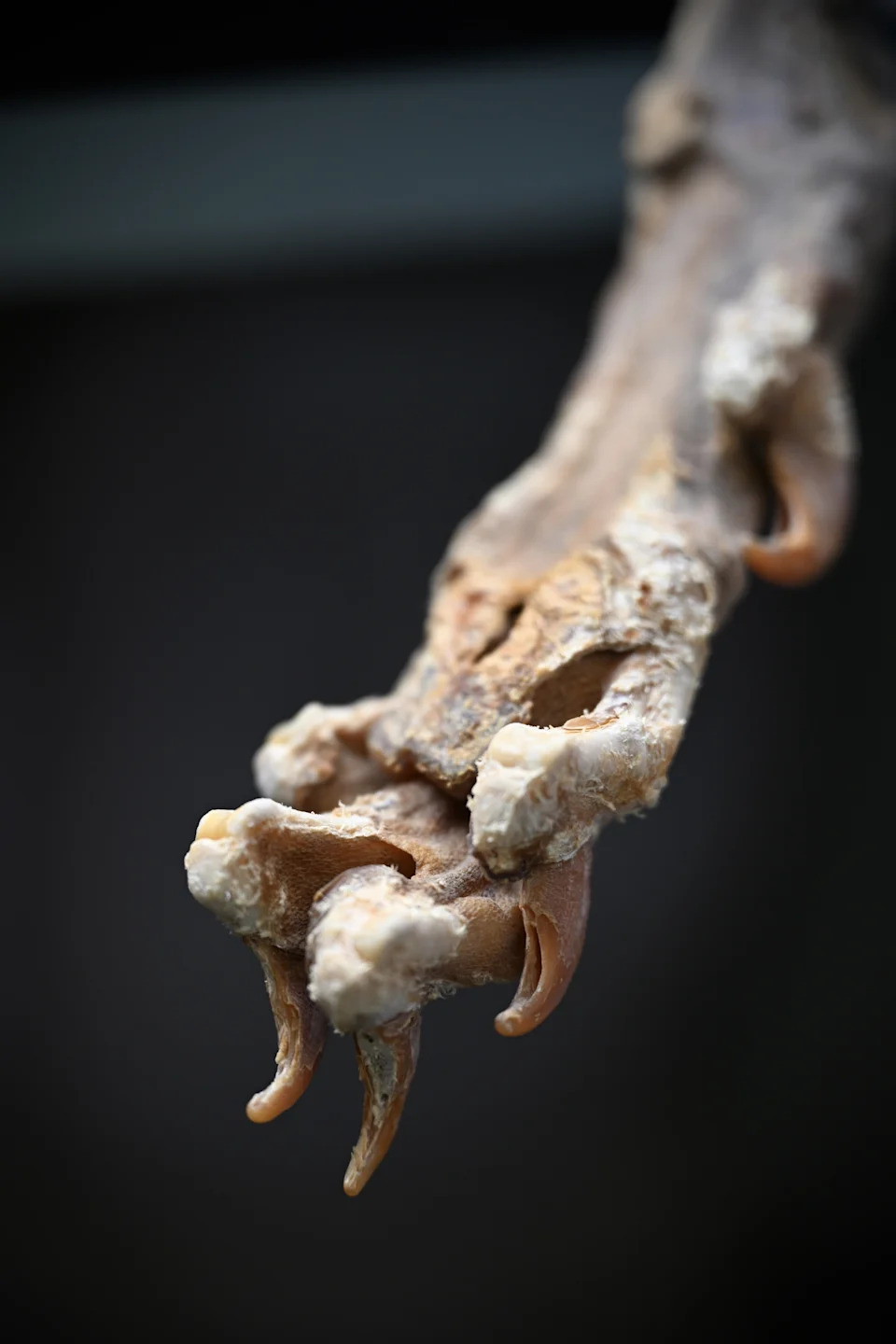
This undated image provided by Communications Earth and Environment shows the claws of a mummified cheetah. (Ahmed Boug/Communications Earth and Environment via AP)(ASSOCIATED PRESS)
It’s something that I’ve never seen before, said Joan Madurell-Malapeira of the University of Florence, who was not involved in the study.
Scientific and Conservation Significance
The research team was able to recover genetic material from the naturally mummified cats. Genetic analysis shows the remains are most similar to modern cheetahs from Asia and northwest Africa. Those results help clarify historical cheetah distributions on the Arabian Peninsula and could inform future reintroduction and conservation strategies.
Study author Ahmed Boug of the National Center for Wildlife in Saudi Arabia described finding so many intact cheetah remains in this region as unprecedented. Large-mammal mummies are rare because carcasses usually fall victim to scavengers or decay unless conditions are exceptional.
Context: Cheetah Decline
Cheetahs once ranged across most of Africa and parts of Asia. Today they occupy only about 9 percent of their former range and have not been reliably sighted across much of the Arabian Peninsula for decades. Habitat loss, unregulated hunting, reduced prey availability and other human pressures are major drivers of that decline.
By providing direct evidence of past populations and genetic links to extant lineages, the Arar finds offer a valuable window into cheetah history and potential pathways for restoration in parts of their former range.
Help us improve.