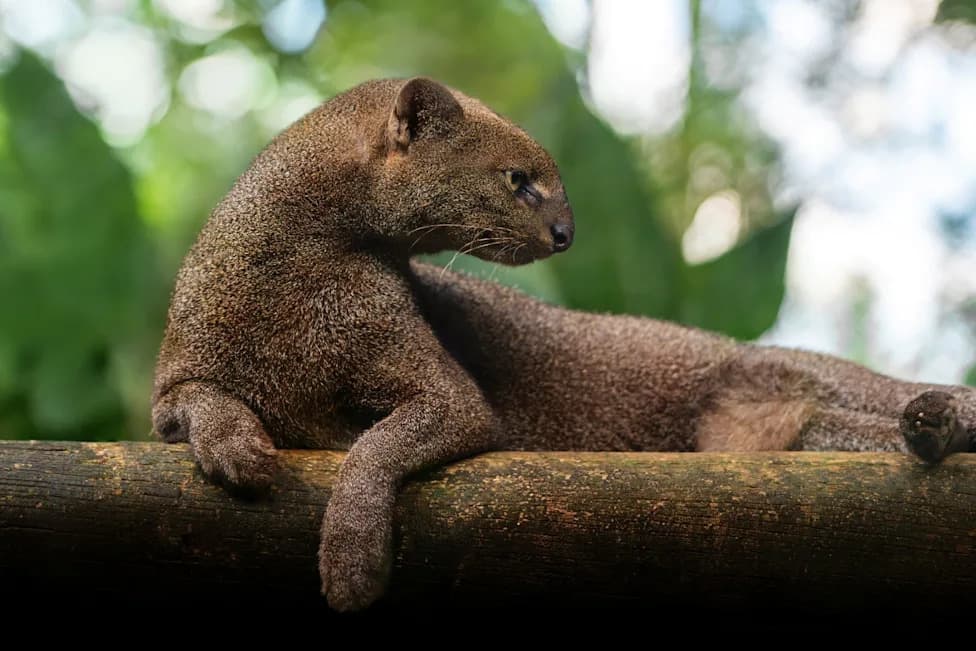
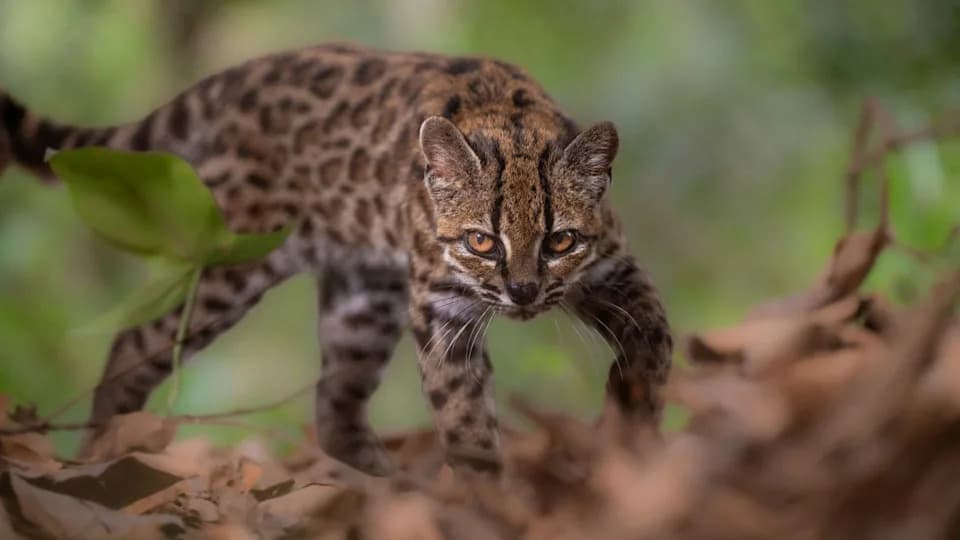
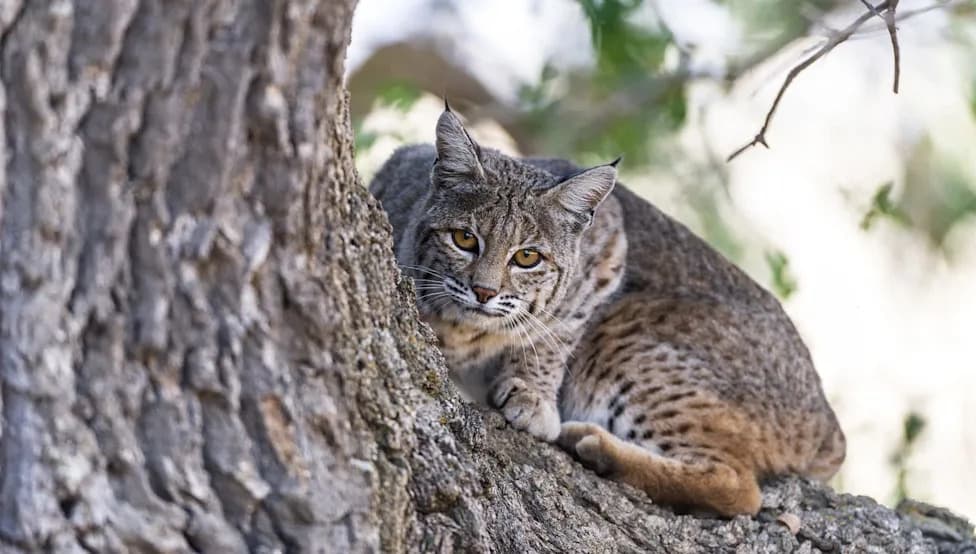
The flat-headed cat, long feared extinct in Thailand, was recorded again after about 30 years during a camera-trap survey in Princess Sirindhorn Wildlife Sanctuary. Panthera and Thailand’s parks department captured 29 detections, including footage of a female with a cub — an encouraging but rare sign. The species relies on fragmented peat-swamp and mangrove habitats threatened by land conversion and agriculture. Conservationists say this rediscovery is a critical first step toward targeted habitat protection and monitoring.
Flat-Headed Cat Rediscovered in Thailand After 30 Years — Camera Traps Capture Mother and Cub

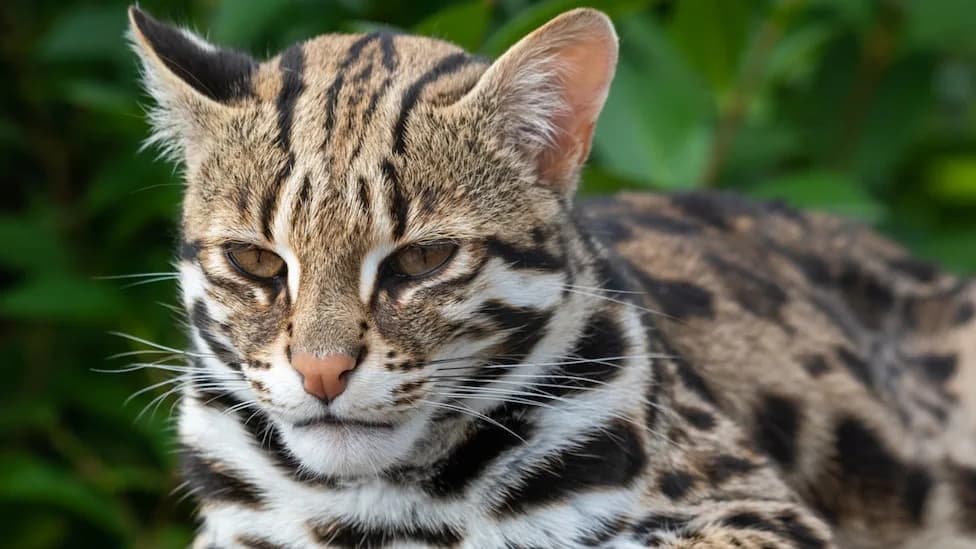
A flat-headed cat. / Credit: Warmlight / Getty Images
Conservationists have confirmed the rediscovery of the flat-headed cat in Thailand roughly three decades after the last verified sighting, offering new hope for one of the world’s most threatened small felines.
Rediscovery and Survey
Last year, the global wild-cat conservation group Panthera and Thailand’s Department of National Parks, Wildlife and Plant Conservation conducted an ecological camera-trap survey inside Princess Sirindhorn Wildlife Sanctuary. The survey recorded flat-headed cats on camera 29 times, including footage of a female with a cub.
What the Findings Mean
The International Union for Conservation of Nature (IUCN) estimates there are only about 2,500 adult flat-headed cats left in the wild. These small, elusive felines — roughly the size of a domestic cat and recognised by their round, closely set eyes — live primarily in dense wetland habitats such as peat swamps and freshwater mangroves.

A flat-headed cat seen hunting along the Kinabatangan river, Sabah, Malaysia. / Credit: Getty Images/iStockphoto
Officials cautioned that the 29 detections do not necessarily represent 29 individual animals: flat-headed cats lack distinctive markings, so identifying and counting individuals from camera footage is challenging. Still, Panthera’s conservation programme manager Rattapan Pattanarangsan said the results suggest a relatively high local concentration in the surveyed area.
“The rediscovery is exciting, but it’s only a starting point,” said veterinarian and researcher Kaset Sutasha of Kasetsart University. “What comes after this is more important — how to enable them to live alongside us sustainably, without being threatened.”
Threats and Natural History
Thailand’s peat swamp forests and other wetland habitats have been heavily fragmented by land conversion and expanding agriculture — key factors behind the species’ decline. Flat-headed cats are specialised predators that feed largely on fish, frogs and shrimp, and they are primarily nocturnal and secretive.
The species occurs only in parts of Southeast Asia, including Thailand, Malaysia, Sumatra and Borneo, according to the Felidae Conservation Fund. Their secretive habits and the difficulty of accessing their wetland habitats mean much about their ecology and population size remains unknown.
Next Steps for Conservation
Researchers and conservation groups say the rediscovery should prompt targeted conservation actions: protecting and restoring peat-swamp and mangrove habitats, improving monitoring to estimate population size and connectivity, and working with local communities to reduce habitat loss and human-wildlife conflicts. Continued camera-trap surveys and research will be essential to guide effective protection measures.
Help us improve.