This week’s science roundup covers several striking findings: Alaskan fossils long thought to be mammoth have been reidentified as whale bones, raising fresh questions about their origin. NASA returned four ISS crew members early after an unspecified medical issue, and a study suggests the red-hair pigment pheomelanin helps neutralize excess cysteine, potentially influencing melanoma risk. Other highlights include metabolic benefits from cutting ultra-processed foods, the death and brain donation of 24-year-old Andre Yarham, and evidence that arginine in saliva can protect against tooth decay.
This Week in Science: Mammoth Mix-Up, Redhead Advantages, Early ISS Return, and More

It would've been the world's last mammoth - except it wasn't a mammoth at all. (Leonello Calvetti/Science Photo Library/Getty Images)
Here are the standout science stories of the week: surprising fossil sleuthing, an early crew return from the International Space Station, new findings about red-hair pigment, and several other notable research updates across medicine, nutrition and microbiology.

NASA astronaut Zena Cardman is helped out of the SpaceX Crew-11 capsule after they re-entered Earth in a middle-of-the-night splashdown near San Diego, Calif., Thursday, Jan. 15, 2026. (NASA via AP)
Fossils Reclassified: 'Mammoth' Bones Are Whales
New DNA and isotope analyses show that bones discovered in Alaska in 1951 and long assumed to be mammoth remains are actually whale fossils. The finding resolves puzzling radiocarbon dates associated with the specimens but raises new questions about how whale bones ended up where they were found and how the initial misidentification occurred.

(Lambert And Young/Getty Images)
“Although the mysterious radiocarbon dates of these two specimens have been resolved with the finding that the presumed mammoth fossils were in fact whales, an equally puzzling mystery then came into focus,” the researchers write.
Early Return From ISS After Medical Issue
NASA confirmed that four astronauts returned safely to Earth earlier than planned after an unspecified medical issue aboard the International Space Station. NASA administrator Jared Isaacman said the astronaut in question is receiving medical checks and is in good spirits following splashdown.

(Karola G/Pexels)
“The astronaut in question is fine right now, in good spirits and going through the proper medical checks,” Isaacman said.
Red Hair Pigment May Have a Cellular Benefit
Researchers report that pheomelanin, the pigment responsible for red hair, helps reduce excessive cysteine levels that can otherwise cause oxidative damage in cells. This experimental evidence suggests a physiological role for pheomelanin that could shed light on melanoma risk and the evolutionary drivers of animal coloration.

Subscribe to ScienceAlert's free fact-checked newsletter
“These findings represent the first experimental demonstration of a physiological role for pheomelanin, namely avoiding the toxicity of excess cysteine,” the study authors write.
Cutting Ultra-Processed Foods Improves Weight and Metabolism
A dietary trial that replaced ultra-processed foods with less-processed alternatives found participants lost weight and experienced multiple metabolic benefits. Reported improvements included better insulin sensitivity, healthier cholesterol profiles, reduced markers of inflammation, and more favorable hormone changes that regulate appetite and metabolism.

(koto_feja/Getty Images)
Young Dementia Case: Andre Yarham
Andre Yarham, reported as Britain’s youngest dementia patient, has died at 24. Examinations revealed a brain resembling that of a much older person, and his family has donated his brain to research in hopes of advancing scientific understanding and future treatments.
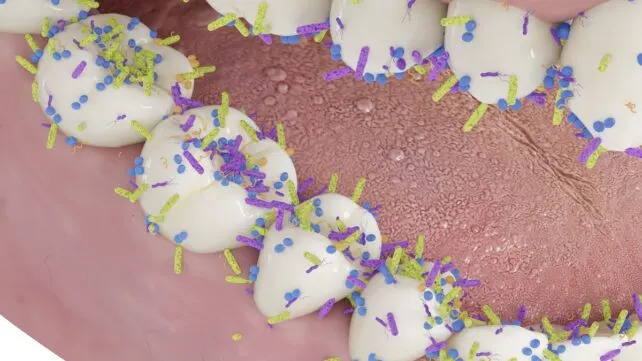
(Sebastian Kaulitzki/Science Photo Library/Getty Images)
Arginine In Saliva Protects Against Tooth Decay
Danish researchers found that raising levels of the amino acid arginine in oral biofilms helps prevent acidification after sugar consumption, reducing conditions that lead to tooth decay. The treated biofilms were significantly more protected against acidification caused by sugar metabolism.
“Our results revealed differences in acidity of the biofilms, with the ones treated with arginine being significantly more protected against acidification caused by sugar metabolism,” says Yumi Del Rey, microbiologist at Aarhus University.
Other Notable Items
Additional stories this week include reports of anti-cancer compounds discovered in fungi, an unusual “golden shark” discovery, ongoing efforts to reverse Alzheimer’s disease, research that solved a historical tapestry mystery, investigations into garlic-based mouthwash, and an experimental observation suggesting storms can alter time perception.
These summaries capture diverse findings across paleontology, space medicine, molecular biology, nutrition science, neurology and dental microbiology.
Help us improve.