Researchers report that pheomelanin — the orange-to-red pigment tied to red hair — can convert excess cysteine into pigment and reduce oxidative cellular damage. In zebra finch experiments, males that could not produce pheomelanin experienced higher oxidative damage after a month of extra cysteine than males that could. Although pheomelanin is linked to increased melanoma risk, the study suggests the pigment may also help cells manage cysteine levels.
Red-Hair Pigment May Turn a Toxic Amino Acid into Cellular Protection

The Pigment in Red Hair Has a Secret Superpower We Never Knew About
A pigment commonly associated with red hair appears to do more than provide color — it may help cells neutralize a molecular threat. New experiments using zebra finches suggest that pheomelanin, the orange-to-red melanin, can convert excess cysteine into pigment and thereby reduce oxidative damage inside cells.
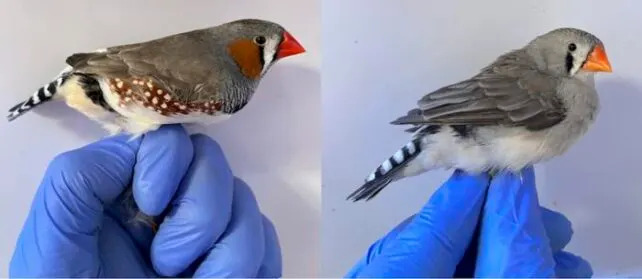
Male (left) and female (right) zebra finches. The orange feathers displayed by the male are colored by the pigment pheomelanin. (Ismael Galván)
What the Researchers Found
The pigment in question, pheomelanin, is produced using the amino acid cysteine. While cysteine is a normal and necessary building block in cells, an excess of it can promote oxidative stress and cellular damage. Scientists at Spain’s National Museum of Natural Sciences tested whether converting surplus cysteine into pheomelanin could be protective.

Subscribe to ScienceAlert's free fact-checked newsletter
Experiments in Zebra Finches
Using zebra finches as a model, the team compared birds that could produce pheomelanin with birds that could not. When given extra dietary cysteine for a month, males unable to synthesize pheomelanin showed higher markers of oxidative damage than pigment-producing males. Female zebra finches, which naturally lack pheomelanin, were largely unaffected by a drug that blocks its production, and the small increase in oxidative markers from extra cysteine in females was statistically insignificant.
Implications for Humans
In humans, pheomelanin is concentrated in the lips, nipples and genitals, and is also present in the hair and skin of people with red hair. Although pheomelanin has been associated with a higher risk of melanoma, the researchers propose a complementary physiological role: genetic variants that favor pheomelanin production may help cells maintain cysteine balance by channeling surplus cysteine into pigment synthesis.
"These findings represent the first experimental demonstration of a physiological role for pheomelanin, namely avoiding the toxicity of excess cysteine, leading to a better understanding of melanoma risk and the evolution of animal coloration," the study authors wrote.
The study was published in PNAS Nexus. While these results are compelling, further research will be needed to establish how directly the findings in birds translate to human biology and disease risk.
Help us improve.