Popular Science’s 2025 roundup brings together 26 compelling stories that informed, debunked, and delighted readers. Highlights include a runic Lord’s Prayer discovered in Canadian bedrock, NOAA’s sighting of a mystery car inside the USS Yorktown wreck, and a February encounter involving an uncontacted Amazonian community. The package spans wildlife oddities, historical investigations, practical science explainers (microwaves, infrared saunas), and calls for public help with archival transcription.
26 Popular Science Stories That Captivated Readers in 2025
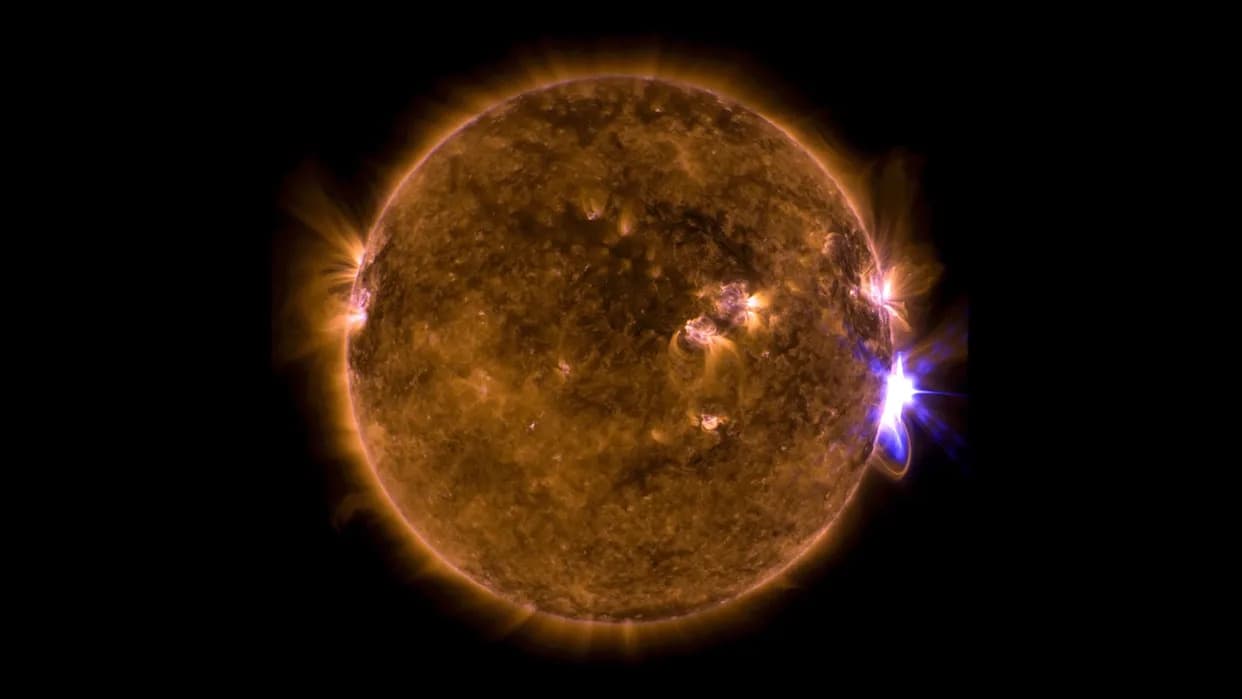
If the Carrington Event happened in 2026, it could be devastating.
In 2025, Popular Science continued its mission to explain the strange and complex world for a broad audience. We debunked myths, answered curious questions, and published investigative and entertaining pieces across science, history, technology, and nature. Using an editorial mix of traffic metrics, social engagement, and curator judgment, we selected 26 standout stories that drew the most readers this year.
Notable Discoveries & Archaeology
Runic Lord’s Prayer: Archaeologists revealed a startling find roughly 465 miles northwest of Ottawa: a massive bedrock slab hand-etched with the full Lord’s Prayer composed of more than 250 symbols from one of the oldest runic alphabets. Interdisciplinary teams spent years on analysis and historical corroboration before publishing their results.
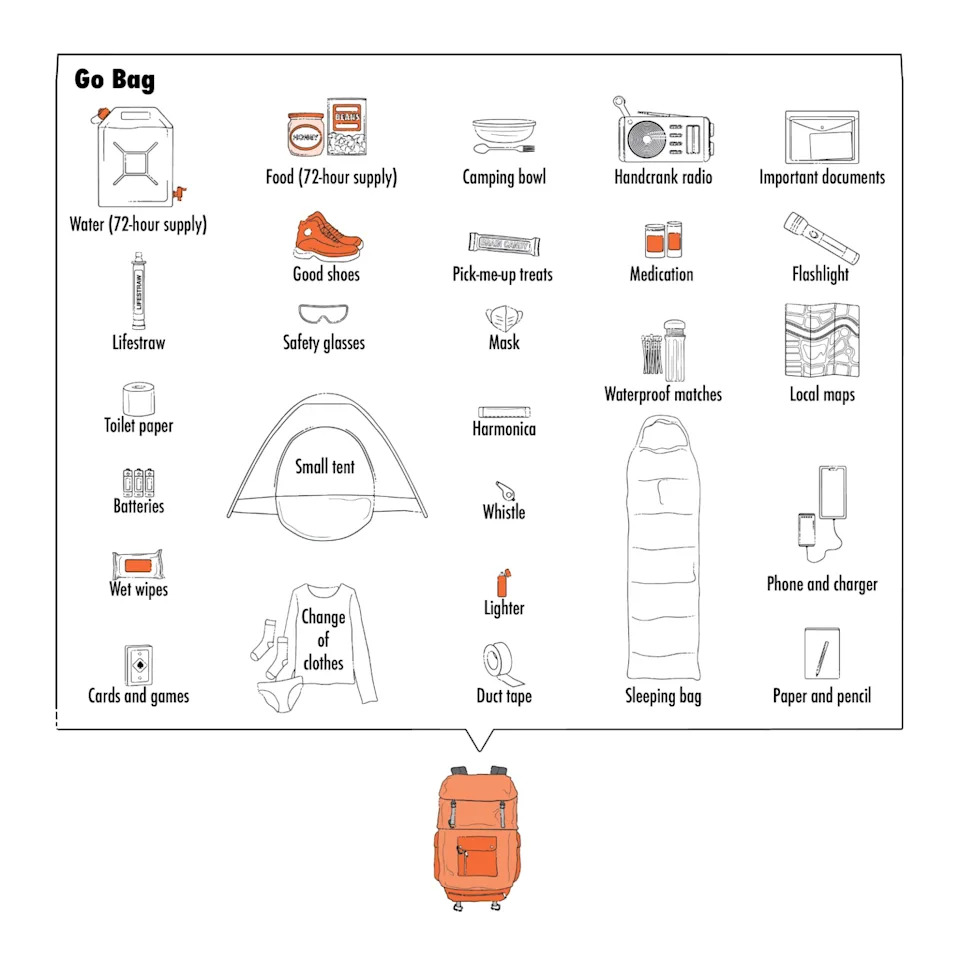
Everything you need for a go-bag.Image: Used with permission
WWII Wreck Yields Mystery Car: During an April 19 remotely operated vehicle survey inside the Papahānaumokuākea Marine National Monument, NOAA spotted an unexpected automobile inside the wreckage of the USS Yorktown. Researchers have asked the public to help identify the vehicle.
Wildlife, Nature & Oddities
Uncontacted Amazon Communities: Brazil’s Fundação Nacional dos Povos Indígenas (Funai) estimates about 100 uncontacted Indigenous groups remain in the Amazon. On February 12, a member of one such community unexpectedly approached neighbors—an event that highlighted the complex human and ethical issues surrounding uncontacted peoples.
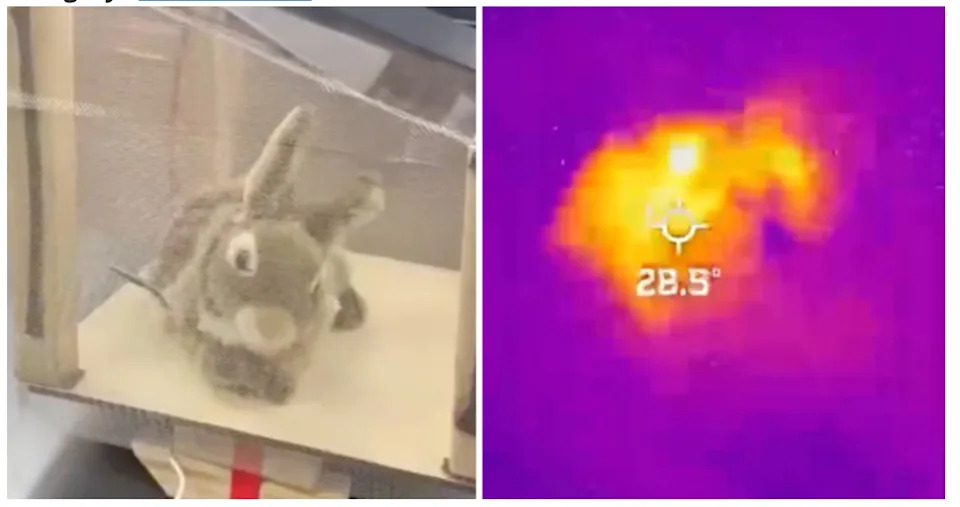
The robot bunnies hope to lure the Burmese pythons out of hiding.Image:sfwmd
Wildlife Moments: Our features ranged from playful polar bears and a robber fly’s misfortune to two hippos fighting in golden light. We also showcased 17 previously unseen entries from the Nikon Comedy Wildlife Photography Awards that celebrate nature’s lighter side.
Creative Field Methods: Researchers developed inventive new techniques to locate elusive snakes—an example of how smart fieldwork can solve persistent ecological problems.
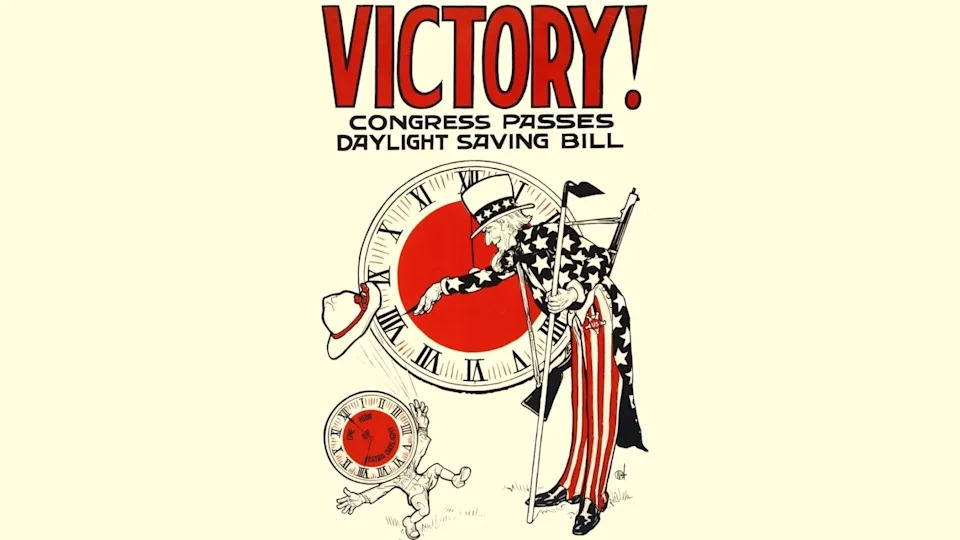
Between January and September in 1974, President Richard Nixon made daylight saving time permanent for a brief period.Image:Public Domain
History, Culture & Conservation
Radithor’s Deadly Legacy: We revisited the 1920s patent-medicine craze for Radithor, a radioactive tonic that promised many cures but produced fatal outcomes.
Feathered Fashion and Bird Conservation: In a historical exploration, ornithologist Frank Chapman’s 1886 hat survey documented 542 hats decorated with parts from 174 bird species. The demand for egret plumes—reported at about $32 per ounce in the period—helped drive destructive hunting that spurred activists like Harriet Hemenway and Minna Hall to campaign for protective fashion changes.
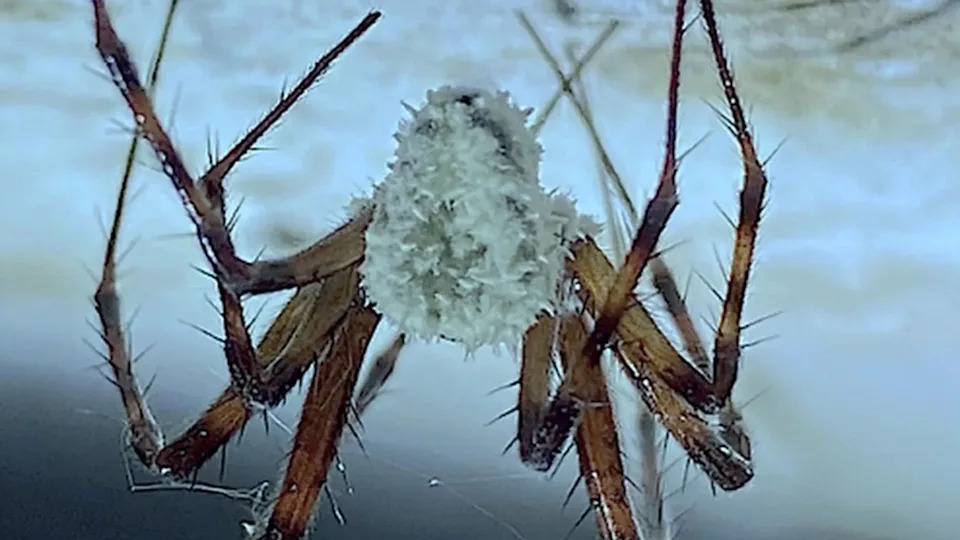
The new fungus Gibellula attenboroughii on the orb-weaving cave spider.CABI/Evans et. al 2025
Great Pacific Garbage Patch Myths: Dramatic images of trash-strewn seas mislead: the GPGP’s composition, origins, and ecological threat are more complex than mountains of floating garbage suggest. Our reporting clarifies what the patch really is and what it means for oceans.
Technology, Health & Everyday Science
Microwave Science: Microwaves were first used for heating food in 1947. By the 1970s, scientists began studying how microwave cooking affects food texture, flavor, and nutrition—questions we revisited for readers.
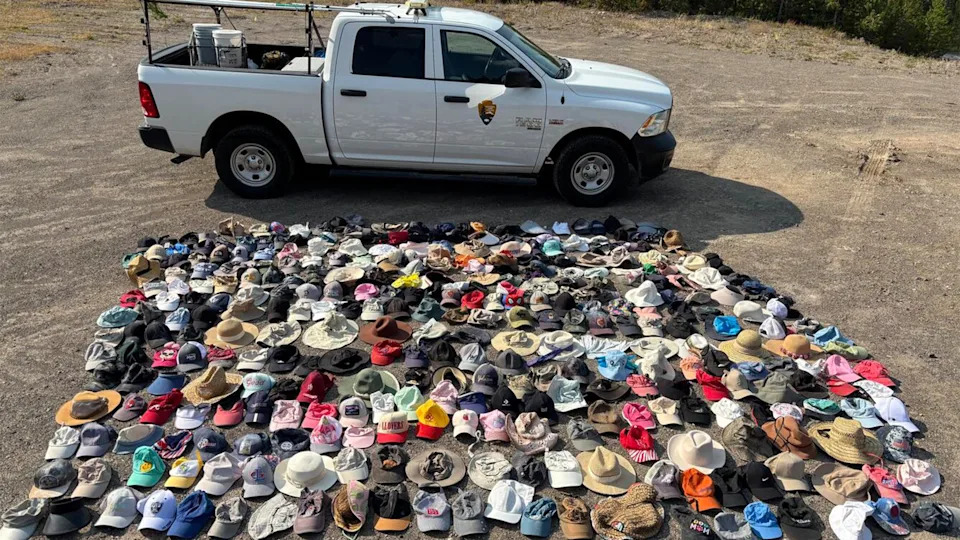
A small sample of the hats collected by the Yellowstone National Park Geology Program from sensitive thermal areas throughout the park in 2025. CREDIT: National Park Service photo by Margery Price, September 3, 2025.
Infrared Saunas and Wellness History: We traced the roots of modern infrared saunas to Dr. John Harvey Kellogg’s 1893 Incandescent Electric-Light Bath and assessed claims about muscle relaxation, stress relief, and detoxification amid rising consumer interest.
Airline Seats and Passenger Comfort: A first-person boarding anecdote sparked an investigation into shrinking seat sizes, rising passenger body averages, and how minimal seat-size regulations let airlines increase capacity—often at the expense of comfort.

There is no immediate explanation for the car’s inclusion aboard the aircraft carrier.Credit: NOAA
Air Force One’s Hidden Upgrades: From the outside it resembles a 747, but the president’s plane has profound structural, communications, and security differences under the skin—details we explained for readers curious about presidential aviation.
Public Science & Community Calls
National Archives Needs Cursive Readers: The National Archives asked for volunteer citizen archivists to help classify and transcribe more than 200 years of handwritten documents—many from the Revolutionary War era with flowing cursive.

Illustration of the VC-25B color scheme announced March 2023.Image: U.S. Air Force
Citizen Science and Curiosity: Popular Science celebrated long-running features like our Best of What’s New list (published since 1988) and traced the magazine’s origins back to May 1872—153 years of covering innovations that shape our lives.
Short Features & Miscellany
- Researchers in Denmark rediscovered early examples of lactic acid bacteria used to preserve dairy—found serendipitously in a university basement.
- Yellowstone geologists have recovered more than 300 hats from hydrothermal areas this year, highlighting unexpected human impacts in fragile landscapes.
- Scientists filming in Northern Ireland discovered a fungus that appears to alter spider behavior, effectively creating so-called “zombie” hosts.
- We reminded readers of a historical 1859 event that, if repeated today, would carry catastrophic consequences—an instructive look at vulnerabilities in modern infrastructure.
- We explored why identical temperatures can feel different in spring versus autumn because of meteorological conditions and human acclimation.
- Dream research: most people dream nightly, even when they don’t remember those dreams—an accessible review of sleep science.
- Finally, an aircraft boneyard in northern Wyoming offers dozens of vintage planes—some relics are listed for symbolic prices, though they are rarely airworthy.
Altogether, these 26 stories reflect Popular Science’s mix of curiosity-driven reporting, historical perspective, and practical science that informed and entertained readers in 2025.
Help us improve.