This week’s roundup highlights JWST’s confirmation of the first known runaway supermassive black hole and the near-Earth passage of interstellar comet 3I/ATLAS (perigee ≈ 270 million km on Dec 19). Health-related studies include associations between tea (beneficial) and very high coffee intake (less favourable) for bone strength in older women; modest anti-tumour effects from resveratrol plus copper; a UK link between six midlife depressive symptoms and later dementia risk; and a Japanese finding that boosting COX7RP extended mouse lifespan by ~6.6%.
This Week in Science: JWST Confirms Runaway Black Hole, Interstellar Comet 3I/ATLAS Near-Earth Flyby, and New Health Findings

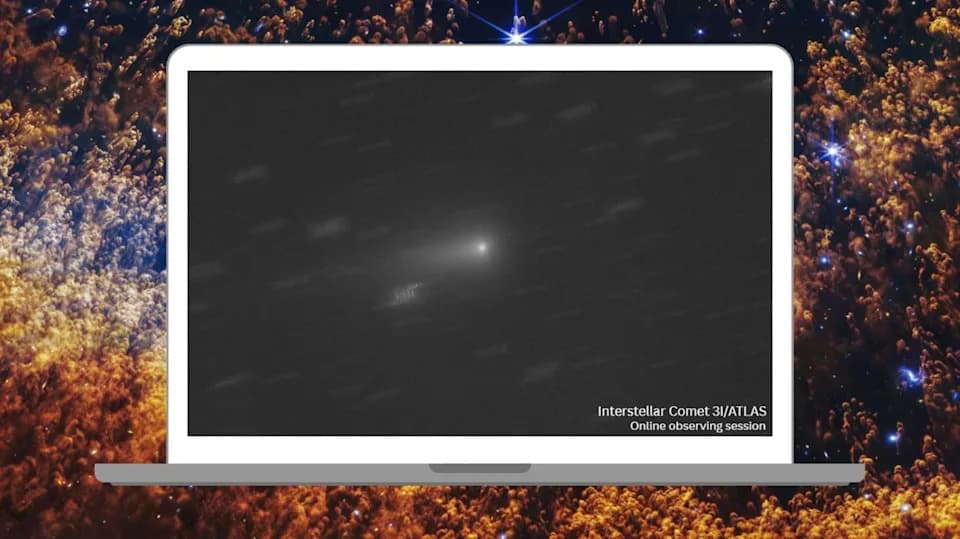
Don't Panic! 3I/ATLAS Isn't an Alien Death Probe, But It Is Wildly Unusual
This week’s science roundup spans the cosmic to the clinical: JWST confirmed the first known runaway supermassive black hole, the interstellar comet 3I/ATLAS made its closest approach to Earth, and several studies reported findings with potential health implications — from drink choices and bone strength to experimental cancer and ageing research.

(monkeybusinessimages/Getty Images)
Tea, Coffee and Bone Strength
A study of older women comparing habitual beverage intake and bone health found that regular tea consumption was associated with stronger bone measures, while very high coffee intake correlated with reduced bone strength. The authors emphasise that these are associations, not proof of direct causation.
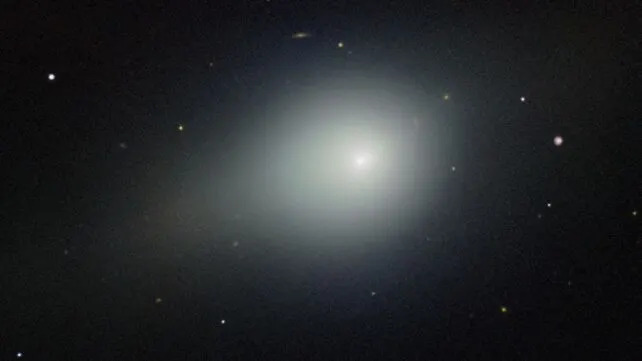
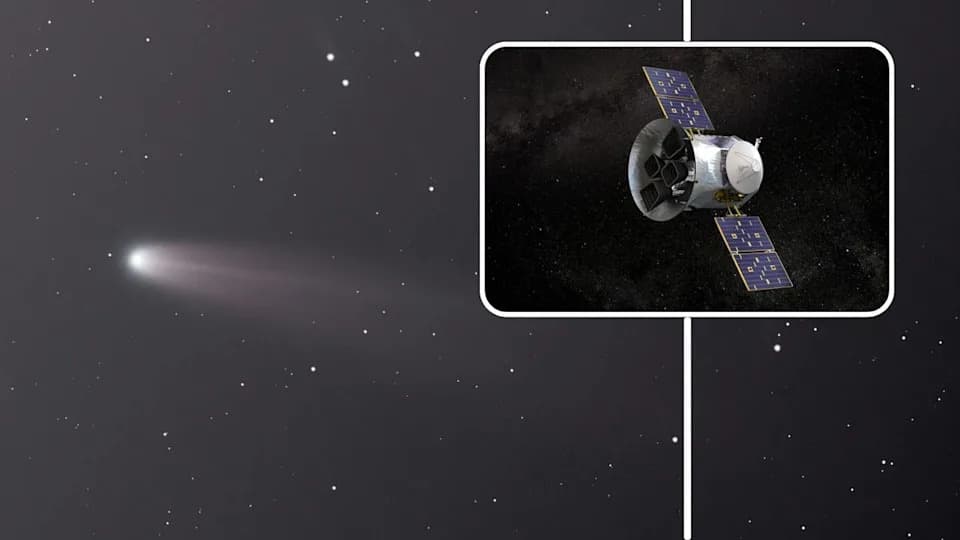
Gemini North image of 3I/ATLAS obtained on November 26. (International Gemini Observatory/NOIRLab/NSF/AURA/B. Bolin)
Enwu Liu, epidemiologist at Flinders University: "Our results don't mean you need to give up coffee or start drinking tea by the gallon. But they do suggest that moderate tea consumption could be one simple way to support bone health, and that very high coffee intake might not be ideal."
Interstellar Comet 3I/ATLAS Near-Earth Pass
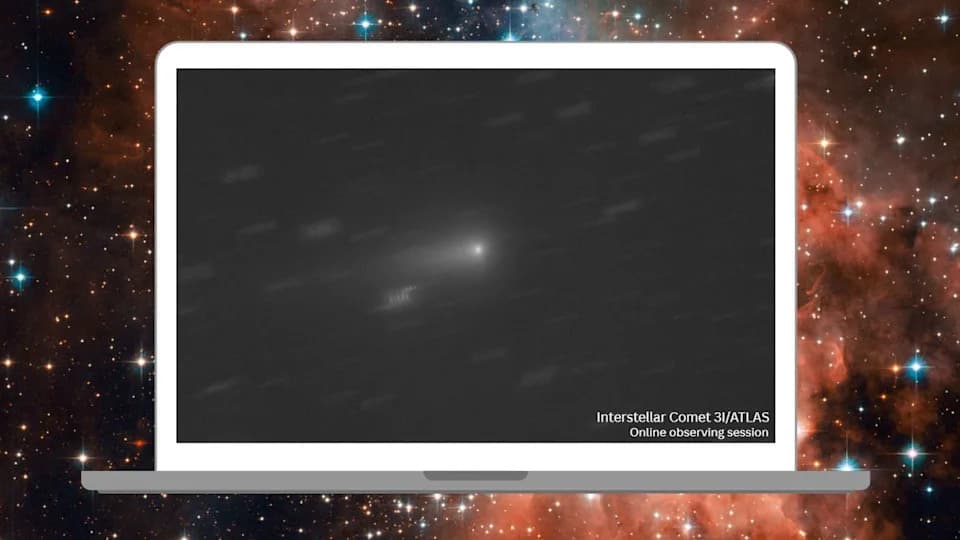
Interstellar comet 3I/ATLAS made its closest approach to Earth on December 19, passing at about 270 million kilometres (168 million miles) — nearly twice the Earth–Sun distance. Although distant by everyday standards, this perigee offered astronomers the best opportunity to collect high-quality observations before the object leaves the Solar System.
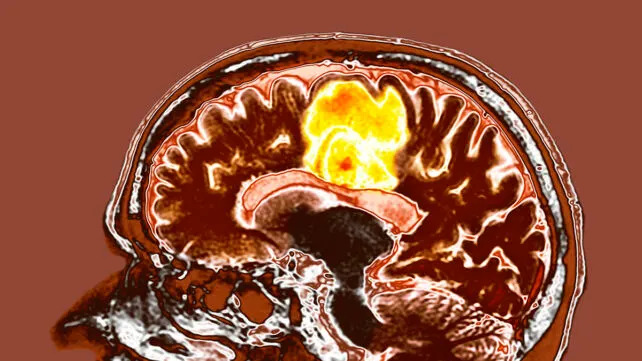
A brain scan showing glioblastoma braincancer. (Dr P. Marazzi/Science Photo Library/Getty Images)
Resveratrol Plus Copper: Experimental Brain Cancer Findings
Researchers testing a simple combination of resveratrol and copper reported modest benefits in treating an aggressive form of brain cancer. The proposed mechanism targets cell-free chromatin particles — fragments of DNA released by dying cancer cells that may inflame and worsen surviving tumour cells. The investigators suggest the supplement pair can reduce these inflammatory fragments and thereby blunt tumour aggressiveness.
Subscribe to ScienceAlert's free fact-checked newsletter
Indraneel Mittra, cancer surgeon and public health researcher: "The cell-free chromatin particles... inflame the surviving cancer cells. This makes the disease more aggressive. If you eliminate the cell-free chromatin, which is what the resveratrol-copper tablets do, the cancer is subdued."
Depressive Symptoms in Midlife Linked to Dementia Risk
A UK cohort study found that six specific depressive symptoms in middle age were associated with a higher risk of developing dementia later in life. Rather than implicating depression as a whole, the research points to a symptom-level approach that could sharpen early identification of people at elevated long-term risk.

(Kieferpix/iStock/Getty Images Plus)
Philipp Frank, epidemiological psychologist: "Our findings show that dementia risk is linked to a handful of depressive symptoms rather than depression as a whole. This symptom-level approach gives us a much clearer picture of who may be more vulnerable decades before dementia develops."
JWST Confirms a Runaway Supermassive Black Hole
The James Webb Space Telescope has confirmed what appears to be the first known runaway supermassive black hole, observed travelling at roughly 954 km/s (about 593 miles/s). The discovery implies an extremely powerful gravitational event — such as a dramatic merger or slingshot interaction — capable of imparting a tremendous kick to a black hole of that mass.
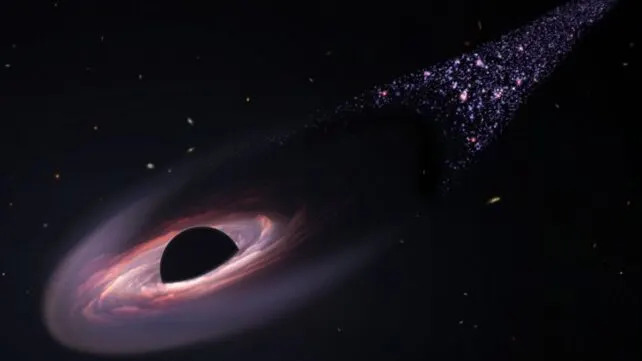
An artist's impression of RBH-1. (NASA, ESA, Leah Hustak/STScI)
COX7RP and Lifespan Extension in Mice
Japanese scientists report that raising levels of the mitochondrial protein COX7RP in male mice improved mitochondrial function and extended average lifespan by about 6.6 percent, along with signs of an extended healthspan. While promising, these are preclinical findings and further work is needed to assess relevance for humans.
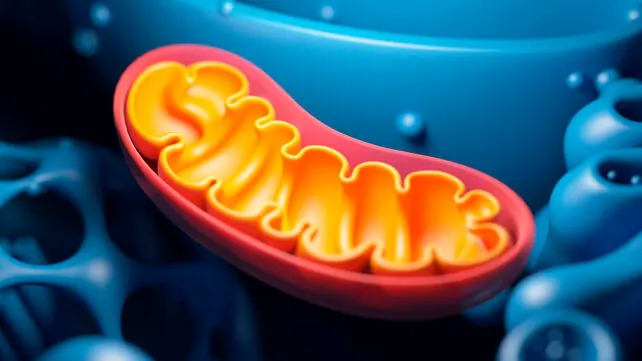
Mitochondria supply power to cells. (SciePro/Science Photo Library/Getty Images)
Why it matters: These items together highlight the range of contemporary science — from astrophysics that challenge our understanding of galactic dynamics to translational biology and population studies with potential implications for public health and ageing.
Related Headlines
- This Week in Science: Cats Meow More at Men, Depression Relief, And More!
- Veritasium's 'Elements of Truth' Board Game Is Live on Kickstarter
- This Week in Science: Vampire Squid, a Galactic Tornado, And Much More!
Help us improve.