
Live Science's 2025 health year-in-review collects the year's most consequential reporting on medicine, biology and global public health. Highlights include insights from the biology of supercentenarian Maria Branyas Morera, debates over brain evolution and ethical questions around minibrain organoids, and the promise of mRNA therapies amid political uncertainty. The package also examines biosecurity risks from AI-designed viruses, the U.S. measles resurgence, USAID funding cuts, and other major investigations.
Year in Review 2025: The Health Stories That Defined the Year — From Longevity Clues to AI-Designed Viruses

From AI-designed viruses to figuring out what makes us human, here are this year's most in-depth health stories from Live Science. . | Credit: Getty Images
Live Science's Health channel rounded up the most consequential health reporting of 2025, presenting long-reads, interviews, book excerpts and investigative analyses that reveal where medicine, policy and technology are headed. Below are the standout stories that shaped public-health debates and scientific frontiers this year.
Supercentenarian Biology: Lessons From Maria Branyas Morera
Maria Branyas Morera, recognised as one of the world's oldest people, died in 2024 at 117. Live Science reviewed a study of her biology that identified traits—genetic, cellular and lifestyle-related—that may have helped protect her from disease in advanced age. Reporters and experts discussed whether these findings can inform broader strategies for healthy aging and longevity research.

The supercentenarian Maria Branyas Morera on her 117th birthday on March 4, 2024. | Credit: Arxiu de la família Branyas Morera,(CC0 1.0 UNIVERSAL Deed), via Wikimedia Commons
How the Human Brain Evolved
The origins of human cognition remain a central question in science. In interviews and a BBC-backed feature, science communicator Jim Al-Khalili and neuroscientist Nikolay Kukushkin explored the evolutionary pressures that shaped brain architecture and the emergence of consciousness. These pieces synthesize paleontology, comparative anatomy and neuroscience to trace the organ's deep history.
Minibrains, Ethics and Regulation
Lab-grown brain organoids—"minibrains"—are growing more complex. We reported on scientists' concerns that some organoids might one day show rudimentary awareness or the capacity for pain, and examined proposals for ethical guidelines and regulatory oversight to balance scientific progress with humane safeguards.

Certain types of cancer, including breast and colorectal cancers, are becoming more prevalent in people under 50. A combination of factors may be at play. | Credit: Morsa Images via Getty Images
mRNA Beyond Vaccines — Promise and Political Headwinds
mRNA platforms are being adapted for cancer therapies, immune modulation and gene-replacement approaches. A Science Spotlight detailed the therapeutic potential and technological advances, while also documenting how politicization of COVID-19 vaccines in the U.S. has created political uncertainty that could hamper research and development, particularly under the second Trump administration.
Cancer in Younger People: Trends and Drivers
Reports of rising cancer incidence among younger cohorts prompted analysis into which cancers are increasing and why. Investigative pieces looked at environmental exposures, lifestyle changes and the role of improved detection methods in explaining the trend.
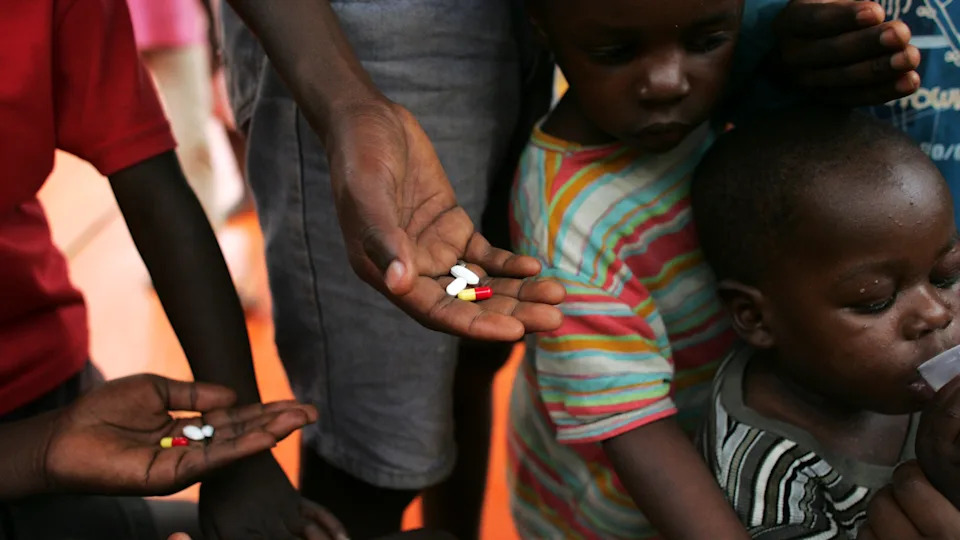
HIV medications must be taken consistently to suppress the virus. Major cuts to HIV funding have threatened people's access to the medicines. | Credit: Marco Di Lauro via Getty Images
Sex Differences in the Brain: More Nuanced Than Headlines
A Science Spotlight reviewed the literature on male–female brain differences and found the evidence more ambiguous than many popular headlines suggest. While certain structural or functional variations exist, experts warn against overinterpreting these findings and emphasize the complexity of biology, development and social context.
AI-Designed Viruses: Dual-Use Risks and Safeguards
Artificial intelligence can now assist in designing novel viral sequences. While researchers envision beneficial uses—such as bacteriophages to treat antibiotic-resistant infections—the same capabilities raise dual-use biosecurity concerns. Our analysis explored governance options, responsible research practices and international safeguards to reduce the risk of misuse.
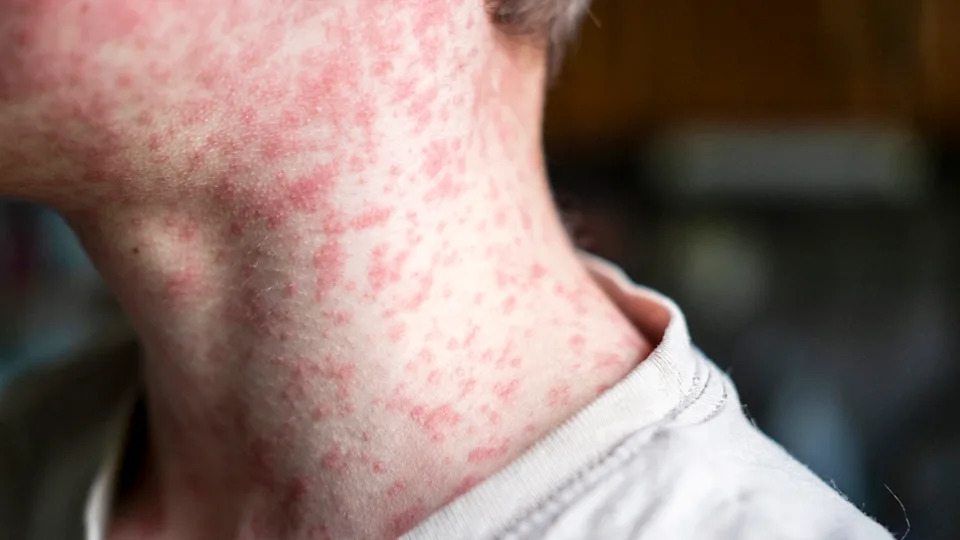
The U.S. is at risk of losing its "measles elimination status" very soon, as the infection continues to spread via various outbreaks. | Credit: Natalya Maisheva/Getty Images
Vaccine Equity and USAID Cuts
Live Science published a book excerpt and interviews with public-health leaders about vaccine distribution during the COVID-19 pandemic. The reporting also tracked major funding cuts to USAID under the second Trump administration and examined projected impacts on global HIV and tuberculosis programs, raising alarms about long-term consequences for health systems in low- and middle-income countries.
Measles Resurgence in the U.S.
After being declared eliminated in the U.S. in 2000, measles returned as vaccination rates fell in some communities. We reported on the drivers of the resurgence, the public-health stakes of losing elimination status, and the role of organized anti-vaccine activism in undermining trust and vaccination coverage.
Other Notable Investigations
Additional reporting addressed a range of important topics: a case of genetic resilience to early-onset Alzheimer's that may reveal protective mechanisms; a contested study on microplastics found in human brain tissue and what it really means; research linking improved mental health after bariatric surgery to relief from weight stigma; rising cases of hyponatremia potentially linked to heat exposure; and expert reactions to a sensational but false claim about a "pregnancy robot."
Why this package matters: These stories highlight how scientific advances, political decisions and social forces combine to influence health outcomes globally — from cutting-edge biotechnology and aging research to the policies that enable or hinder effective public health.


