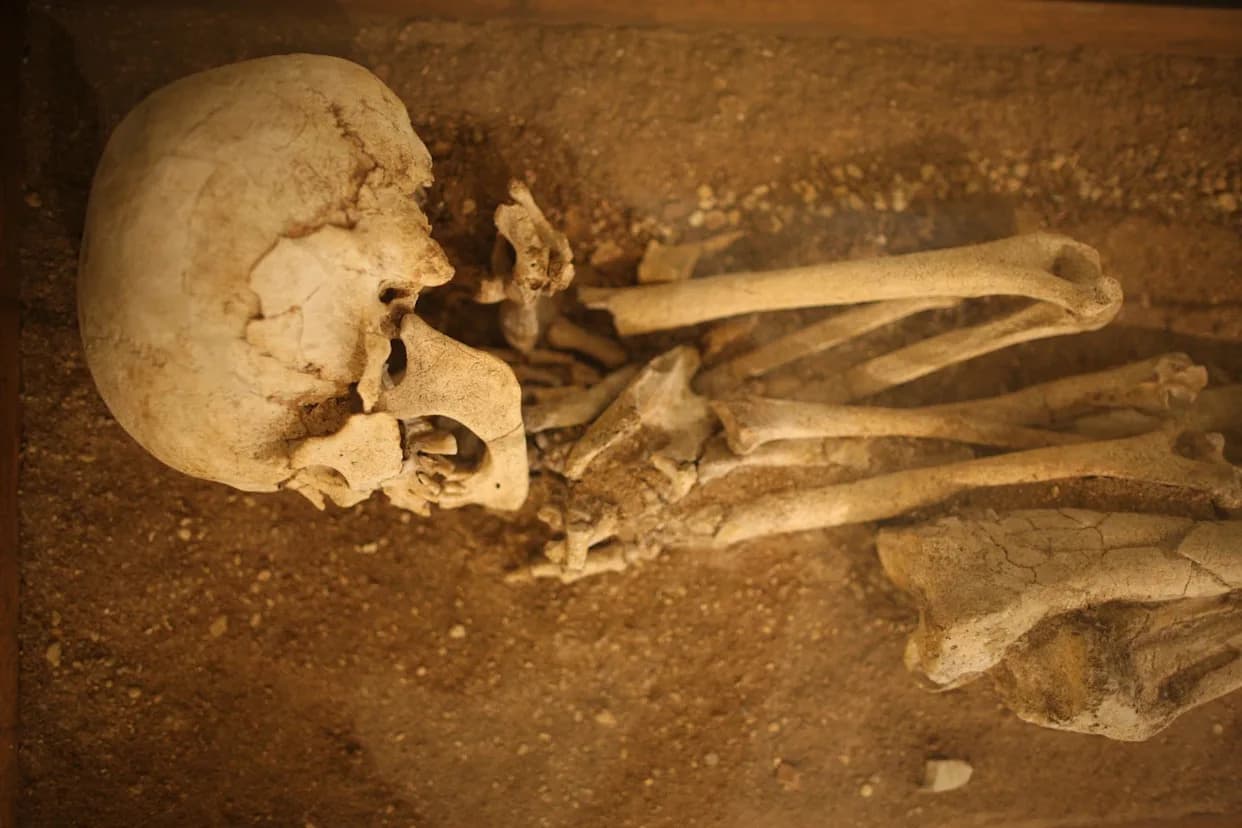
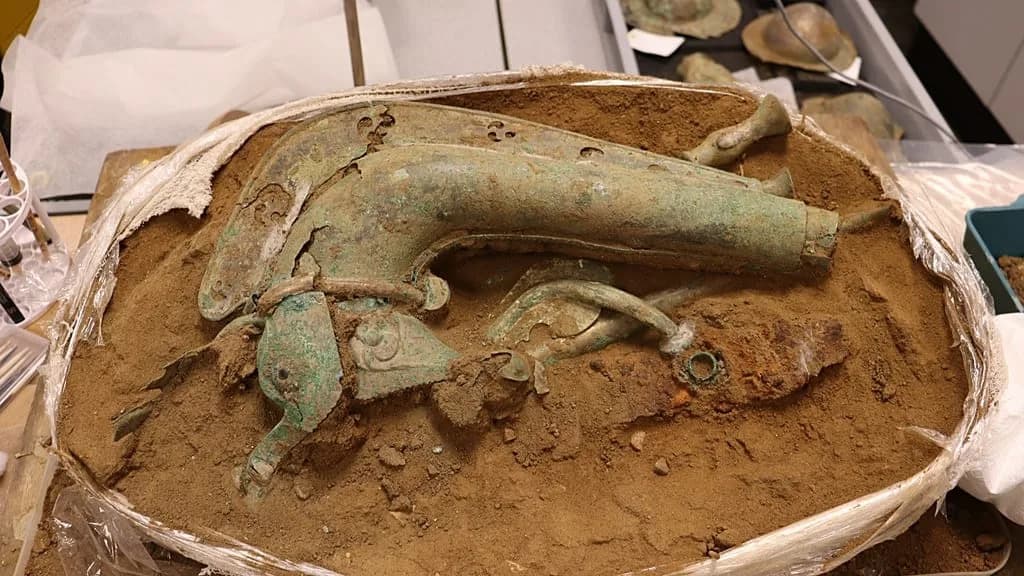
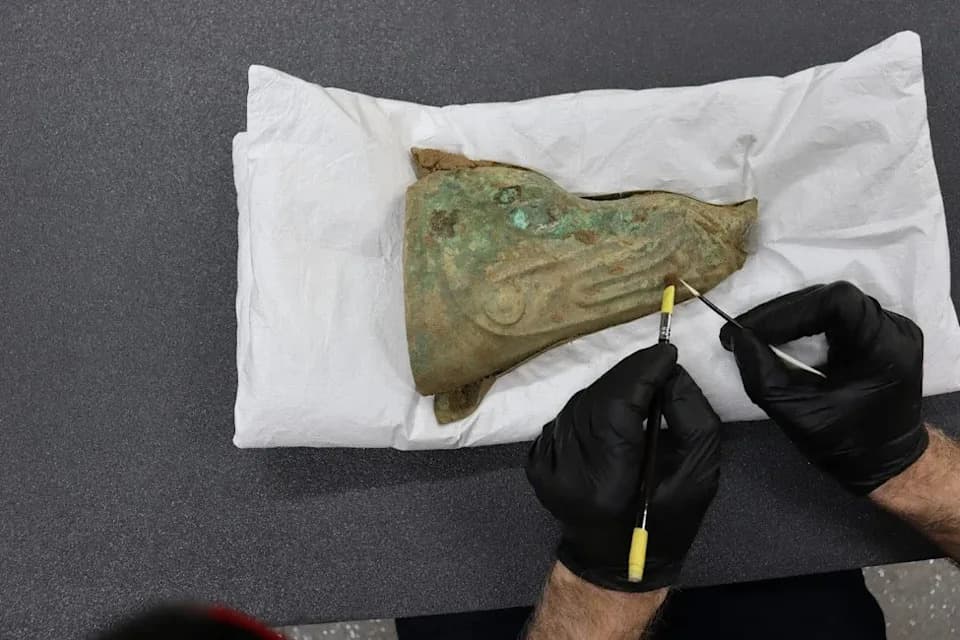
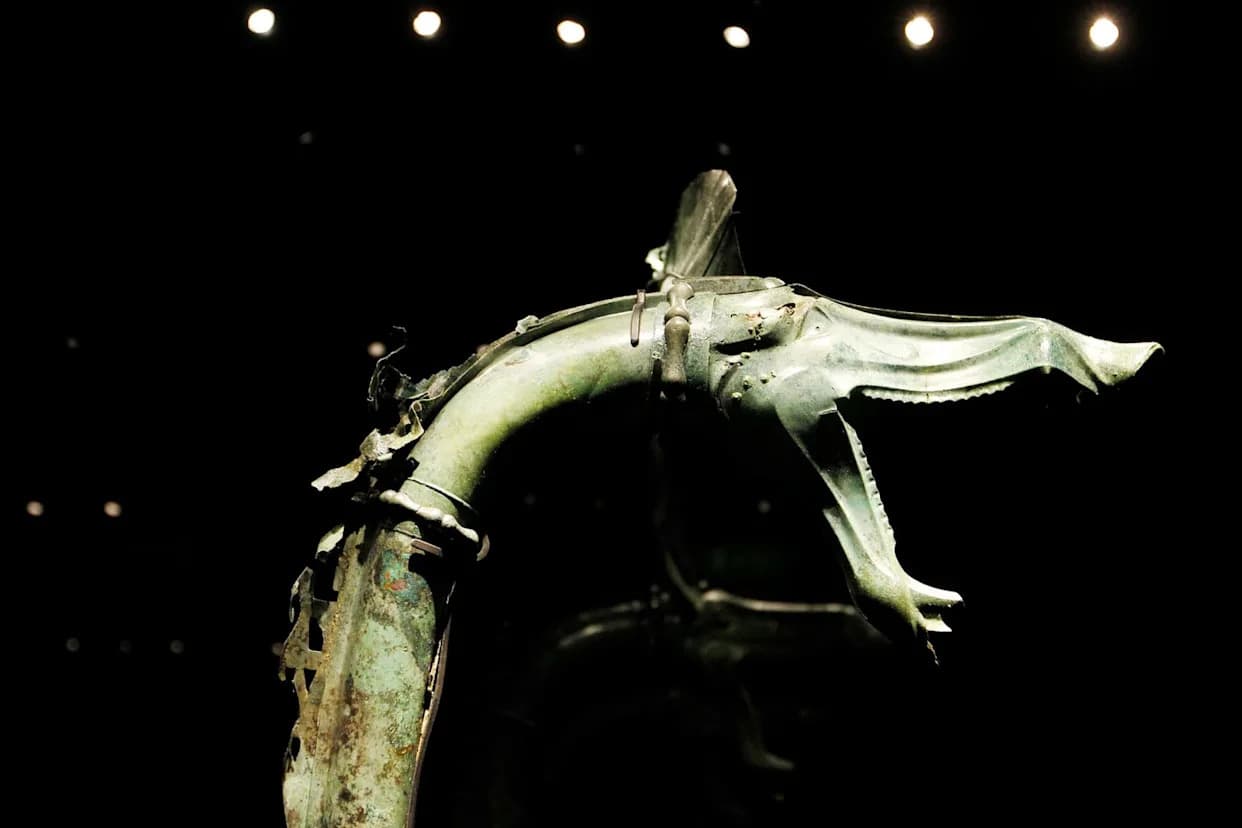
Preparatory works at the Sizewell C site in Suffolk have revealed at least 11 Anglo‑Saxon barrows, including a probable high‑status grave with two individuals, a harnessed horse and a suite of weapons and personal items dated to the 6th–7th century A.D. The complex lies about 15 miles from Sutton Hoo and shows parallels in burial layout and grave goods. Although acidic soils destroyed bone, archaeologists identified burial impressions preserved as "sand silhouettes." The discovery — made during modern construction — highlights East Anglia’s importance as an early medieval crossroads.
Anglo‑Saxon Princely Grave Unearthed Near Sizewell: 11 Barrows Found Close to Sutton Hoo
Unsplash- Aleksander Stypz(Unsplash- Aleksander Stypz)
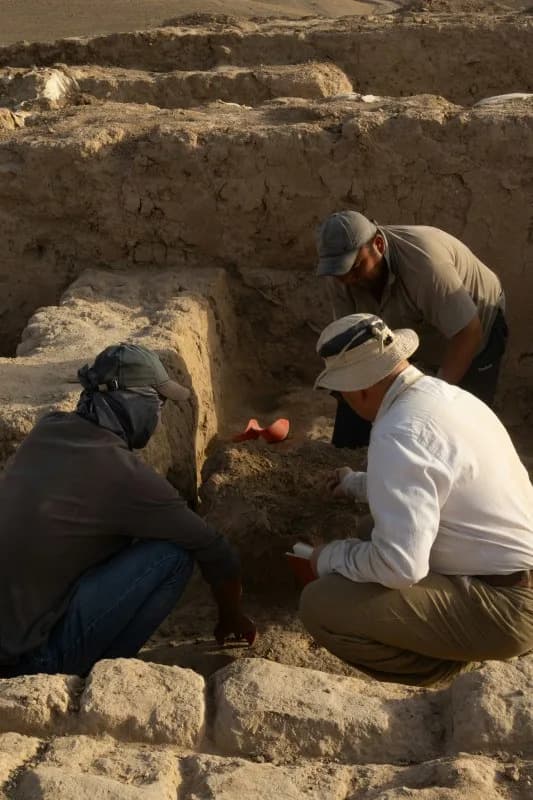
Archaeologists working at the Sizewell C nuclear power station preparatory site on England’s east coast have uncovered a cluster of Anglo‑Saxon burial mounds that could reshape understanding of early medieval East Anglia.
Key Discovery
Teams uncovered at least 11 barrows laid out along a prominent coastal ridge in Suffolk. Among them is a likely high‑status, possibly princely, grave containing two individuals buried with a harnessed horse and an assemblage of weapons and personal items. Radiocarbon and typological evidence place the burials in the 6th–7th century A.D., a formative period for emerging Anglo‑Saxon kingdoms in England.
Connection To Sutton Hoo
The site lies roughly 15 miles from the famous Sutton Hoo burial ground. Archaeologists note similarities in layout and grave goods, prompting comparisons to the iconic 1939 ship burial that revealed gold fittings, a ceremonial helmet, Byzantine silver and finely wrought weapons — finds that attest to extensive early medieval connections across Europe.

Unsplash- Karen Zhao(Unsplash- Karen Zhao)
Preservation And Methods
Suffolk’s acidic soils typically destroy bone, but archaeologists were able to detect the positions of the interred and their grave goods preserved as "sand silhouettes" — impressions of burials and objects in the substrate that echo preservation at Sutton Hoo. The discovery was made during groundwork for modern infrastructure, underscoring how contemporary development can expose buried heritage.
Len Middleton, project officer with Oxford Cotswold Archaeology: "These don’t come up very often. It’s a once‑in‑a‑career type of excavation really."
Why It Matters
The Sizewell C finds add fresh evidence about elite burial practices, social hierarchy and long‑distance contacts in early medieval England. They reinforce East Anglia’s role as a crossroads for trade, cultural exchange and artistic influence during a pivotal era roughly 1,400–1,500 years ago.
Visit And Context
Visitors interested in exploring the region’s history can combine a trip to the new Sizewell finds with nearby attractions: Sutton Hoo’s barrows and museum displays, the British Museum in London (which houses many Sutton Hoo treasures), coastal heritage trails in Suffolk and the historic town of Ipswich, which preserves traces of Anglo‑Saxon and medieval life.
This report is based on material first published by TravelHost on Jan 16, 2026, in the Attractions section.
Help us improve.