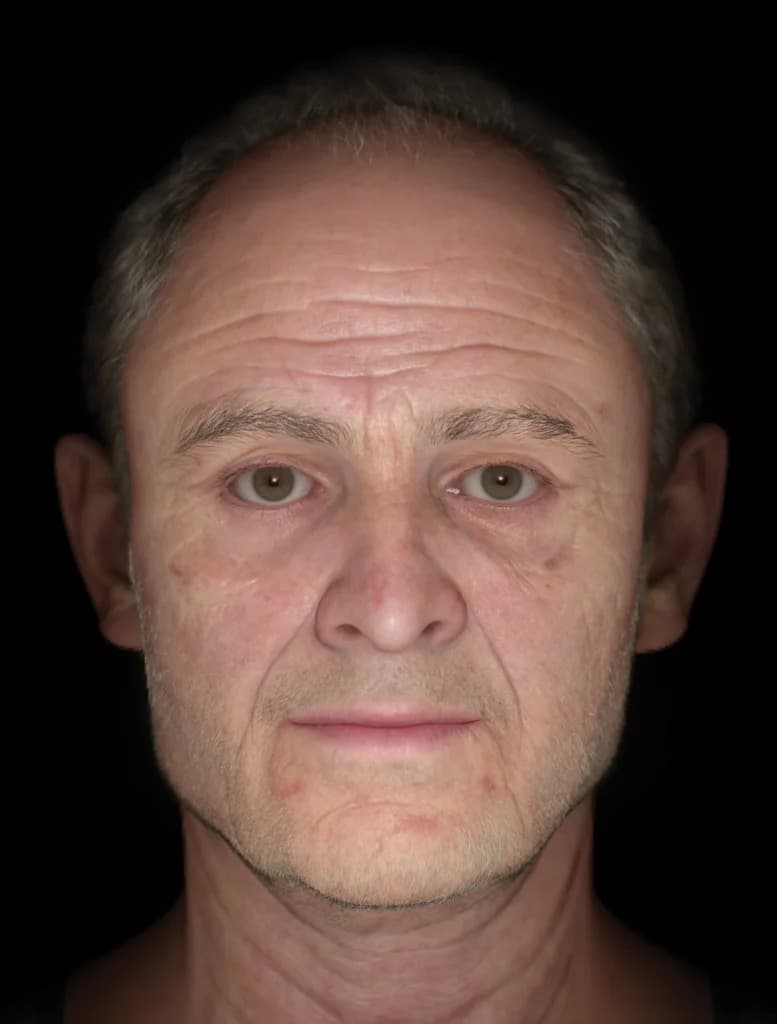
Archaeologists excavated nearly 100 remains at a Buckinghamshire burial site first discovered in 2018. Fieldwork documented 73 skeletons across 34 graves, including 26 with bound hands; most were adult males, with a few juveniles and no female remains. Sparse grave goods, two belt buckles dated to Late Roman and Late Medieval periods, and a skeleton radiocarbon-dated to the late 13th century support the interpretation of an execution cemetery used over time. The council will oversee further post-excavation analysis and publish specialist reports.
Nearly 100 Remains Unearthed at Suspected Medieval Execution Cemetery in Buckinghamshire

Network Archaeology/ Bucks Council
Archaeologists have uncovered the remains of nearly 100 individuals at an ancient burial site in Buckinghamshire that investigators believe served as an execution cemetery used over an extended period.
Findings and Context
The location, first identified in 2018, was subject to almost a decade of excavation and specialist analysis. A recent report submitted to the Buckinghamshire Historic Environment Record summarizes the fieldwork but notes that researchers were still unable to reconstruct the precise layout or sequence of activity at the site.
Human Remains and Osteological Evidence
Field teams recorded 73 skeletons distributed among 34 graves. Of those, 26 individuals were found with their hands bound behind their backs. The majority of the remains were adult males; a smaller number were juveniles or adolescents, and no female skeletons were identified.
Osteological analysis revealed a range of healed fractures, markers of childhood physiological stress, and signs of infectious disease — including changes compatible with tuberculosis. These indicators suggest many of the individuals endured significant physical hardship during life.
Artifacts, Dating, And Interpretation
Very few personal items were found in the graves, implying valuables were removed before burial. Two belt buckles were recovered and dated to different periods: one to the Late Roman era and the other to the Late Medieval period. Radiocarbon dating of one skeleton produced a late 13th-century date.
Investigators note the combination of bound hands, an unusual east–west orientation for several bodies, the scarcity of grave goods, and the mixed chronological signals from artifacts suggest this location functioned as a burial ground for executed or detained individuals across multiple centuries rather than a single, uniform cemetery.
Peter Strachan, Bucks councillor and Cabinet Member for Planning and Regeneration, said: "Our archaeology team has worked tirelessly to ensure this remarkable site was properly investigated. The discovery of what is likely a medieval execution burial ground offers a rare glimpse into Buckinghamshire’s past."
Next Steps
The council will oversee post-excavation laboratory analysis, and the researchers plan to publish specialist reports when results are available. Further investigation at the site may help clarify who these people were, when they were buried, and the circumstances surrounding their deaths, improving our understanding of punishment and life in historic Buckinghamshire.
Reporting credit: findings summarized from the Buckinghamshire Historic Environment Record and statements from Bucks Council. Originally published by Men’s Journal.
Help us improve.