Volunteer archaeologists near Akasztó, Hungary, have excavated three richly furnished warrior burials dated to the 920s–930s C.E. Two were adolescents (about 15–18) and a third adult (about 30–35) is likely the father of the youngest. The graves contained elite items—including a rare silver tarsoly plate, gold jewelry, archery equipment, a 10th-century saber and 81 mostly Italian coins—and a partially interred horse with a gilded silver harness. Genetic, material and osteological analyses are planned to clarify family ties and the circumstances of death.
Volunteer Dig Reveals 1,100-Year-Old Graves of Three Likely Related Hungarian Warriors
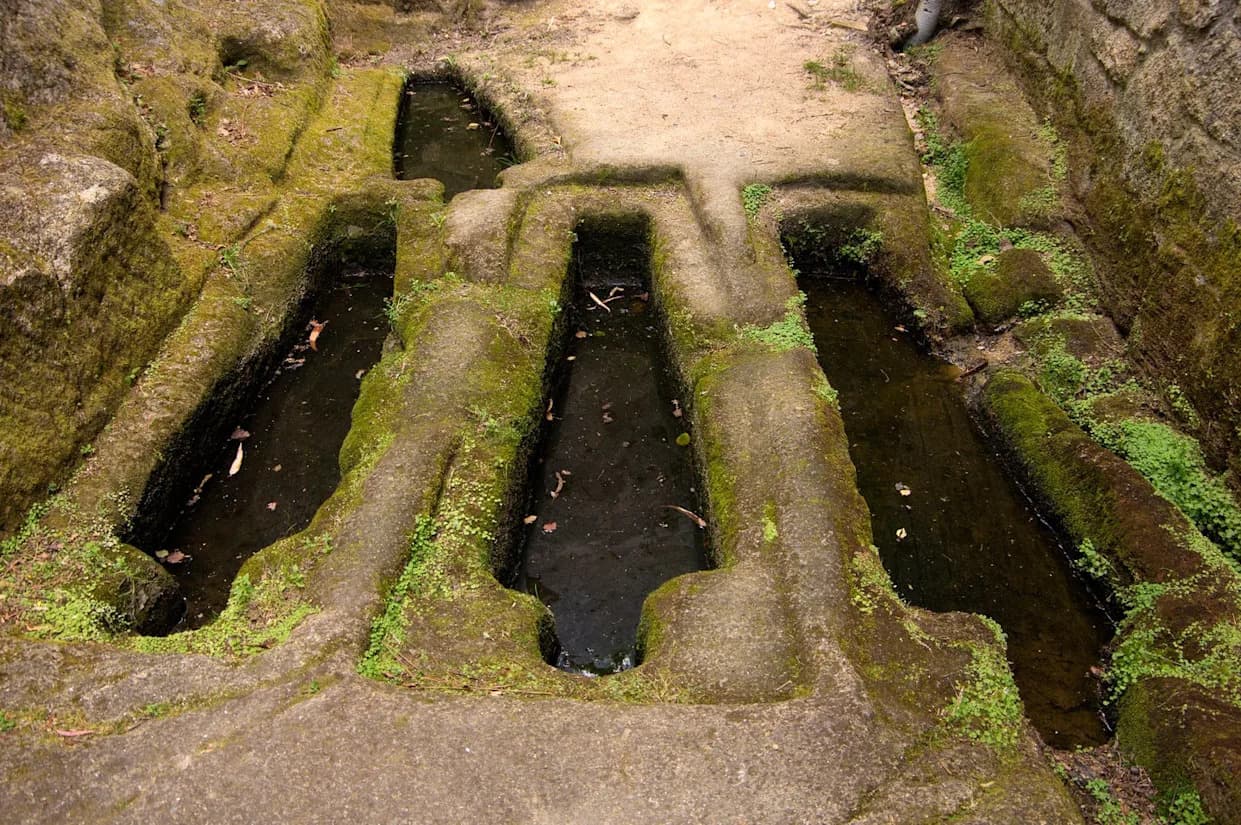
These 1,100-Year-Old Warriors Might Be RelatedIñigo Fdz de Pinedo - Getty Images
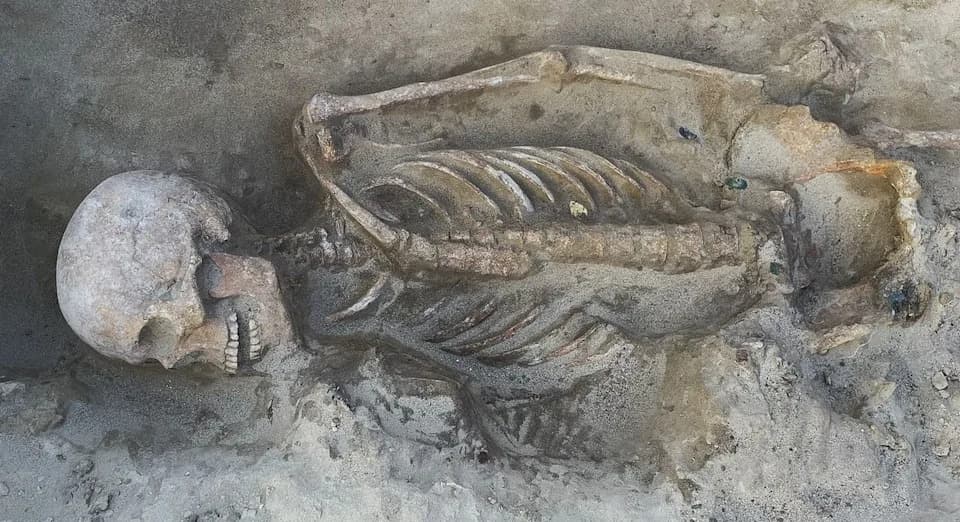
Volunteer archaeologists near the village of Akasztó, roughly 55 miles southeast of Budapest, have uncovered three richly furnished warrior burials dated to the 920s–930s C.E., a pivotal period in the Hungarian conquest of the Carpathian Basin. Excavated by a team from the Kecskemét Soldier József Museum’s community archaeology program under the museum’s archaeological leadership, the tombs offer rare insight into elite funerary practices and possible family ties in early medieval Hungary.
Discovery and Dating
The graves were located and excavated by volunteers working with professional archaeologists from the Kecskemét Soldier József Museum. Radiocarbon and typological evidence place the burials in the 920s–930s C.E., aligning them with the consolidation phase of the Hungarian conquest.
The Individuals
According to a translated statement from the Pulszky Society Hungarian Museum Association, the three individuals include two adolescent warriors (about 17–18 and 15–16 years old) and one adult male (about 30–35). Archaeologists believe the adult was likely the father of the youngest adolescent; genetic testing and further analysis are planned to confirm kinship.
Grave Goods and Status
All three burials contained high-status items. The first adolescent’s tomb held a rare silver tarsoly plate (one of roughly 30 known from the Carpathian Basin), a gold ring set with blue glass stones worn on the left hand, two gold hair hoops, and decorative silver arm and leg rings. Silk, leather and wooden elements also survived and will be subject to further study.
The second, younger adolescent’s grave contained archery equipment: a bow, a quiver with seven arrows, and bow handles decorated with antler plates. The adult male’s burial included archery gear as well, a 10th-century saber, a silver bracelet, and a horse harness decorated with coins.
Horse Burial and Funeral Rites
A partially interred horse accompanied at least one of the warriors: the head, legs and hide were buried alongside a gilded silver harness. Specialists suggest that the horse’s remaining parts may have been consumed during funeral feasting or ritually burned—practices attested in other early medieval steppe-influenced burials.
Coins, Diet and Origins
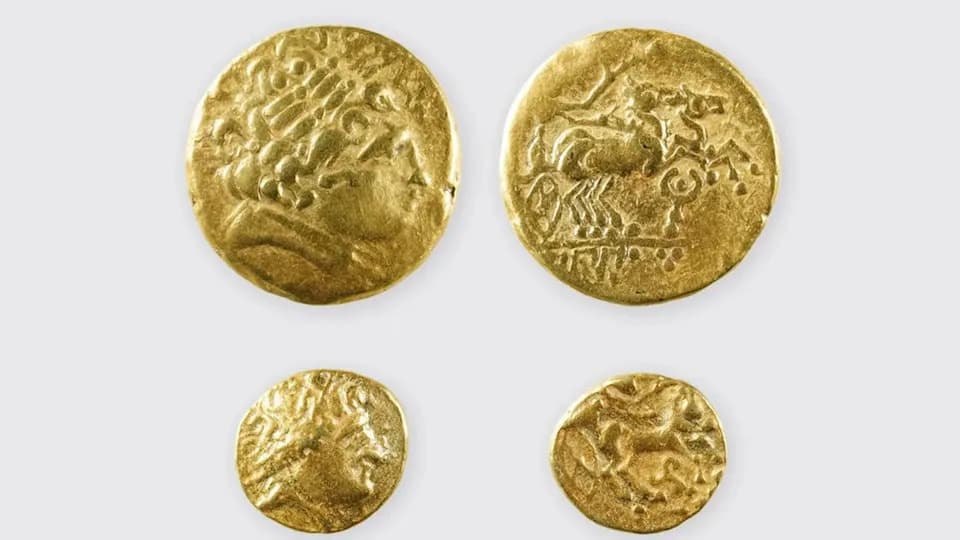
Across the three graves archaeologists recovered 81 coins, most originating from northern Italy, which suggests connections through trade or military activity in that region. Preliminary bone chemistry indicates all three individuals had diets rich in animal proteins. There are no clear indicators yet of the cause of death.
Significance and Next Steps
Museum officials described the intact, unrobbed tombs as among the richest discovered in the Tisza region. Researchers plan genetic testing to confirm familial relationships, metallurgical and textile analyses to study the grave goods, and further osteological work to look for signs of trauma or disease that might explain how the three died.
Note: Reporting draws on the museum’s statement and contemporary coverage, including Live Science.
Help us improve.