Archaeologists conducting a routine pre-construction survey in West Norfolk discovered a rare, roughly 2,000-year-old Iron Age carnyx — a bronze battle trumpet used by Celtic warriors. The instrument, one of only three found in Britain and among the most complete in Europe, was recovered with five shield bosses and a bronze boar's head likely used as a military standard. The deposit dates to around CE 60–61 and was found within historic Iceni territory, so it may be linked to the era of Queen Boudica, though any direct connection remains unproven.
2,000‑Year‑Old Carnyx Unearthed in Norfolk — Rare Iron Age Battle Trumpet May Be Linked to Boudica
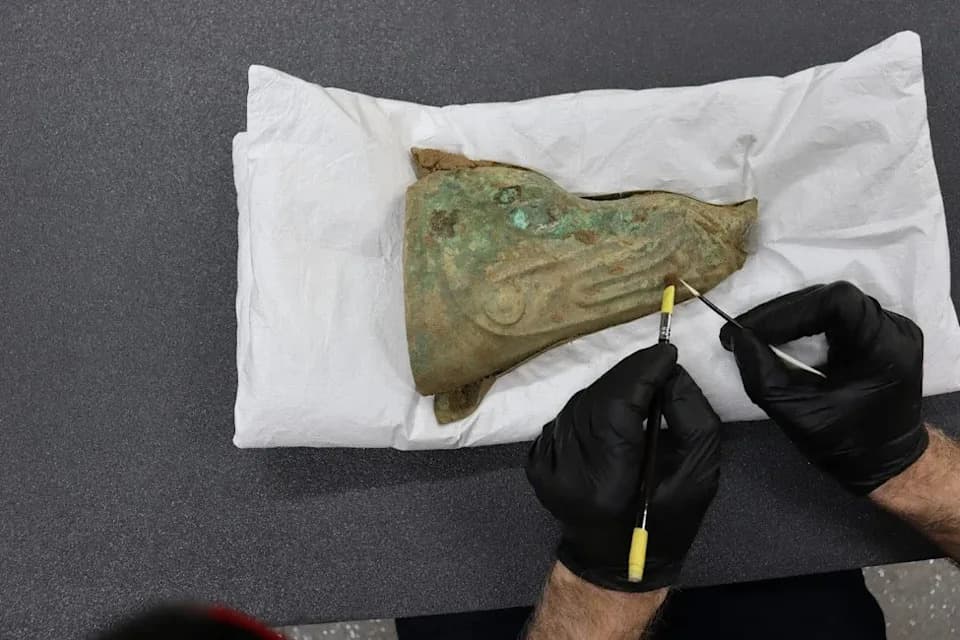
Excavated boar standard.© Norfolk Museums Service
During a routine pre-construction survey at a residential property in West Norfolk last year, archaeologists uncovered an extraordinary discovery: an approximately 2,000-year-old Iron Age battle trumpet known as a carnyx.
Find Details
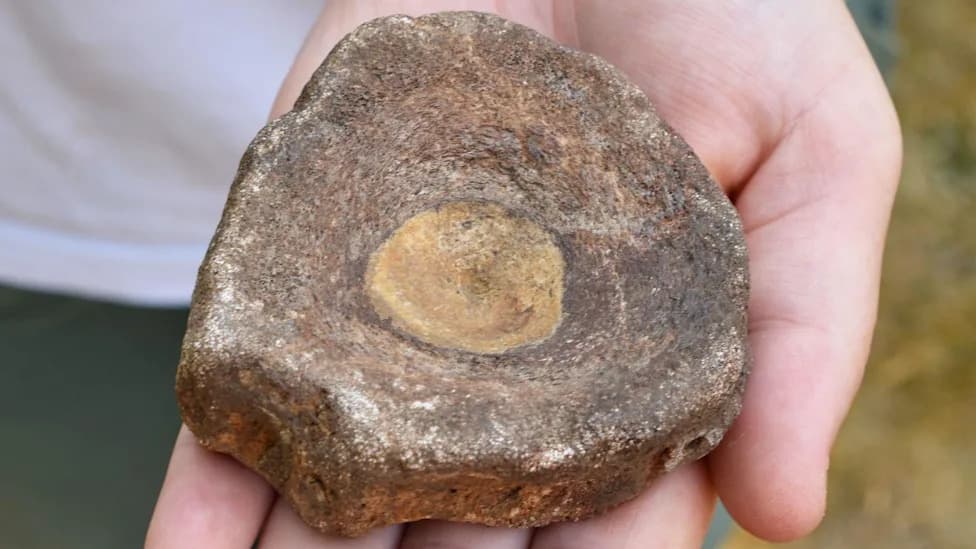
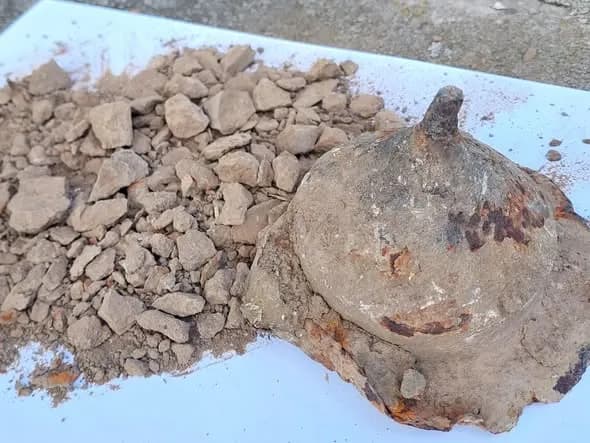
The S‑shaped bronze instrument, used by Celtic warriors to rally troops and intimidate enemies, was recovered alongside several other high-quality metal objects, including five shield bosses and a bronze boar's head that specialists believe served as a military standard. Historic England notes this carnyx is only the third example found in Britain and is among the most complete discovered in Europe.
Context And Possible Links To Boudica
Archaeologists date the deposit to roughly the same period as the Boudican uprising (around CE 60–61). The site lies within the historic territory of the Iceni, the tribe led by Queen Boudica, so researchers say the trumpet may be associated with forces from that region — although a direct link to Boudica herself cannot be confirmed at this stage.
Excavation And Interpretation
The material was uncovered by Pre‑Construct Archaeology during a planning‑phase investigation. Mark Hinman, CEO of Pre‑Construct Archaeology, described the assemblage as exceptional:
'I've been doing archaeology for over 40 years, and I've never seen anything like this. It's a once‑in‑a‑lifetime discovery.'
Experts suggest the combination of a rare carnyx, shield fittings, and a boar standard indicates a deliberate deposit—likely a ritual or martial hoard—rather than casual refuse. The craftsmanship and condition of the objects imply they were prestigious items that would have been recognized by elite warriors or leaders in Iron Age Britain.
Why It Matters
This discovery sheds new light on Iron Age ceremonial and military practice in eastern Britain and reinforces Norfolk's importance in the study of the period surrounding the Boudican revolt. Conservators and researchers will study the finds further to refine dating, provenance, and the object's original form and use.
Note: While the find is contemporaneous with Boudica's revolt and located in Iceni territory, any direct association with Boudica or her army remains speculative until further evidence is available.
Help us improve.