The first major excavation at the Tower of London in decades has uncovered more than 20 burials, from a probable Black Death mass grave to rare 12th–13th‑century coffin interments and a preserved burial shroud. Excavations that began in 2019 to prepare the Chapel Royal of St Peter ad Vincula revealed artifacts such as incense pots, stained glass and jewelry. Isotope and biomolecular analyses are already reconstructing personal histories — one skeleton likely a woman (c.1480–1550) with ties to Wales and sugar in her diet, another a younger man who endured a high‑stress life — promising to reshape understanding of the Tower’s medieval community.
Rare Tower of London Dig Unearths 20+ Burials — From Black Death Mass Grave to Rare 12th‑Century Coffins

Archaeologists Excavated the Tower of LondonVulture Labs - Getty Images
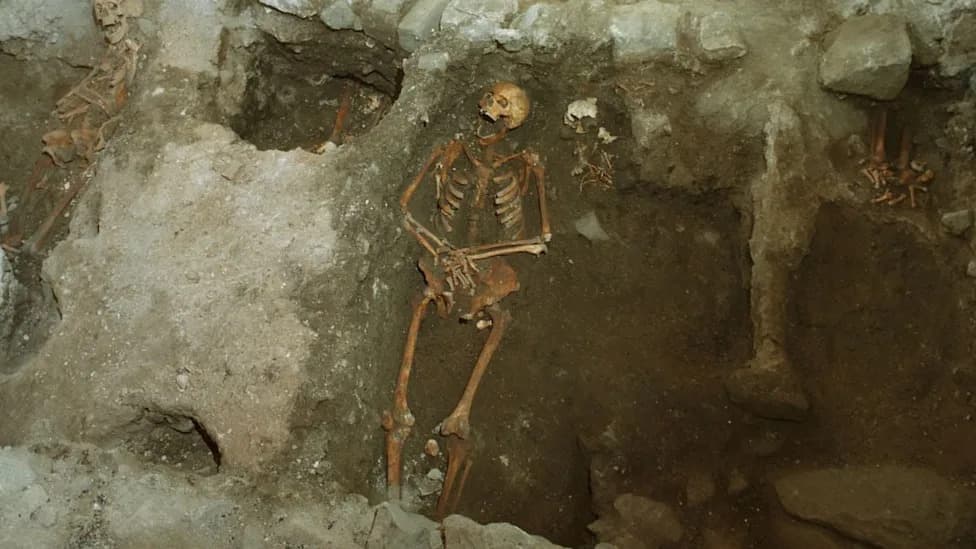
A rare archaeological excavation inside the Tower of London — the first major dig at the site in a generation — has revealed more than 20 human burials spanning several centuries, including a likely mid‑14th‑century mass grave linked to the Black Death and exceptionally rare coffin burials from the late 12th to early 13th centuries.
From a Trial Trench to a Major Discovery
The work began in 2019 as a small, trial excavation to make way for a new lift at the Chapel Royal of St Peter ad Vincula. That initial trench exposed two skeletons, and follow‑up excavations outside the chapel — reaching depths of up to 10 feet — uncovered a much larger sequence of burials and associated artifacts.
What Archaeologists Found
Among the discoveries were:
- A cluster of graves likely linked to the 1348 Black Death pandemic.
- Three coffin burials dated to the late 12th or early 13th centuries — a costly form of burial for the period — and a remarkably preserved burial shroud from the same phase.
- Funerary incense pots dated between about 1150 and 1250, some still containing charcoal, plus fragments of stained glass, jewelry and other grave goods.
- Two skeletons from roughly the same later period (c.1500) discovered in the initial trench; further testing is underway on many of the newly exposed remains.
Why This Matters
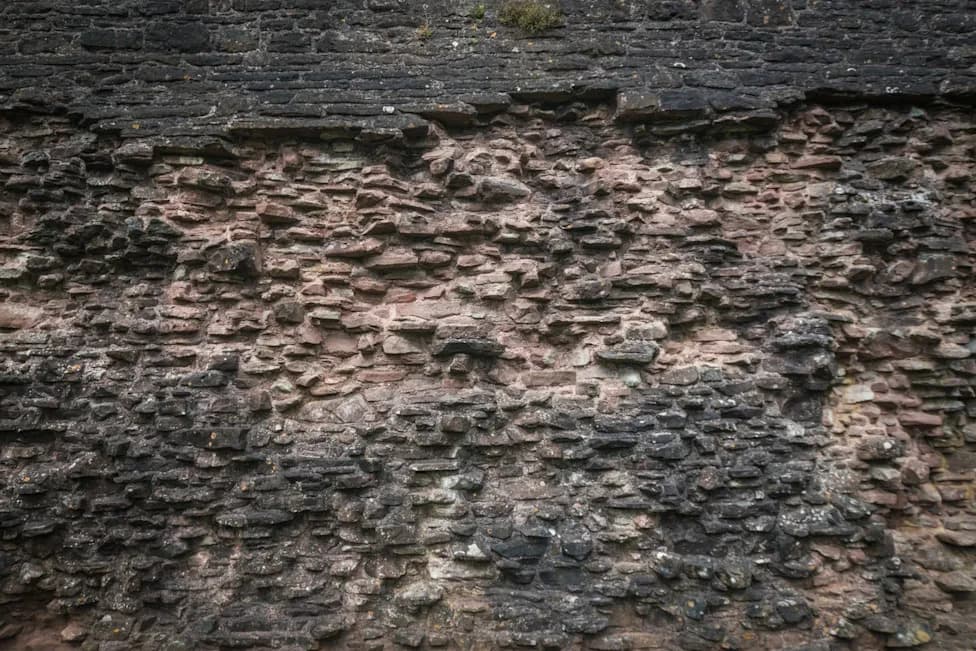
The Tower, built along the north bank of the River Thames in the 1070s, has served as a royal palace, fortress, high‑status prison and the site of the Royal Mint. It appears to have hosted a chapel for much of its history. The current parish church used by Tower residents dates from 1520, rebuilt after a 1512 fire destroyed an earlier building. Excavators also identified a compacted stone layer that may relate to a 1240 building project under Henry III, indicating a chapel presence before 1287.
Because successive chapels occupied roughly the same footprint, multiple burials were to be expected, but the range of dates and the presence of rare medieval textiles and coffin burials make this find especially significant. As Alfred Hawkins, curator of historic buildings at Historic Royal Palaces, put it, the excavations offer a "generational opportunity" to deepen understanding of the chapel’s development and those buried there.
Early Biological Insights
Cardiff University scientists are applying biomolecular methods, including isotope analysis, to recover information about diet, health and mobility from small fragments of tooth and bone. Initial results from the two skeletons first revealed suggest sharp contrasts in life experience:
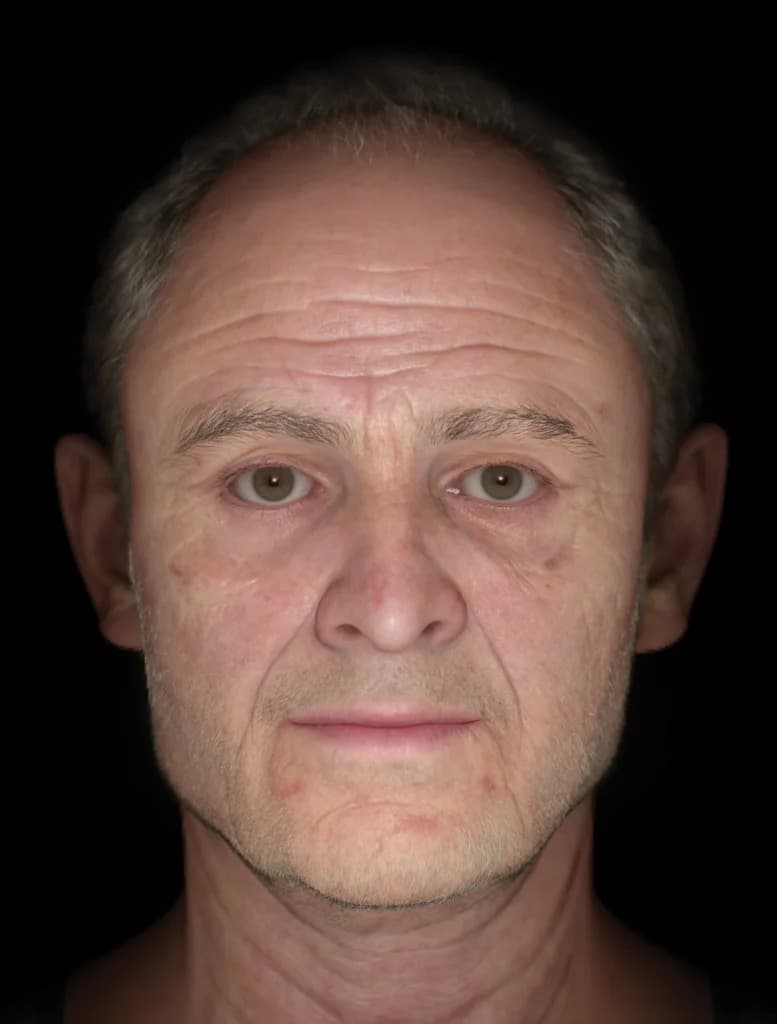
- One individual appears to be a middle‑aged woman who died between about 1480 and 1550. Chemical signatures indicate she may have spent part of her life as far away as Wales and consumed sugar — a costly and socially signaling food in that era.
- The other is a younger man from roughly the same period whose skeletal markers point to a high‑stress life, likely lived north of London, and a more modest diet with fewer imported foods.
Richard Madgwick of Cardiff University said these early biographies "hint at the dynamic movement of people and the varied life trajectories of those buried in the Tower," and researchers are eager to see whether the wider sample will reflect similar diversity or reveal different patterns.
Next Steps
Further osteological study, isotope testing and biomolecular analysis will build fuller life histories for the newly uncovered individuals and help historians reconstruct the Tower’s medieval community. Jane Sidell of Historic England described the finds as "just the tip of the iceberg," noting that ongoing analysis will shed light on both the people and the buildings of one of England’s most evocative historic monuments.
In short: The excavation combines traditional fieldwork with cutting‑edge laboratory techniques to transform how we understand who lived and died at the Tower of London across the medieval period.
Help us improve.