The Norfolk hoard, discovered by Pre‑Construct Archaeology, contains a near‑complete Iron Age carnyx, fragments of a second trumpet, a boar‑headed standard fragment, five shield bosses and an unidentified iron object. Finds were lifted in a single soil block, scanned and carefully removed; extensive stabilisation and conservation are required before detailed study. Experts say the objects highlight Britain’s links to continental Iron Age cultures. The discovery has been reported under the Treasure Act 1996, with a coroner decision expected in early 2026.
Rare Iron Age Carnyx and Hoard Unearthed in West Norfolk — Near‑Complete Battle Trumpet Found
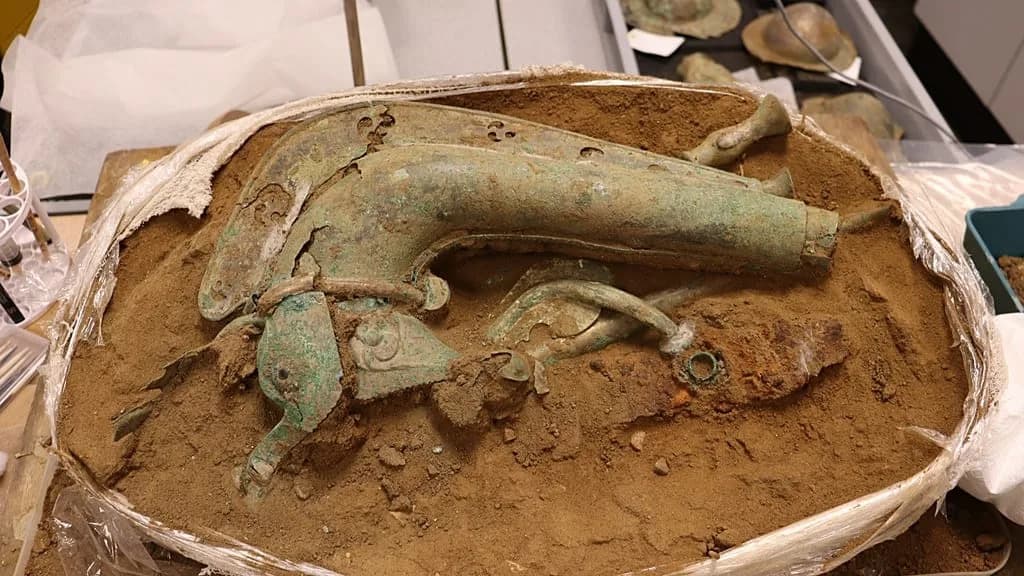
Sound the horn! Rare Iron Age battle trumpet found among hoard in Norfolk
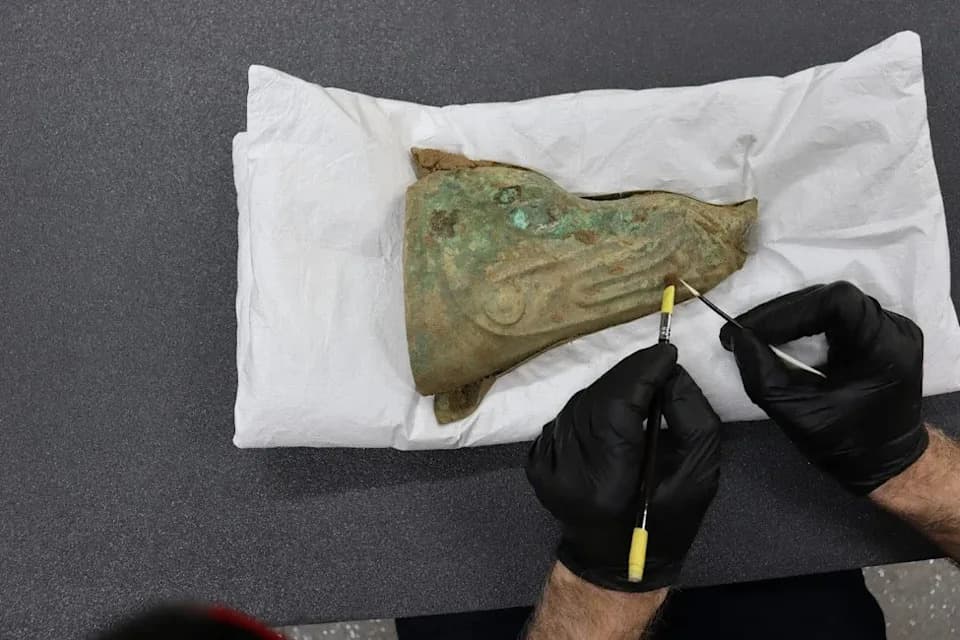
A remarkable hoard of Iron Age objects has been recovered in West Norfolk, offering new insights into music, warfare and continental connections in ancient Britain. Excavated by Pre‑Construct Archaeology, the assemblage includes a near‑complete carnyx (an animal‑headed Bronze Age battle trumpet), fragments of a second trumpet, a sheet‑bronze boar's head likely from a military standard, five shield bosses and an unidentified iron object.
The discovery and condition of the finds
The items were lifted carefully from the site still encased in a block of soil so their original positions could be preserved. The block underwent initial scanning to map the objects' locations before conservators from Norfolk Museums Service began careful extraction. All of the pieces are extremely fragile and will require extensive stabilisation and conservation work before detailed research can proceed.
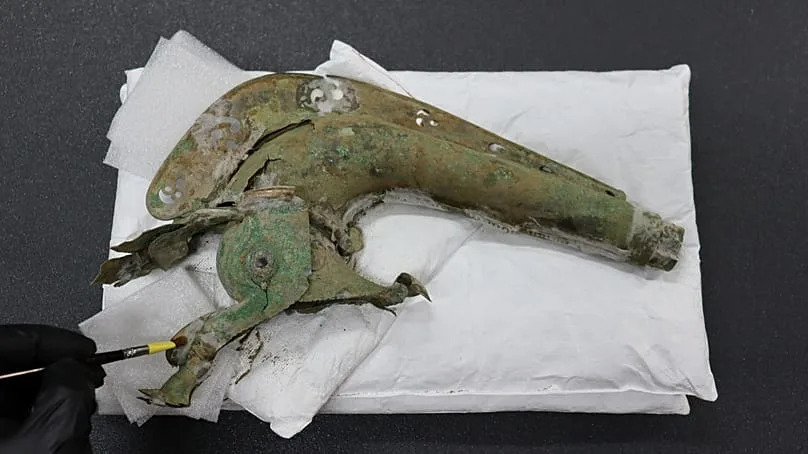
The carnyx is one of only three known examples from Britain and one of the most complete found in Europe.- Credit: Norfolk Museum Service
Why the hoard matters
The carnyx is one of the most visually striking instruments of the European Iron Age: a long, animal‑headed bronze trumpet used by Celtic groups to inspire warriors and intimidate opponents. Romans frequently depicted carnyces as captured war trophies, underlining their symbolic power. The boar’s‑head standard and continental stylistic features of the instruments emphasise that communities in Britain were connected to broader European networks during the Iron Age.
"The full research and conservation of these incredibly fragile remains will reshape our view of sound and music in the Iron Age," said Dr. Fraser Hunter, Iron Age and Roman curator at National Museums Scotland.
Dr. Tim Pestell, Senior Curator of Archaeology for Norfolk Museums Service, added: "The Norfolk Carnyx Hoard will provide archaeologists with an unparalleled opportunity to investigate a number of rare objects and ultimately, to tell the story of how these came to be buried in the county two thousand years ago."
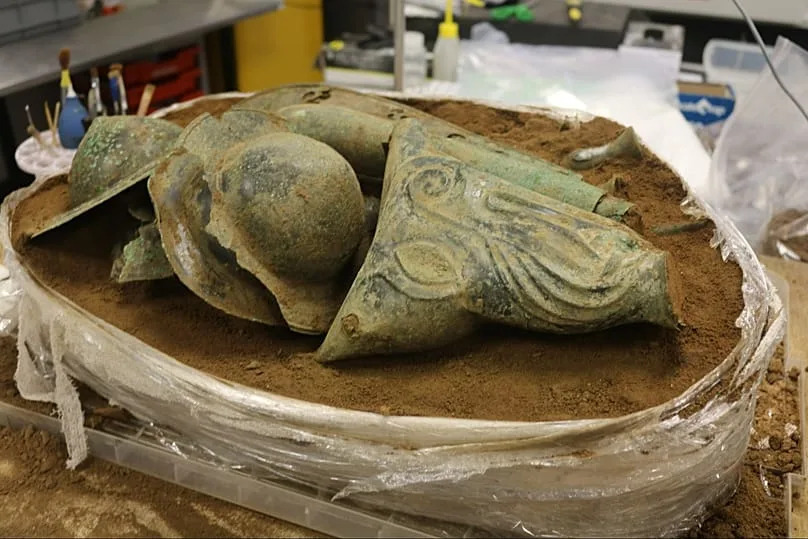
The boar standard ready to be lifted from the block- Credit: Norfolk Museum Service
Next steps and legal status
Because the discovery contains two or more prehistoric base‑metal objects from the same context, it has been reported to the coroner as potential treasure under the Treasure Act 1996. The coroner will determine the find’s legal status in early 2026, and that decision will guide what happens next, including whether museums acquire the hoard.
Historic England is coordinating research and conservation work in partnership with Pre‑Construct Archaeology, Norfolk Museums Service and National Museums Scotland. A long‑term home for the objects has not yet been decided.
What researchers hope to learn
Once conserved, the objects may yield evidence about how the instruments were made and used, the social or ritual reasons for their burial, and the nature of cultural connections between Iron Age Britain and continental Europe. Scientific analysis, careful conservation and contextual research together should transform our understanding of sound, ritual and identity in the period.
Help us improve.