
A farmer ploughing on the Isle of Bute in 2022 uncovered human bones that led to the rediscovery of a Bronze Age stone cist first noted before 1863. Archaeologists found two people buried at different times in the cist, dated to after 2250 BC, with pottery and grave goods. Osteoarchaeological analysis identified the upper burial as an adult male (35–50) and the lower as a female adolescent or young adult; isotopes show a mainly terrestrial diet. The material has been allocated to National Museums Scotland and is now housed in a new Granton facility that expands storage and research capacity.
Farmer Uncovers 4,000‑Year‑Old Bronze Age Grave While Ploughing Isle of Bute Field

Dr Jess Thompson with skeletal remains from the Rhubodach cist - Neil Hanna/PA
A farmer ploughing a field on the Isle of Bute in 2022 unexpectedly exposed human bones that led to the rediscovery and careful re‑excavation of a long‑forgotten Bronze Age stone burial chamber, or cist.
Rediscovery and Excavation
The cist was first recorded before 1863 when a skull was removed and sent to the Society of Antiquaries of London, but its location was later lost. When remains reappeared during modern farming, archaeologists from the AOC Archaeology Group carried out a controlled excavation. The newly recovered material was reported through the Treasure Trove Unit and allocated to National Museums Scotland (NMS) for curation in September.

Two people were buried in the cist, which dates back around 4,000 years - Historic Environment Scotland/AOC Archaeology Group/PA
Two Burials, Reused Monument
Analysis shows the stone cist contained two individuals buried at different times — not contemporaneously — around 4,000 years ago. Both interments were accompanied by pottery and other grave goods, indicating the cist was an important local burial place that was reused within living memory of the community.
Who Were They?
Dr Jess Thompson, Scotland’s first curator of osteoarchaeology, led the osteological study. The upper burial was an adult male aged about 35–50, roughly 5ft 6in tall and apparently in reasonably good health. The lower burial, whose skull is also missing, was a female who was either an adolescent or a very young adult.
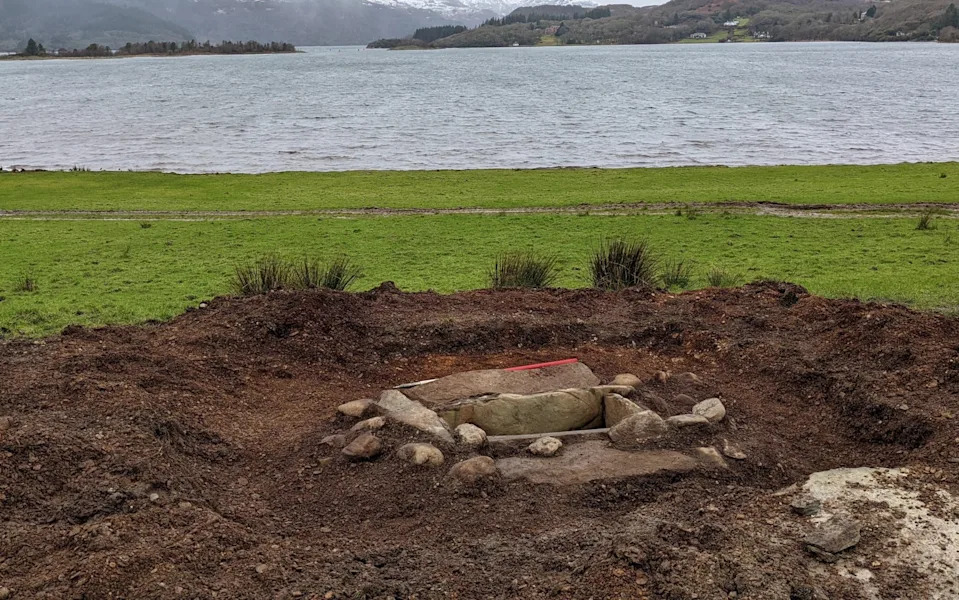
The chamber was first discovered on the Isle of Bute sometime before 1863 - Historic Environment Scotland/AOC Archaeology Group/PA
Dating and Diet
Radiocarbon dating places both burials in the final quarter of the third millennium BC (after about 2250 BC). The dates suggest the upper burial was made shortly after, or within a few generations of, the lower burial. Isotopic analysis indicates a predominantly terrestrial diet with little marine protein.
“Archaeological human remains provide fascinating insights into the people who once lived in what we now call Scotland,” said Dr Matthew Knight, senior curator of prehistory at NMS. “We need to provide ethical care and the best possible storage for them, as well as facilitating research that enriches what we can say about the past.”
Care and Curation
The finds now form part of a growing national collection housed at the National Museums Collection Centre in Granton, Edinburgh. The new facility — created as part of Scotland’s Archaeological Human Remains Collections project — became operational this year and increases storage capacity by about 70 percent. It holds material associated with roughly 2,500 individuals from around 600 archaeological sites across Scotland, spanning the Mesolithic through to the 18th and 19th centuries.
While the earlier 19th‑century skull removed from the site has since been lost, modern excavation and analysis allow researchers to reinterpret the site and better understand the people buried there while ensuring respectful and ethical curation of human remains.


