Eight international agencies report that 2025 was the third-warmest year on record, with the past 11 years the warmest in the instrumental record. A Pew Research Center poll of 5,111 U.S. adults finds a widening partisan split over trust in scientists and whether the U.S. is losing scientific ground. Experts link the divide to political polarization and shifts in federal science policy, and warn that rising temperatures increase the urgency of international cooperation and robust scientific data.
2025 Nears Record Heat as Americans Split Sharply Over Trust in Science

People play soccer at a Brooklyn park at dusk at the end of the hottest day of the year on June 24, 2025 in New York City.(Spencer Platt / Getty Images)
Global analyses confirm that 2025 ranked among the hottest years on record, even as a new Pew Research Center poll reveals deep partisan divisions in Americans' confidence in science and the country's scientific leadership.
Poll Finds Sharp Partisan Divide
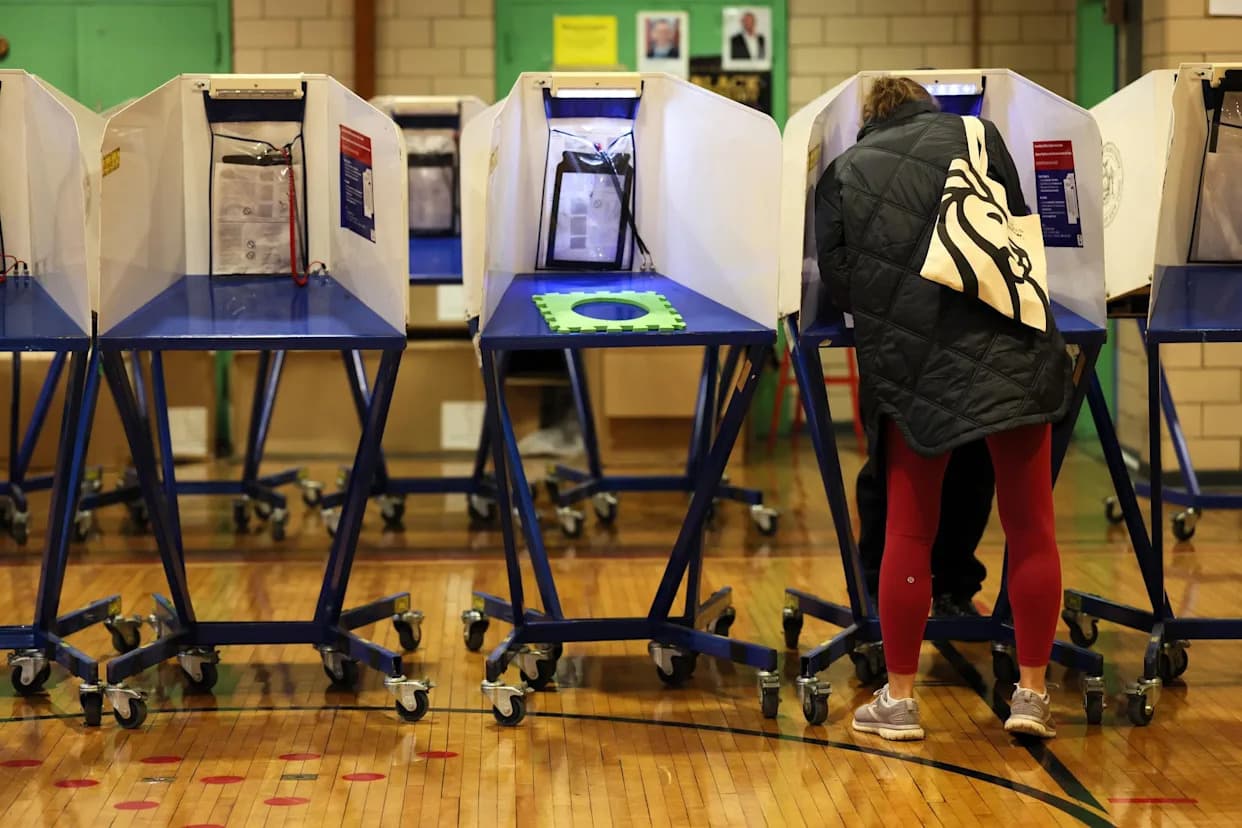
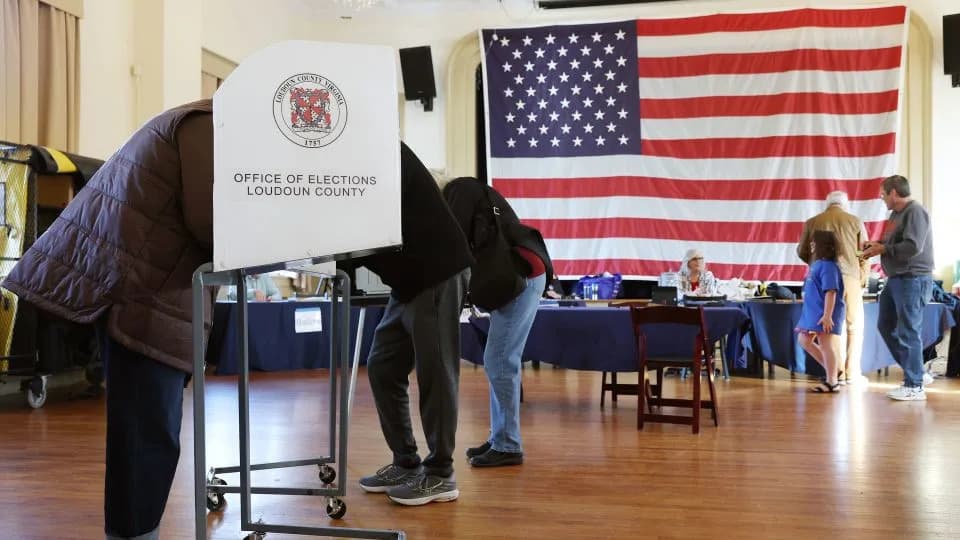
The nonpartisan Pew Research Center survey of 5,111 U.S. adults, conducted in October, found a clear split between Democrats and Republicans about whether the United States is falling behind other nations in scientific achievement. About 65% of Democrats now say the U.S. is losing ground — a 28-point rise since 2023 — while only 32% of Republicans say the same, a 12-point drop over the same period.
Trust in scientists also diverges along partisan lines: roughly 90% of Democrats reported at least a fair amount of confidence in scientists, compared with about 65% of Republicans. Pew notes these gaps have widened since the COVID-19 pandemic and reflect a broader politicization of science.
Experts Weigh In
“It’s part of a larger trend toward the politicization of science,” said Zeke Hausfather, a research scientist at Berkeley Earth, pointing to disputes over vaccines and climate policy. He added that concerns about the U.S. "falling behind" may be warranted as other nations scale up clean-energy exports.
Global Temperatures and Records
Eight international agencies — including NOAA, NASA, the EU's Copernicus service, the Japanese Meteorological Agency and China's Ministry of Science and Technology — released data showing 2025 was the third-warmest year on record, nearly tied with 2023 and trailing only 2024. Copernicus reports that the last 11 years are the 11 warmest in the modern instrumental record.
The agencies reported a global temperature anomaly of about 2.65°F above pre-industrial levels (approximately 1.47°C), placing 2025 just below the commonly cited 2.7°F (1.5°C) threshold referenced in discussions of the Paris Agreement.
U.S. Policy Shifts and Scientific Capacity
The Pew report and experts link part of the public split to recent federal policy changes. They say the current administration has reshaped federal science priorities by cutting research grants, reducing federal science and health workforces, and shifting emphasis away from climate research. Officials in recent weeks moved to dismantle or restructure a major research center, the National Center for Atmospheric Research (NCAR) in Boulder, Colorado.
Observers also note that the administration announced withdrawal from the Paris Agreement and from dozens of other international organizations and treaties, moves that critics say weaken U.S. engagement in global climate cooperation.
Impacts and International Calls for Cooperation
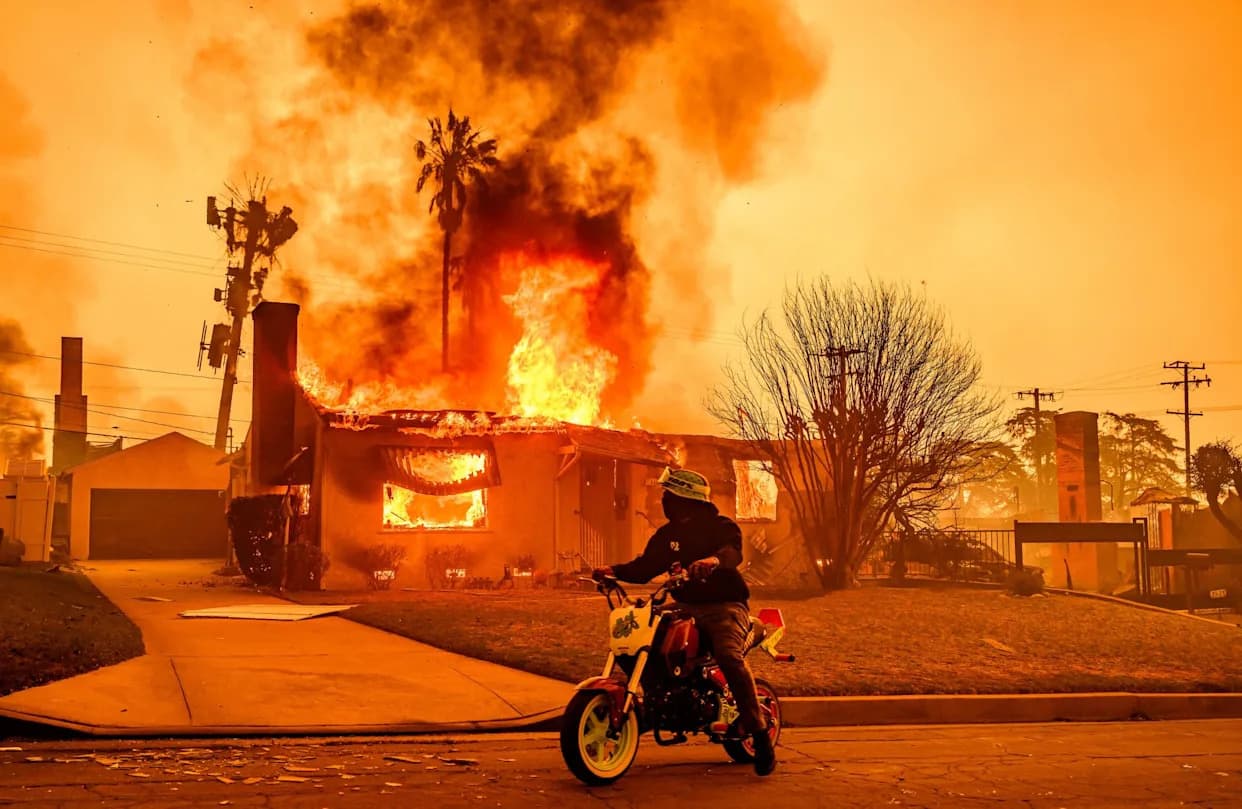
National data underscore the global trends: the contiguous United States experienced its fourth-warmest year on record. Utah and Nevada recorded their warmest years in the modern record, at roughly 4.3°F (≈2.4°C) and 3.7°F (≈2.1°C) above 20th-century averages, respectively, while California had one of its warmest years on record.
International agency leaders emphasized that collaborative, transparent data collection and global cooperation remain essential as rising temperatures increase the frequency and severity of extreme weather—heat waves, wildfires and floods.
“Collaborative and scientifically rigorous global data collection is more important than ever,” said Celeste Saulo, secretary-general of the World Meteorological Organization.
This story originally appeared in the Los Angeles Times.
Help us improve.