
Meteorologists advise factoring weather into holiday travel plans to avoid last-minute surprises. The Pacific Northwest and parts of the West Coast face the greatest near-term risk from storms and atmospheric rivers, while the Northeast has intermittent unsettled weather this week. Use trusted apps for hourly forecasts, snowfall and turbulence updates; consider delaying travel by a day if conditions warrant and allow extra time for disruptions.
Meteorologists Warn These U.S. Regions Are ‘Looking the Worst’ for Holiday Travel — Tips to Stay Safe

GettyStock photo of holiday traffic.
Holiday travel can be stressful when weather gets in the way, but a little planning and reliable forecasting can make trips much smoother. Meteorologists from The Weather Company and The Weather Channel share practical advice to help travelers avoid surprises and decide whether to fly, drive or delay their plans.
Check the Forecast Before You Go
Dr. James Belanger, Vice President of Meteorology at The Weather Company, emphasizes a simple but powerful first step: check the weather. He says many travelers focus on schedules and logistics and forget to build weather into their planning. Knowing expected conditions in advance reduces anxiety and gives you options.
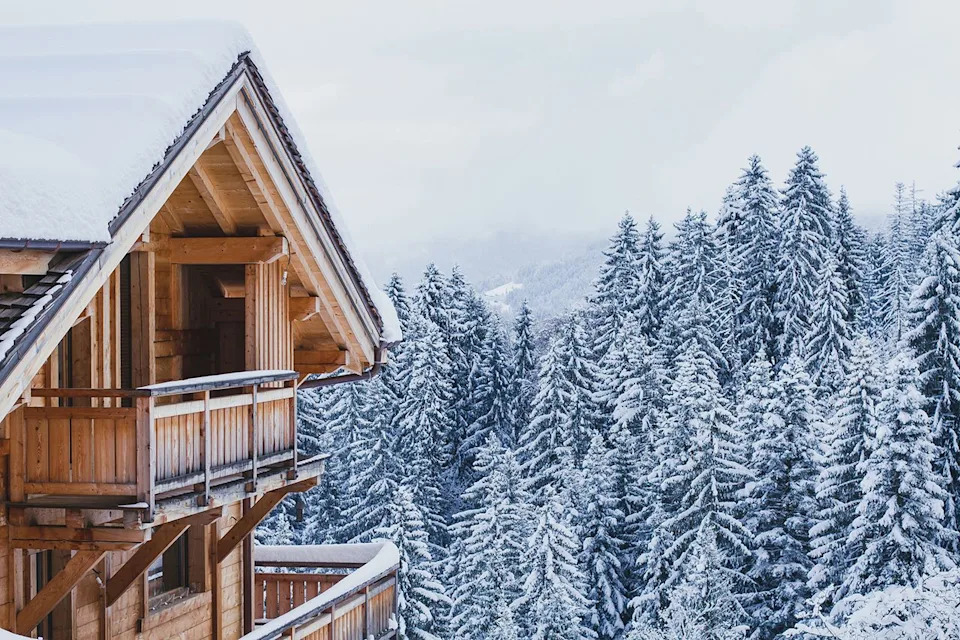
GettyStock image of winter ski rental
“Let the weather be part of the planning experience because it can help reduce some of the anxiety that you might be feeling,” Belanger says. “A proactive traveler who anticipates weather impacts is in a much stronger position than someone forced to react.”
Where Travel Looks Worst Right Now
Forecasters say the highest near-term travel risk is along the West Coast, especially the Pacific Northwest, where atmospheric river events and coastal storms are expected to bring heavy rain and high-elevation snow. The resulting flooding, winds and mountain snow can disrupt both road and air travel.
The Northeast is more variable: meteorologist Sara Tonks notes unsettled conditions are expected this week with notable windows of concern on Friday and again on Tuesday. That timing could interfere with pre-Christmas travel for many, though it may suit some post-Hanukkah plans.
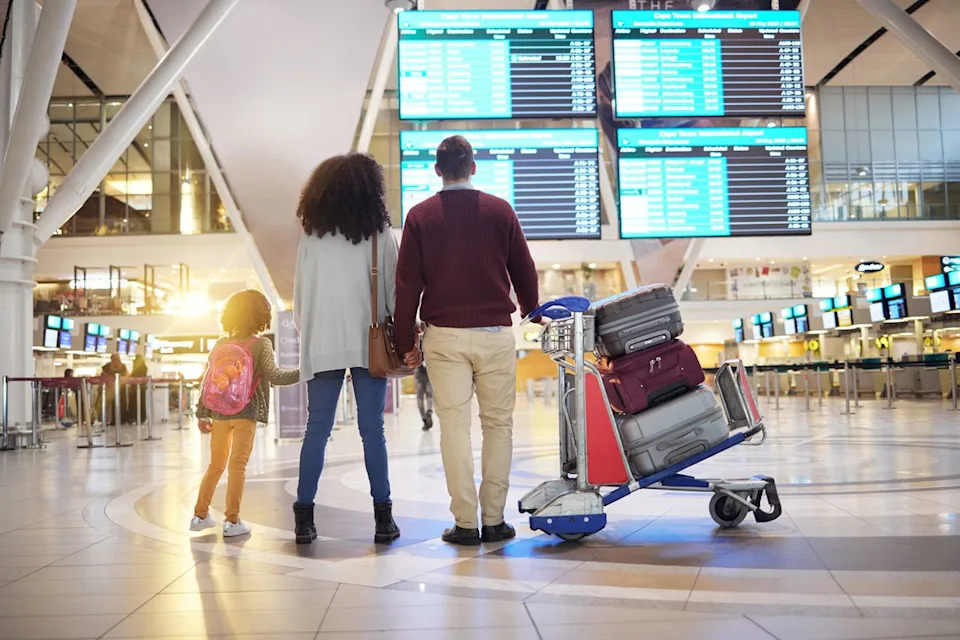
GettyStock image of a family traveling.
Practical Tips For Holiday Travelers
Both experts recommend using trusted weather apps—such as The Weather Channel app—to monitor hourly forecasts, snowfall predictions and turbulence outlooks. Those details can help you choose between flying or driving and determine whether to leave earlier or postpone by a day.
- For air travel: Check turbulence forecasts and airline status frequently. If a storm is expected along your route or at connecting hubs, consider shifting your flight to a less turbulent time or day.
- For driving: Review snowfall, road conditions and high-elevation advisories. Allow extra travel time, reduce speed in low-visibility or icy conditions, and carry an emergency kit, blankets and a charged phone.
- Be flexible: If you can shift your departure a day earlier or later, you may avoid the worst of a storm and reduce travel stress.
- Be courteous: Flight crews, airport staff and road crews are under extra pressure during storms—patience and kindness go a long way toward a better experience.
White Christmas Outlook
Tonks says a white Christmas is likely across the Northern Tier and the interior Northeast, and at high elevations in the Cascades and Rocky Mountains. While less likely, major Northeastern hubs such as New York City, Boston and Philadelphia could still see snow on Christmas Day.
In short: monitor forecasts, use travel features in reliable weather apps, weigh turbulence and snowfall risks when choosing to fly or drive, build flexibility into plans, and allow extra time so weather disruptions are easier to manage.


