Cloud seeding uses agents like silver iodide to provide the microscopic nuclei clouds need for raindrops or snowflakes to form. Dr. Peter Siska of LSU Shreveport says the technique has been in use since the 1960s and is generally regarded as low risk at operational doses. He also distinguishes harmless aircraft contrails from alleged "chemtrails," warns that industrial emissions and wildfire smoke pose greater environmental threats, and urges walking, biking and better city planning to reduce carbon emissions.
Exploring Cloud Seeding: How Scientists Try to Influence Rain and Snow
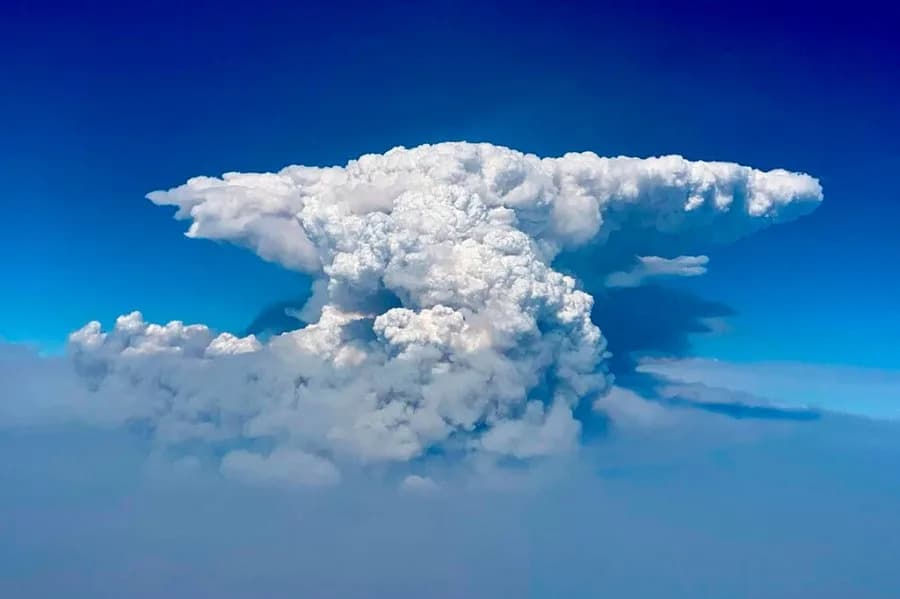
SHREVEPORT, La. — Weather modification efforts such as cloud seeding have been studied since the 1960s. While the practice has attracted conspiracy theories, many scientists view it as an established tool to modestly increase precipitation under the right conditions and to help communities manage water resources in a warming climate.
What Is Cloud Seeding?
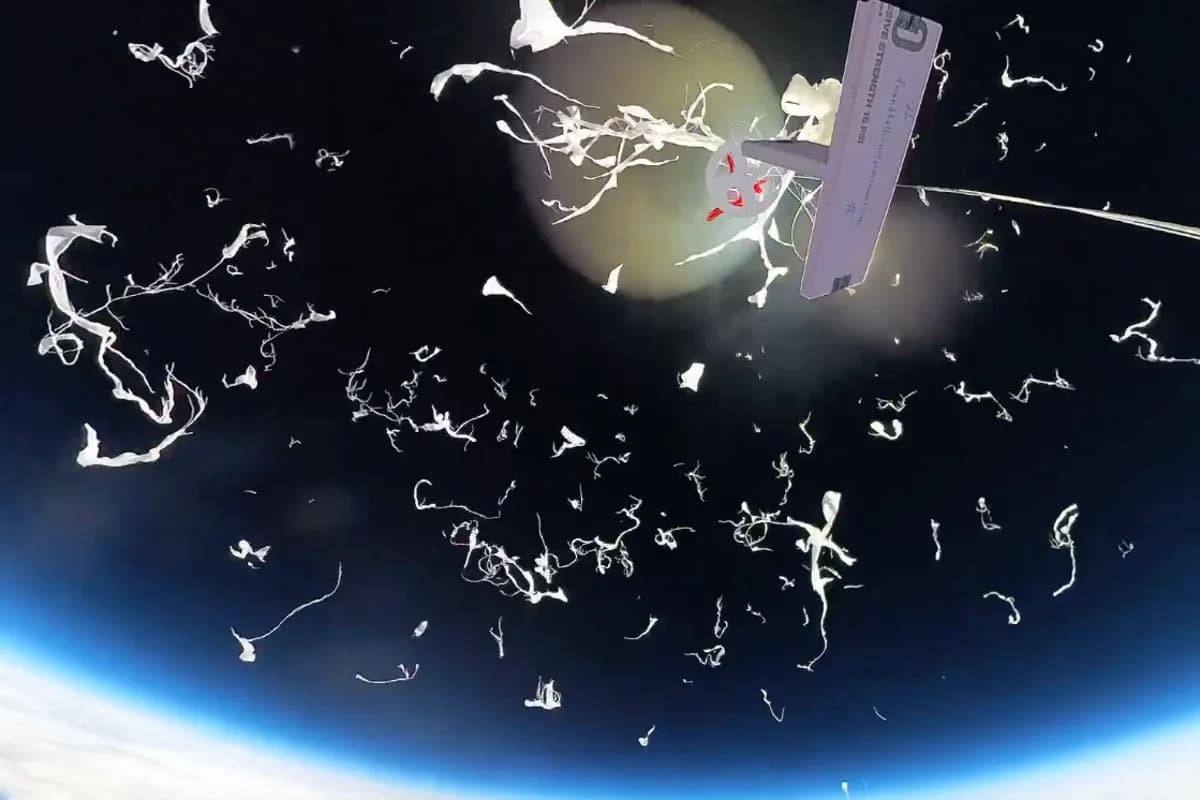
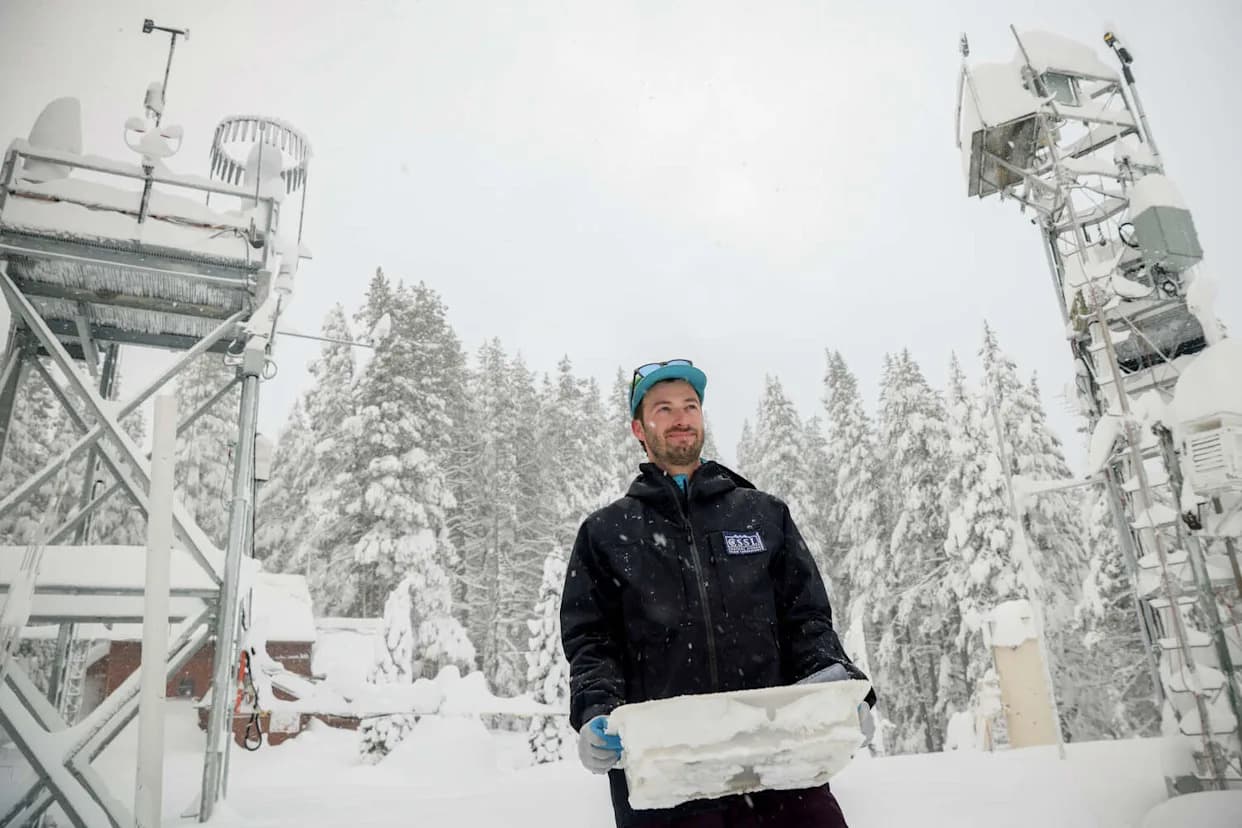
Cloud seeding is a targeted technique that introduces microscopic particles, most commonly silver iodide, into moisture-bearing clouds. Those particles act as nuclei around which water vapor can condense or freeze, allowing droplets or ice crystals to grow large enough to fall as rain or snow.
How Precipitation Forms
Dr. Peter Siska, an environmental scientist and professor at LSU Shreveport, explains that water vapor alone is not enough to produce precipitation — clouds also need tiny particles, or nuclei, such as dust, pollen or salt. He likens each nucleus to an onion, with layers of moisture accumulating until the droplet or crystal becomes heavy enough to fall.
Why Silver Iodide?
Silver iodide provides a surface for water vapor to attach to and is commonly used because it encourages ice-crystal formation in cold clouds. Dr. Siska says silver iodide is largely insoluble in water and is generally considered to pose minimal risk to human health and the environment at the concentrations used for precipitation enhancement.
"When the atmosphere lacks natural nuclei, researchers may try to influence precipitation artificially by dispersing a seeding agent into targeted cloud layers," Dr. Siska said.
Environmental Context and Risks
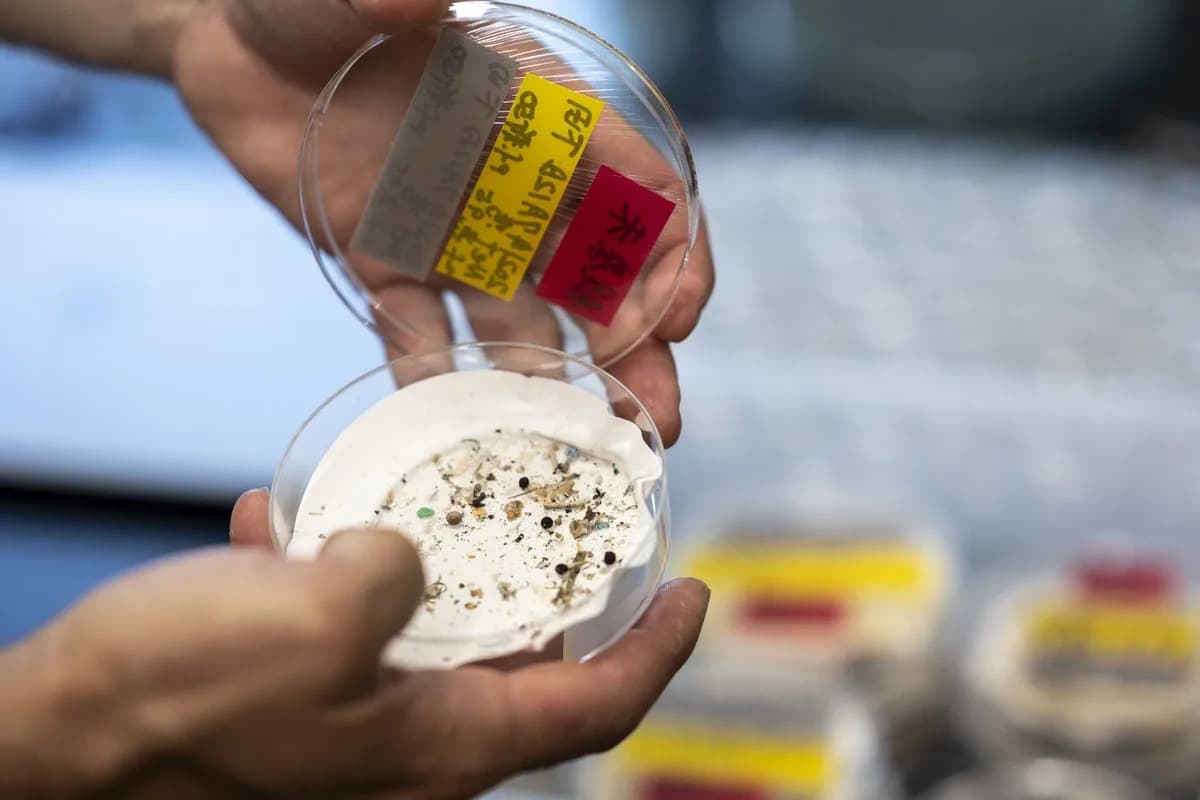
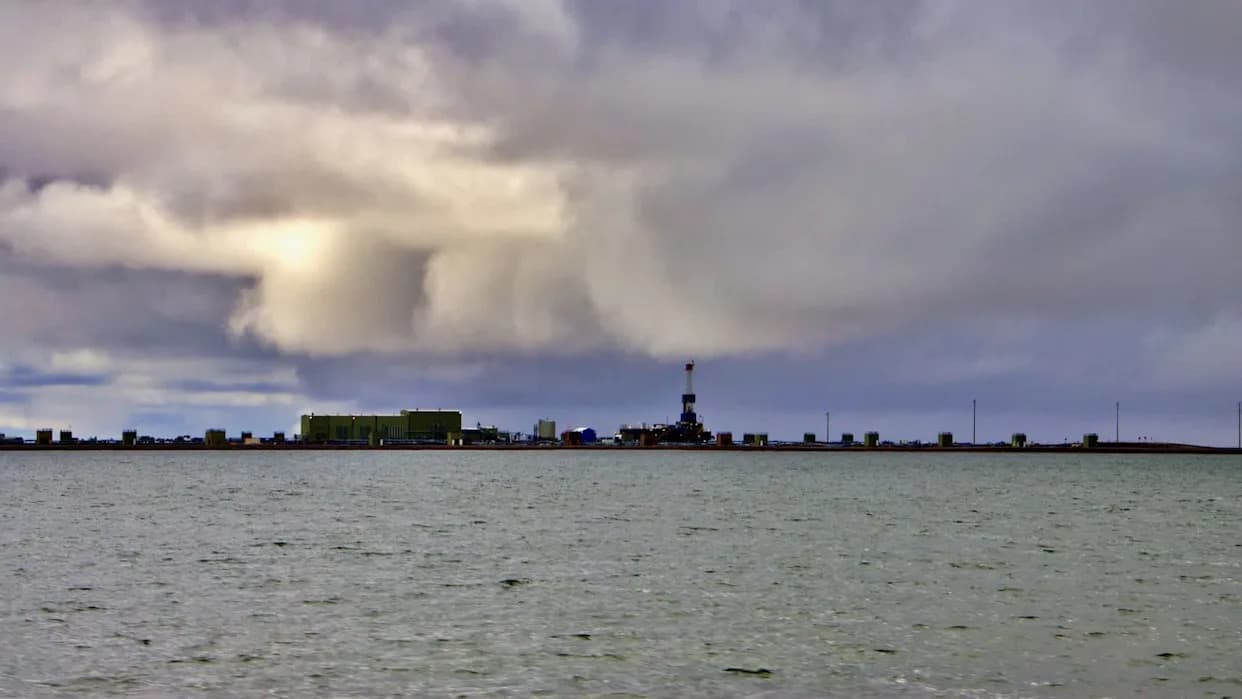
Compared with some industrial pollutants, the small amounts of silver iodide used in cloud seeding are not believed to be a major environmental threat. By contrast, sulfur compounds from industry and long-term emissions such as smoke from wildfires and refineries can increase acidity in soils and water and have caused documented harm to ecosystems, including fish populations.
Contrails vs. Chemtrails
Public confusion about aircraft exhaust fuels conspiracy theories. Dr. Siska clarifies the difference: contrails are condensation trails formed when water vapor from jet exhaust freezes at high altitude; they are not evidence of purposeful chemical spraying. However, aircraft do emit carbon dioxide and other greenhouse gases — a cumulative effect that contributes to global warming.
What You Can Do
Whether or not you accept large-scale geoengineering theories, practical steps can reduce greenhouse gas emissions. Dr. Siska recommends walking or biking for short trips and urges city planners to build more sidewalks and bike lanes. According to the Union of Concerned Scientists, cars and trucks in the U.S. emit roughly 23 pounds of carbon dioxide and other gases per gallon of gasoline consumed, so reducing driving can make a measurable difference.
Small changes in urban design and personal habits can lower emissions and also improve community health.
Copyright 2026 Nexstar Media, Inc. All rights reserved. For the latest news, weather, sports, and streaming video, visit KTALnews.com.
Help us improve.