The University of Padua and Egypt’s Supreme Council of Antiquities uncovered industrial workshops and part of a Roman-era necropolis at Kom Al-Ahmar and Kom Wasit in Beheira Governorate. Excavators identified at least six specialized rooms, including two used for fish processing (about 9,700 fish bones) and spaces for metal, stone and faience-amulet production. A nearby necropolis contained multiple burial types and 23 skeletons now under bioarchaeological study; artifacts have been moved to the Egyptian Museum in Cairo for conservation and further analysis.
Ancient Industry Revealed: Roman-Era Necropolis and Workshops Unearthed in Egypt’s Western Nile Delta
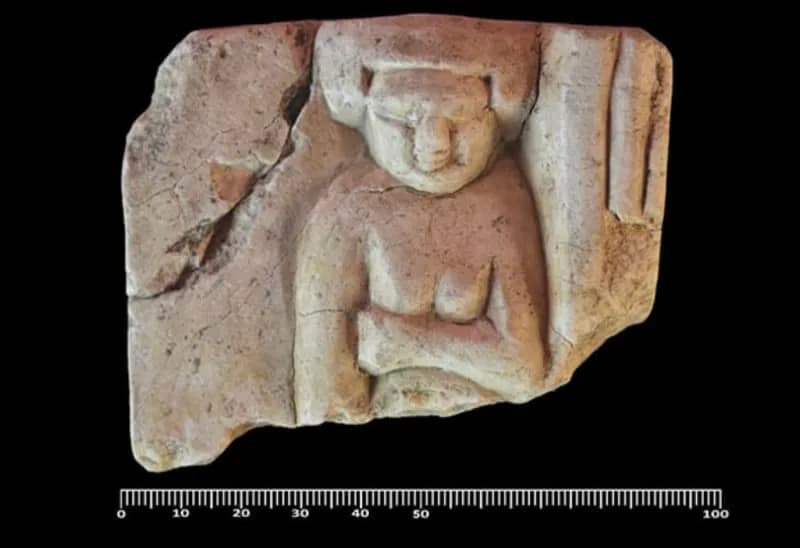
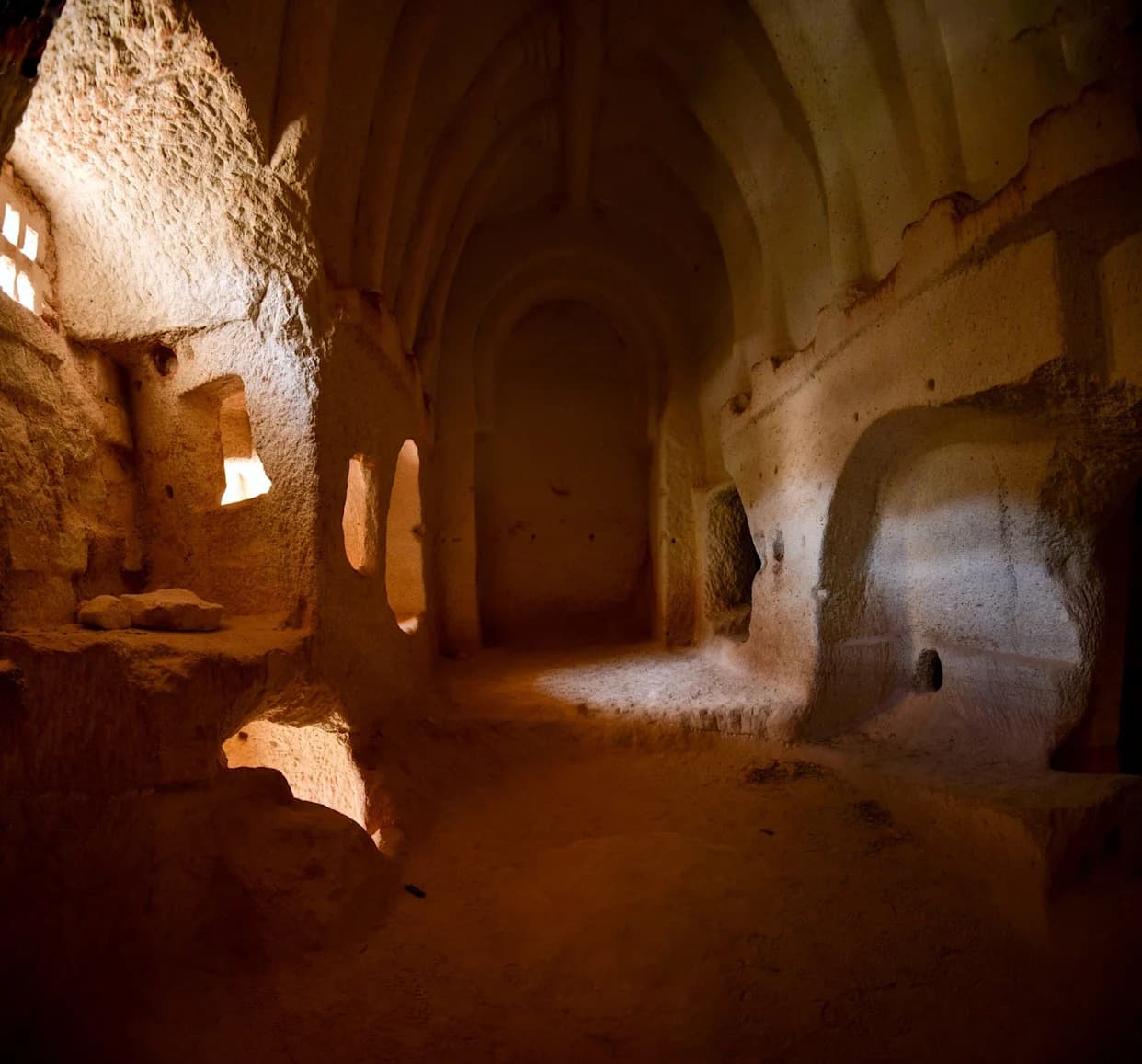
Archaeologists have uncovered a complex of ancient industrial workshops and part of a Roman-era necropolis in Egypt’s western Nile Delta. (photo credit: Egyptian Ministry of Tourism and Antiquities.)
Archaeologists from the University of Padua and Egypt’s Supreme Council of Antiquities have uncovered a substantial complex of industrial workshops and part of a Roman-period necropolis at Kom Al-Ahmar and Kom Wasit in Beheira Governorate, in Egypt’s western Nile Delta. The finds shed new light on local production, trade connections with Alexandria and the Mediterranean, and funerary practices spanning the Late Period through the Roman and early Islamic eras.
The Excavation
The joint mission exposed a large building subdivided into at least six rooms with specialized functions. Excavations recovered evidence for large-scale processing and manufacture as well as a nearby burial area associated with the settlement.
Workshops: Evidence of Active Production
Two chambers appear to have been dedicated to fish processing: archaeologists recovered approximately 9,700 fish bones, consistent with large-scale production of salted fish for local consumption and possibly for trade. Other rooms show traces of metal and stone toolmaking and facilities for producing faience amulets. Excavators also found unfinished limestone statues and objects at several stages of manufacture, indicating that carving and finishing took place on site.
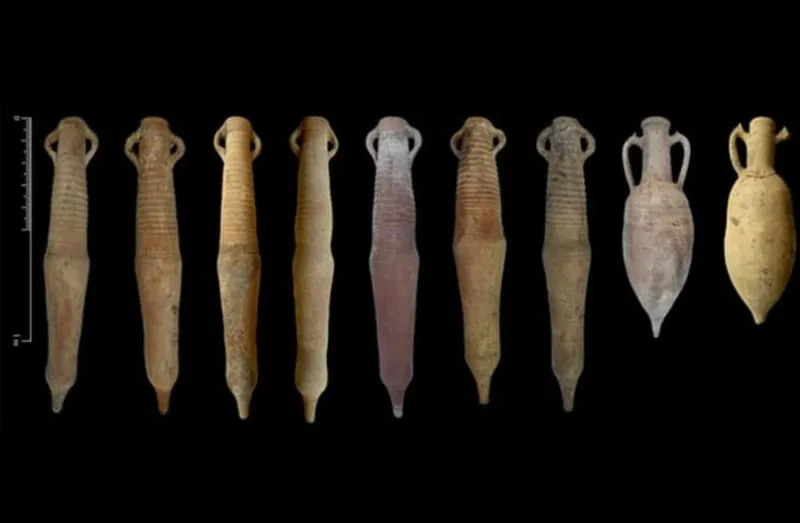
Archaeologists have uncovered a complex of ancient industrial workshops and part of a Roman-era necropolis in Egypt’s western Nile Delta. (credit: Egyptian Ministry of Tourism and Antiquities.)
Imported amphorae and fragments of Greek pottery—some sherds datable to as early as the fifth century BCE—point to long-standing exchange networks linked to nearby Alexandria and broader Mediterranean commerce.
Necropolis: Burial Types and Human Remains
Adjacent to the industrial area, the team exposed part of a Roman-era necropolis containing a variety of burial types: simple in-ground interments, burials in pottery coffins, and child burials placed inside large amphorae. The remains of 23 individuals have been recovered and are undergoing bioarchaeological analysis to determine diet, age, biological sex and health status.
Preliminary results indicate comparatively good living conditions for the community with no clear evidence of widespread violent trauma or severe disease. Notable grave goods include dozens of intact amphorae and a pair of gold earrings believed to have belonged to a young girl. All artifacts and human remains have been transferred to the Egyptian Museum in Cairo for conservation and further study.
Significance and Next Steps
Mohamed Ismail Khaled, Secretary-General of the Supreme Council of Antiquities, said the discoveries deepen understanding of daily life and human activity across the western Delta and inland areas around Alexandria. Cristina Mondin, head of the University of Padua mission, noted that ongoing laboratory analyses will refine dating and clarify the community’s demographic and economic profile.
Together, the workshops and necropolis highlight the western Nile Delta’s role as a production hub and a node in Mediterranean exchange networks from the Late Period through the Roman era and into early Islamic times. Continued study of the finds will help reconstruct regional patterns of production, consumption and mobility.
Help us improve.