Researchers analyzing data from about 5,000 autistic children identified four observable subgroups that align with distinct genetic signatures and differ by age of symptom onset and later mental-health associations. The groups range from a later-diagnosed social/behavioral cluster (typically diagnosed at 6–8 years, ~37%) to a broadly affected group (~10%) with persistent developmental delays. An independent Nature study supported links between age of diagnosis and differing life trajectories. The findings suggest the term "autism" describes multiple related developmental phenomena, with implications for personalized care and research.
New Study Identifies Four Autism Subtypes Linked to Age of Symptom Onset and Genetics
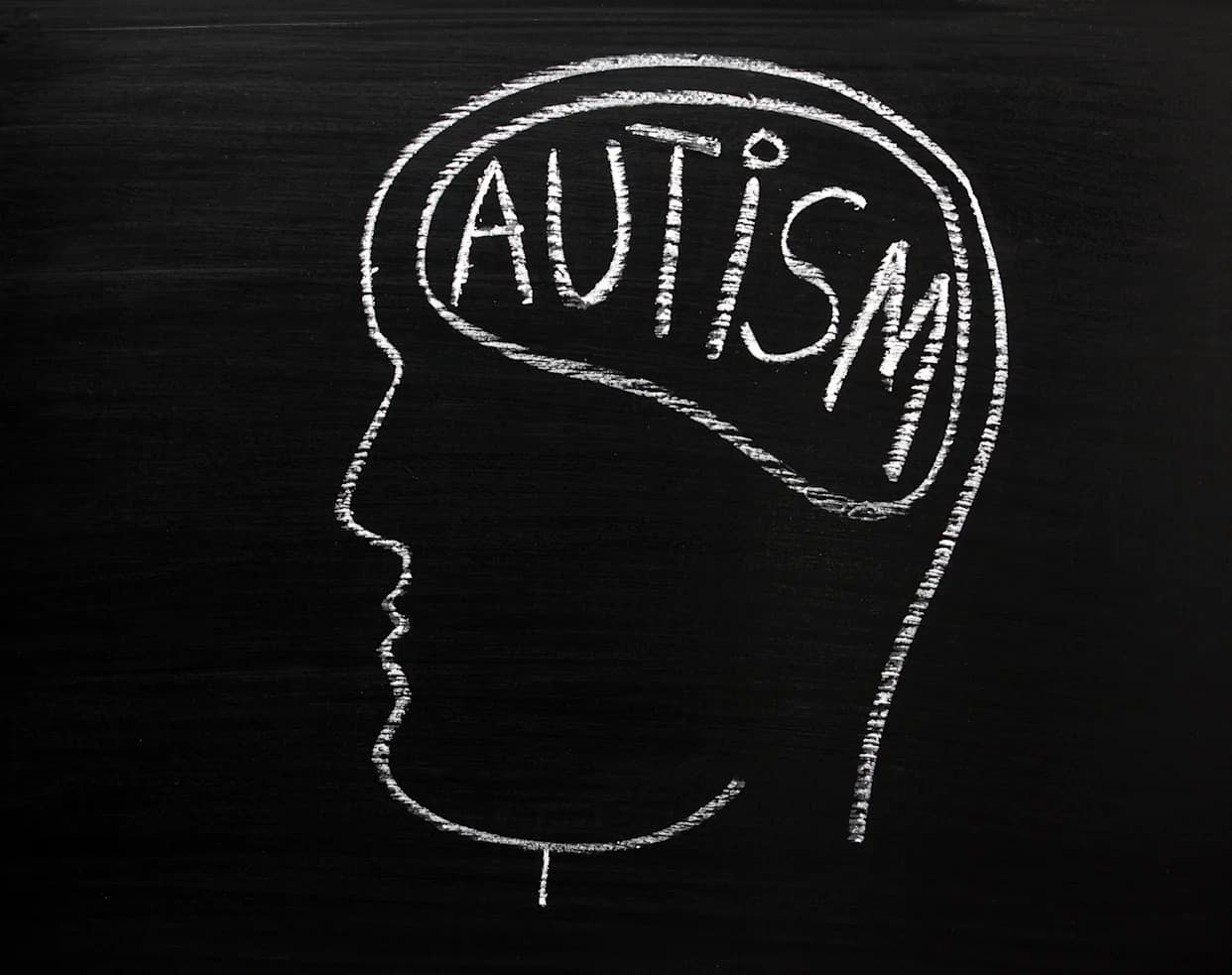
New research suggests that the age when autism symptoms first appear can help predict distinct behavioral profiles and underlying genetic signatures. Researchers analyzing clinical and genetic data from roughly 5,000 autistic children identified four reproducible subgroups that differ in developmental timing, associated mental-health conditions and genetic markers.
"Unraveling the complexity of autism is a particularly challenging yet critical task for supporting the needs of autistic individuals and understanding the biology, inheritance, trajectory and phenotypes of the many forms of the condition," the authors wrote in a July study published in Nature Genetics.
Context: The World Health Organization estimates that autism affects about 1 in 100 people worldwide. Autism is characterized by differences in social interaction and communication, restricted and repetitive behaviors, and variable sensory responses. Functional abilities and support needs vary widely — some autistic people live independently while others need lifelong support.
Study Approach: The research team used data from a Simons Foundation–managed database of approximately 5,000 autistic children, combining measurable traits, clinical presentations and genetic information to search for natural clusters of presentation and corresponding genetic signals.
Four Observable Subgroups
1. Social/Behavioral Group (≈37%)
Children in this cluster generally met early developmental milestones on time but developed additional challenges later, including attention-deficit/hyperactivity disorder (ADHD) and depression. They were more likely to be diagnosed later in childhood, typically between 6 and 8 years.
2. Moderate Challenges Group (≈33%)
This group showed milder social-communication differences and repetitive behaviors, without significant delays in motor or early language milestones such as walking and first words. Cognitive and adaptive skills were less impaired on average than in more affected groups.
3. Mixed Spectrum With Developmental Delays (≈20%)
Children in this cluster showed early delays in key milestones (motor and/or speech) but comparatively few signs of anxiety, depression or disruptive behaviors. The intensity of social differences and repetitive behaviors varied across individuals in this subgroup.
4. Broadly Affected Group (≈10%)
The smallest cluster displayed the most pronounced difficulties: persistent developmental delays, substantial challenges in communication and social interaction, and more pervasive repetitive behaviors.
Independent Support: An October paper in Nature reported complementary findings, linking age at diagnosis to differing developmental trajectories and mental-health correlations. Together, these studies strengthen the idea that the umbrella term "autism" encompasses multiple related but distinct developmental phenomena.
Implications
Identifying subgroups that combine observable traits with genetic signals may improve early prediction of needs, guide personalized interventions, and sharpen research into biological causes. The authors caution that these clusters are probabilistic, not definitive labels — individuals vary, and diagnostic and support decisions must remain personalized.
Note on Language and Accuracy: The study refines understanding of heterogeneity within autism but does not change that autism is a spectrum. Prevalence estimates, diagnosis timing and group proportions are based on the sampled cohort and may vary across populations.
Help us improve.