Researchers identified three Neanderthal-derived variants of the SCN9A gene that increase sensitivity to skin pricks after mustard-oil sensitisation, without affecting heat or pressure pain. The effect is strongest in people who carry all three variants. These variants are uncommon in Europeans but more frequent in populations with higher Native American ancestry. The study, published in Communications Biology, builds on earlier work linking SCN9A to pain and raises questions about possible evolutionary benefits.
Study Finds Neanderthal Gene Variants Increase Sensitivity To Skin Pricks In Some People
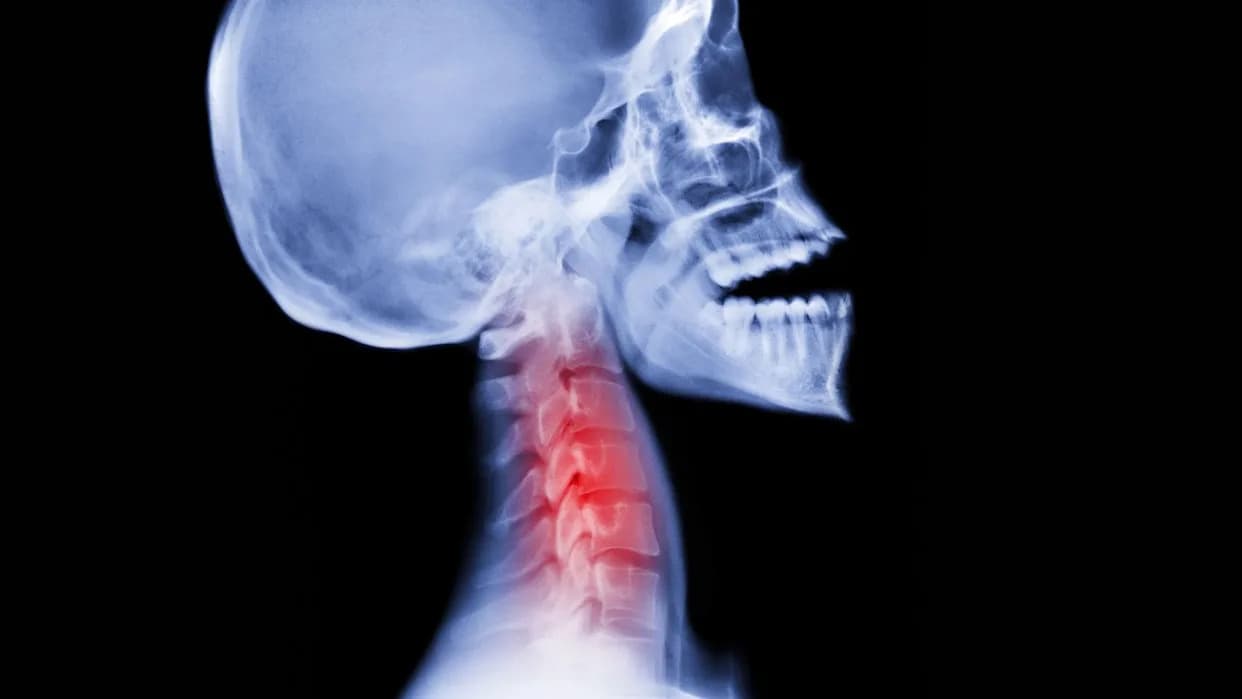
Neanderthal DNA Shapes Our SensitivityPeter Dazeley - Getty Images
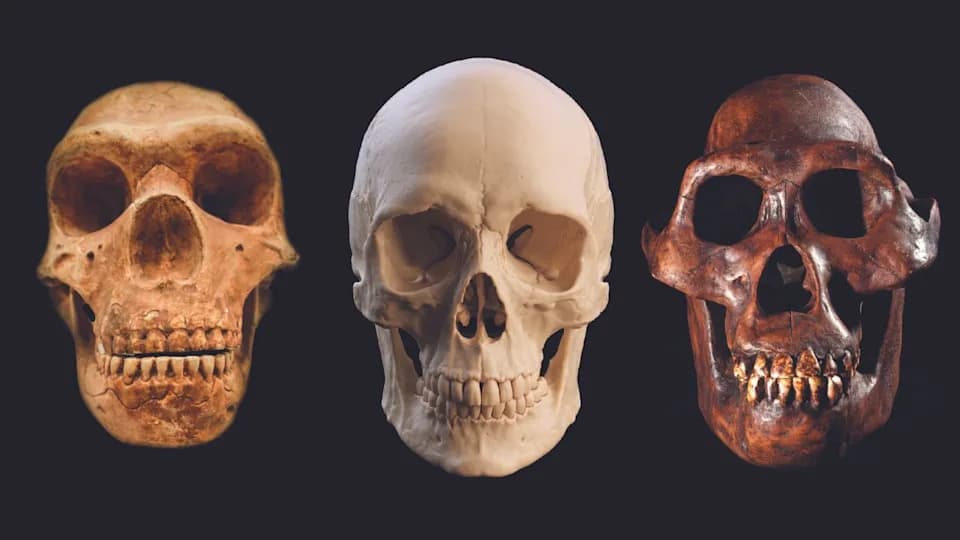
A new genetic study links low thresholds for a specific kind of pain — the sharp, poke-like pain from skin pricks — to DNA inherited from Neanderthals. Published in Communications Biology, the research identifies three variants of the SCN9A gene that together increase prick-induced pain after the skin is sensitised with mustard oil.
What the study examined
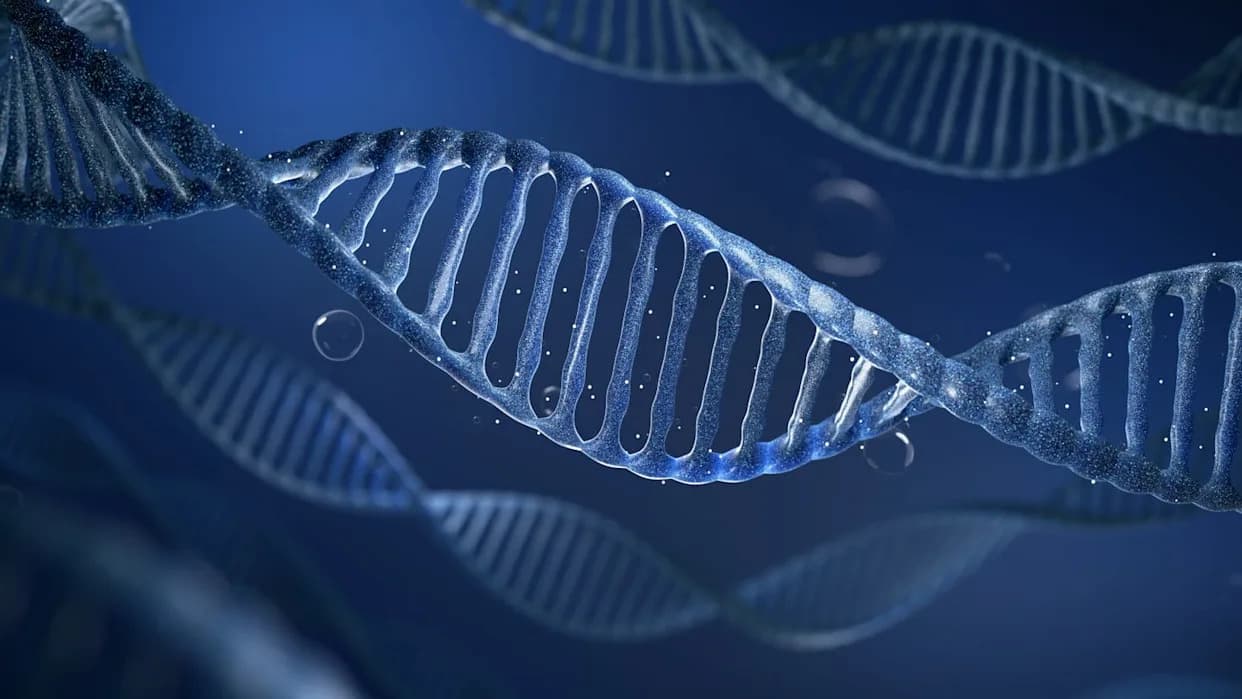
Researchers in Europe analysed three Neanderthal-derived variants in the SCN9A gene, which encodes the Nav1.7 sodium channel important for nerve-cell signalling and for alerting the nervous system to tissue damage. Using a standard sensitisation protocol (mustard-oil application) and controlled pain tests, they measured responses to skin pricks, heat and pressure.
Key findings
The team found that people carrying all three Neanderthal-linked SCN9A variants had a lower pain threshold for prick-induced sensations after mustard-oil sensitisation, compared with those carrying fewer or none of the variants. These variants were not associated with altered tolerance for heat- or pressure-induced pain, indicating a modality-specific effect. Carrying all three variants produced a stronger effect than carrying just one.
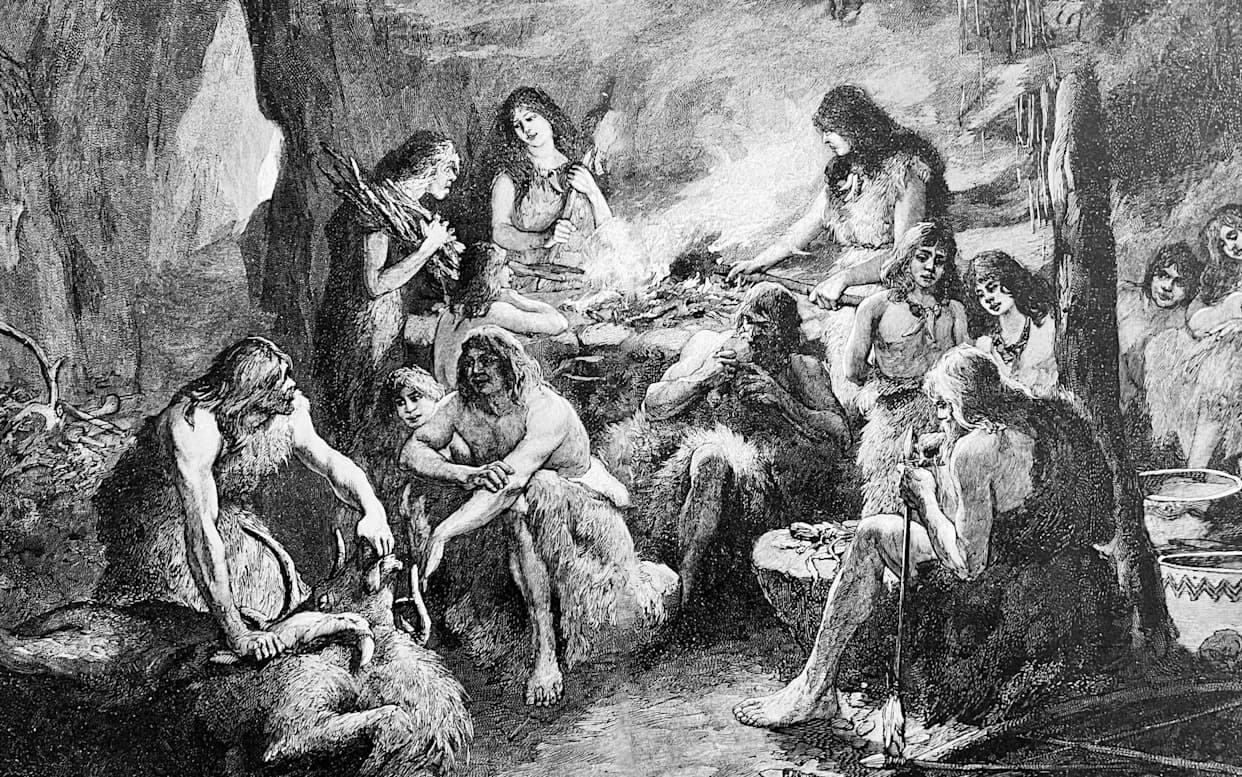
“We have been learning more and more about what we have inherited from [Neanderthals] as a result of interbreeding tens of thousands of years ago,” said Kaustubh Adhikari (University College London). Pierre Faux (Aix-Marseille University / University of Toulouse), the study's lead author, added: “We have shown how variation in our genetic code can alter how we perceive pain, including genes that modern humans acquired from the Neanderthals.”
How this builds on past work
Earlier research (2020) by groups at the Max Planck Institute for Evolutionary Anthropology and the Karolinska Institutet highlighted SCN9A as a key player in pain pathways and suggested Neanderthals may have been relatively more pain-sensitive. The current study refines that idea by exploring which pain modalities are affected and proposing a mechanism: more easily sensitised sensory neurons that amplify responses to sharp mechanical stimuli (pricks).
Population distribution and open questions
The researchers report that the three variants are largely absent in Europeans but are more common in populations with higher proportions of Native American ancestry and in many Latin American groups. The authors suggest historical population bottlenecks during the initial peopling of the Americas helped shape this distribution. It remains unclear whether the increased sensitivity conferred any evolutionary advantage, or whether it persists simply as a genetic legacy without adaptive benefit.
Implications
The findings deepen our understanding of how archaic introgression affects human biology and could inform future research into pain mechanisms, personalised medicine and the evolutionary history of sensory perception. The authors emphasize that more work is needed to uncover the cellular basis of the effect and its possible consequences for health and behaviour.
Help us improve.