The MSRB3 gene, previously linked to human hearing, is associated with ear length in dogs based on a genomic study of more than 3,000 dogs, wolves and coyotes. Researchers identified DNA variants near MSRB3 that may increase the gene's activity and promote ear-cell proliferation, producing longer ears. The study focused on small DNA changes but notes that larger structural variants could also play a role. The team plans breed-specific follow-up work, starting with golden retrievers.
Why Some Dogs Have Floppy Ears: Study Links MSRB3 Gene to Ear Length

A gene already known for its role in human hearing may also help determine whether a dog’s ears hang down like a basset hound’s or stay short and erect like a rottweiler’s, according to a broad genomic analysis of more than 3,000 canines.
Key Finding
Researchers traced variation in ear length to DNA variants located near the MSRB3 gene. The work, presented on 11 January at the Plant and Animal Genome Conference in San Diego and published in Scientific Reports in December, analyzed genomes from more than 3,000 dogs, wolves and coyotes.
How the Study Began
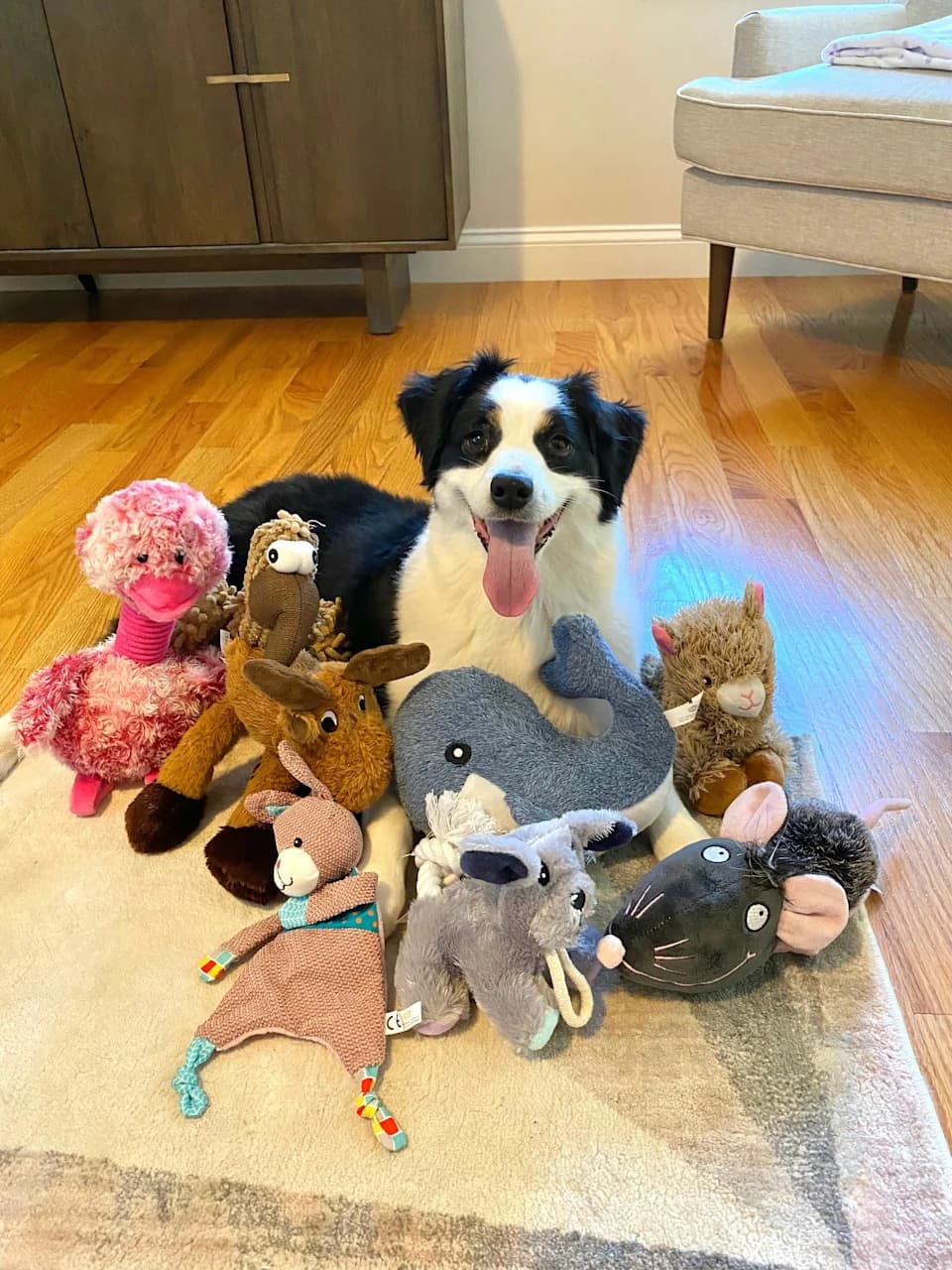
The project was inspired by Cobain, a sociable nine-year-old American cocker spaniel whose long, floppy ears sparked a simple question from undergraduate student Anna Ramey at the University of Georgia: why do some dogs have such long ears? That curiosity grew into a large-scale search for genetic variants associated specifically with ear length rather than ear carriage (floppy vs. erect).
What the Scientists Found
The analysis pointed to variants near MSRB3, a gene that encodes an antioxidant protein. MSRB3 has been implicated in ear size in other livestock species such as pigs, sheep and goats, and some MSRB3 mutations are known to cause hearing loss in people. The team hypothesizes that the variants they identified could increase MSRB3 activity during development, boosting proliferation of ear cells and producing longer ears.
'People have studied ear carriage before — like pointy, erect ears versus floppy, dropped ears — but no one had looked specifically at ear length in dogs,' said Tori Rudolph, a geneticist involved in the work.
Other Genetic Factors and Next Steps
The study concentrated on small, single-letter DNA changes (single nucleotide variants), but the authors note that larger structural variants — such as deletions or duplications of genomic regions — could also influence ear shape and size. Claire Wade, an animal geneticist at the University of Sydney, emphasized that multiple types of genetic variation might contribute to the diversity of ear forms across breeds.
After surveying many breeds, the team plans to follow up within a single breed. Golden retrievers, which show a wide range of ear lengths even within the breed, are a top candidate for a deeper, breed-specific study.
Why It Matters
Understanding genetic drivers of physical traits like ear length helps illuminate how natural selection and human-directed breeding shape animal morphology. It also highlights genes with roles in both development and sensory function, offering insights that could be relevant across species.
This article was first published on January 13, 2026, and is reproduced with permission.
Help us improve.