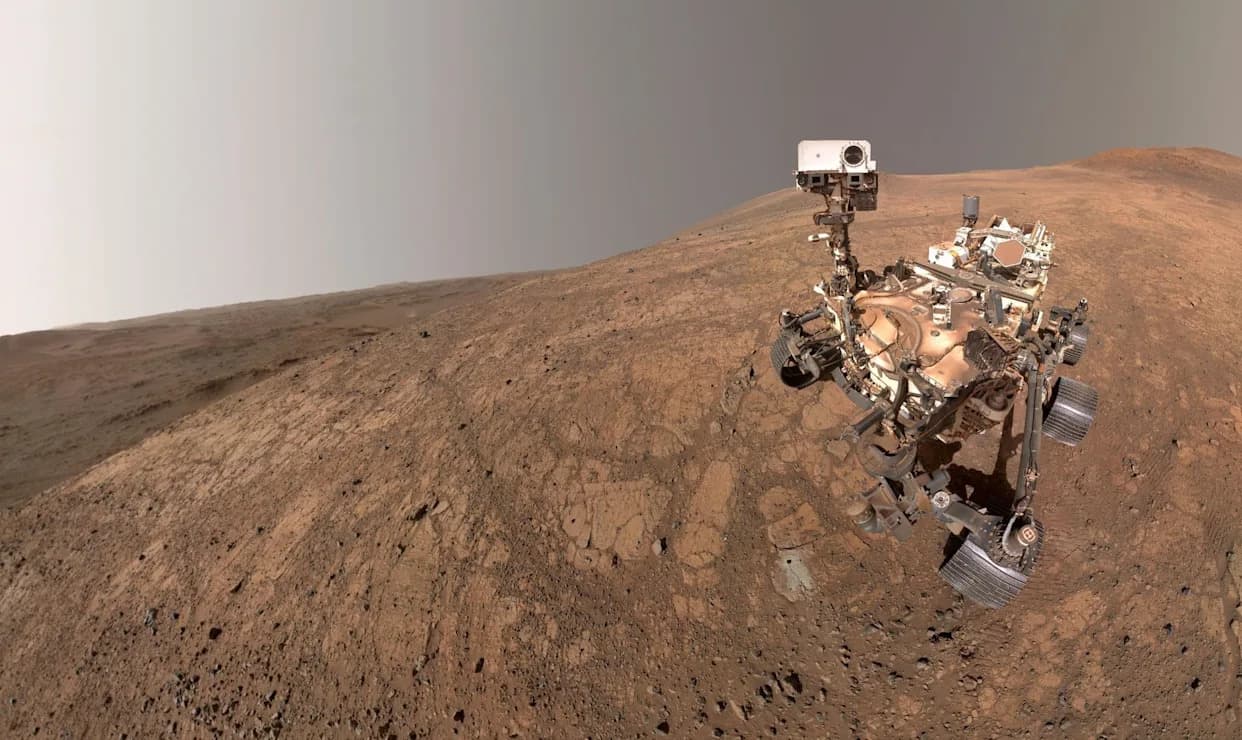
NASA reports the Perseverance rover, which landed on Mars on February 18, 2021, remains in excellent condition and will continue exploring for years to come. The rover is being directed to the Lac de Charmes region to collect more rock samples and compare them with specimens from Jezero Crater and the Margin Unit. Ground tests suggest Perseverance can operate for at least five more years, with roughly 37 miles of wheel-drive life left; it has already driven about 25 miles, about 90% of that autonomously. Teams refined sampling methods using Earth analogs after finding many Martian rocks are crumbly, improving the rover's ability to retrieve fragile specimens.
NASA: Perseverance Rover Headed to Lac de Charmes — Mission Expected to Continue for Years
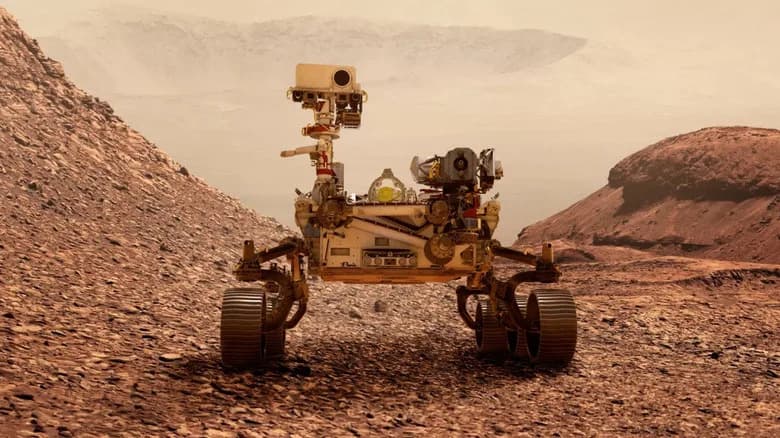
Rendering of the Perseverance rover on Mars, furnished by NASA - Triff/Shutterstock
Since touching down on Mars on February 18, 2021, NASA's Perseverance rover has remained an active and productive explorer of the Red Planet. After five years of fieldwork in and around Jezero Crater, the mission team is directing Perseverance toward a new target, the region called Lac de Charmes, to collect additional rock samples and continue geological comparisons across sites.
"The rover is in excellent shape," said Steve Lee, Perseverance deputy project manager at NASA's Jet Propulsion Laboratory, adding that its "systems [are] fully capable of supporting a very long-term mission to extensively explore this fascinating [Lac de Charmes] region of Mars."
Next Science Campaign: Lac de Charmes
Perseverance's upcoming campaign aims to gather fresh samples from Lac de Charmes so scientists can compare them with specimens taken from Jezero Crater and the Margin Unit. Teams believe at least one previously collected sample shows signs consistent with past microbial activity; collecting rocks from different terrains will help researchers test that hypothesis and build a broader picture of ancient Martian environments.
What the Rover Sees and How It Drives
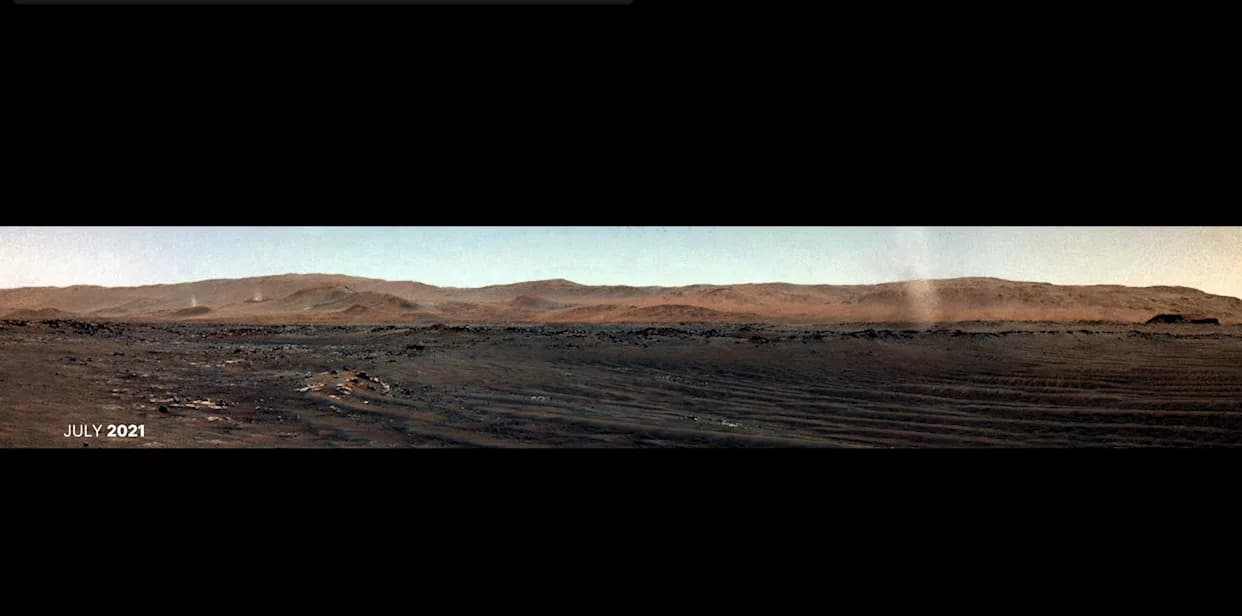
Perseverance's navigation cameras deliver higher-resolution terrain imagery than earlier rovers, enabling finer visual inspection of surface details. In 2022 the cameras captured a shiny object on the plain that investigators later identified as debris from the landing system — a small but vivid demonstration of the mission's visual precision.
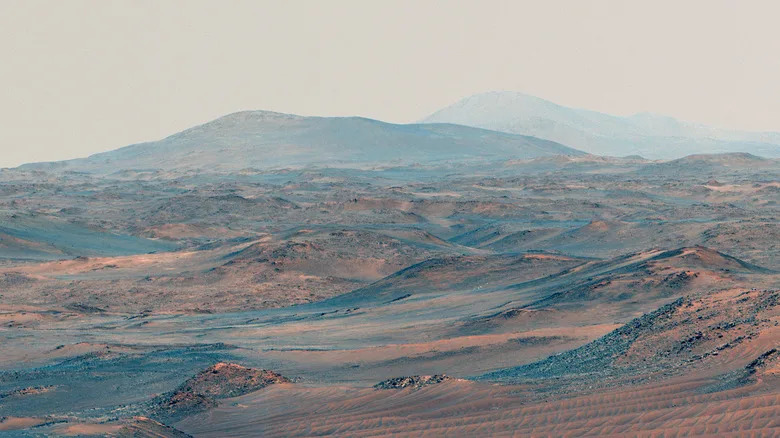
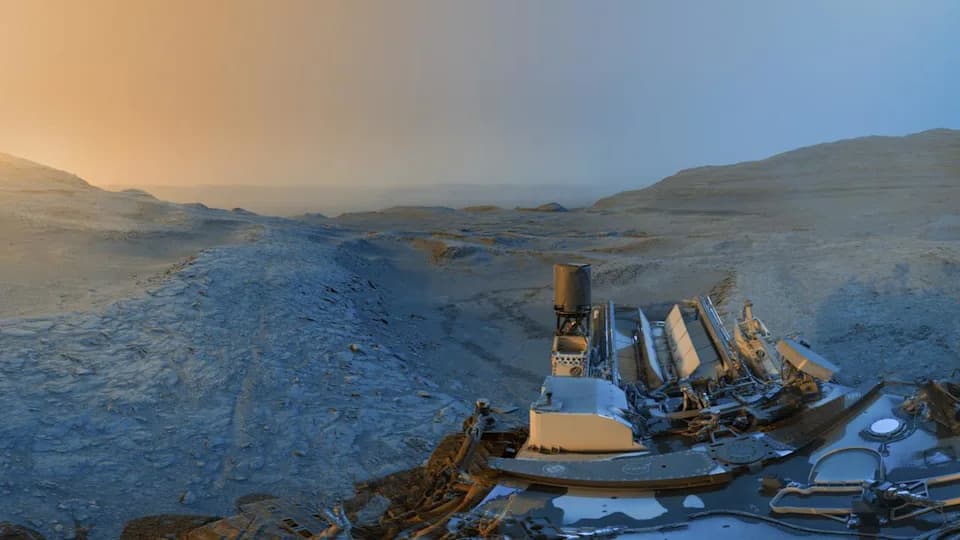
A rendering of Lac de Charmes, the region where Perseverance is headed in 2026 - NASA/JPL-Caltech/ASU/MSSS
The rover has driven roughly 25 miles during its first five years, achieving much of that distance faster than earlier missions thanks to advanced autonomous driving software. NASA reports that about 90% of Perseverance's total driving distance so far has been completed autonomously: the rover detects upcoming obstacles and adjusts its route without real-time human input.
Durability and Sample-Collection Improvements
Engineers are continuously monitoring Perseverance's hardware to understand how components age in the Martian environment. Ground-based tests of the rover's key systems indicate it should remain operable for at least another five years. The motors that drive the wheels are estimated to have about 37 miles of travel life remaining.
Mission teams also adapted the rover's sampling techniques after discovering many Martian rocks are more crumbly than expected, likely due to past exposure to water. To refine drilling motions and pressures, engineers tested against analogous, brittle rocks in the Californian wilderness. Those Earth-based trials helped Perseverance retrieve fragile samples and will inform improved sampling systems for future missions.
Why This Matters
Extending Perseverance's productive life and expanding its sampling campaign increases the chances of finding compelling biosignatures or clearer evidence of past habitable conditions on Mars. The combination of long-lived hardware, autonomous driving, and evolving sampling techniques makes this mission a valuable stepping-stone for both scientific discovery and future robotic exploration.
Help us improve.