NASA has certified that Perseverance's drive actuators can support at least another 37 miles of travel, based on tests of ground duplicates and onboard telemetry. The rover has driven about 25 miles so far and is heading to the new sampling site Lac de Charmes. Subsystem reviews indicate normal operations could continue through at least 2031, and samples from Jezero Crater are being cached for potential future retrieval and return to Earth.
NASA Certifies Perseverance Rover Can Keep Roaming Mars for Years — Nearly 40 More Miles Certified

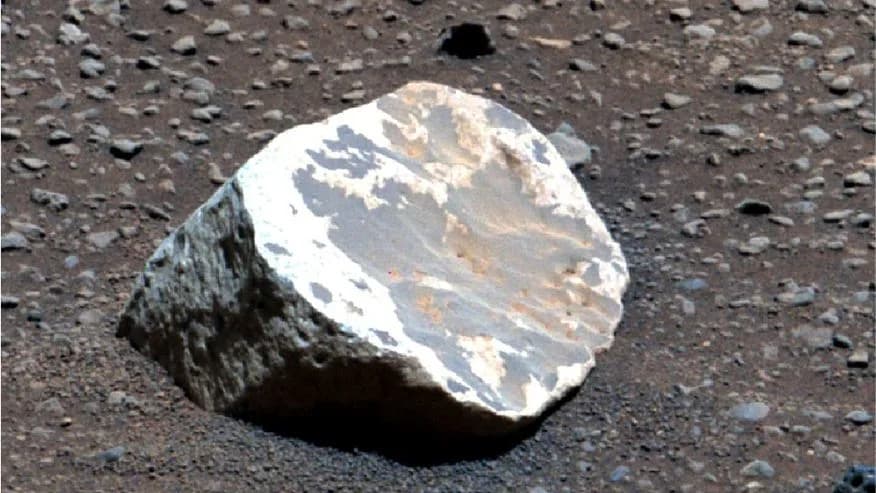
(Credit: NASA)
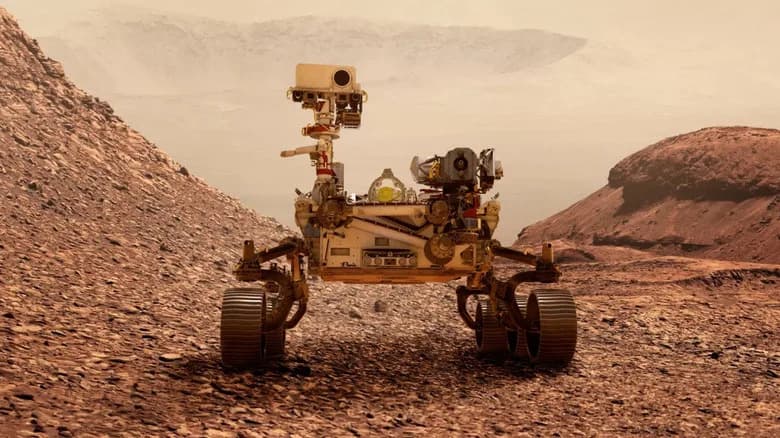
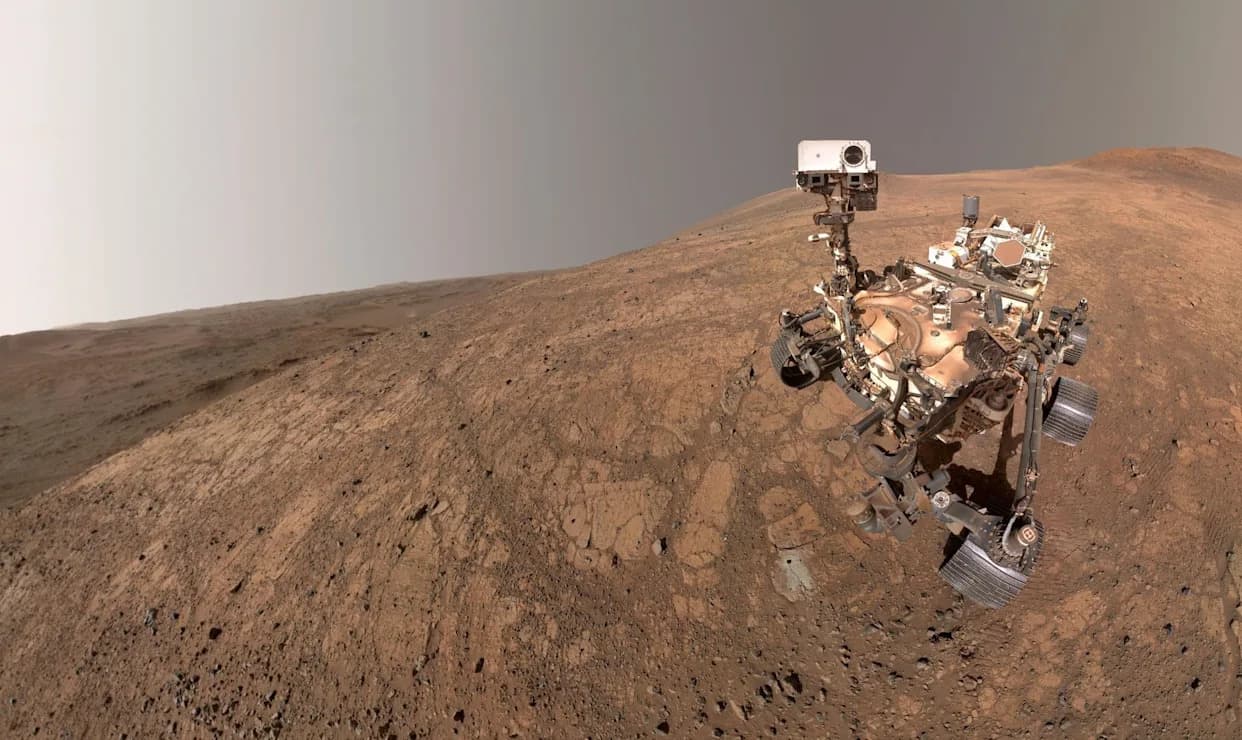
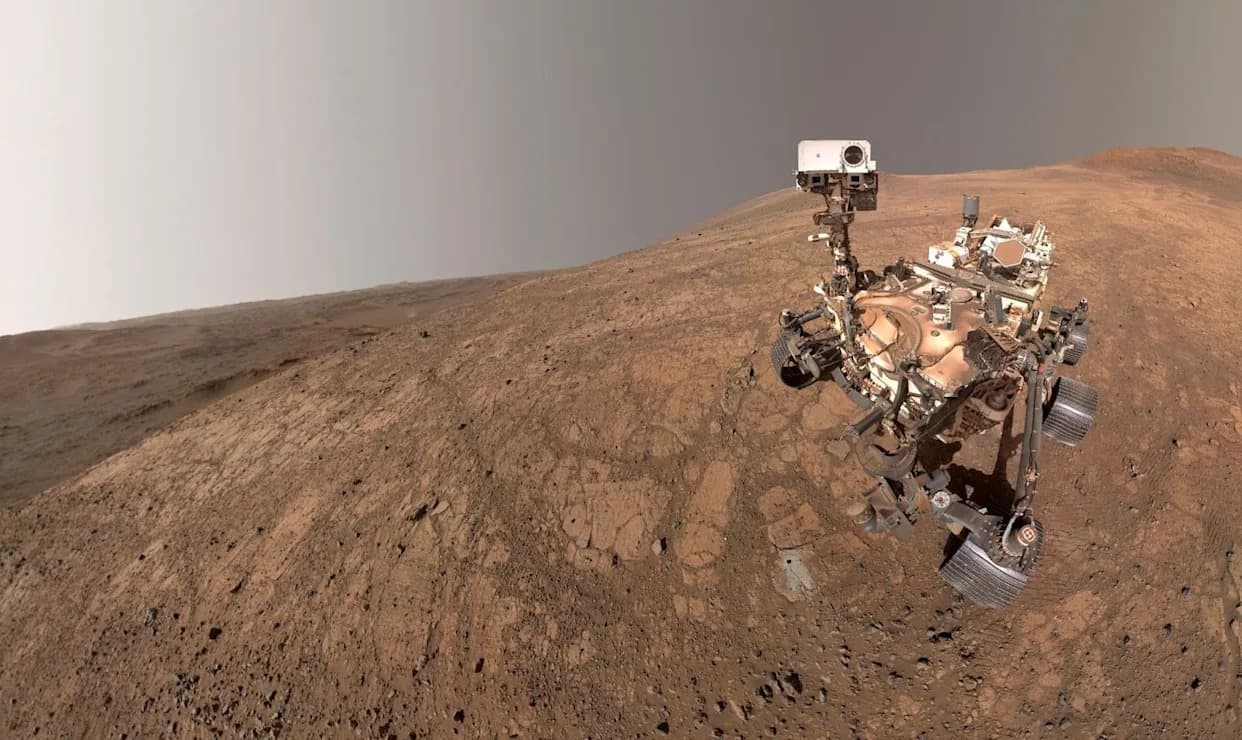
NASA's Perseverance rover, which landed on Mars in 2021, has been cleared to continue exploring the Red Planet for many more miles and years. To date the rover has driven about 25 miles (roughly 40 kilometers), and engineers now estimate its drive motor actuators can reliably support at least another 37 miles of travel based on ongoing testing.
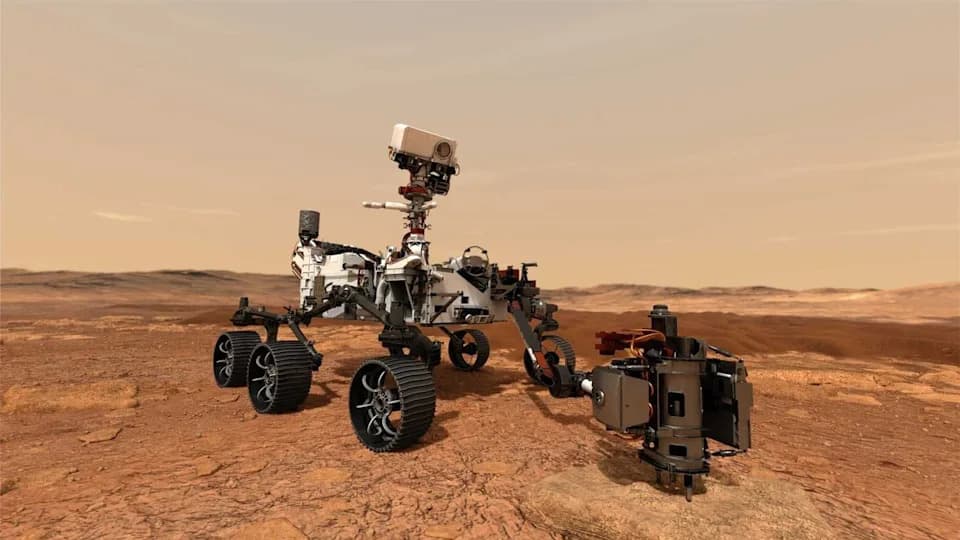
To predict long-term wear, engineers operate full-scale duplicate rovers on Earth and subject them to accelerated environmental and mechanical tests that mimic Martian conditions. Those ground tests, together with analysis of the rover's in-flight telemetry, led NASA to certify the drive actuators for nearly 40 additional miles. Reviews of the rover's other subsystems suggest Perseverance can likely continue normal operations through at least 2031, keeping open many more scientific objectives.
These tests show the rover is in excellent shape, said Steve Lee, Perseverance’s deputy project manager. All the systems are fully capable of supporting a very long-term mission to extensively explore this fascinating region of Mars.
Perseverance is currently en route to a new sampling site called Lac de Charmes. Earlier work in Jezero Crater produced multiple rock and soil samples, including one that prompted scientific discussion about whether it might preserve evidence of ancient microbial life. All collected material is being cached and preserved so future missions can retrieve samples for in-depth laboratory study on Earth.
With robust hardware and careful ground-based testing supporting the outlook, the rover still has significant scientific mileage ahead. Whether humans or Perseverance finish exploring Mars first remains a lighthearted question — engineers currently consider the rover's retirement more likely before humans set foot on Mars, but the mission's extended life could still deliver major discoveries.
Help us improve.