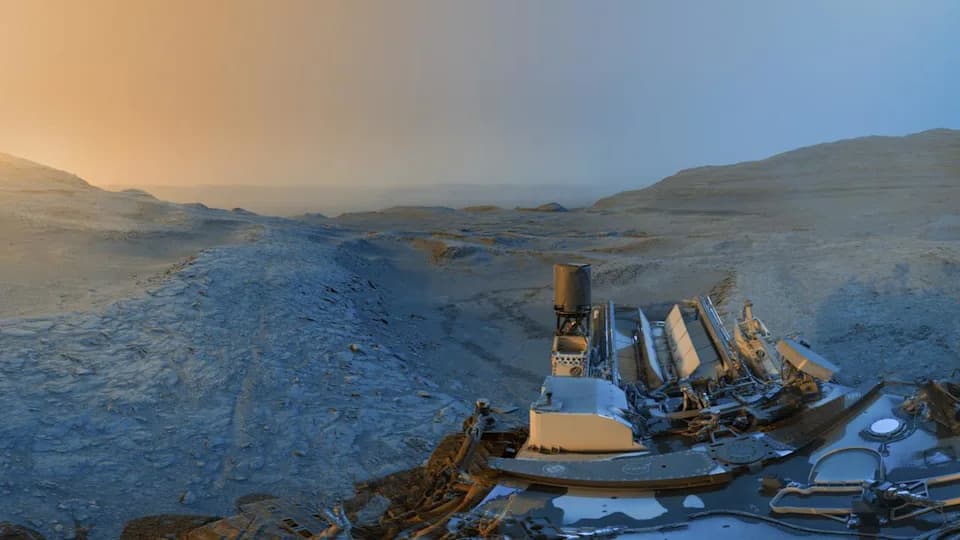
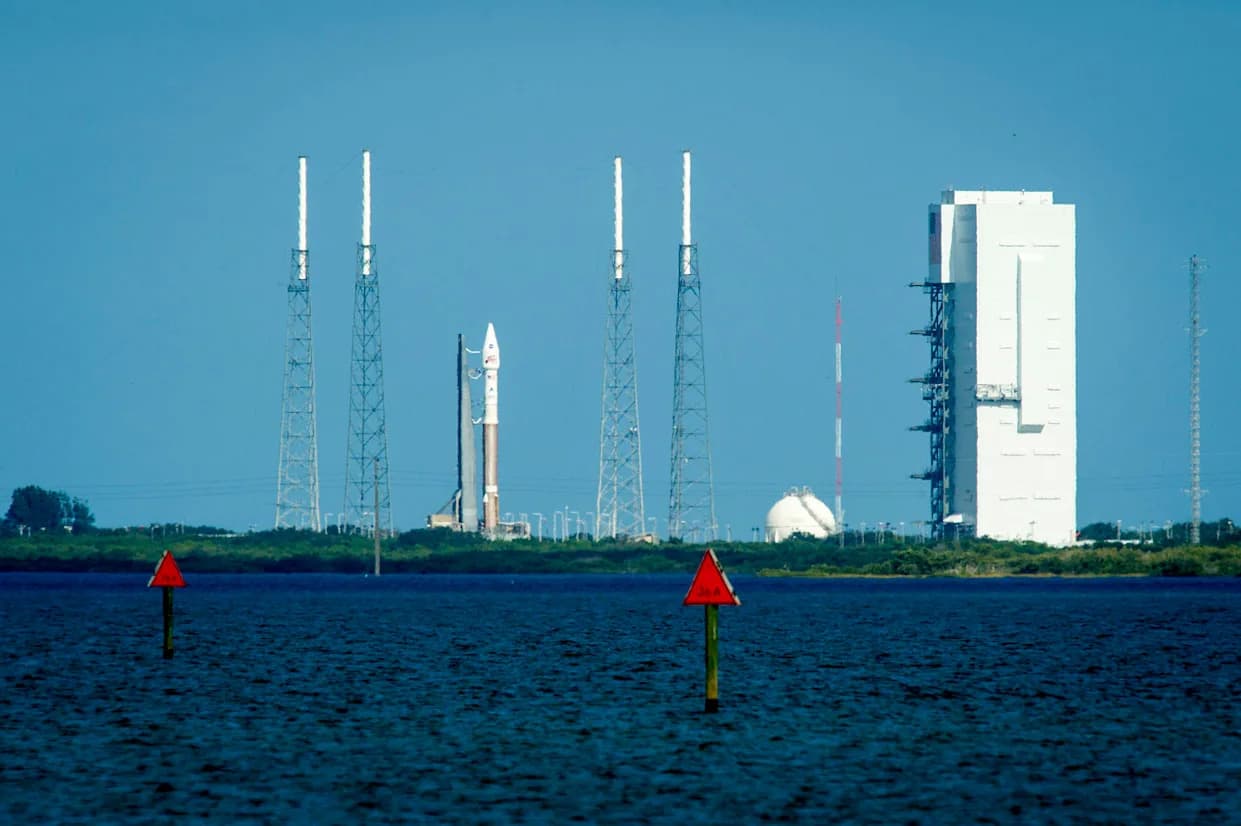
NASA has canceled the planned mission to return sealed Mars rock samples collected by the Perseverance rover, citing high cost and political resistance. The complex return effort was estimated at about $11 billion and not expected to finish until around 2040. Congress’s recent spending bill and White House skepticism effectively halted the project, leaving the samples sealed on Mars while in‑situ study continues. Perseverance in 2024 uncovered rocks with “leopard spots” that some scientists say resemble microbially influenced patterns on Earth.
NASA Cancels Plan To Bring Mars Rock Samples Back To Earth Amid Cost And Political Pushback
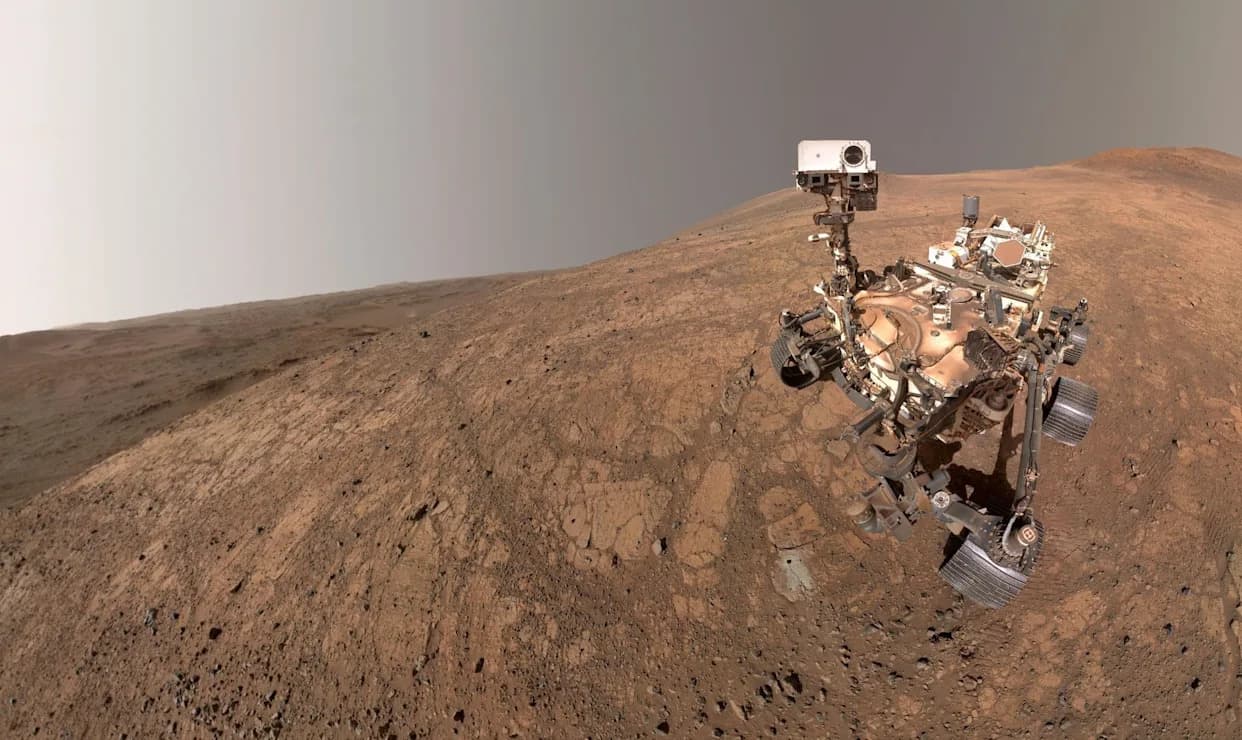
NASA has abandoned its long‑planned mission to retrieve sealed rock samples from Mars, a bold second phase that would have followed the Perseverance rover's multi‑year sample collection campaign.
Perseverance has been exploring Jezero Crater since 2021, drilling and caching dozens of sample tubes for a future return. A dedicated follow‑up mission — never scheduled — was meant to launch, collect those sealed specimens and deliver them to Earth for detailed laboratory study. That return operation proved far more complex than the outbound mission and was projected to cost roughly $11 billion, with work stretching into the late 2030s or around 2040.
Why the Plan Was Halted
The program ran into growing political and budgetary resistance. The White House had expressed skepticism about the mission's scale and cost, and Science magazine reports that Congress’s recent spending bill effectively signals the end of the return plan by withholding necessary funding. Given the hefty price tag and technical challenges, NASA will not move forward with the currently envisioned Mars Sample Return architecture.
Scientific Context and Next Steps
Although samples will remain sealed on Mars, Perseverance continues remote and in‑situ analyses that can still yield important discoveries. In 2024 the rover collected rock samples that some researchers described as showing “leopard spots” — textures that on Earth can be associated with biological activity — but definitive laboratory confirmation on Earth is now unlikely under the canceled plan.
“Congress’s spending decision and broader cost concerns mean NASA’s planned Mars sample‑return mission, as previously conceived, will not go forward,” Science reported.
NASA and the scientific community may pursue alternative, lower‑cost approaches or international partnerships to retrieve samples in the future, or continue to prioritize rover‑based studies that extend our understanding of Mars without a return mission.
Help us improve.