NASA lost contact with the MAVEN orbiter during a routine pass on Dec. 6, and a recovered fragment of tracking data suggests the spacecraft was rotating unexpectedly when it re-emerged from behind Mars. Engineers have used the Deep Space Network and tried to image the orbiter from Curiosity, but no telemetry has been confirmed since early December. Recovery attempts are on hold until Jan. 16 because a solar conjunction between Earth and Mars prevents reliable communications. MAVEN, launched to Mars in 2014, has studied atmospheric loss and served as a relay for surface rovers for more than a decade.
NASA Struggles to Reach MAVEN Orbiter After Sudden Loss of Contact; Recovery Paused Until Jan. 16
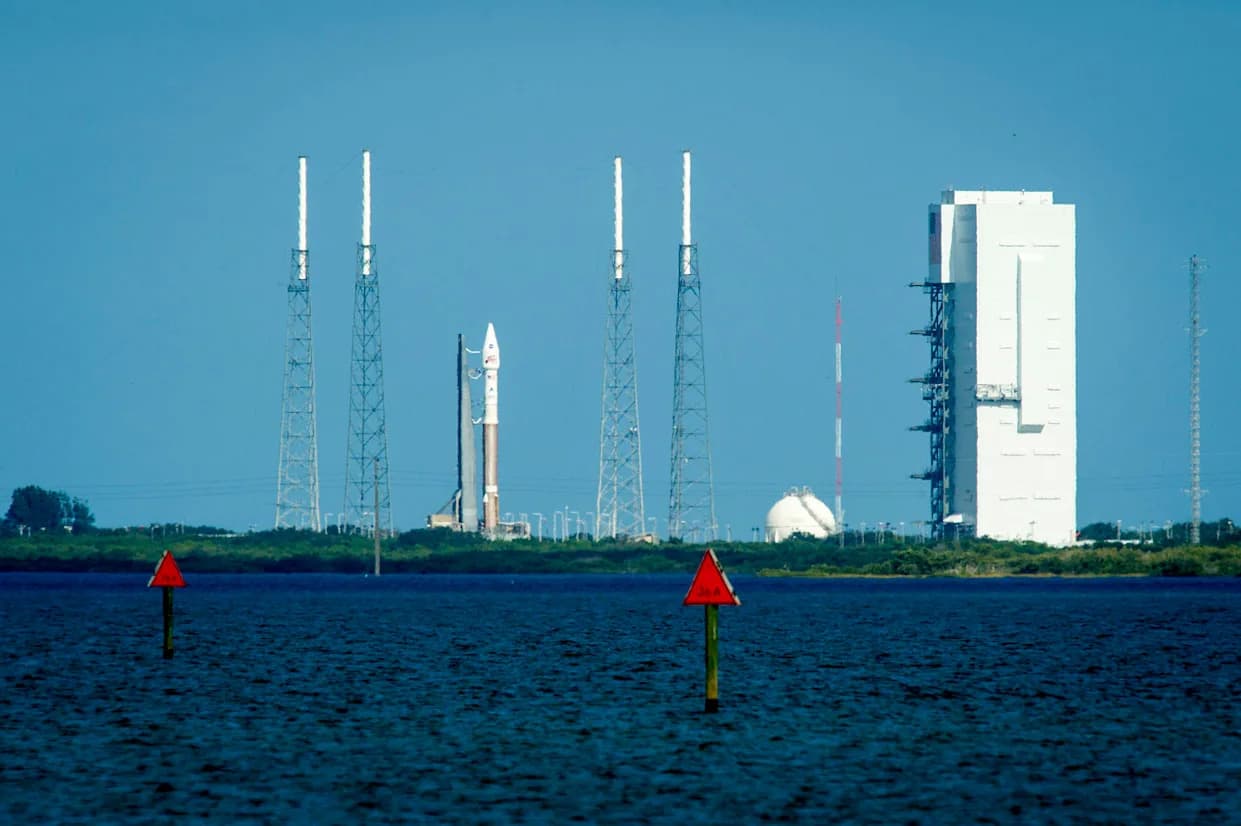
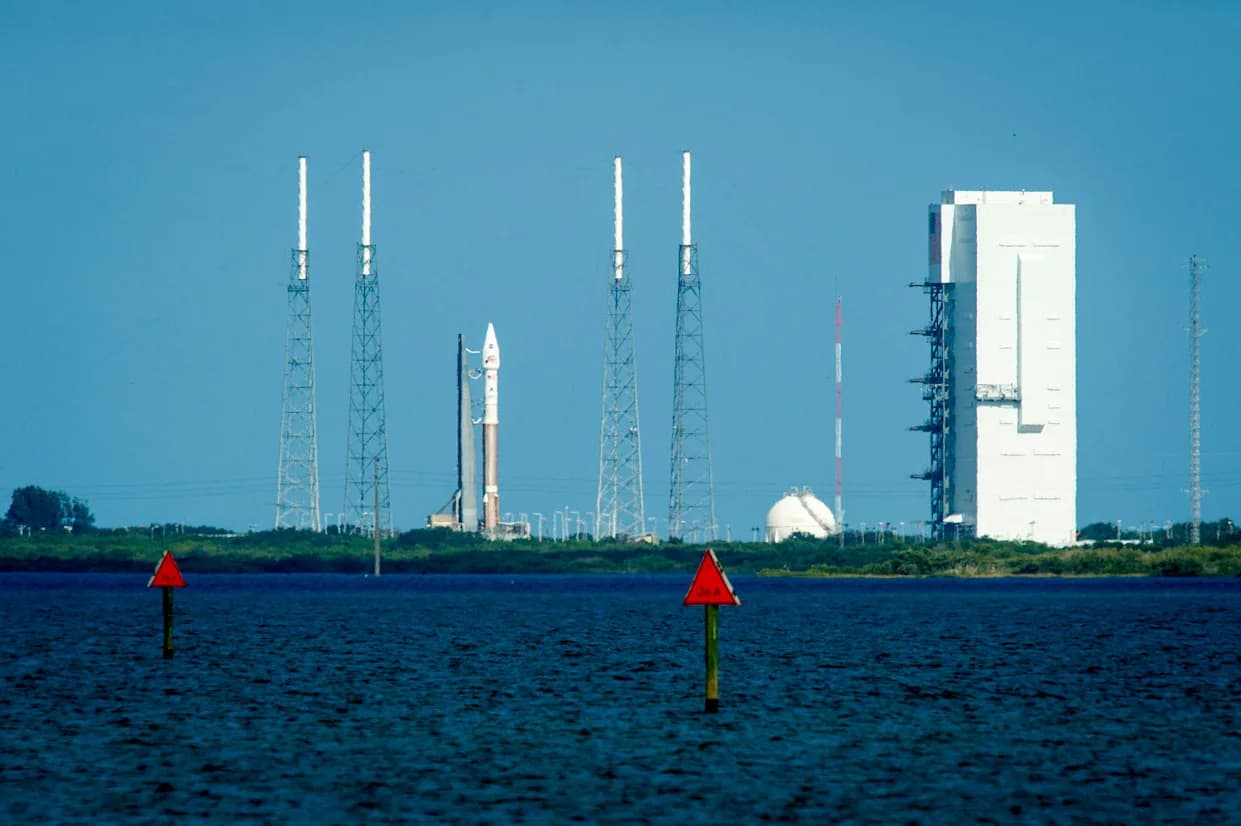
The United Launch Alliance Atlas V rocket with NASA's Mars Atmosphere and Volatile EvolutioN (MAVEN) spacecraft on board is seen at the Cape Canaveral Air Force Station Space Launch Complex 41 in Cape Canaveral, Fla., in 2013. (Bill Ingalls / NASA via Getty Images)
NASA has been unable to re-establish contact with the MAVEN spacecraft, an orbital mission that has studied Mars' upper atmosphere since arriving in 2014. The agency lost routine communications on Dec. 6, and engineers were only able to recover a brief fragment of tracking data that suggests the probe was rotating unexpectedly when it re-emerged from behind Mars.
What Happened
MAVEN passed behind Mars on Dec. 6 as part of its normal orbit. While an initial brief loss of signal during that pass was expected because the planet blocks line-of-sight to Earth, controllers were unable to detect any transmissions after the orbiter emerged. A later agency update indicated no confirmed transmissions had been received since Dec. 4, though a short piece of tracking data from Dec. 6 was recovered and analyzed.
Recovery Efforts So Far
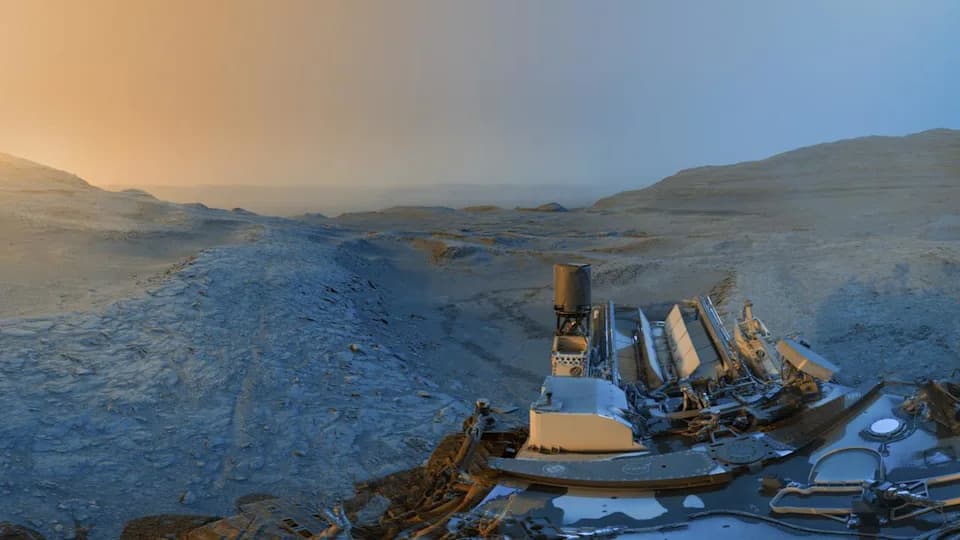
Mission teams have used NASA's Deep Space Network (DSN) — a global array of large radio antennas — to send commands and listen for any response from MAVEN. In addition, NASA tasking included attempts to photograph the orbiter from the surface using the Curiosity rover's camera on Dec. 16 and Dec. 20. Engineers are analyzing the tracking fragments and are reconstructing a timeline to understand the anomaly.
Why Teams Must Wait
NASA cannot attempt routine recovery commands while Earth and Mars are near opposite sides of the Sun. This period, known as a solar conjunction, disrupts or degrades radio communications and increases the risk of sending commands that cannot be confirmed. The agency has said it will not resume active recovery attempts until Jan. 16, when the Sun's interference is expected to subside and the DSN can communicate more safely and reliably with the orbiter.
Mission Context and Importance
Originally designed for a two-year mission, MAVEN has operated for more than a decade and celebrated its 10th anniversary at Mars in 2024. The orbiter studies how Mars' atmosphere — including the ionosphere and upper atmospheric escape processes — evolved over billions of years, helping scientists understand how the planet transitioned from a wetter, potentially habitable world to the cold, thin-atmosphere planet seen today. MAVEN also plays a critical role as a communications relay for surface rovers such as Curiosity and Perseverance.
Current Status
As of the agency's latest public update, no confirmed telemetry has been received since early December. Investigators continue to analyze the recovered tracking fragments and other telemetry, but the outcome remains uncertain until teams can resume direct communication after the solar conjunction.
Note: NASA has provided limited technical detail publicly; updates will depend on the results of internal investigations and the ability to contact MAVEN once radio conditions improve.
Help us improve.