
Perseverance appears to have found a meteorite, nicknamed Phippsaksla, in Jezero Crater. Discovered in September 2025 and announced in November 2025, the roughly 2.5‑foot rock shows high iron and nickel in SuperCam scans — a hallmark of metallic meteorites. Scientists will confirm its origin and study the specimen to learn more about Martian erosion and solar‑system history.
Perseverance May Have Found a 2.5‑Foot Meteorite on Mars — ‘Phippsaksla’ Spotted in Jezero Crater

Mars in outer space - Eyeem Mobile Gmbh/Getty Images
NASA's Perseverance rover, which touched down in Jezero Crater in February 2021, appears to have discovered a meteorite on Mars. The candidate object, nicknamed Phippsaksla, stands out from surrounding rocks and shows a composition consistent with metallic meteorites.
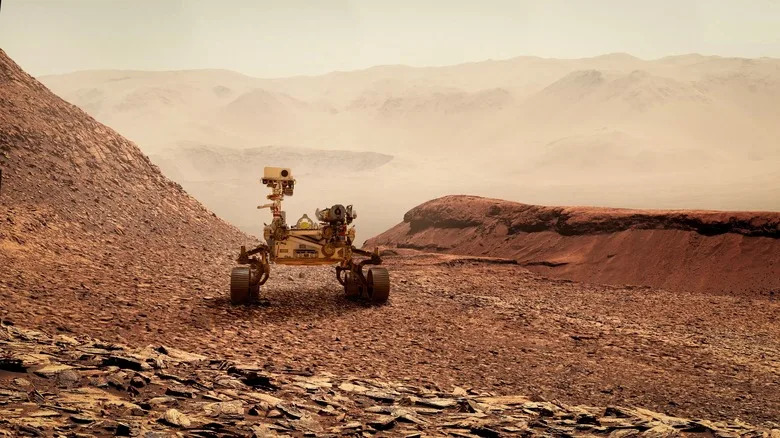
NASA rover on Mars - Triff/Shutterstock
What Was Found
Phippsaksla measures roughly 2.5 feet across and was imaged and analyzed by the rover's instruments. Initial SuperCam laser readings indicate elevated iron and nickel — a chemical signature typical of asteroid-derived metallic meteorites. Those results make Phippsaksla a strong meteorite candidate, though final confirmation is still pending.
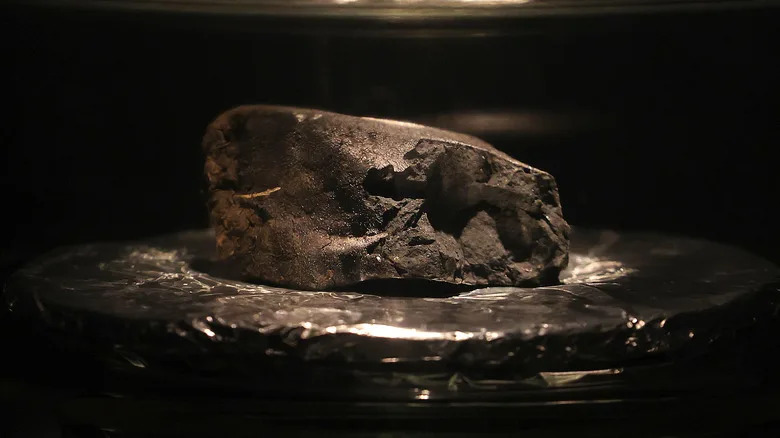
a meteorite on display - Chris Jackson/Getty Images
When It Was Discovered
Perseverance detected Phippsaksla in September 2025. Public announcement of the find was delayed until November 2025 after many operations were paused during a US government shutdown.
Why It Matters
Finding meteorites on Mars helps scientists understand both Martian surface processes and the broader history of our solar system. Iron‑rich meteorites can resist erosion on Mars, preserving features that teach researchers about impact delivery and weathering under Martian conditions. Some meteorites also carry extremely old material — in some cases presolar grains or minerals billions of years old — offering clues about the early solar system.
Context and Next Steps
Other rovers have previously identified meteorites on Mars: Curiosity found a meteorite named Cacao in 2023 and another called Lebanon in 2014, among additional finds by earlier missions. Perseverance has collected 30 of an expected 38 geological samples since landing, and teams will now continue to examine SuperCam data and other measurements to confirm Phippsaksla's origin and learn what it can reveal about Mars and the objects that strike it.
Bottom line: SuperCam spectroscopy and visual evidence point to a metallic meteorite, but scientists will perform further analysis to confirm Phippsaksla's status and extract scientific value from the find.


