Archaeologists have identified a Late Bronze Age community of about 600 homes at Brusselstown Ring, County Wicklow—the largest such site yet recorded in Ireland and Britain. Airborne and topographic surveys revealed over 500 house platforms, and excavations produced radiocarbon dates of c.1200–400 B.C. Finds suggest varied house sizes but little evidence of status differences, pointing to a relatively egalitarian, permanently occupied settlement. A stone-lined feature that may be a cistern indicates advanced water management; further digs will test this and clarify why the site was abandoned.
600 Homes, One Hillfort: Ireland’s Largest Prehistoric Settlement Found at Brusselstown Ring
D. Brandherm et al., Antiquity Publications Ltd (2025)
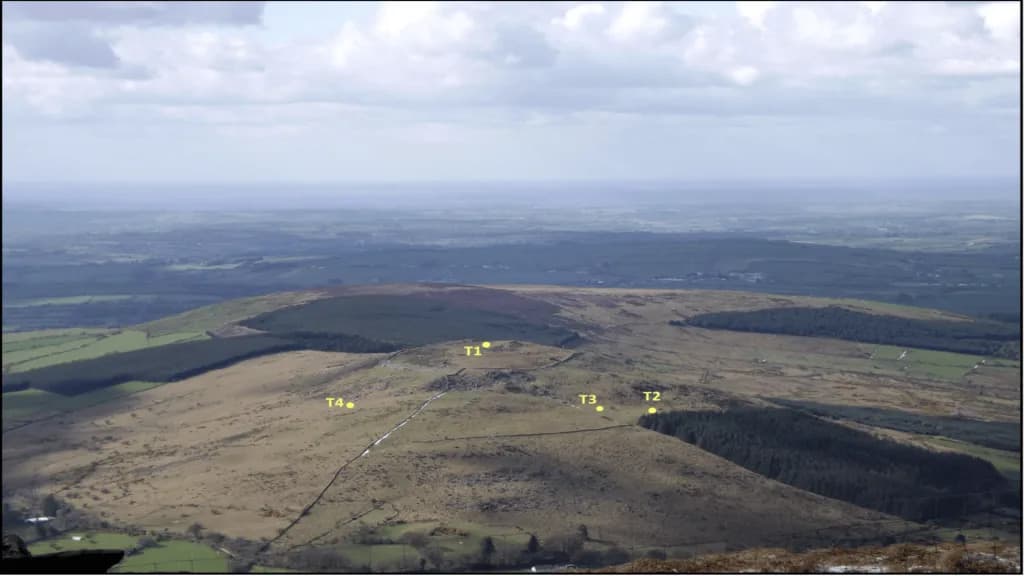
Archaeologists working in eastern Ireland have uncovered what appears to be the largest Late Bronze Age settlement yet recorded in Ireland and Britain: a densely packed community of roughly 600 houses spread across the Brusselstown Ring hillfort in County Wicklow.
Discovery and Context
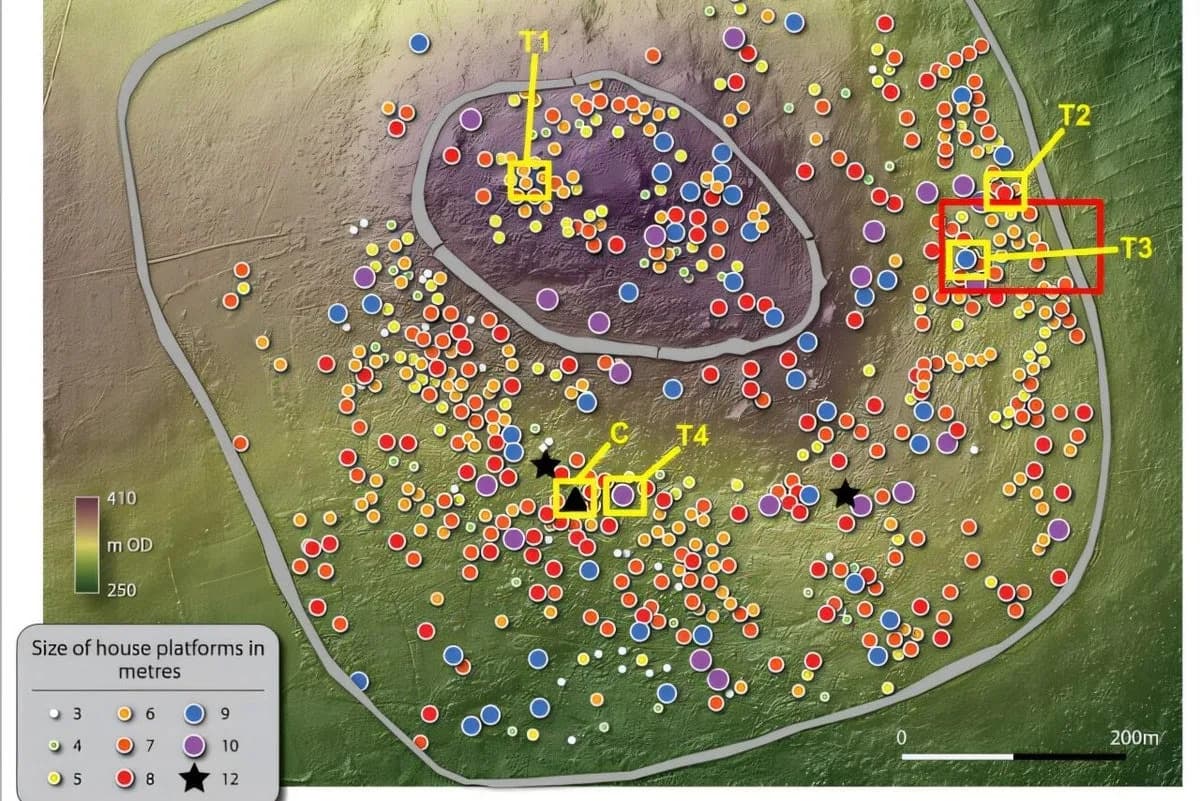
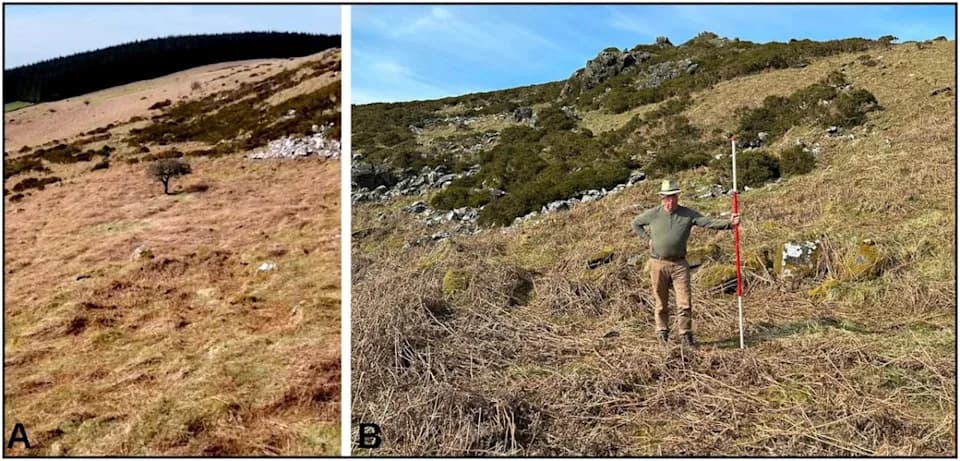
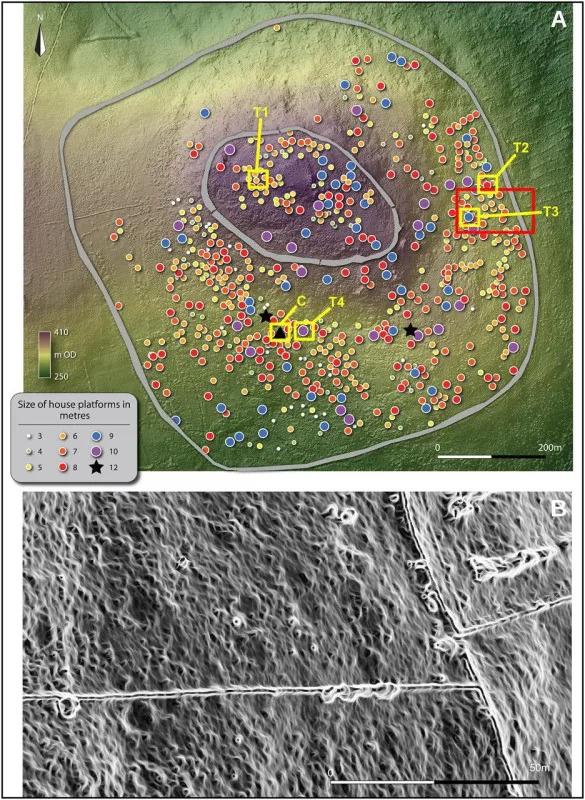
A study published in Antiquity (D. Brandherm et al., 2025) describes how airborne and topographic surveys first revealed more than 500 platforms across the site. These platforms were subsequently confirmed as domestic foundations during four seasons of excavation. The complex includes 13 hilltop enclosures and extends to a nearby Neolithic enclosure at Spinas Hill 1, an unusually large footprint for Late Bronze Age settlement in Ireland and Britain.
D. Brandherm et al., Antiquity Publications Ltd (2025)
Chronology and Community Organization
Radiocarbon dating and associated finds place occupation at Brusselstown Ring between about 1200 B.C. and 400 B.C. Excavators recovered hundreds of house platforms of varied sizes, yet the material culture shows little clear differentiation in wealth or status. The authors therefore characterize the community as "relatively egalitarian despite the large population," and conclude it was likely a permanently occupied, tightly organized settlement rather than a seasonal or dispersed farmstead.
Infrastructure and Notable Finds
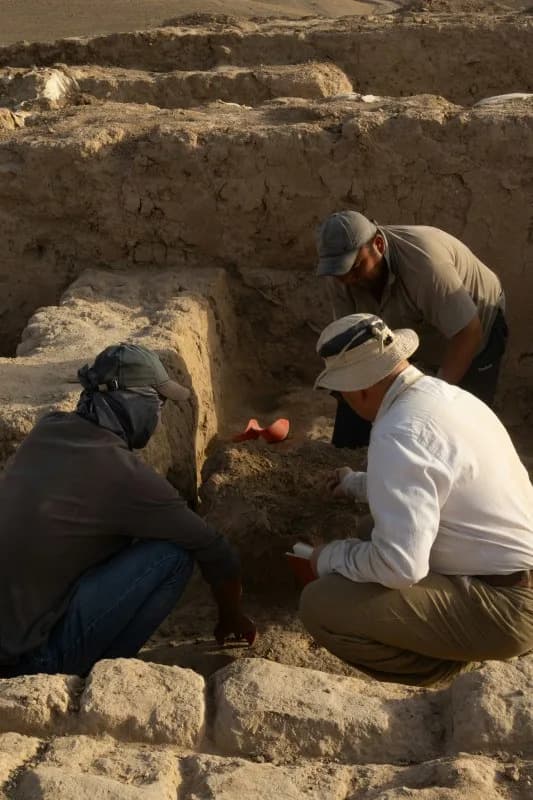
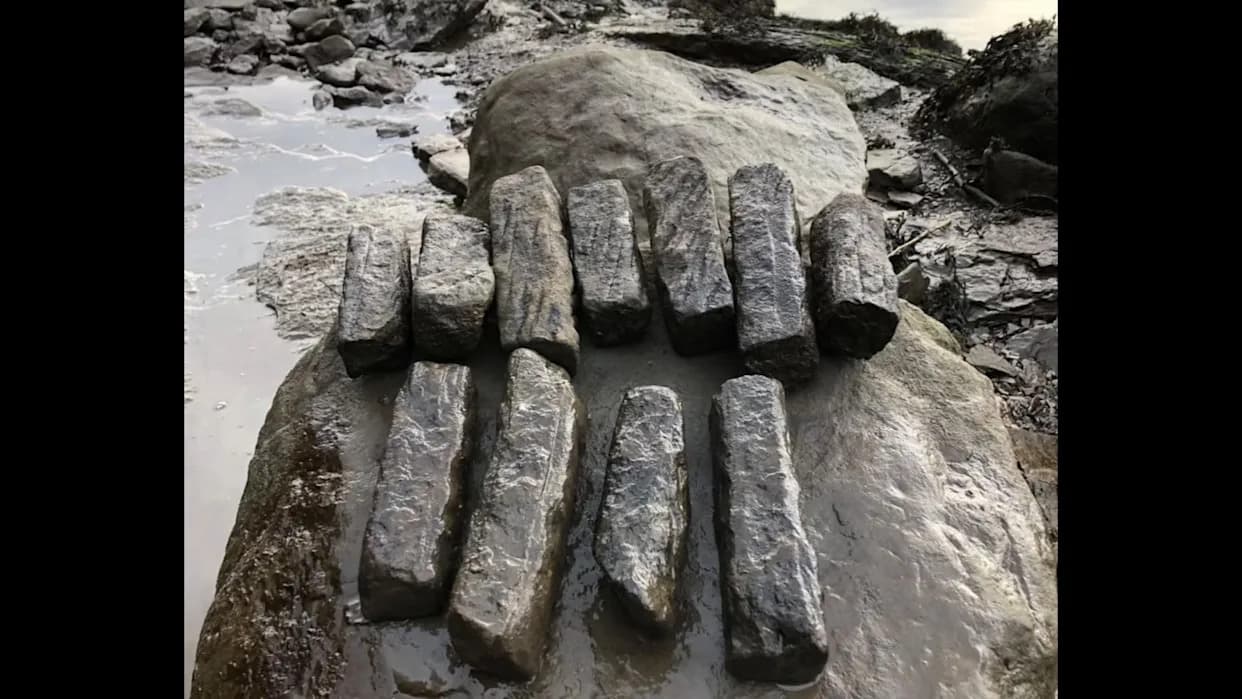
Among the notable discoveries is a stone-lined structure with a flat, paved interior. Its shape makes it unlikely to be a conventional roundhouse; instead, the feature could be a cistern or water storage facility—a form of water management known from contemporaneous sites in parts of Europe. If confirmed as a cistern, it would indicate advanced communal planning to support a large, sedentary population.
Next Steps
Archaeologists plan further excavation and analysis to confirm the function of the stone-lined structure, refine the settlement's construction sequence, and investigate why this extensive community was ultimately abandoned. The initial findings have been covered in press outlets, including Men's Journal (Jan 6, 2026), which reported on the Antiquity study.
Reference: D. Brandherm et al., Antiquity Publications Ltd (2025).
Help us improve.