Archaeologists have identified Brusselstown Ring in County Wicklow as possibly the largest prehistoric village found in Britain and Ireland, with aerial survey mapping roughly 600 house platforms inside two concentric ramparts. Limited trenching revealed floors, hearth remains, stake holes and pits, while a possible stone‑lined cistern suggests planned water management. Radiocarbon evidence places the site in the Late Bronze to Early Iron Age (approximately c. 1200–400 BCE). Further excavation and dating will test claims that this settlement represents an early form of proto‑urban development.
Brusselstown Ring: Ireland’s Largest Prehistoric Village — A Possible Bronze Age ‘Proto‑City’
Archaeologists working at Baltinglass in County Wicklow have identified what may be the largest prehistoric village yet found in Britain and Ireland. The site, known as Brusselstown Ring, sits within a dramatic chain of hilltops and appears to contain an unusually dense cluster of roundhouse platforms enclosed by two concentric ramparts.
What Was Found
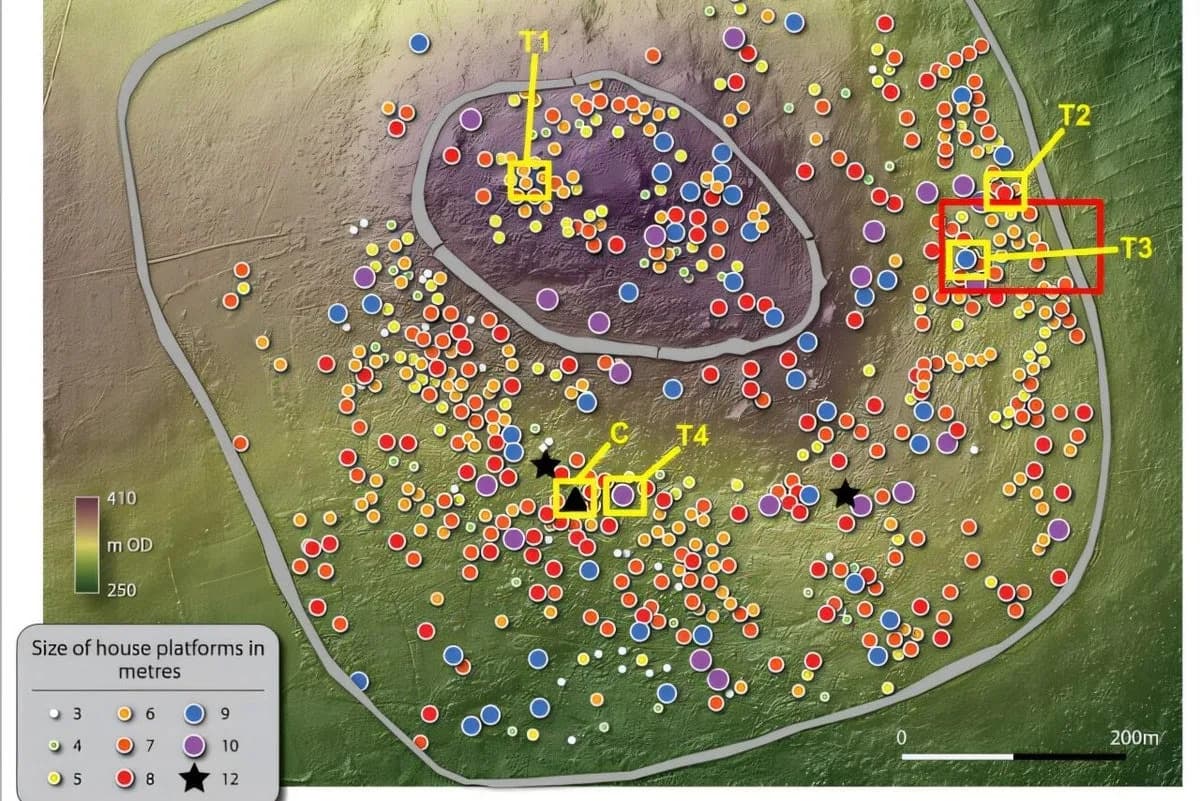
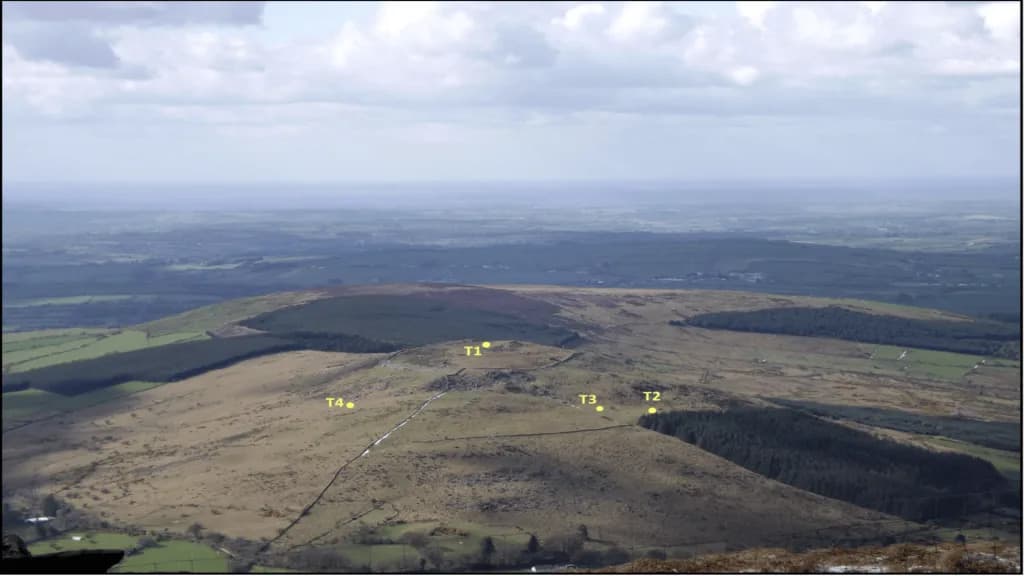
A recent study published in Antiquity describes roughly 600 house platforms mapped by aerial survey: about 509 features in the outer zone and a compact nucleus of around 98 platforms in the interior. Excavation at this particular high‑density location has so far been limited to four trenches across presumed house platforms.
Trench Excavations and Finds
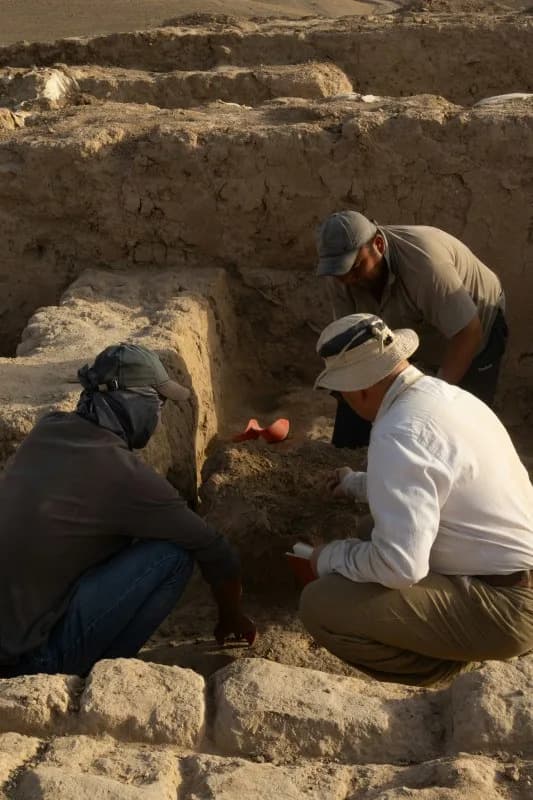
Excavation trenches produced structural traces typical of prehistoric domestic sites: a cobbled layer interpreted as a floor and evidence of burning (Trench 1); part of a hearth and surrounding stake holes (Trench 3); and pits and possible stake holes (Trenches 2 and 4). Artefactual material was sparse, mainly a small number of lithic fragments and burnt clay, which is common for Irish hillfort contexts.
Dating and Interpretation
Radiocarbon determinations reported in media coverage place the settlement in the Late Bronze Age to Early Iron Age. A commonly cited numeric range in some press stories (3700–800 BCE) appears inconsistent with standard archaeological chronologies; a more plausible bracket for Late Bronze–Early Iron Age Ireland is roughly c. 1200–400 BCE. The study’s authors argue that Brusselstown Ring, as the largest and earliest dense cluster of houses yet identified in the region, may represent proto‑urban development in Northern Europe centuries earlier than traditionally recognised — though this interpretation remains subject to further analysis and debate.
A Possible Cistern and Water Management
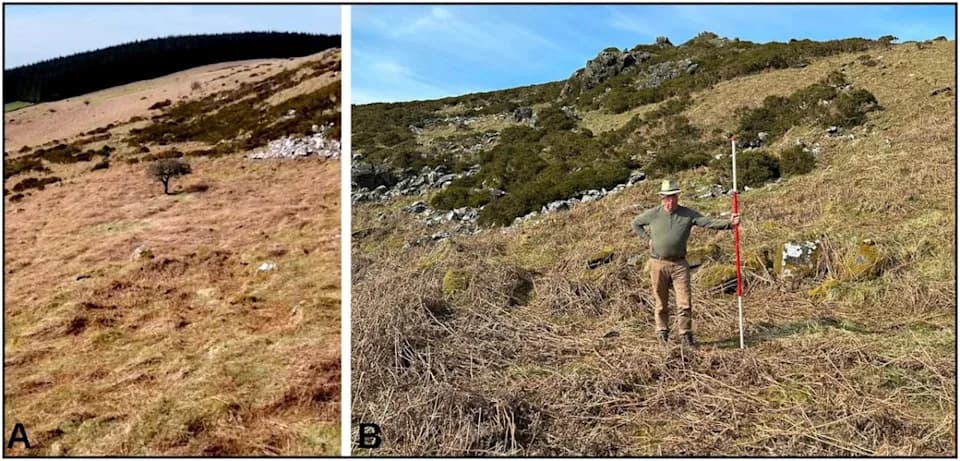
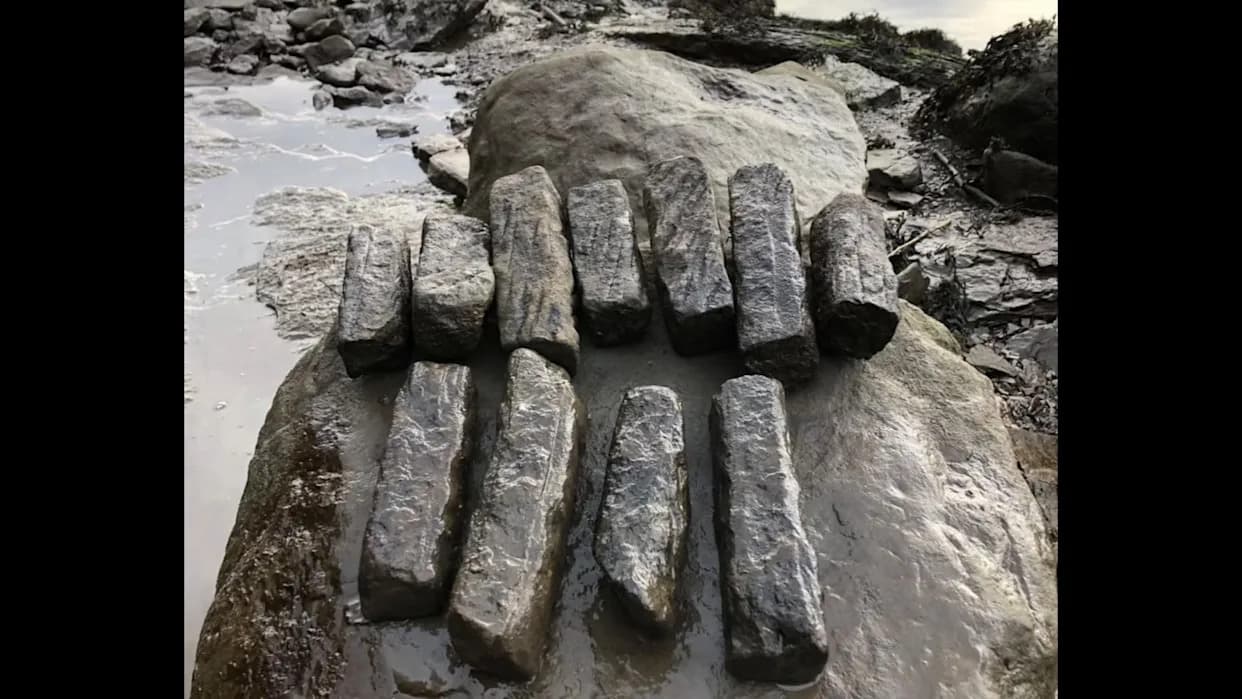
Notably, the team has identified what they describe as a possible stone‑lined cistern, an unusual feature for Ireland. Phys reported the structure as being outlined by large stones with evidence that a stream may once have been channelled into it from a nearby rock outcrop, suggesting deliberate water management to support a substantial population.
Why Was the Site Abandoned?
Researchers have compared Brusselstown Ring with other contemporaneous hilltop settlements and suggest the pattern fits a broader regional decline in such sites. To date there is no clear evidence linking abandonment to climate change; the reasons for desertion remain unresolved.
Next Steps
The Antiquity study recommends further work to: confirm the nature and date of the potential cistern, record and characterise roundhouse structures, and clarify the chronology and function of the enclosing ramparts. Expanded excavation and additional radiocarbon dating will be central to testing the proto‑urban hypothesis.
Quoted from the study: "Brusselstown Ring presents an intriguing case for understanding settlement dynamics in Ireland during the Bronze Age."
Sources: Study in Antiquity; reporting by Phys and The Independent (media summaries noted).
Help us improve.