Alabama will enjoy multiple celestial events in December, including a supermoon on Dec. 4, Mercury at greatest elongation and a moon–Jupiter pairing on Dec. 7, the Geminid meteor shower peak on Dec. 13–14, and comet 3I/ATLAS making its closest pass on Dec. 19. The Geminids can produce up to ~120 meteors per hour under ideal dark skies; the comet will be faint and best seen with a telescope. Weather and finding dark viewing locations will be key to successful observations.
Alabama’s December Sky: Supermoon, Mercury, Geminids, Comet 3I/ATLAS and More

Alabama skywatchers have plenty to look forward to this December: a supermoon, planetary pairings, two meteor showers and a visiting interstellar comet. While weather will play a big role, several events will be visible to the unaided eye or with binoculars and telescopes.
Key events and when to watch
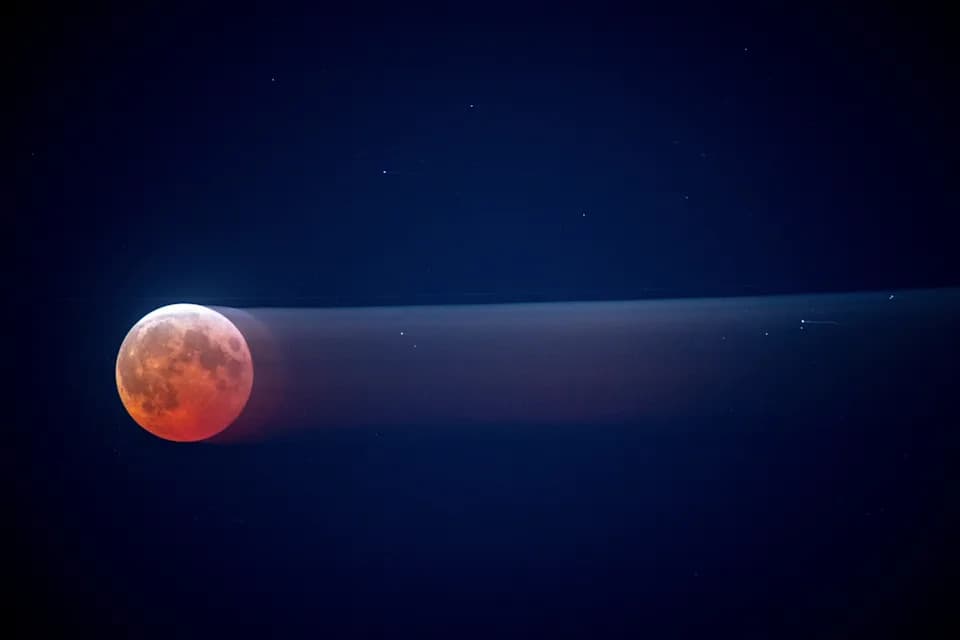
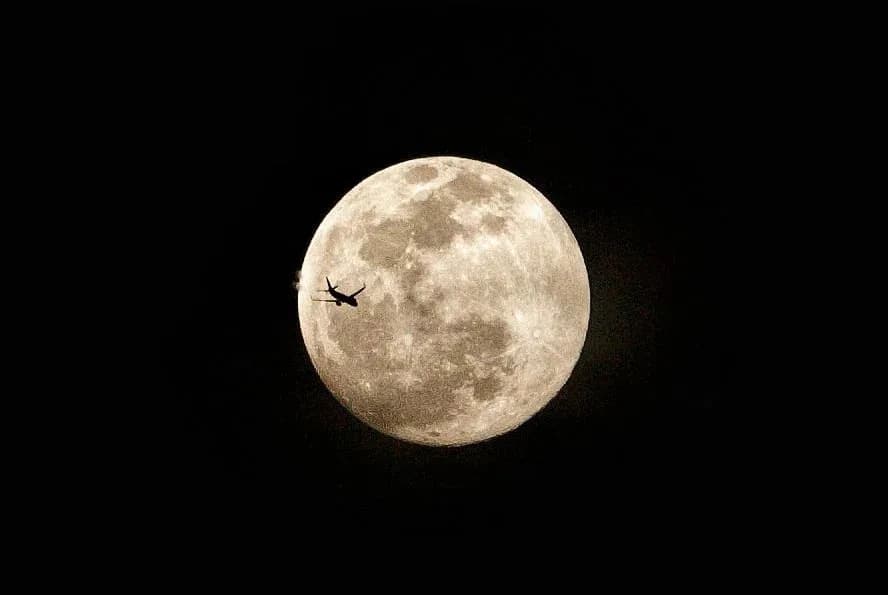
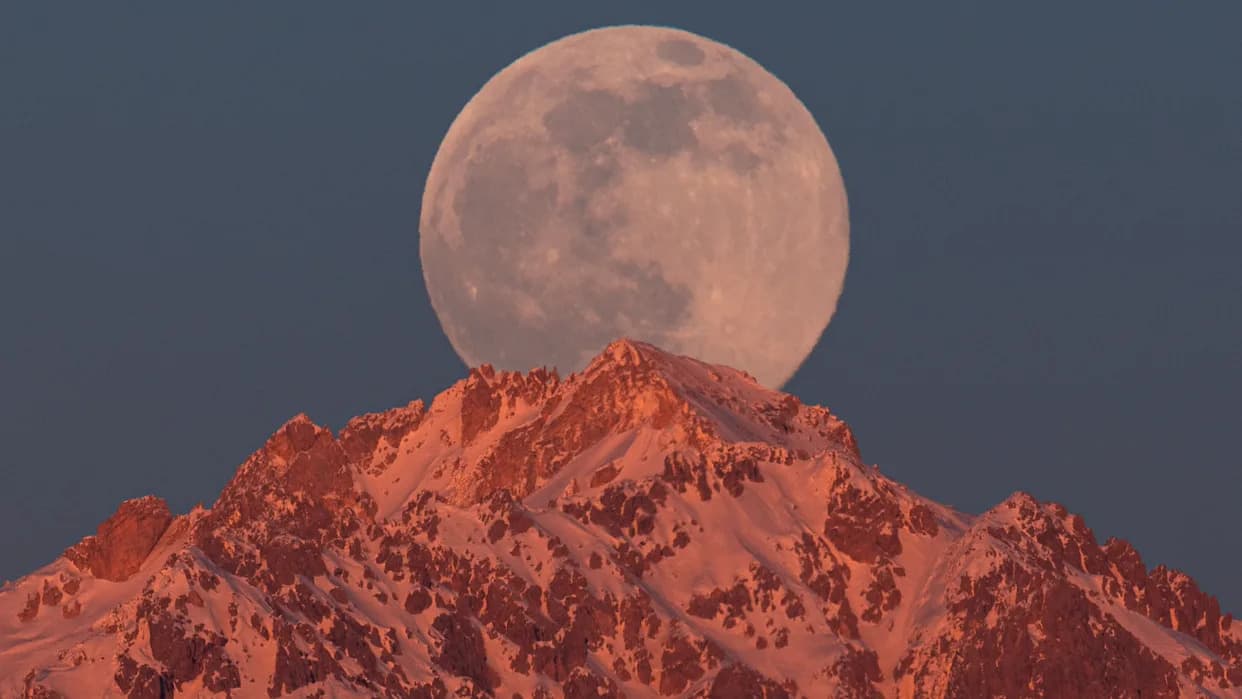
- Dec. 4 — Supermoon: The month's first highlight is a supermoon, when the full moon occurs near its closest approach to Earth and appears slightly larger and brighter. In Alabama the moon is expected to rise around 5:15 p.m. in north and central counties and about 5:30 p.m. in the southern counties. The moon will also appear full the nights immediately before and after Dec. 4, weather permitting.
- Dec. 7 — Mercury greatest elongation & moon–Jupiter pairing: Mercury reaches its widest apparent separation from the Sun, making it easier to spot about an hour before sunrise low in the eastern sky, with Venus nearby. That same morning/night the Moon and Jupiter will appear very close from our perspective — look east to see Jupiter just above and slightly to the right of the Moon.
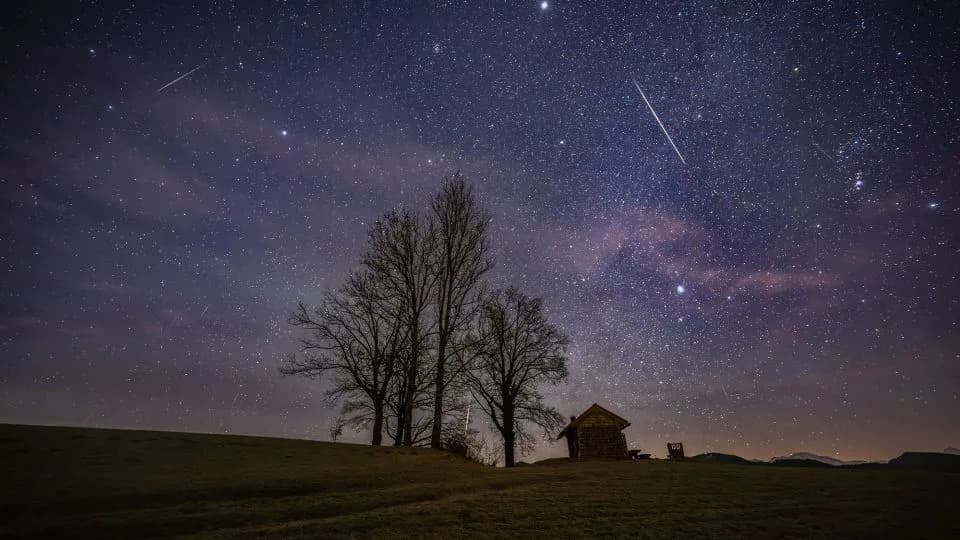
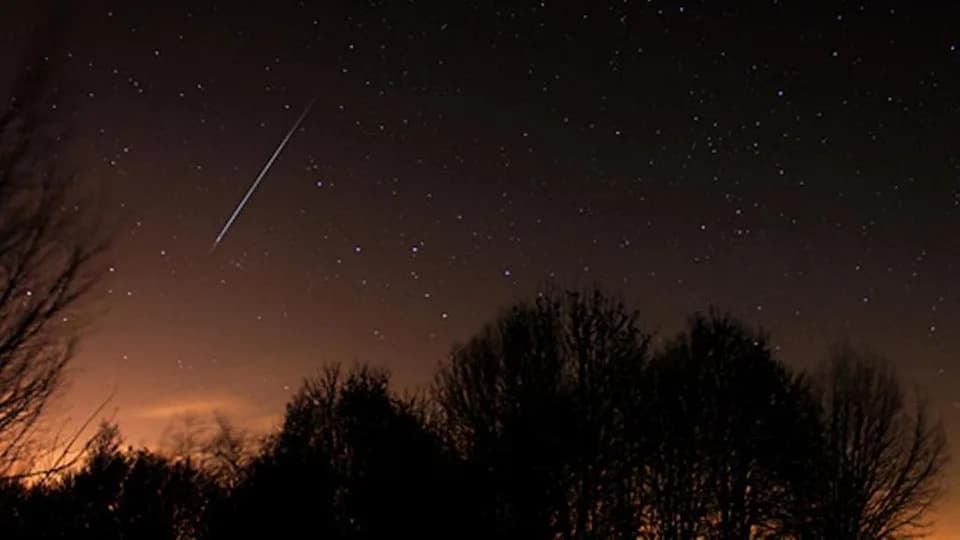
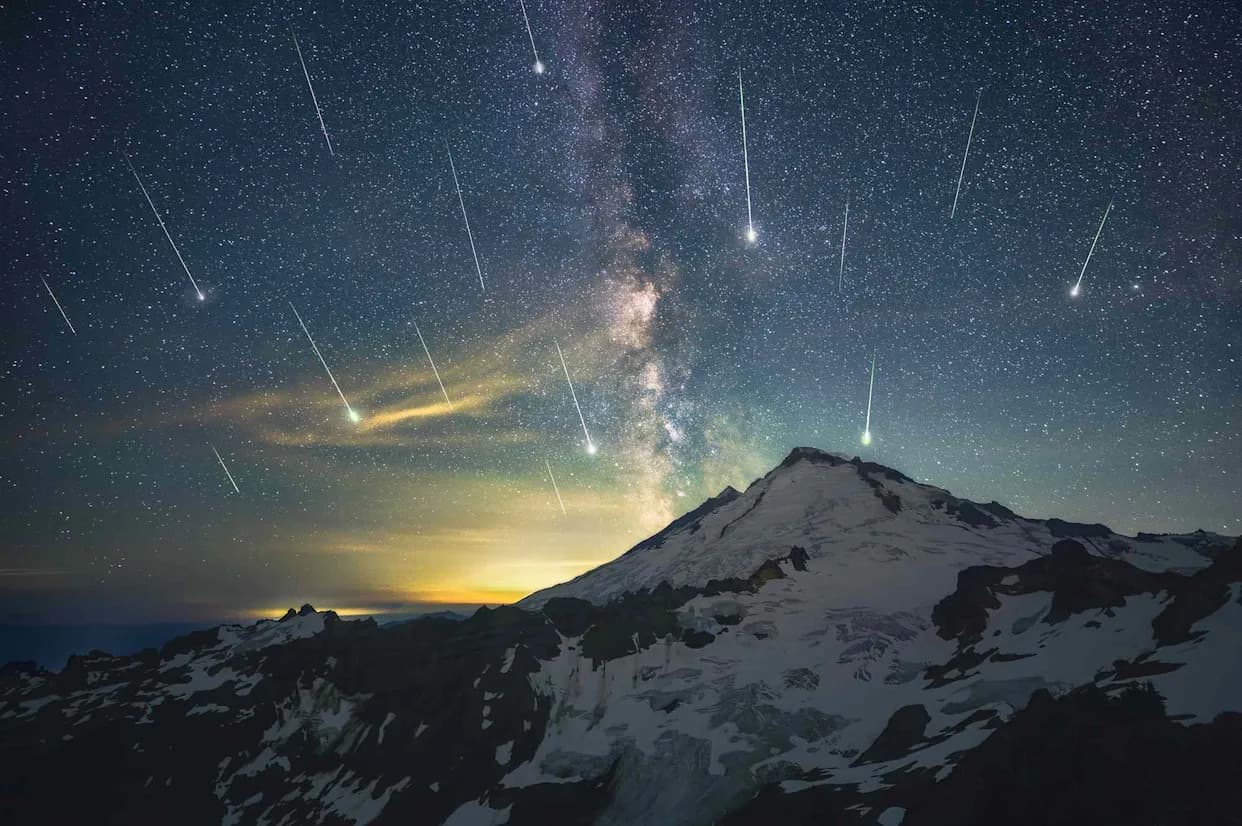
- Dec. 13–14 — Geminid meteor shower peak: The Geminids are one of the year’s most reliable and colorful meteor showers, produced by debris from asteroid 3200 Phaethon. Under ideal, dark-sky conditions you could see up to ~120 meteors per hour at peak. The meteors will appear across the sky but will seem to radiate from near the bright planet Jupiter; watch the eastern sky all evening on Dec. 13 and Dec. 14 for the best chance.
- Dec. 19 — Comet 3I/ATLAS closest approach: Comet 3I/ATLAS will make its nearest pass to Earth on Dec. 19, but that “closest” distance is still roughly 170 million miles — well beyond any risk to Earth. This object is especially notable because it originated outside our solar system. It will be faint; a telescope and dark pre-dawn skies looking east–northeast near the star Regulus in Leo will give the best odds of seeing it.
- Late December — Ursid meteor shower: The Ursids offer a modest shower later in the month. With a thin lunar phase at that time, observers under dark skies might spot on the order of 10 meteors per hour, best seen just before dawn.
Viewing tips
Find the darkest sky you can, allow your eyes 20–30 minutes to adapt, and bring a reclining chair or blanket. Binoculars and small telescopes will enhance views of the comet and planets, but meteors are best seen with the naked eye.
Keep an eye on local weather — rain and clouds forecast for parts of the state in early December could obscure some displays. For timing and finer details, consult a trusted astronomy app or local observatory updates. Above all, plan for clear, dark skies and dress warmly for late-night or pre-dawn viewing.
Help us improve.