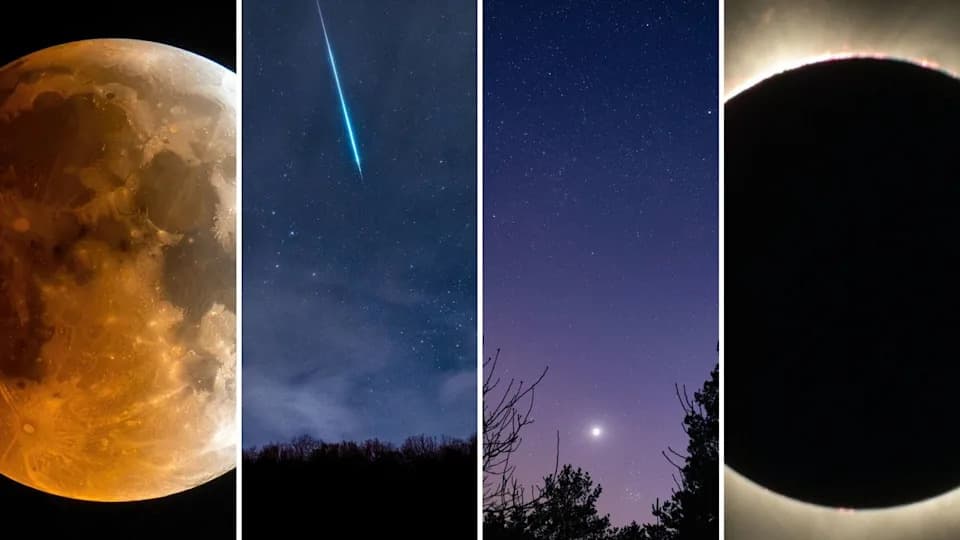
2026 delivers a packed year of astronomy highlights: brief but intense meteor peaks (Quadrantids and Geminids), multiple eclipses including an annular eclipse over Antarctica on Feb. 17 and a total solar eclipse on Aug. 12, a total lunar eclipse on March 3, and notable planetary events such as Jupiter at opposition in January and a Venus–Jupiter conjunction in June. Many events are widely visible, while some eclipses require travel to specific regions. Plan ahead, follow safety guidance for solar viewing, and choose dark skies for the best meteor and aurora viewing.
Don't Miss These Must-See Celestial Events in 2026 — Meteor Showers, Eclipses & Planetary Highlights
The best celestial events in 2026 you won't want to miss
As 2026 approaches, skywatchers around the world can look forward to a full calendar of memorable astronomical events — from brief, intense meteor peaks and dramatic eclipses to bright planetary conjunctions and striking lunar phases. Below is a month-by-month guide to the most notable events, visibility notes and quick observing tips so you can plan the best viewing opportunities.
January — Quadrantids Meteor Shower & Wolf Supermoon
The year opens with the Quadrantids, which peak the night of Jan. 3. Observers who catch the narrow maximum can see up to ~120 meteors per hour, but the intense peak only lasts a few hours, so timing is crucial. Best viewing is from dark sites in the Northern Hemisphere.
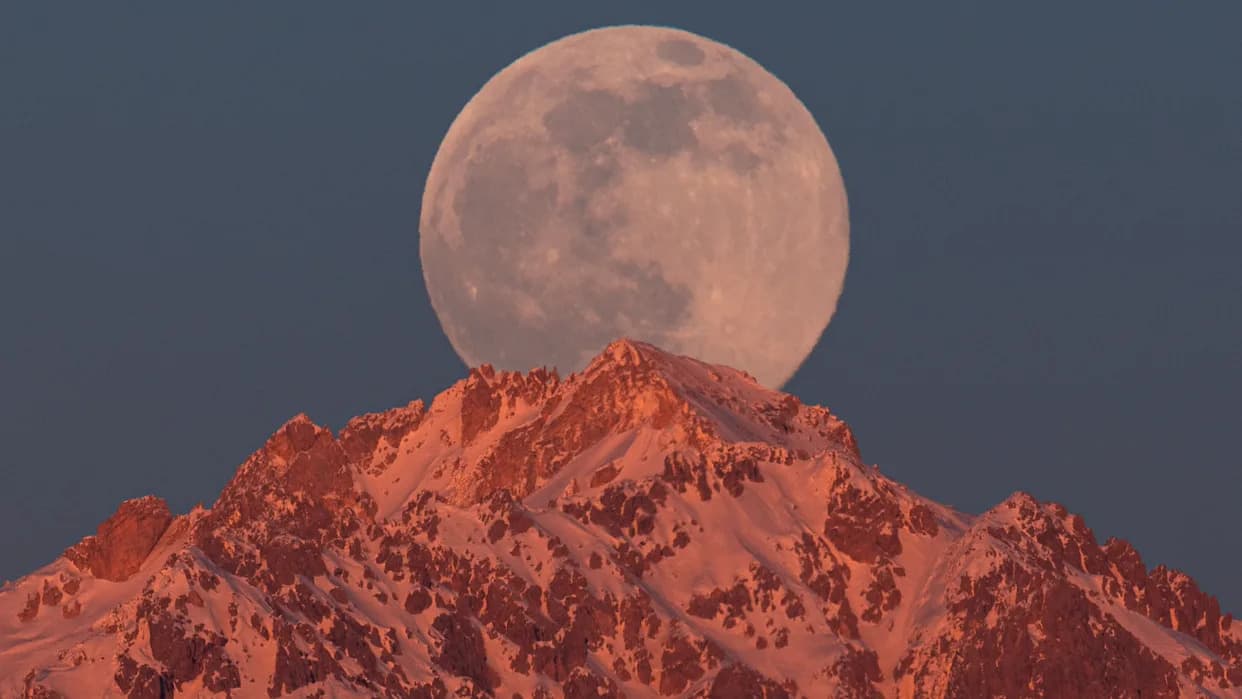
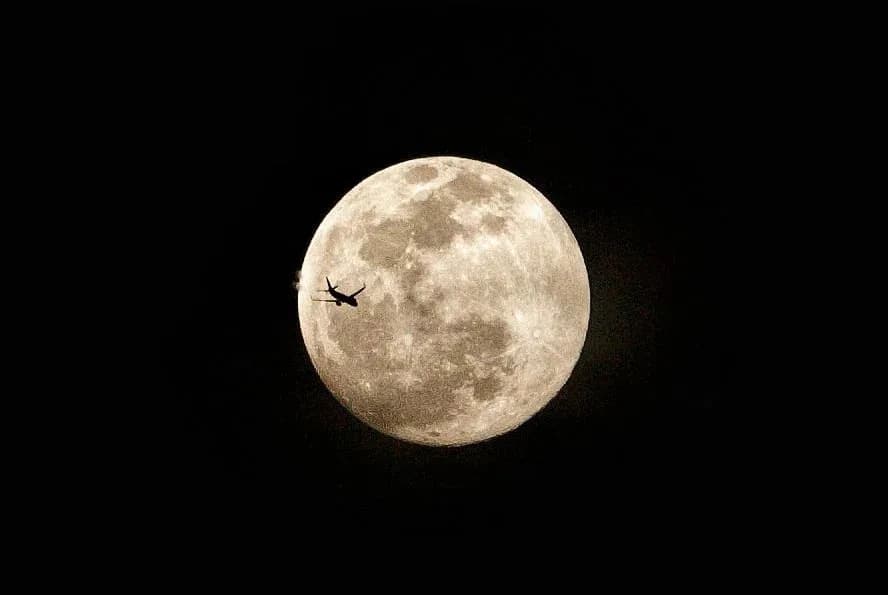
Coinciding with the shower, the first full moon — the Wolf Supermoon — reaches full phase early on Jan. 3. As a supermoon (near lunar perigee) it will appear slightly larger and brighter than average.
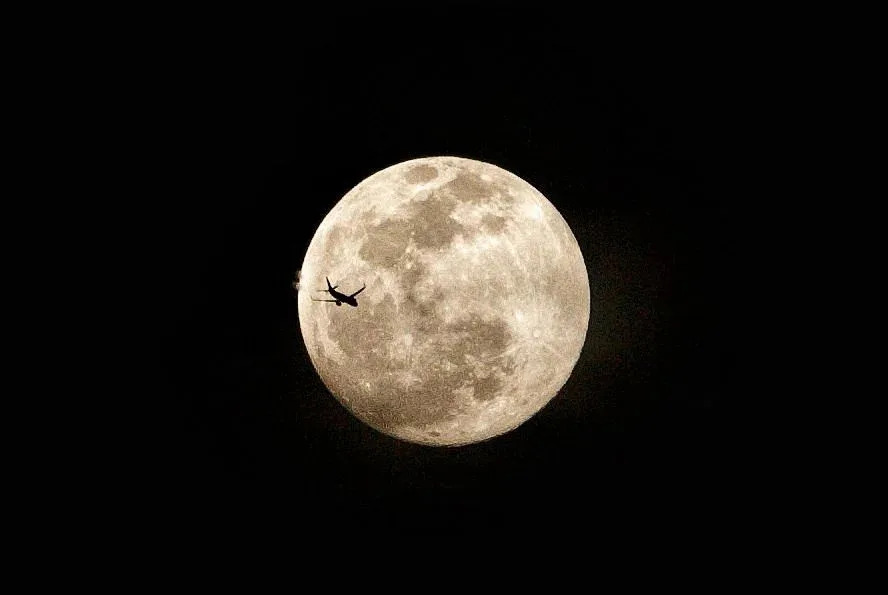
An airplane flies across the Supermoon full moon as it rises over Bekasi Regency, West Java province, Indonesia, on October 6, 2025. (Photo by Aditya Irawan/NurPhoto via Getty Images)
January — Jupiter at Opposition (Jan. 9–10)
On Jan. 9–10 Jupiter reaches opposition, making it the brightest and largest it will appear all year. These nights are ideal for binoculars or small telescopes to spot cloud bands and Jovian satellites.
February — Annular Solar Eclipse (Feb. 17)
An annular solar eclipse on Feb. 17 will produce the classic "ring of fire" for observers along the narrow path of annularity. Peak annularity lasts about 2 minutes 20 seconds with roughly 96% of the Sun covered. The path crosses remote parts of Antarctica, so direct viewing will be geographically limited. Never view the Sun without proper solar filters.
March — Total Lunar Eclipse (March 3) & Spring-Equinox Auroras (March 20)
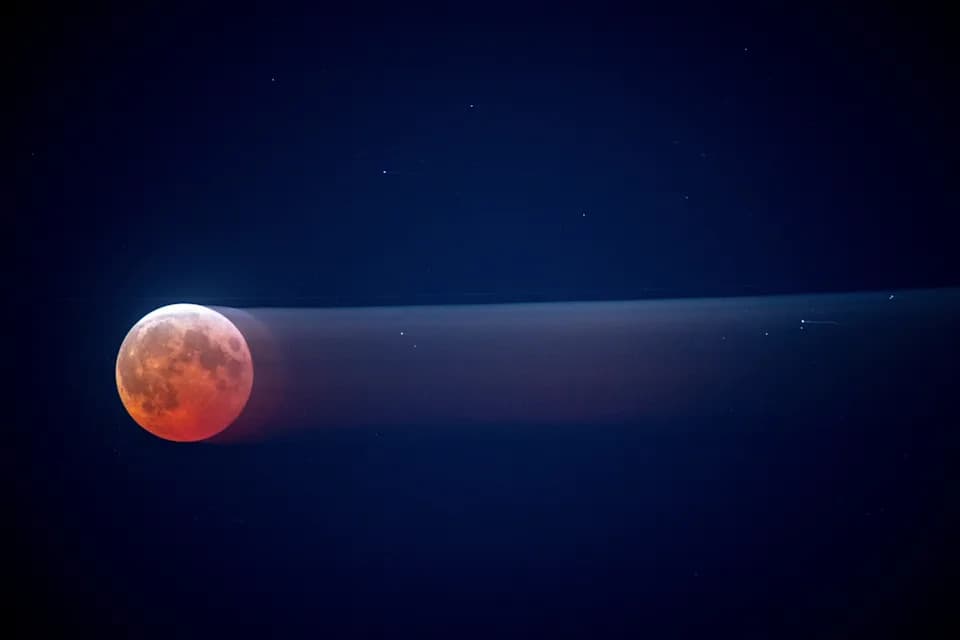
On March 3 a total lunar eclipse will be visible from much of North America, Australia, New Zealand, East Asia and the Pacific. The Moon may take on a deep red hue for about 58 minutes of totality — a spectacular "blood moon." This will be the last total lunar eclipse until 2029.
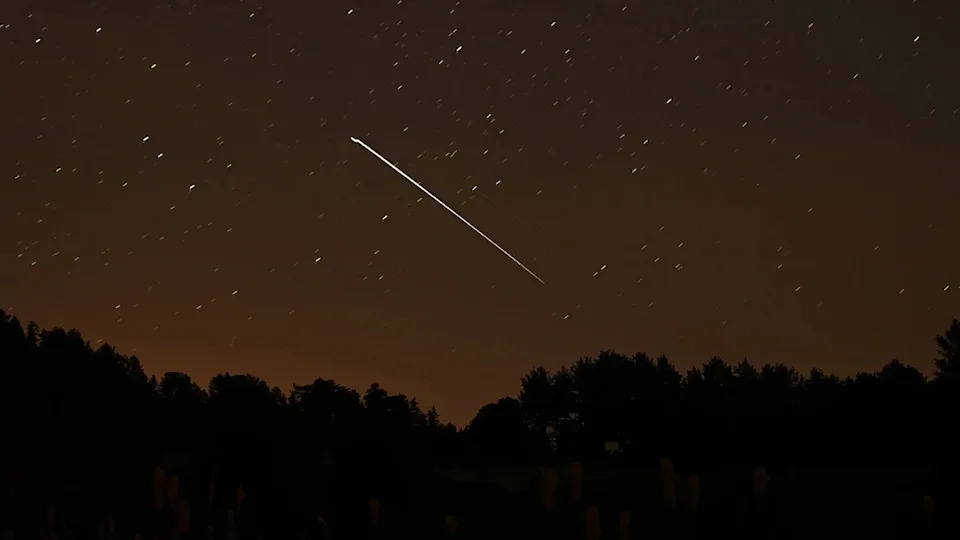
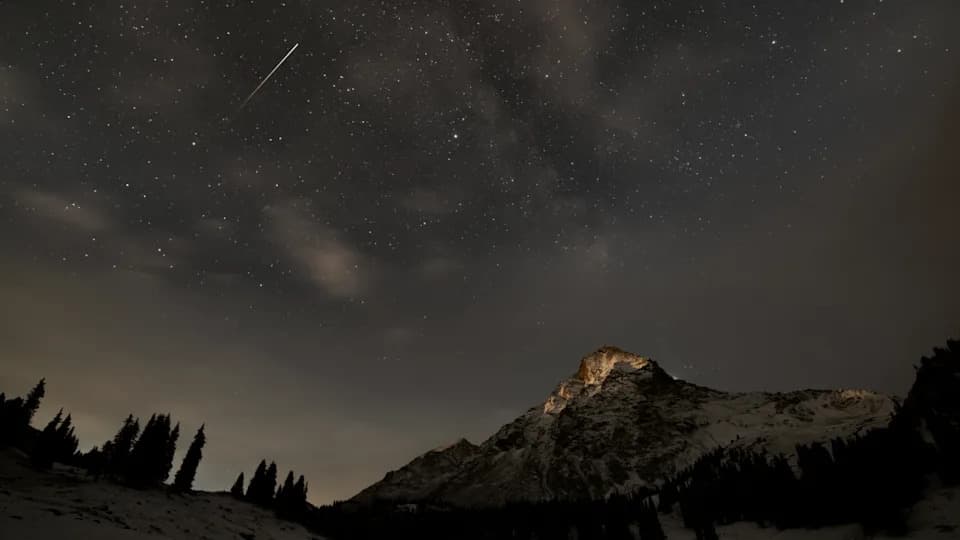
The Lyrid meteor shower is observed in Karagol Geosite in Kizilcahamam district of Ankara, Turkiye on April 22, 2025.
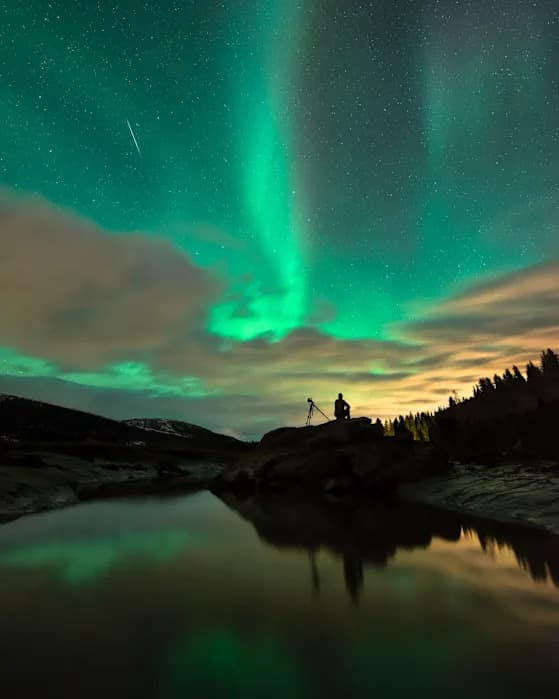
Around the spring equinox on March 20, geomagnetic activity often increases. Conditions look favorable for heightened auroral displays; prime viewing regions include Iceland, northern Norway, Sweden, Finland, Alaska and northern Canada.
April — Lyrid Meteor Shower (Peak Night Apr. 21)
The Lyrids peak the night of April 21, producing around 18 meteors per hour under dark skies. These meteors come from debris left by Comet Thatcher and are best seen after midnight into dawn on April 22.
May — Full Blue Micromoon (May 3)
On May 3 the second full moon of the month appears: a "Blue Micromoon." It's called a micromoon because the Moon is near apogee and appears slightly smaller than average. Monthly blue moons are a calendar quirk and occur several times across multi-year cycles.
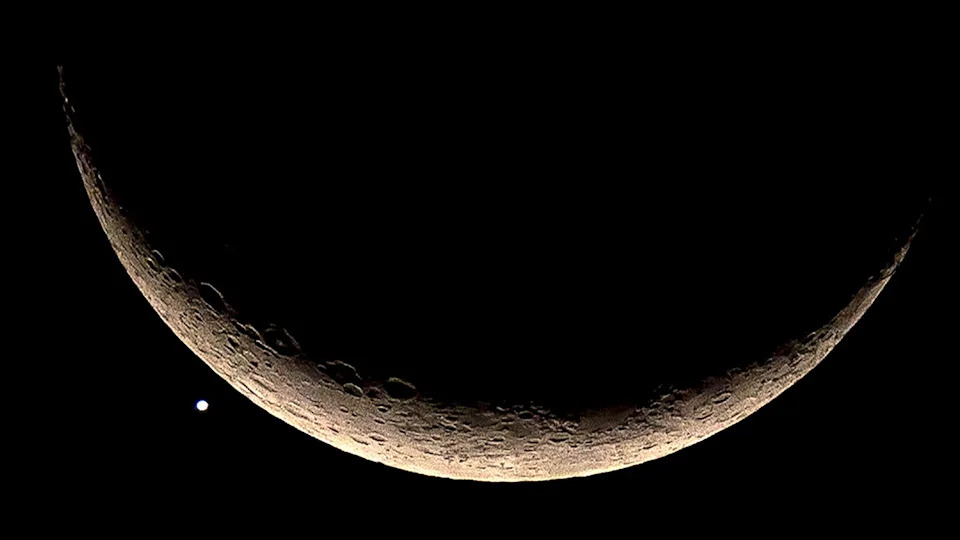
The crescent moon and Venus are pictured in Bangkok on March 24, 2023, following a lunar occultation of the second planet from the sun.
June — Venus–Jupiter Conjunction (June 9)
On June 9 bright Venus and Jupiter will sit very close together in the evening sky. Visible in the southwest from sunset to about 11 p.m. (local), the pair will be an easy sight — roughly a finger-width apart — just below the stars Castor and Pollux on clear evenings.
August — Total Solar Eclipse (Aug. 12) & Perseid Meteor Peak
A total solar eclipse on Aug. 12 will cross the Arctic, Greenland, Iceland, stretches of the North Atlantic, northern Spain and northeastern Portugal. Totality will briefly turn day into night along the path of totality.
The Perseid meteor shower also peaks in mid-August and will be near its maximum around the same time. The Perseids are one of the most popular meteor showers, producing roughly 50–100 meteors per hour under dark skies and many bright fireballs.
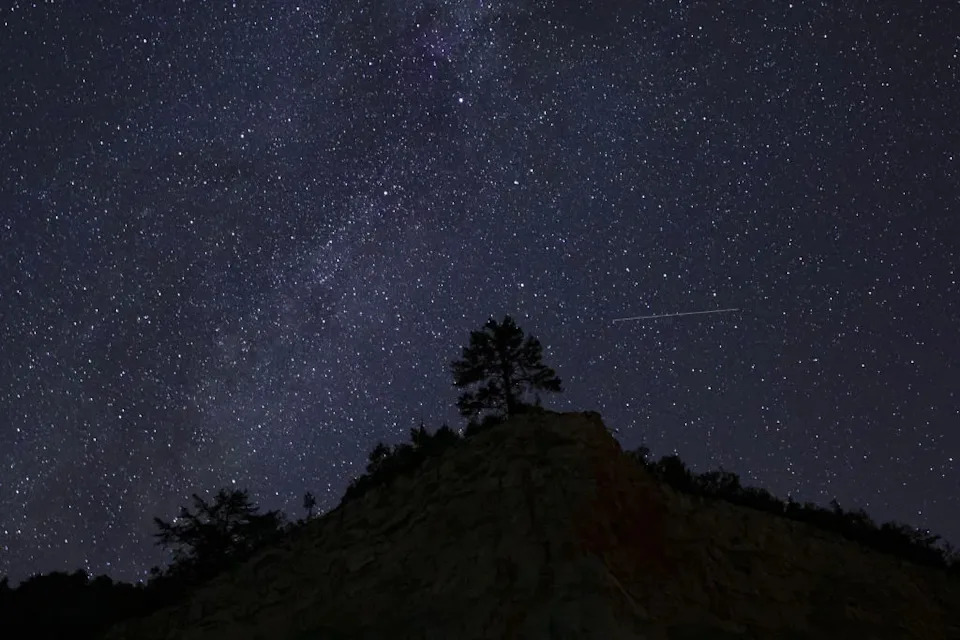
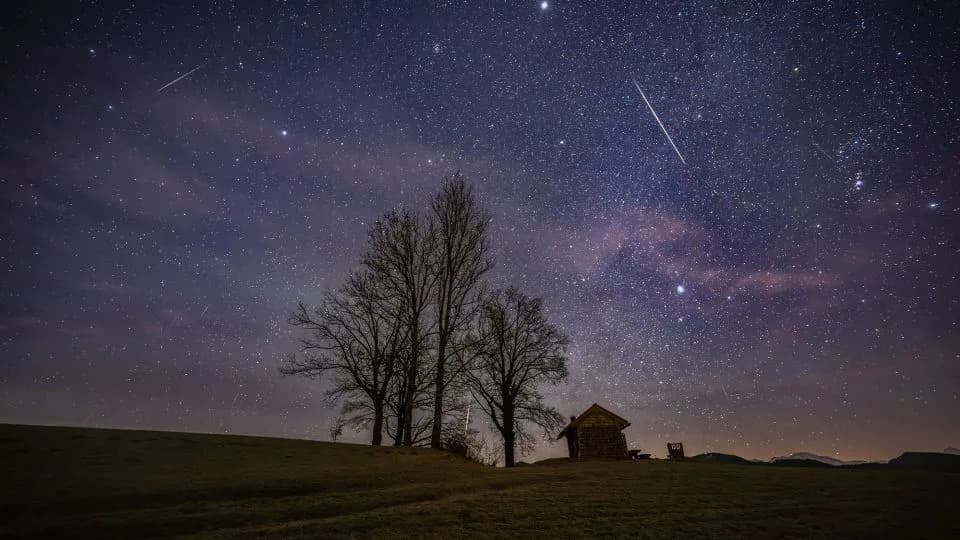
BOLU, TURKIYE - AUGUST 13: A view of the Perseid meteor shower over Lake Cubuk in Goynuk district of Bolu, Turkiye on August 13, 2024. (Photo by Isa Terli/Anadolu via Getty Images)
August — Deep Partial Lunar Eclipse (Aug. 28)
On Aug. 28 a deep partial lunar eclipse will immerse about 96% of the Moon in Earth’s umbra, giving the visible portion a dark, reddish appearance similar to a total eclipse. This event will be visible across Europe, Africa, Asia and Australia.
September — Venus at Peak Brightness (Sept. 18)
Venus reaches its brightest point of the year on Sept. 18, appearing especially luminous as a crescent when the planet is relatively close to Earth. It will remain a striking evening object; another near-peak occurs on Nov. 27.
October — Lunar Occultation of Jupiter (Oct. 6) & Orionids (Oct. 21–22)
On Oct. 6 the Moon will occult (pass in front of) Jupiter for observers in parts of Africa and North America, briefly hiding the planet for roughly 30–60 minutes.
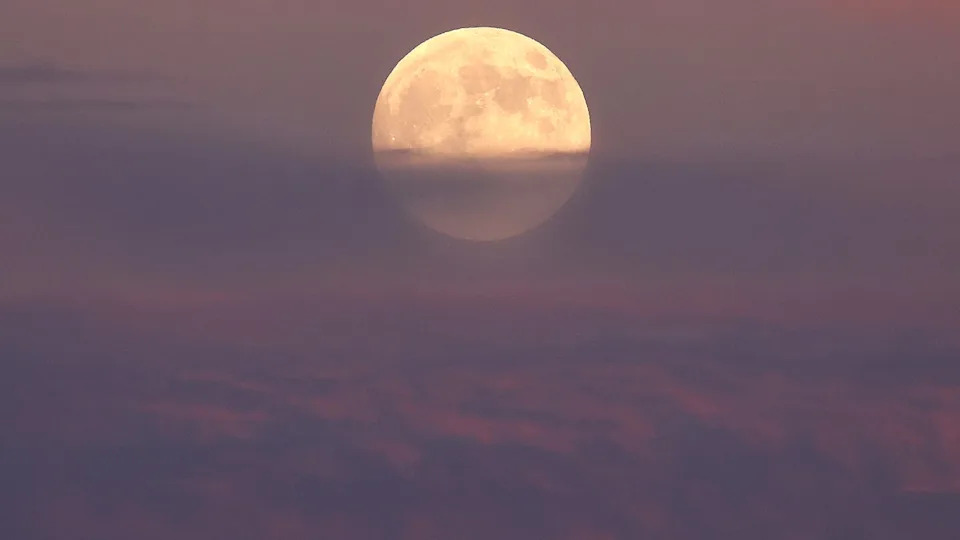
The Hunter's Supermoon rises on October 16, 2024 near Lancaster, California.
The Orionid meteor shower peaks Oct. 21–22 and typically produces at least ~20 meteors per hour, with particles originating from Halley’s Comet and striking the atmosphere at high speed.
November — Leonids (Nov. 17–18) & Uranus at Opposition (Nov. 25)
The Leonids peak Nov. 17–18 and usually yield about 10–20 meteors per hour; historically they have produced dramatic storms roughly every 33 years. On Nov. 25 Uranus reaches opposition, rising at sunset and offering the best annual opportunity to spot this distant planet when it’s brightest.
December — Geminids (Dec. 13–14), Ursids (Dec. 21–22) & Christmas-Eve Supermoon (Dec. 24)
The Geminids — widely regarded as the year’s best meteor shower — peak Dec. 13–14. With a thin crescent Moon that night, Northern Hemisphere observers under dark skies may see rates up to ~120 meteors per hour and an especially colorful display.
The smaller Ursid shower peaks Dec. 21–22 for late-night viewing, and the year closes with a bright supermoon on Dec. 24, when the full Moon will appear noticeably larger and brighter near the horizon.
Quick Observing Tips
- For meteors: find the darkest possible sky, allow 20–30 minutes for your eyes to adapt, and look toward the shower’s radiant but don't fixate there — meteors appear across the sky.
- For eclipses: use certified solar filters for any solar viewing and never look directly at the Sun without protection. Plan travel well in advance for total or annular eclipse paths.
- For auroras and planets: check local weather, moon phase and apps/websites that forecast auroral or planetary visibility for precise timing and location.
Whether you plan to watch from your backyard or travel for an eclipse, 2026 offers many chances to connect with the sky. Mark your calendar and prepare your gear — binoculars, telescope, star charts and a good camera can all enhance the experience.
Help us improve.