January’s sky centers on oppositions: Asteroid 40 Harmonia reaches full opposition on the evening of January 2 and will require a decent telescope to see. The Wolf Moon becomes a supermoon at 5:03 a.m. EST on January 3, likely dimming the Quadrantids meteor shower that peaks overnight Jan 3–4. Jupiter reaches opposition at 3:34 a.m. EST on January 10 and will be visible all night; its Galilean moons are detectable with small telescopes or good binoculars.
January Stargazing: Supermoon, Asteroid Harmonia and Jupiter at Opposition
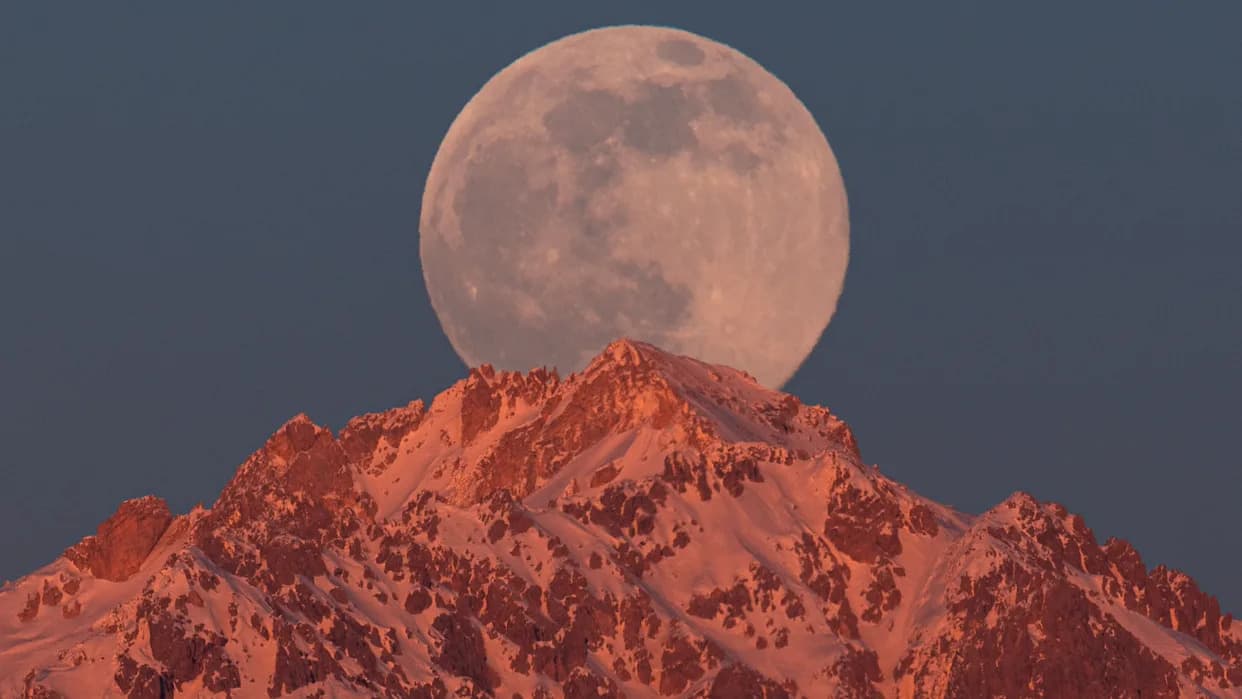
The moon sets behind Monte Prena in Gran Sasso d'Italia National Park in January 2022.
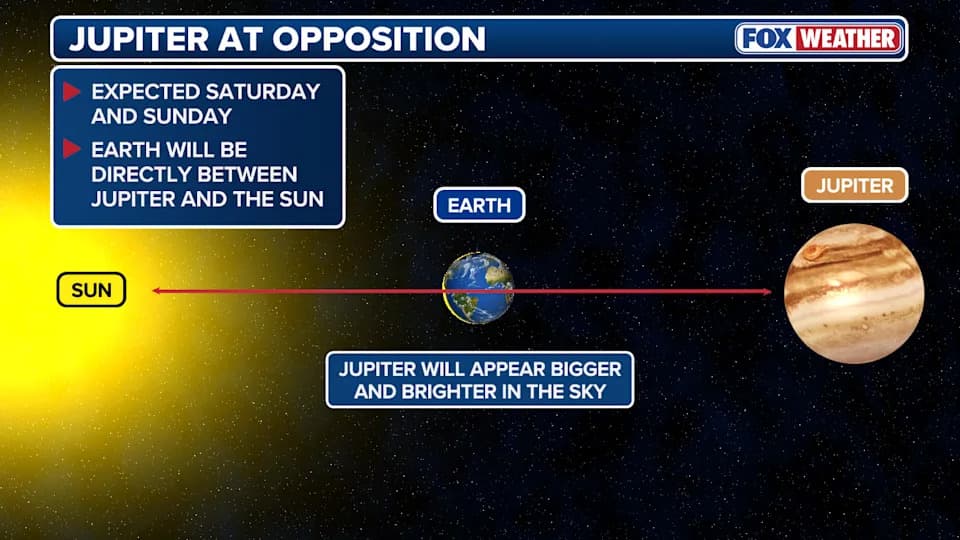
The 2026 stargazing calendar opens with a clear theme: opposition. In astronomy, an opposition occurs when a celestial body lies directly opposite the Sun from Earth’s perspective, making it both fully illuminated and well separated from the Sun’s glare — ideal conditions for observation. Below are the highlights to watch for in January.
Jan 2 — Asteroid 40 Harmonia
January begins with a chance to observe Asteroid 40 Harmonia, a large main-belt asteroid orbiting between Mars and Jupiter. Harmonia measures just under 70 miles (about 112 km) across, placing it among the largest 1% of known asteroids.
Harmonia reaches full opposition on the evening of January 2. You will need a reasonably powerful telescope to spot it; observers should aim to view the asteroid near its highest elevation above the southern horizon shortly before midnight, when it will be best placed for viewing.
Jan 3 — The Wolf Moon (Supermoon)
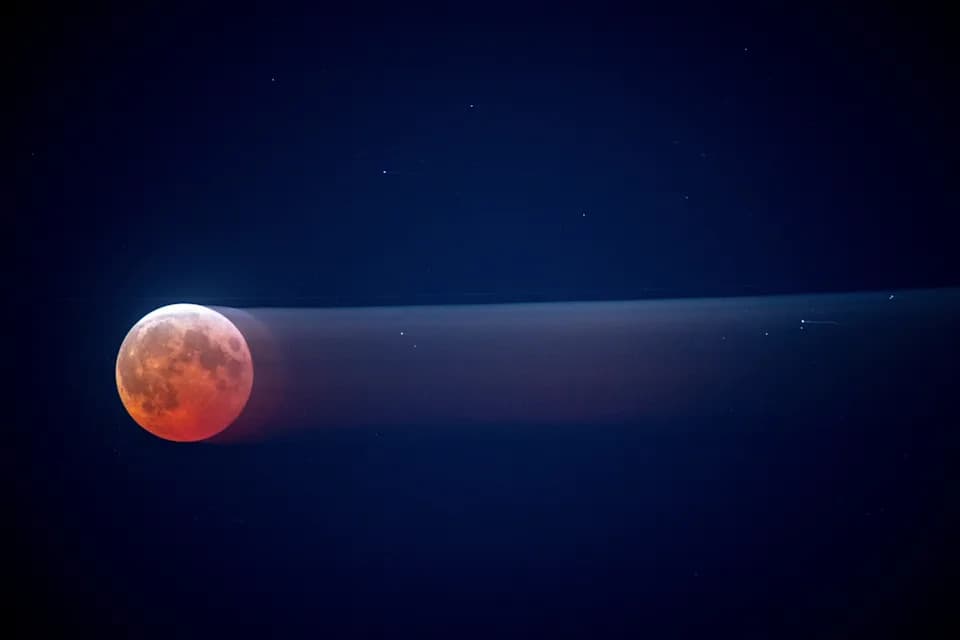
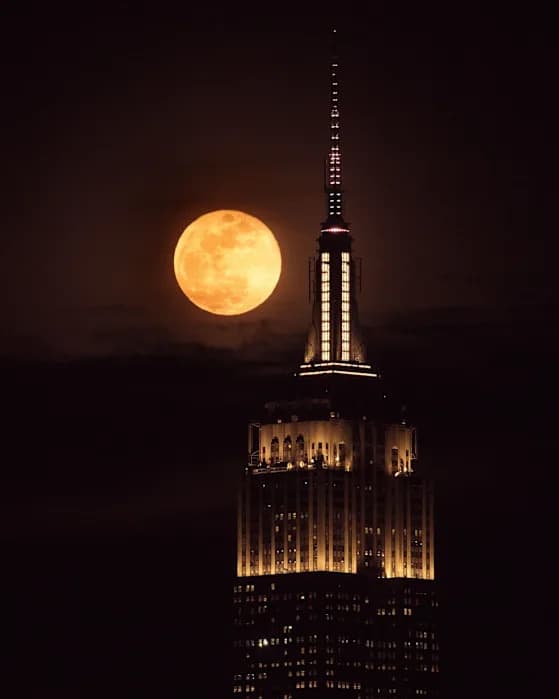
The first full Moon of 2026 — the Wolf Moon — will be a supermoon, the fourth consecutive one. According to the Farmer’s Almanac, the Moon reaches full illumination at 5:03 a.m. EST on January 3. A supermoon occurs when the full Moon coincides with a perigee (its closest approach to Earth), making the Moon appear slightly larger and brighter than average.
This event reinforces the opposition theme: a full Moon happens when the Moon and Sun are on opposite sides of Earth, so the lunar hemisphere facing us is fully illuminated by sunlight.
Jan 3–4 — Quadrantids Meteor Shower
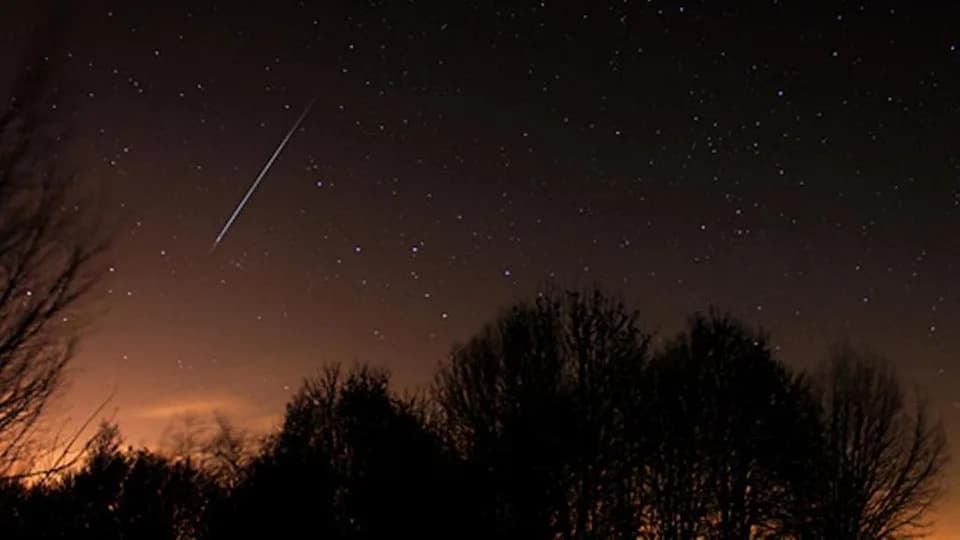
The Quadrantids peak overnight on January 3 into the early hours of January 4. Unfortunately, the bright supermoon will likely wash out many of the fainter meteors; however, the Quadrantids can produce bright, colorful fireballs, so you may still see a few particularly bright meteors — best viewed from a dark, northeastern horizon during the pre-dawn hours.
Jan 10 — Jupiter at Opposition
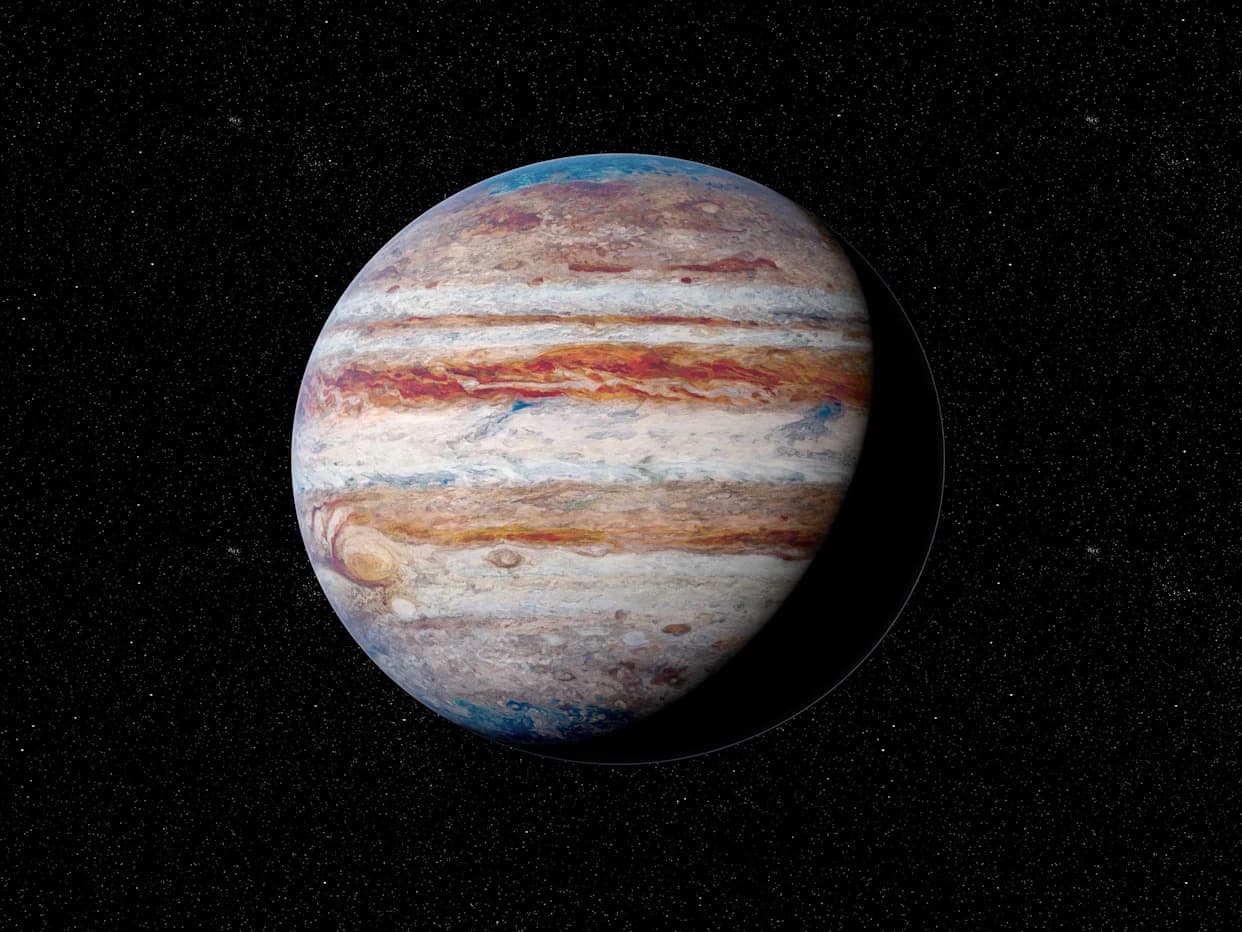
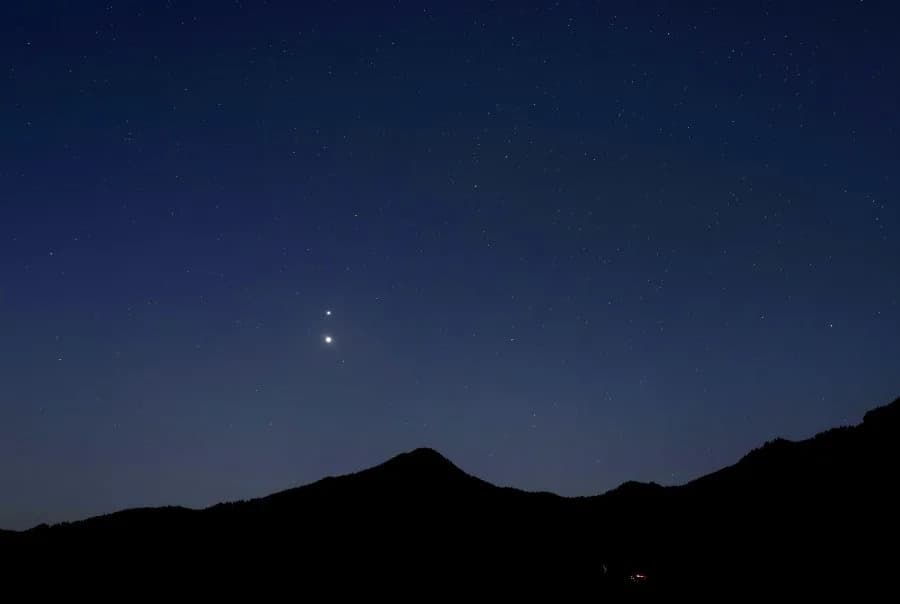
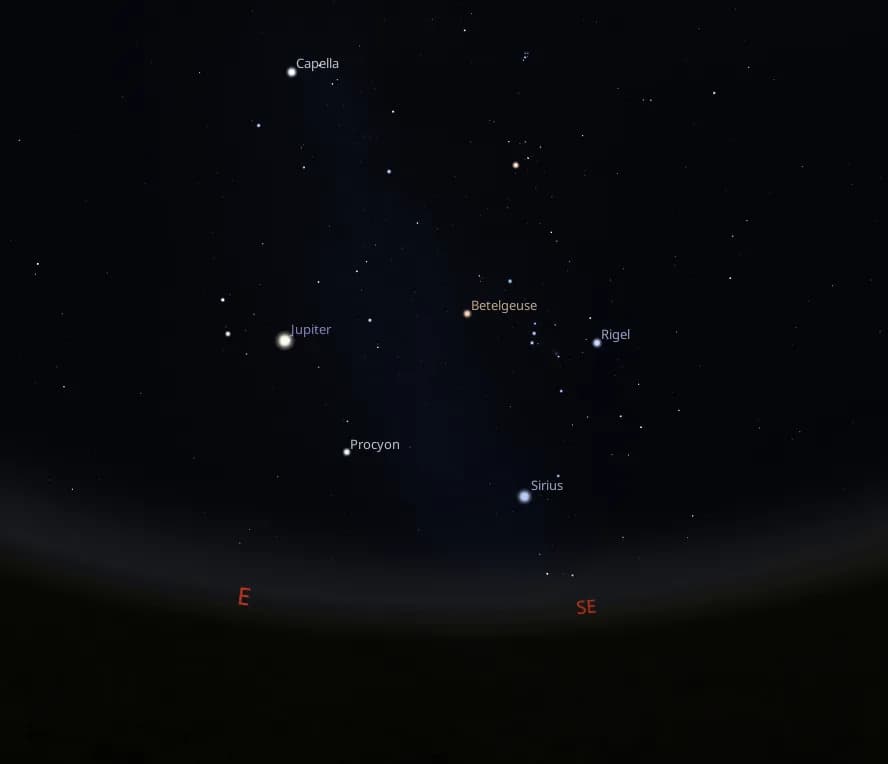
The opposition theme continues when Jupiter reaches exact opposition at 3:34 a.m. EST on January 10. Jupiter will rise in the east around sunset and remain visible all night, reaching its highest point near midnight. The planet’s brightness and altitude make January 10 one of the best nights this year to observe Jupiter.
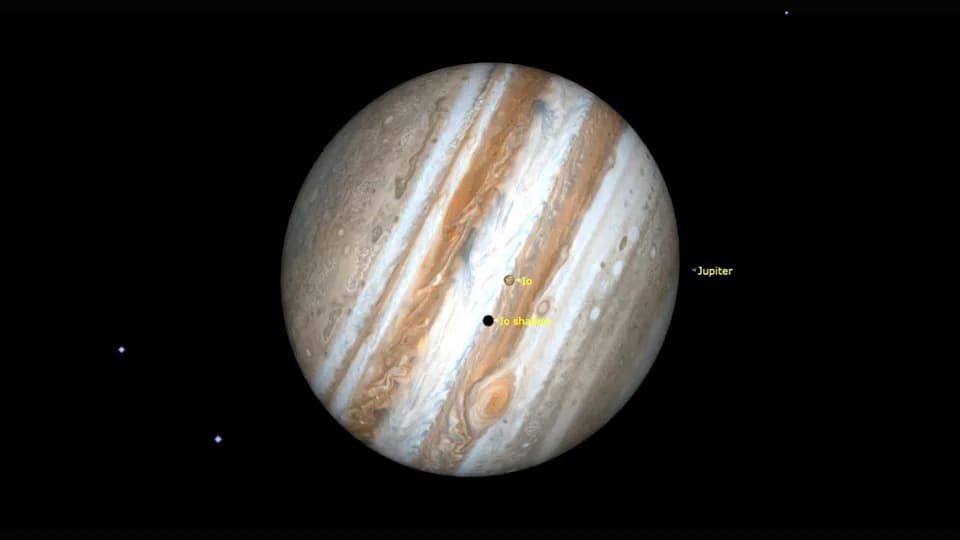
Even small telescopes or good binoculars should reveal Jupiter’s four Galilean moons — Io, Europa, Ganymede and Callisto — first reported by Galileo Galilei in 1610. With a modest telescope you may also see cloud bands and, on good nights, the Great Red Spot.
Stargazing Tips
- Get away from city lights — darker skies dramatically improve visibility.
- Allow your eyes to adapt to the dark for at least 20–30 minutes.
- Bring binoculars or a small telescope for the best views of Harmonia and Jupiter’s moons.
- Check local weather and astronomical seeing conditions before you go out.
Enjoy January’s celestial lineup — opposition brings some of the best viewing opportunities of the year. Until next month!
Help us improve.