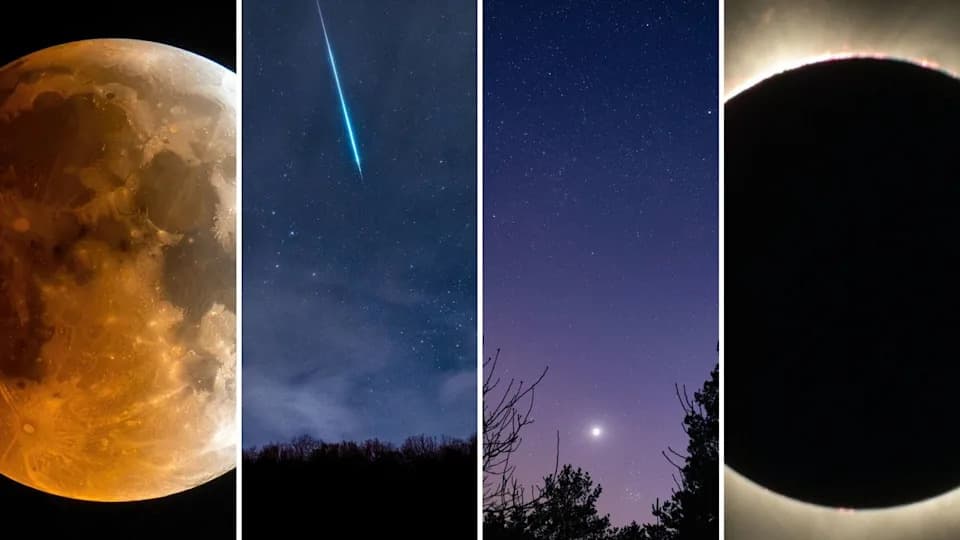
2026 promises a busy sky: 13 full moons (including a blue moon on May 31), three supermoons and major meteor showers led by the Perseids and Geminids. NASA lists two solar eclipses (an annular eclipse over Antarctica on Feb 17 and a total solar eclipse on Aug 12) and two lunar eclipses (a total lunar eclipse on Mar 3 and a partial eclipse Aug 27–28). February brings a parade of six visible planets and several striking moon–planet conjunctions throughout the year.
What to Watch in the Sky in 2026: Supermoons, Meteor Showers, Eclipses and Planetary Events
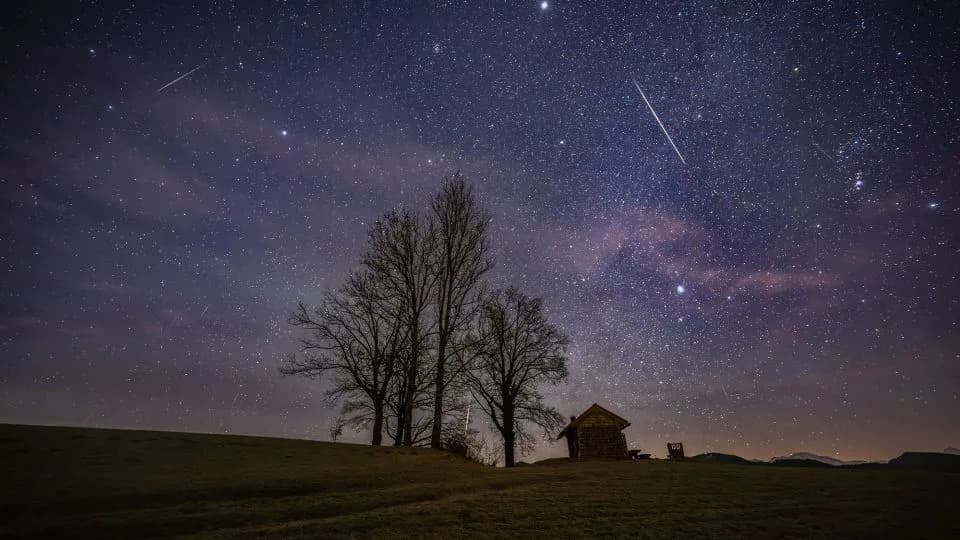
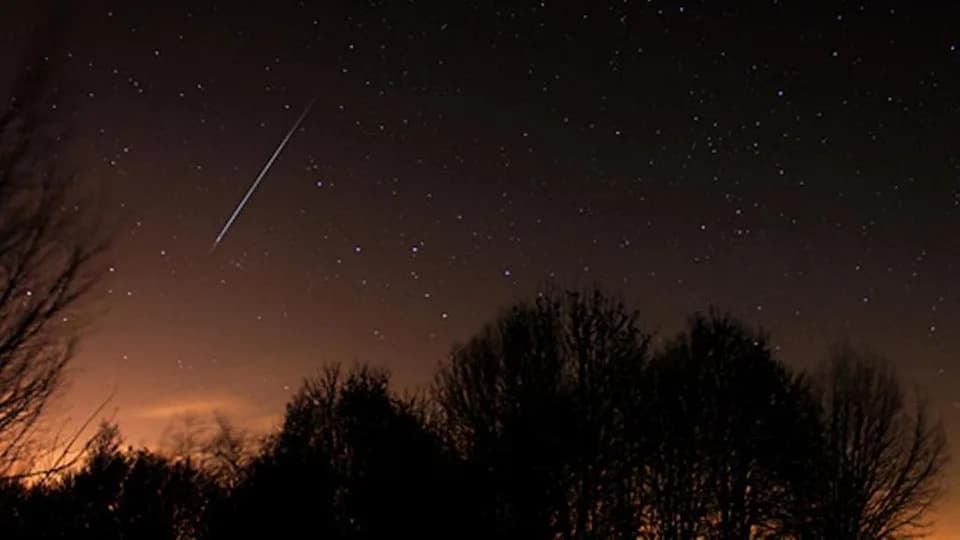
The Geminid meteor shower peaks in the early morning hours over Austria in December. - Georg Kukuvec/APA-Images/Shutterstock
Bright full moons, vivid meteor showers and several notable eclipses make 2026 a rich year for sky-watchers. The year begins in early January with the wolf moon, the first of three supermoons, and features striking celestial events throughout the year — from a rare 13th full moon to two solar eclipses and two lunar eclipses.
January: Supermoon and the Quadrantids
The year opens with a supermoon in early January. Because a supermoon is closer to Earth than a typical full moon, it appears larger and brighter; that extra glare could wash out fainter meteors and reduce visibility of the Quadrantid meteor shower, which is forecast to peak between 4 and 7 p.m. ET. Stargazers hoping to catch Quadrantid meteors should plan around the moonlight.
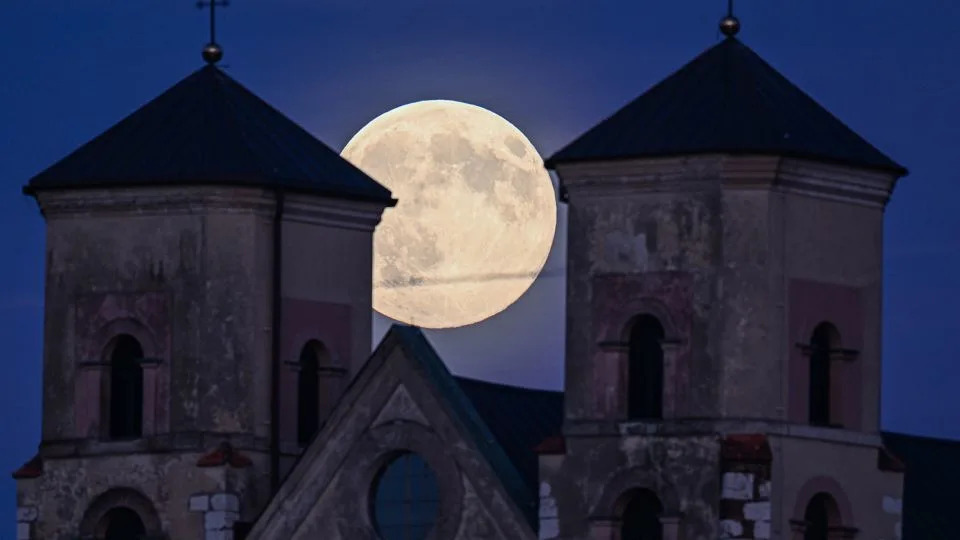
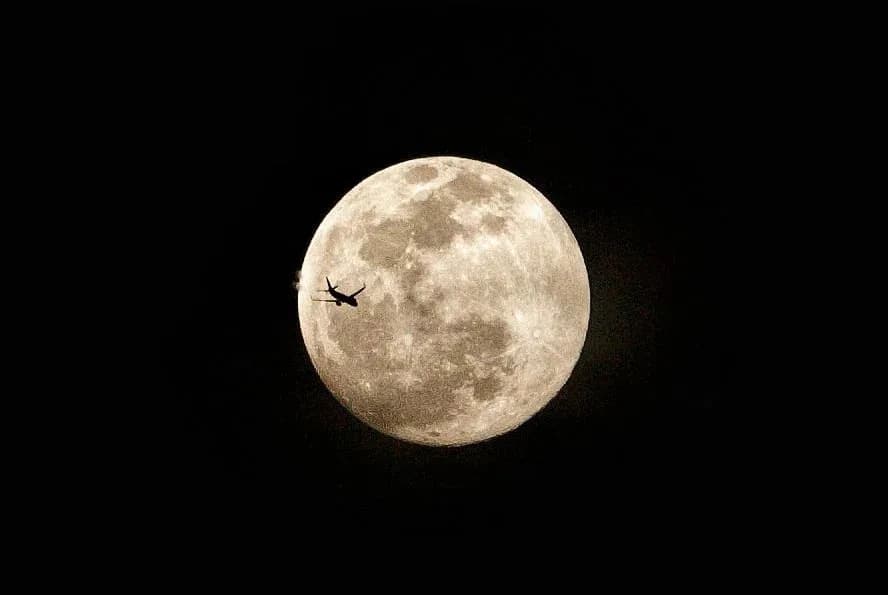
A supermoon rises behind the Benedictine Abbey in November in Kraków, Poland. - Omar Marques/Anadolu/Getty Images
Full Moons and a Blue Moon
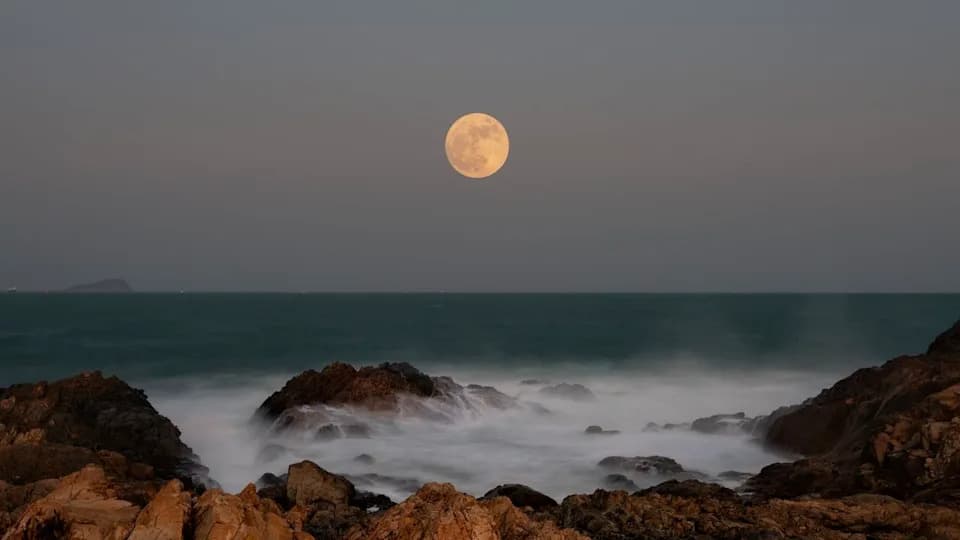
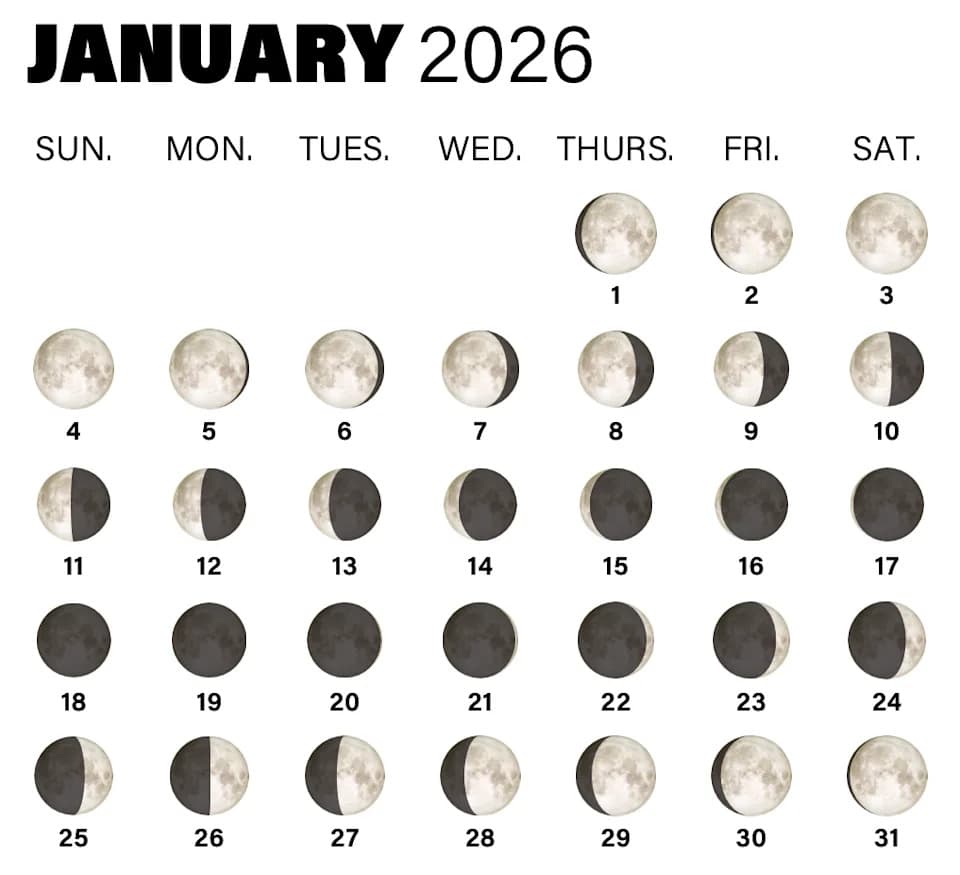
Most years have 12 full moons, but 2026 will feature 13 full moons, including a second full moon in May — a so-called blue moon on May 31. After January’s supermoon, the other two supermoons arrive in November and December. December’s supermoon will be the closest of the year, about 221,667 miles (356,740 km) from Earth.
Full moons (Farmers’ Almanac):
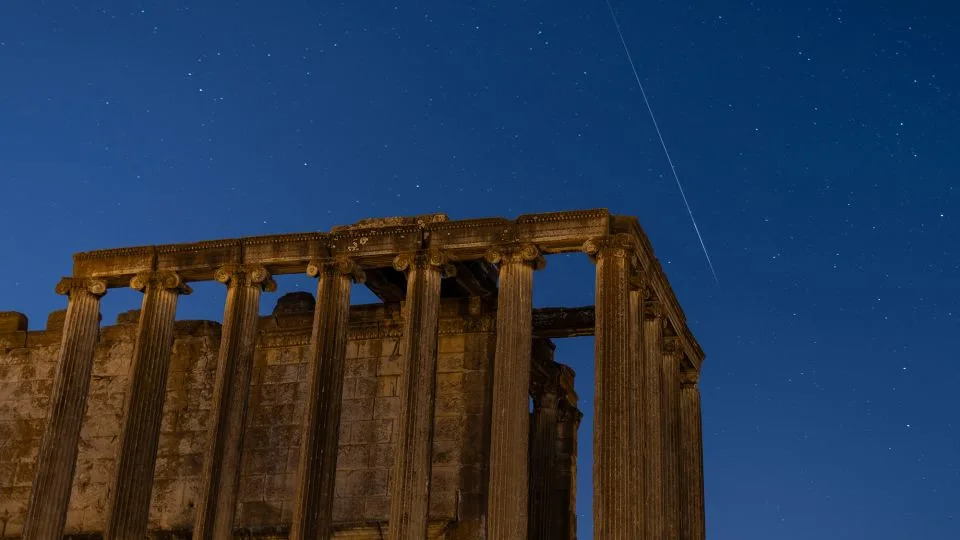
The Perseids streak above the Temple of Zeus at Aizanoi, an ancient city in Turkey, in August. - Kemal Aslan/AFP/Getty Images
- February 1: Snow Moon
- March 3: Worm Moon
- April 1: Pink Moon
- May 1: Flower Moon
- May 31: Blue Moon
- June 29: Strawberry Moon
- July 29: Buck Moon
- August 28: Sturgeon Moon
- September 26: Harvest Moon
- October 26: Hunter’s Moon
- November 24: Beaver Moon
- December 23: Cold Moon
Meteor Showers to Note
After the January Quadrantids, the next major shower is the Lyrids in April. The American Meteor Society lists these peak dates for 2026:
- Lyrids: April 21–22
- Eta Aquariids: May 5–6
- Southern Delta Aquariids: July 30–31
- Alpha Capricornids: July 30–31
- Perseids: August 12–13
- Orionids: October 21–22
- Southern Taurids: November 4–5
- Northern Taurids: November 11–12
- Leonids: November 16–17
- Geminids: December 13–14
- Ursids: December 21–22
“The Perseids and the Geminids will be the best showers of the year,” said Robert Lunsford, fireball report coordinator for the American Meteor Society. "The Perseids are predicted to peak with no lunar interference."
The Geminids produced especially strong rates in 2025 — as high as 135 meteors per hour in places — and similar rates are possible again in 2026 when the moon has set.
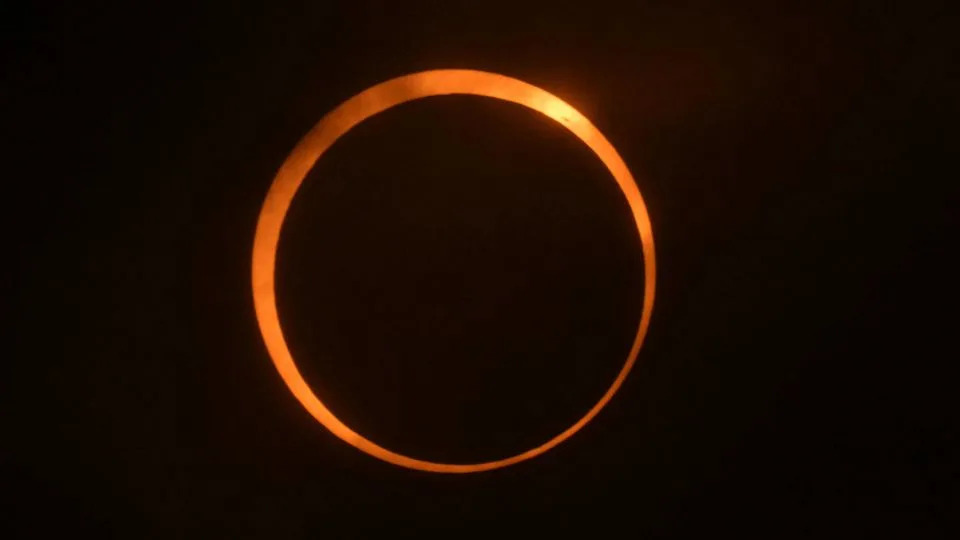
An annular solar eclipse appears above Puerto San Julián, Argentina, in October 2024. - Juan Mabromata/AFP/Getty Images
Eclipses: Two Solar, Two Lunar
NASA lists four eclipses in 2026:
- Annular Solar Eclipse — February 17: Path across Antarctica; partial crescent eclipse visible from parts of Antarctica, Africa and South America. Annular eclipses occur when the Moon is near apogee and cannot fully cover the Sun, creating a ring-of-fire effect.
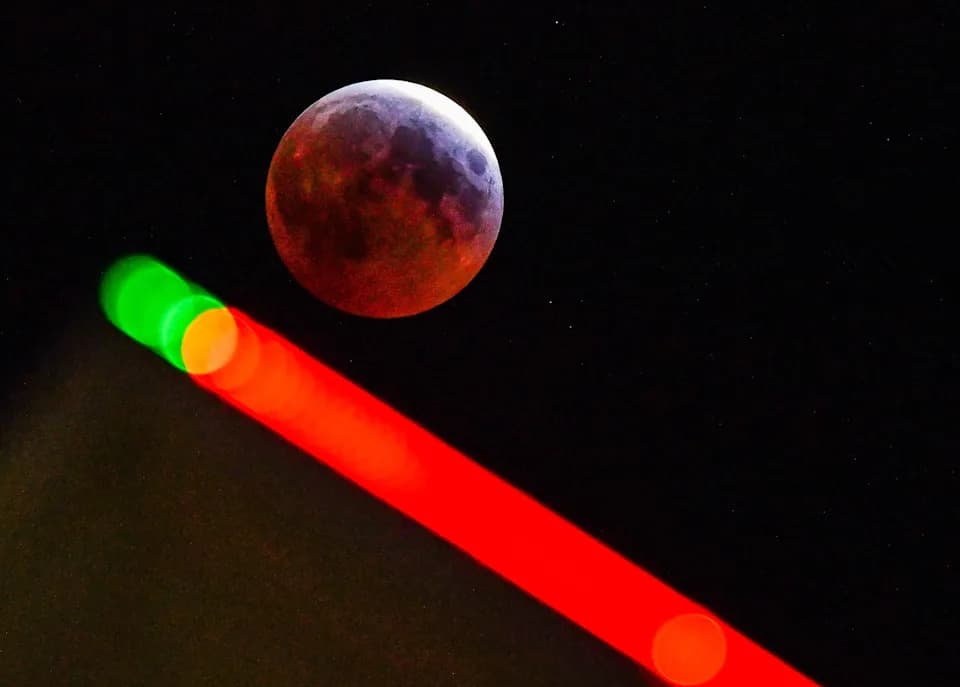
- Total Lunar Eclipse — March 3: Visible from Asia, Australia, the Pacific Islands and the Americas. During totality the Moon often takes on a coppery or reddish hue as sunlight is refracted through Earth’s atmosphere.
- Total Solar Eclipse — August 12: Path of totality crosses Greenland, Iceland, Spain, Russia and part of Portugal; a partial eclipse will be visible across much of Europe, Africa and North America.
- Partial Lunar Eclipse — August 27–28: Visible in the Americas, Europe, Africa and western Asia.
Important safety note: always use proper solar eclipse glasses or indirect viewing methods when observing solar eclipses — looking directly at the Sun without protection can cause permanent eye damage.
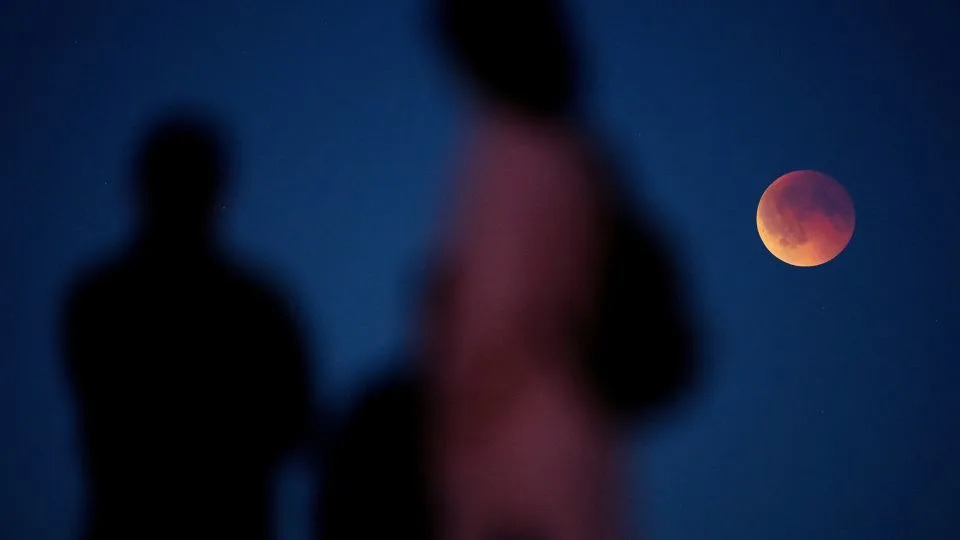
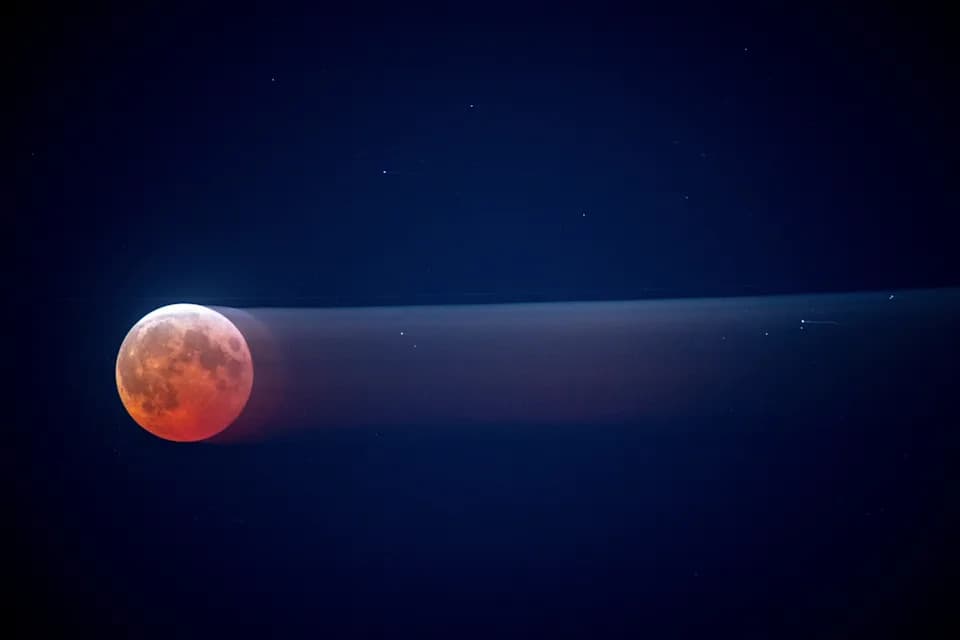
People watch a blood moon during a total lunar eclipse in Køge, Denmark, in September. - Mads Claus Rasmussen/Ritzau Scanpix Denmark/Reuters
For exact timing and visibility maps, check TimeandDate or other reliable astronomical resources.
Planets and Notable Conjunctions
February offers a parade of six planets visible from Earth. Saturn will be low on the horizon, while Venus and Mercury rise near the setting Sun; Neptune will lie close to Saturn but will require binoculars or a telescope. Uranus will be near the Moon on February 23 (binoculars/telescope recommended), and Jupiter will be bright in the east in early evenings, near the Moon on February 26.
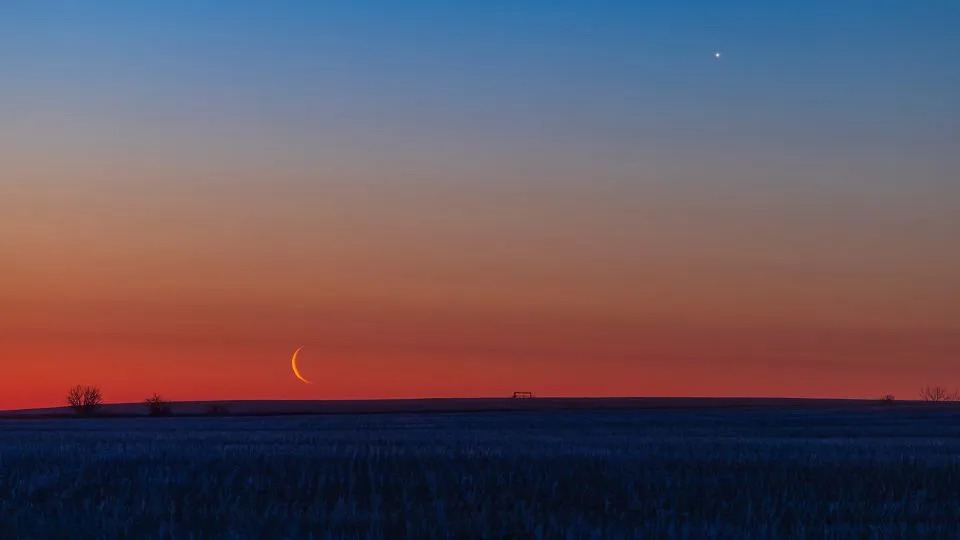
A crescent moon and bright Venus can be seen over southern Alberta in April. - Alan Dyer/VWPics/Universal Images Group/Getty Images
Other highlights:
- May 19: Thin crescent Moon between Jupiter and Venus after sunset.
- June 8–9: Venus and Jupiter appear side by side and seem to swap positions, creating a striking double-planet illusion.
- Early October (Oct 6): From parts of North America east of St. Louis, the Moon will appear to occult (hide) Jupiter temporarily in predawn hours.
- November 16: Mars appears close to Jupiter in the eastern predawn sky.
- December 4: Crescent Moon pairs with bright Venus while Jupiter and Mars form a notable duo.
How to Plan Your Observing
Best viewing requires dark skies, clear weather and correct timing. Bring binoculars or a small telescope for faint planets (Uranus, Neptune) and for richer detail on planets like Jupiter and Saturn. Use local astronomy clubs and online tools like EarthSky, the American Meteor Society and TimeandDate for precise rise/set times, peak meteor rates and visibility maps.
With a mix of supermoons, a blue moon, strong meteor showers and multiple eclipses, 2026 promises many memorable nights for amateur astronomers and casual stargazers alike.
Help us improve.