
2026 promises an exciting lunar calendar: three supermoons (Jan. 3, Nov. 24, Dec. 23), an annular "ring of fire" eclipse on Feb. 17, a total lunar "blood moon" in early March and a total solar eclipse crossing parts of Europe on Aug. 12. Several close Moon–planet conjunctions — including a very tight pairing with Jupiter — offer excellent viewing opportunities, many best enjoyed with binoculars and a clear horizon.
13 Must-See Moon Events in 2026: Supermoons, Eclipses and Rare Planet Conjunctions

Two winter supermoons will bookend 2026. | Credit: RichVintage/Getty Images
A bevy of supermoons, a dramatic total solar eclipse, a "blood moon" total lunar eclipse and a string of beautiful close encounters between the crescent Moon and bright planets make 2026 a rewarding year for moon-watchers. Many events are visible to the unaided eye, though binoculars or a small telescope will improve the view for several sightings.
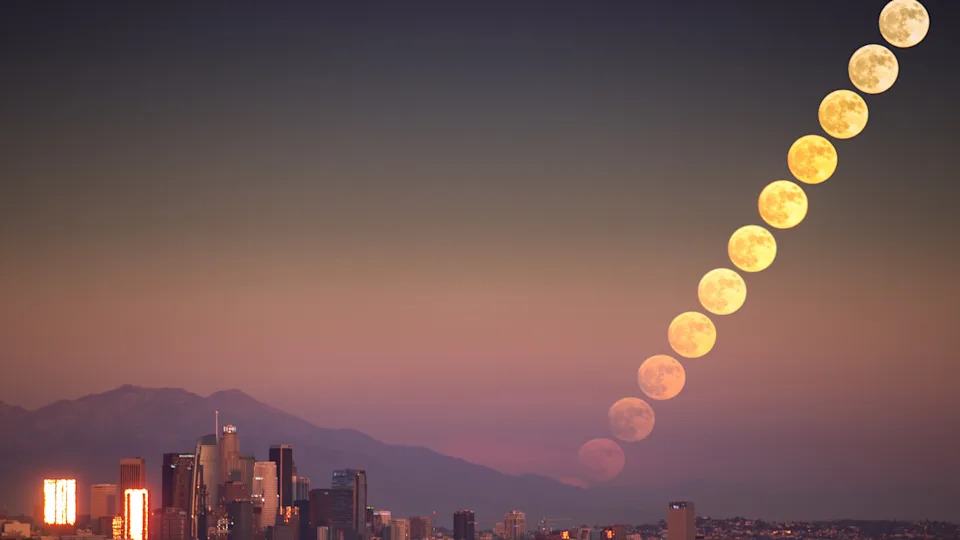
See a supermoon on Jan. 3, 2026. | Credit: Hal Bergman via Getty Images
Quick Viewing Tips
Binoculars: Useful for slim crescents, the Beehive Cluster (M44), and many planet–Moon pairings. Telescope: Great for details during lunar eclipses and close conjunctions. Solar Safety: Never look at the Sun without approved eclipse glasses or a solar filter — do not use binoculars or a telescope to view the Sun without proper filtering.
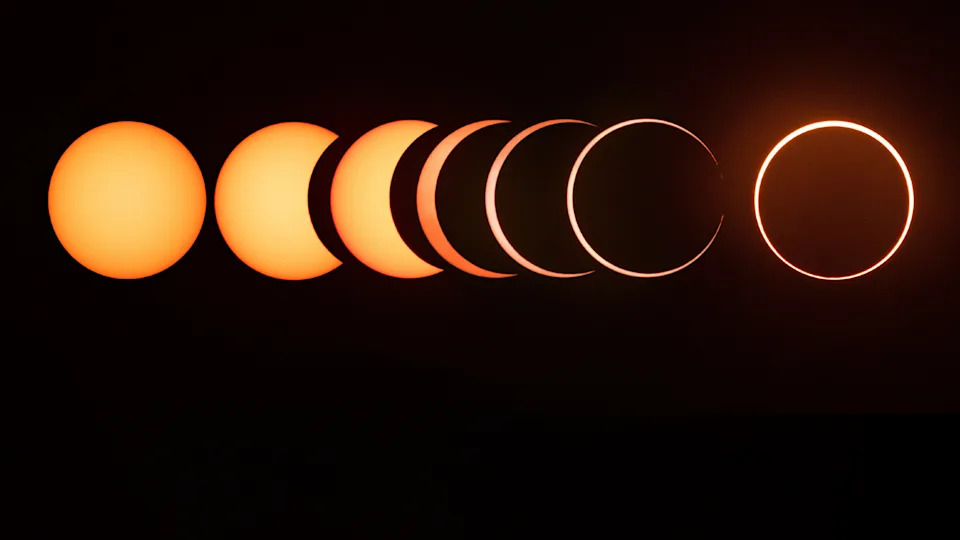
An annular solar eclipse will occur on Feb. 17, 2026. | Credit: goh keng cheong via Getty Images
Notable Events and Dates
Supermoons
2026 features three supermoons: Jan. 3, Nov. 24 and Dec. 23. The Dec. 23 full Moon will be the closest full Moon to Earth since 2019, at about 221,668 miles (356,740 km), making it the biggest and brightest full Moon in nearly eight years.
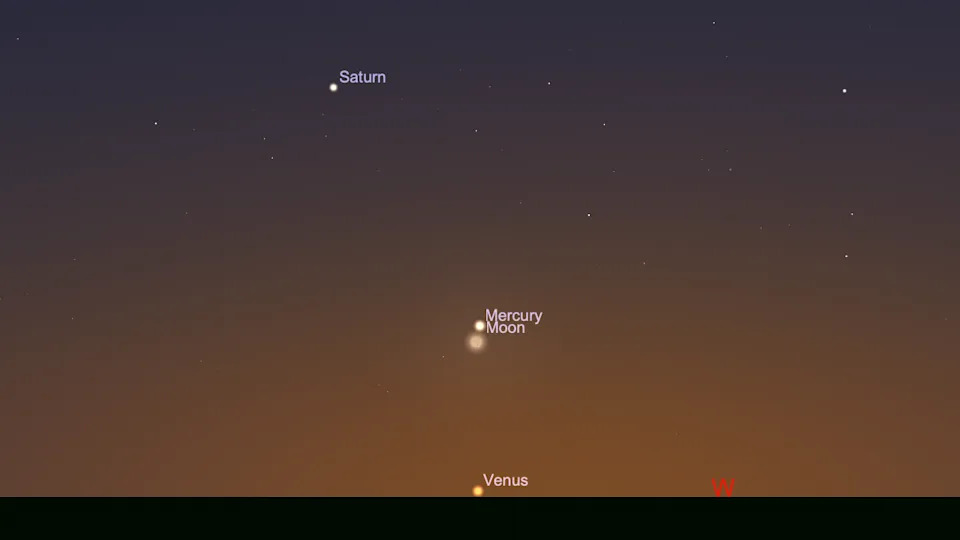
See a young moon and Mercury on Feb. 18, 2026. | Credit: Stellarium
Feb. 17 — Annular Solar Eclipse ("Ring of Fire")
An annular solar eclipse will occur on Feb. 17, with the Moon obscuring up to 96% of the Sun’s center for up to 2 minutes, 20 seconds. The full annular view is essentially limited to a few Antarctic research outposts — the French-Italian Concordia Station (interior) and the Russian Mirny Station (Queen Mary Land). Observers across other parts of Antarctica, and in portions of southern Africa and Argentina, will see a partial eclipse.
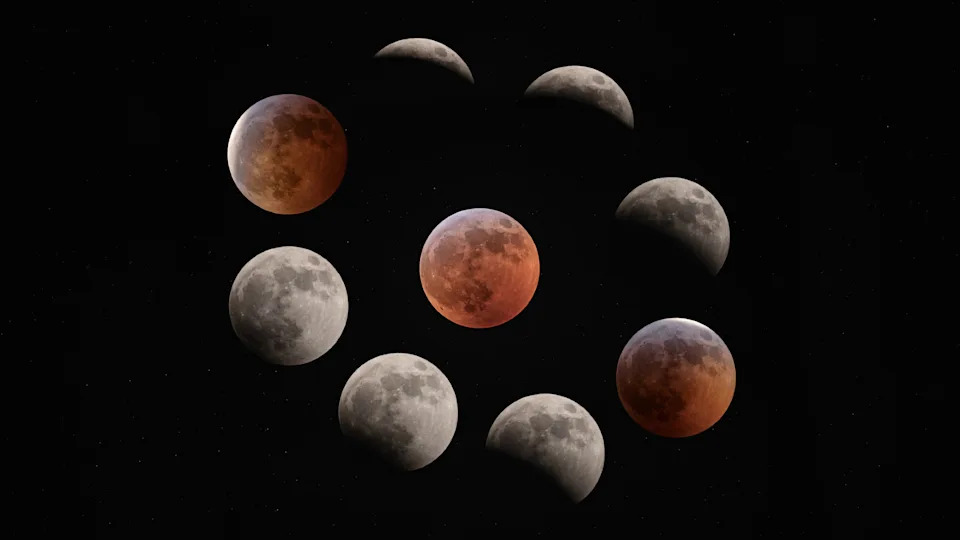
Don't miss the total lunar eclipse on March 2-3, 2026. | Credit: Jonkman Photography via Getty Images
Feb. 18 — Very Thin Crescent and Mercury Conjunction
About 45 minutes after sunset on Feb. 18, look low in the western sky for a very slim crescent Moon (≈2% illuminated) in close conjunction with Mercury. Binoculars are recommended. Venus will appear below the pairing, with Saturn above.
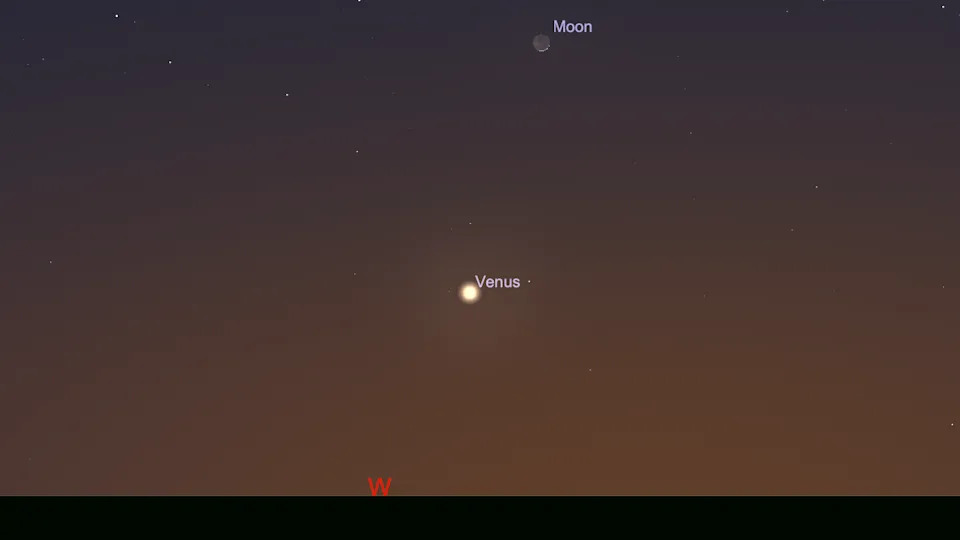
See the crescent moon close to Venus on March 20, 2026. | Credit: Stellarium
Early March — Total Lunar Eclipse ("Blood Moon")
A total lunar eclipse will darken the full Worm Moon in early March. The Moon should take on a reddish-orange hue — a "blood moon" — for roughly 58 minutes as seen from parts of western North America, Australia, New Zealand, East Asia and across the Pacific.
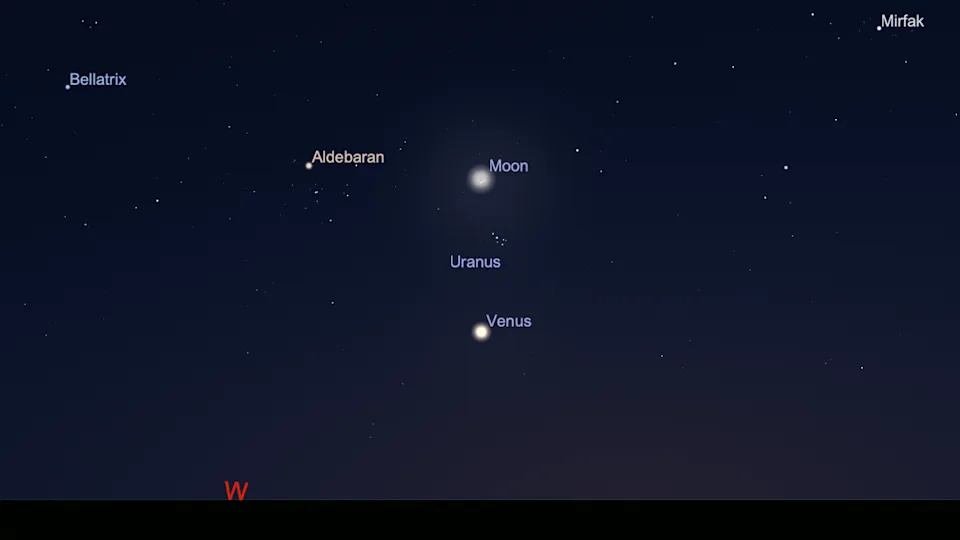
See a crescent moon, Venus and the Pleiades on April 19, 2025. | Credit: Stellarium
March 20 — Crescent Moon Near Venus
About 45 minutes after sunset on March 20, a young waxing crescent (≈5% lit) will hang above bright Venus. An unobstructed western horizon and binoculars will make this pairing easier to spot.
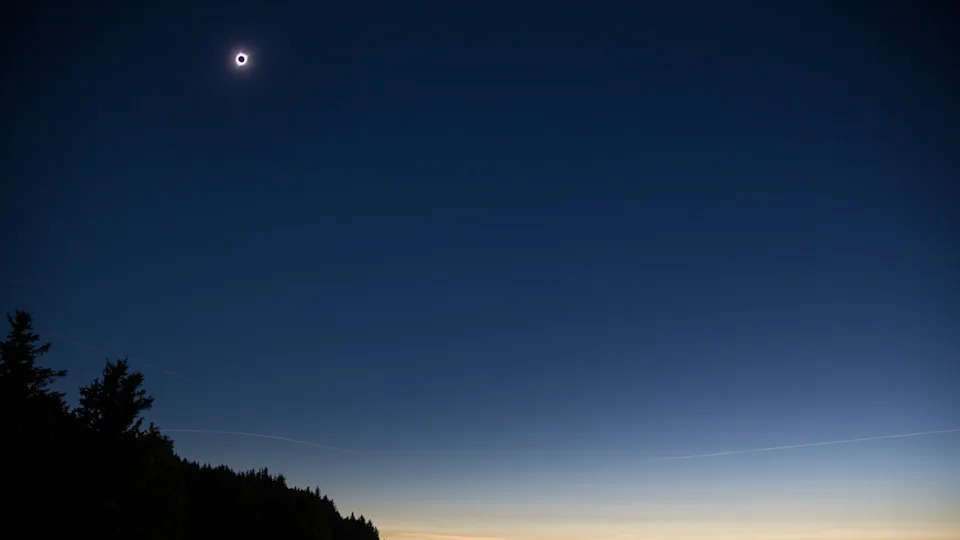
A total solar eclipse will be visible from parts of Europe on Aug. 12, 2026. | Credit: Tegra Stone Nuess via Getty Images
April 19 — Crescent Moon Close to the Pleiades
An hour after sunset on April 19, a 9%-lit waxing crescent Moon will pass near the Pleiades star cluster (the "Seven Sisters"), with Venus positioned below — a picturesque view near Orion’s setting stars.
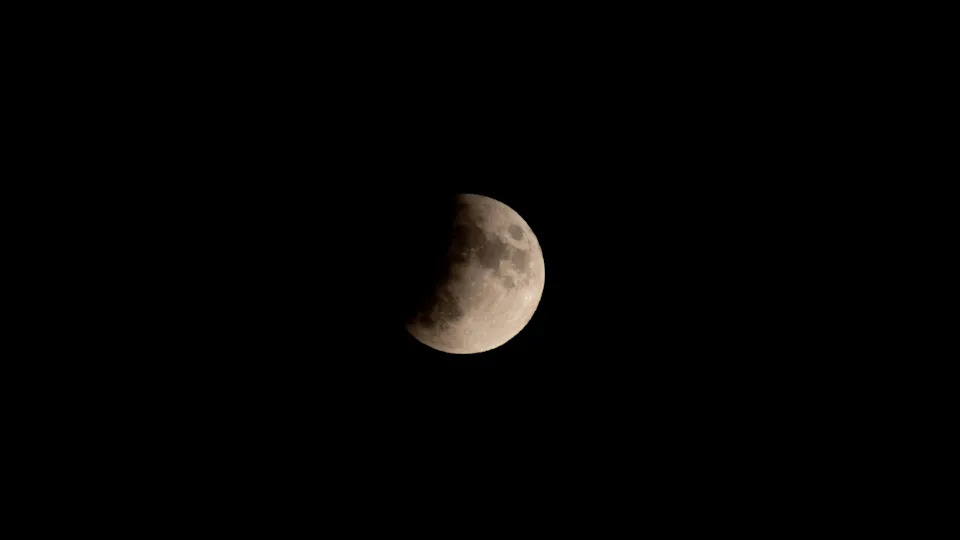
Don't miss the partial lunar eclipse on Aug. 27-28, 2026. | Credit: Apostoli Rossella via Getty Images
Aug. 12 — Total Solar Eclipse Across Europe
On Aug. 12, the Moon will completely block the Sun along a narrow path crossing eastern Greenland, western Iceland and northern Spain, producing up to 2 minutes, 18 seconds of totality at locations along the path. Much of Europe will experience a deep partial eclipse; North America will see a small partial eclipse. Observe with certified solar protection when outside totality.
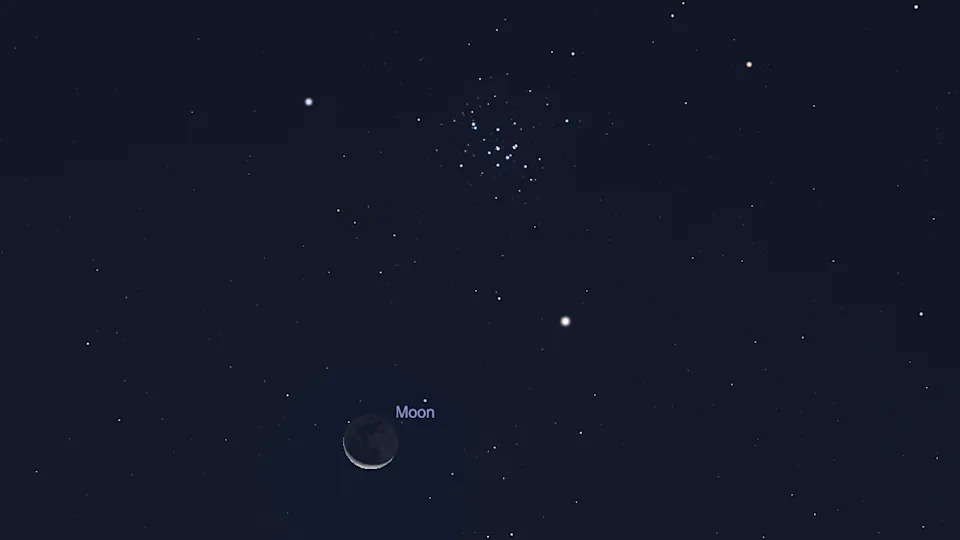
See a crescent moon close to M44 on Sept. 8, 2026. | Credit: Stellarium
Second Lunar Eclipse — Partial but Dramatic
The year’s second lunar eclipse will be visible from North America, South America, Europe and Africa. Although the Moon enters Earth’s central shadow, about 4% of the lunar disk remains outside the deepest shadow, so it will not reach totality. Expect a large portion of the lunar surface to redden as the shadow sweeps across and then recedes.
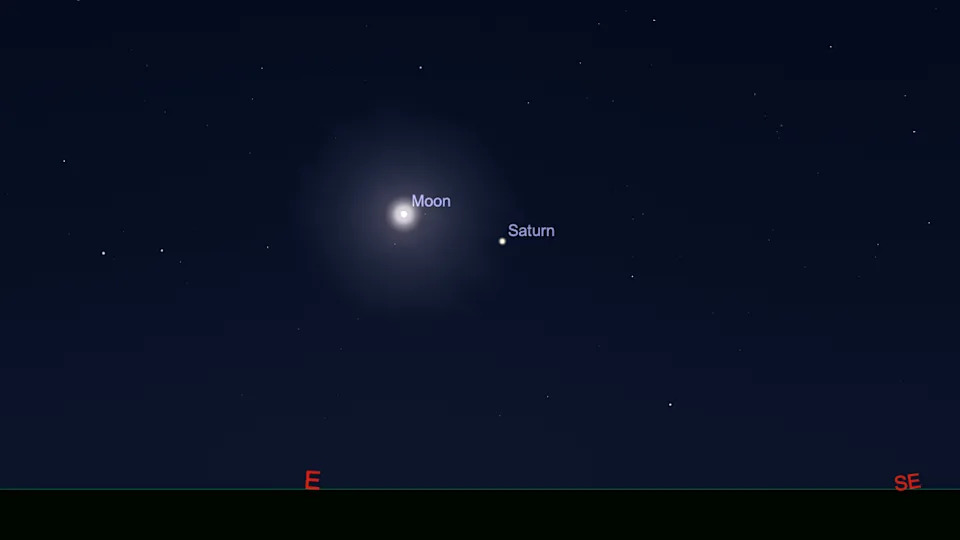
See the moon close to Saturn on Sept. 26, 2026. | Credit: Stellarium
Beehive Cluster and Waning Crescent
Look east about 45 minutes before sunrise for a 9%-lit waning crescent Moon just beneath the Beehive Cluster (M44). The Beehive contains roughly 1,000 stars and is best appreciated with binoculars.
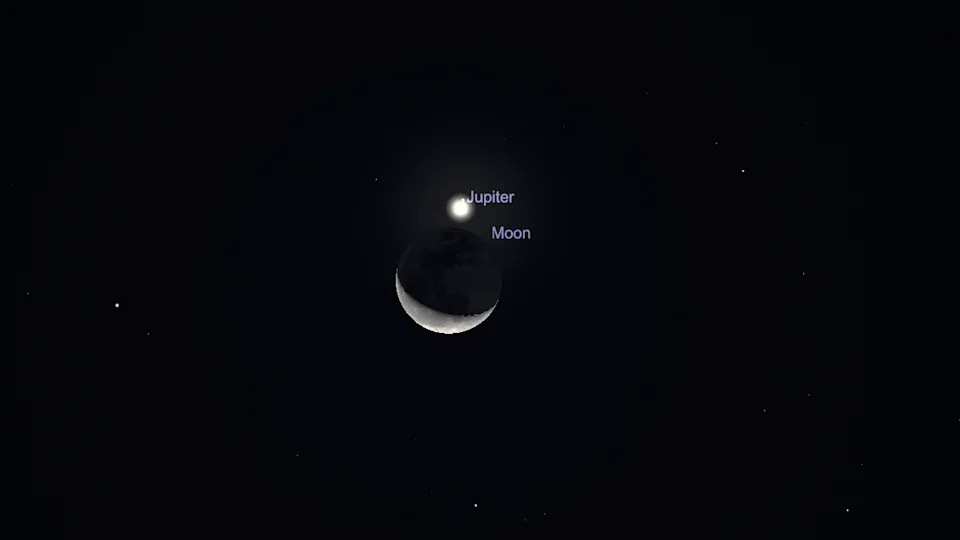
See a crescent moon close to Jupiter on Oct. 6, 2026. | Credit: Stellarium
Sept. 26 — Moon and Saturn
Saturn will be prominent late in 2026. On Sept. 26, just before the Moon turns full, the satellite will pass close to Saturn low in the eastern sky — an attractive target for early-evening observers.
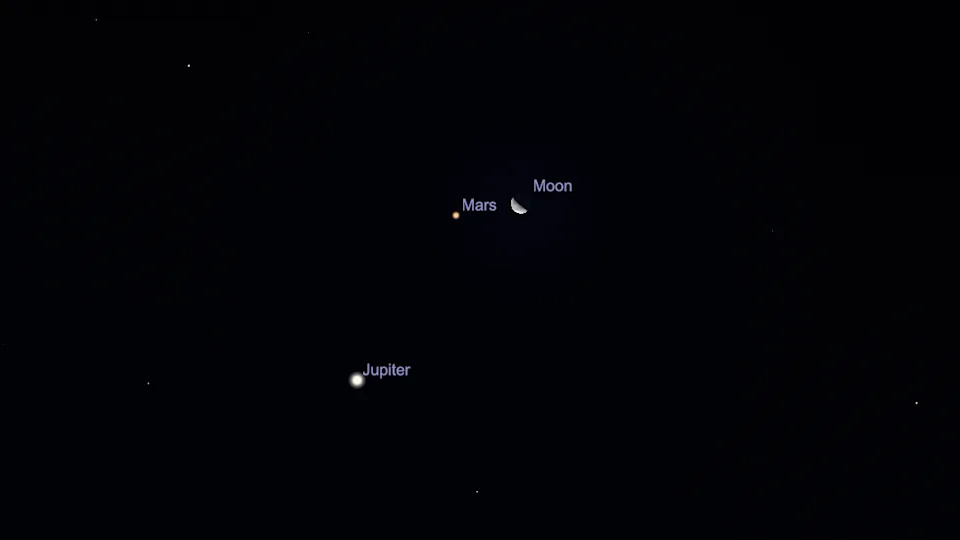
The moon and Mars will be in close conjunction on Nov. 2, 2026. | Credit: Stellarium
Rare Tight Conjunction With Jupiter
A very close conjunction with Jupiter will occur when the Moon and Jupiter are separated by only about 10 arc seconds (roughly three-thousandths of a degree). Best seen about 90 minutes before sunrise in the east, the Moon will be about 20% lit and Earthshine will reveal its darkened hemisphere as it sits nearest the giant planet.
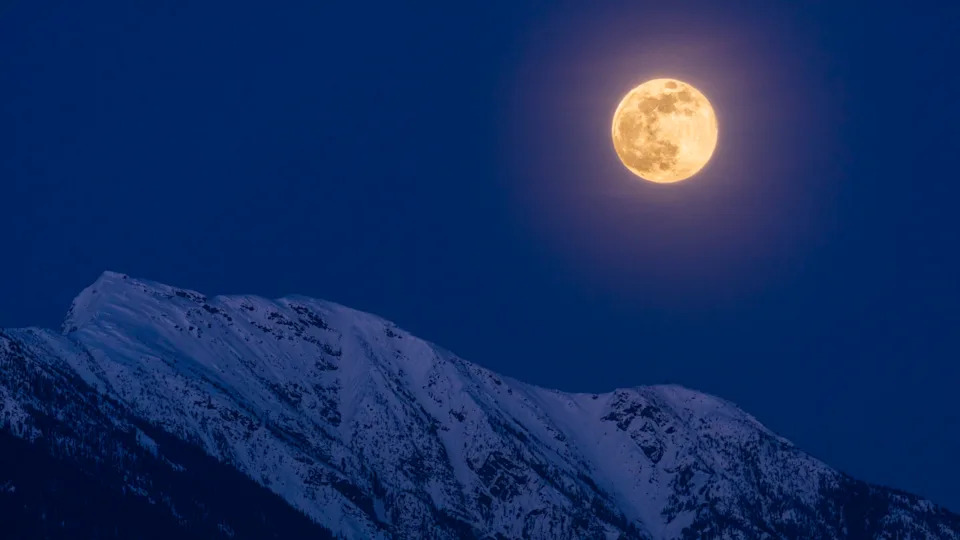
Don't miss the supermoon on Dec. 23. | Credit: Cavan Images via Getty Images
Nov. 2 — Moon, Mars and Jupiter
Mars returns to the pre-dawn sky by October. On Nov. 2, a 43%-lit waning crescent Moon will pass near Mars, with Jupiter just below — a nice pre-sunrise grouping.
Final Notes
Many of these events are excellent for casual observers and photographers alike. For best results, find a clear horizon, check local rise/set and eclipse timings for your location, and use binoculars for dim crescents and star-cluster pairings. Jamie Carter compiled these highlights in Stargazing In 2026: 50 Things To See In The Night Sky From North America.


