2026 is rich with naked-eye astronomy: a total solar eclipse on Aug. 12 (path across eastern Greenland, western Iceland and northern Spain) and a total lunar eclipse in March lasting about 58 minutes are the year's headline events. Major meteor showers — Eta Aquarids, Perseids (Aug. 12–13) and Geminids — offer strong displays, and there are three supermoons (Jan. 3, Nov. 24, Dec. 23). Notable planetary highlights include Jupiter at opposition in January and a close Mars–Jupiter conjunction around Nov. 15.
15 Skywatching Events You Can't Miss in 2026 — Eclipses, Meteor Showers & Planetary Conjunctions
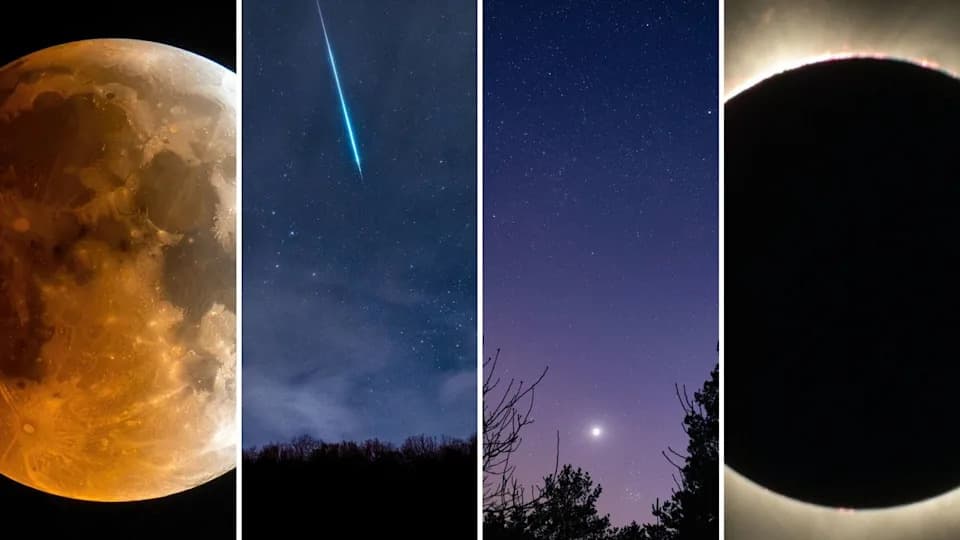
There is lots to look forward to in 2026! . | Credit: Created in Canva Pro
Skywatchers have a full year of spectacular naked-eye sights in 2026: total and partial eclipses, impressive planetary pairings, prolific meteor showers and several supermoons. All of the items below are visible without specialized gear, though a good pair of binoculars or a modest beginner telescope will greatly enhance the view.
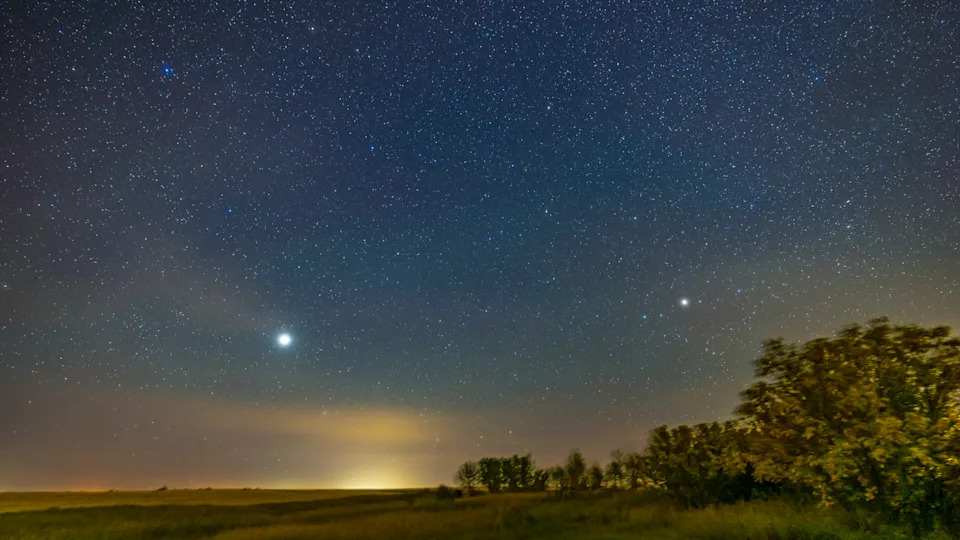
Jupiter will reach opposition on Jan. 10, 2026. | Credit: Alan Dyer/Stocktrek Images/Getty Images
Top 15 Sky Events in 2026
1. Jupiter at Opposition — Early January
Jupiter dominates the early-year sky when it reaches opposition in early January. At opposition the gas giant is brightest for the year, rises at sunset and remains visible through the night — an excellent time for observing its cloud bands and four largest moons.
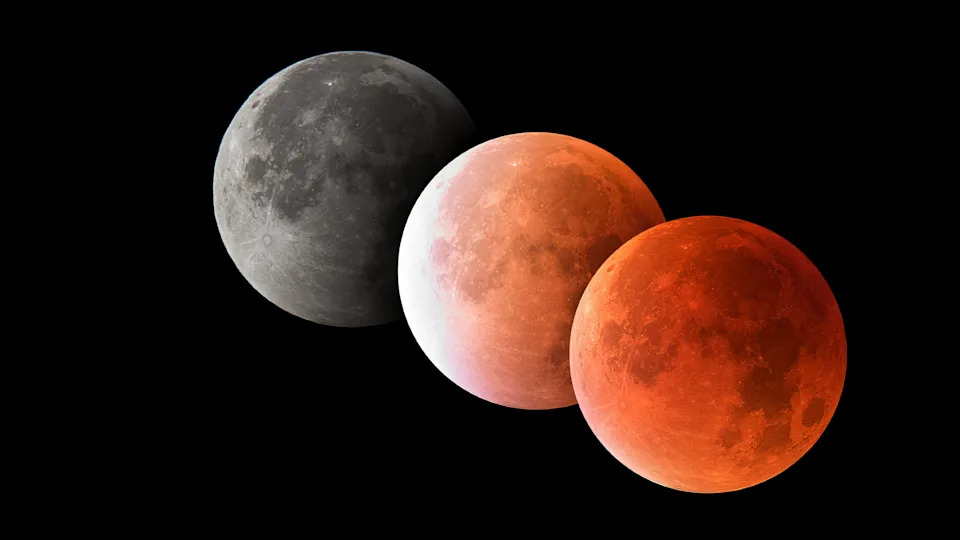
See a total lunar eclipse on March 3, 2026. | Credit: Westend61/Getty Images
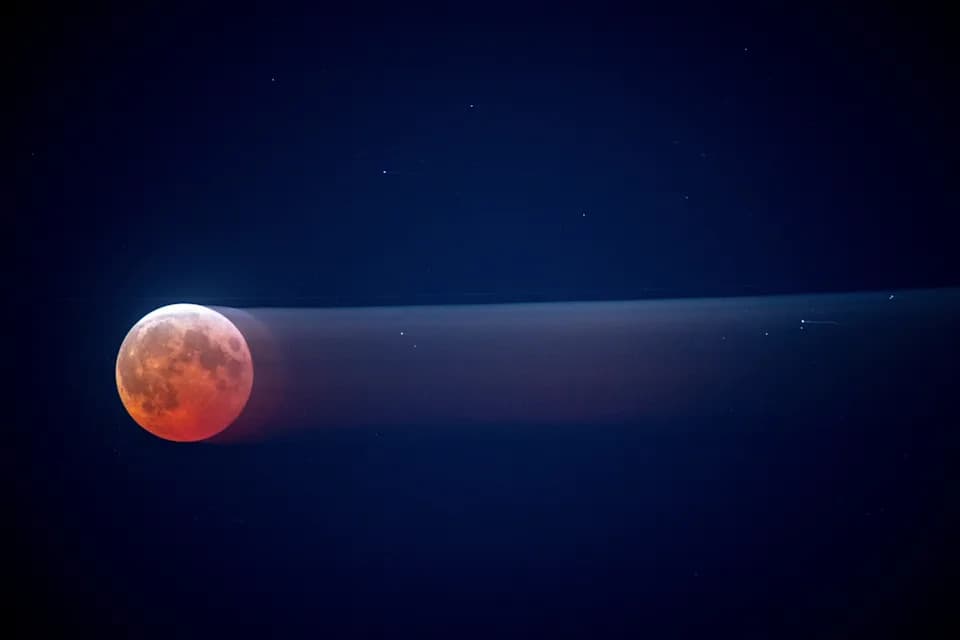
2. Total Lunar Eclipse (Worm Moon) — March
The year's only total lunar eclipse occurs in March, as the full "Worm Moon" passes through Earth's shadow and takes on a reddish-orange hue for roughly 58 minutes. The eclipse will be visible from western North America, Australia, New Zealand, East Asia and much of the Pacific. In North America, totality falls on the night of March 2 or in the early hours of March 3, depending on your time zone.
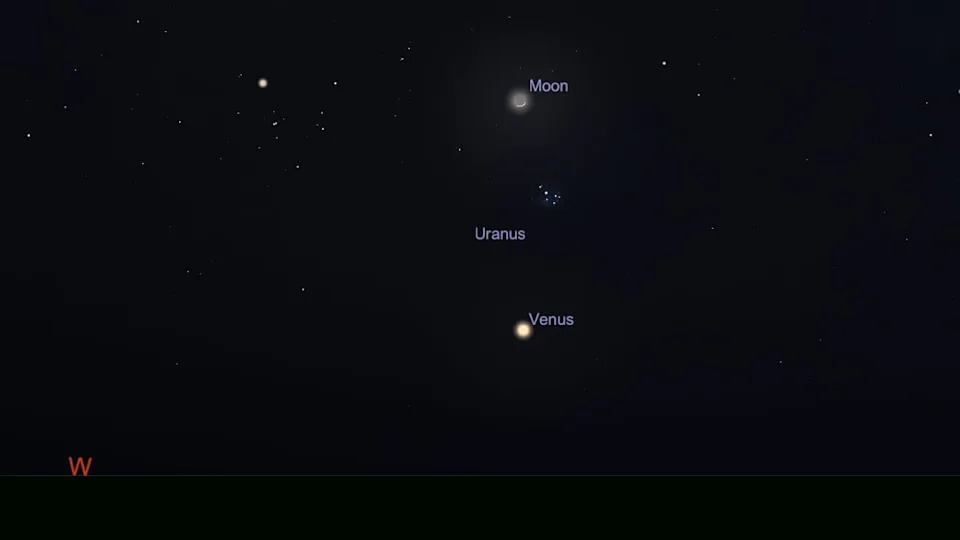
See the moon, the Pleiades and Venus together in April. | Credit: Stellarium
3. Eta Aquarid Meteor Shower — Spring (Peak Night)
Caused by debris from Halley's Comet, the Eta Aquarids can produce up to ~50 meteors per hour under ideal conditions. In 2026 a last-quarter moon rises near midnight, so early evening viewing favors those in the Southern Hemisphere for the best display.
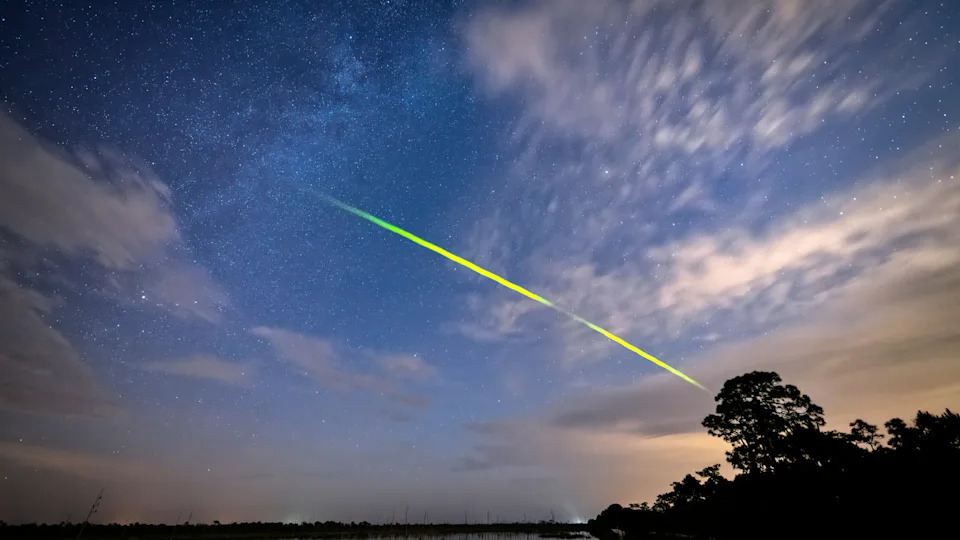
The Eta Aquarid meteor shower is caused by Halley's Comet. | Credit: Diana Robinson Photography/Getty Images
4. Venus–Jupiter Conjunction (Close Pair) — June 9
Venus and Jupiter, the two brightest planets, come within about 1.5° of each other in the western sky after sunset, with Mercury making a rare appearance below them. This close pairing is easily seen with the naked eye and striking through binoculars.
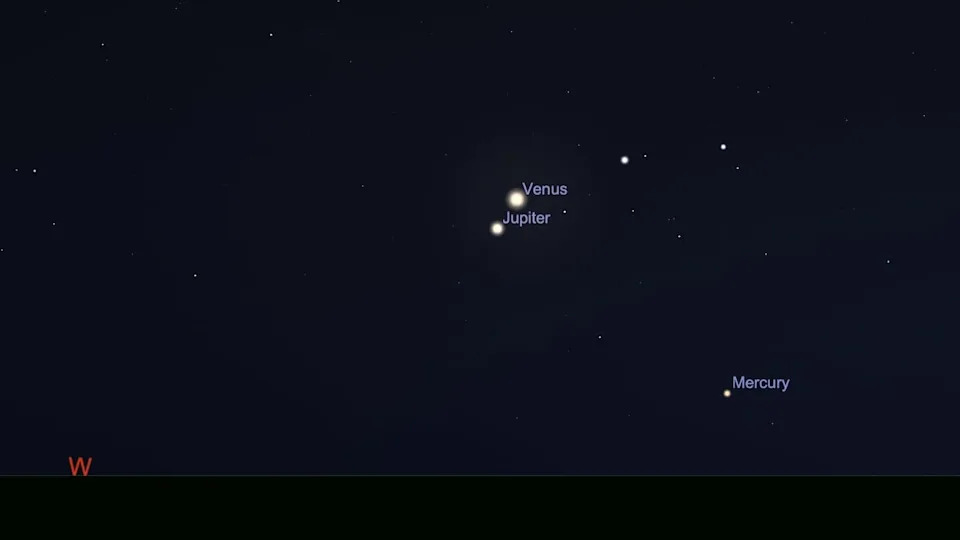
Jupiter and Venus will be seen close together on June 9, 2026. | Credit: Stellarium
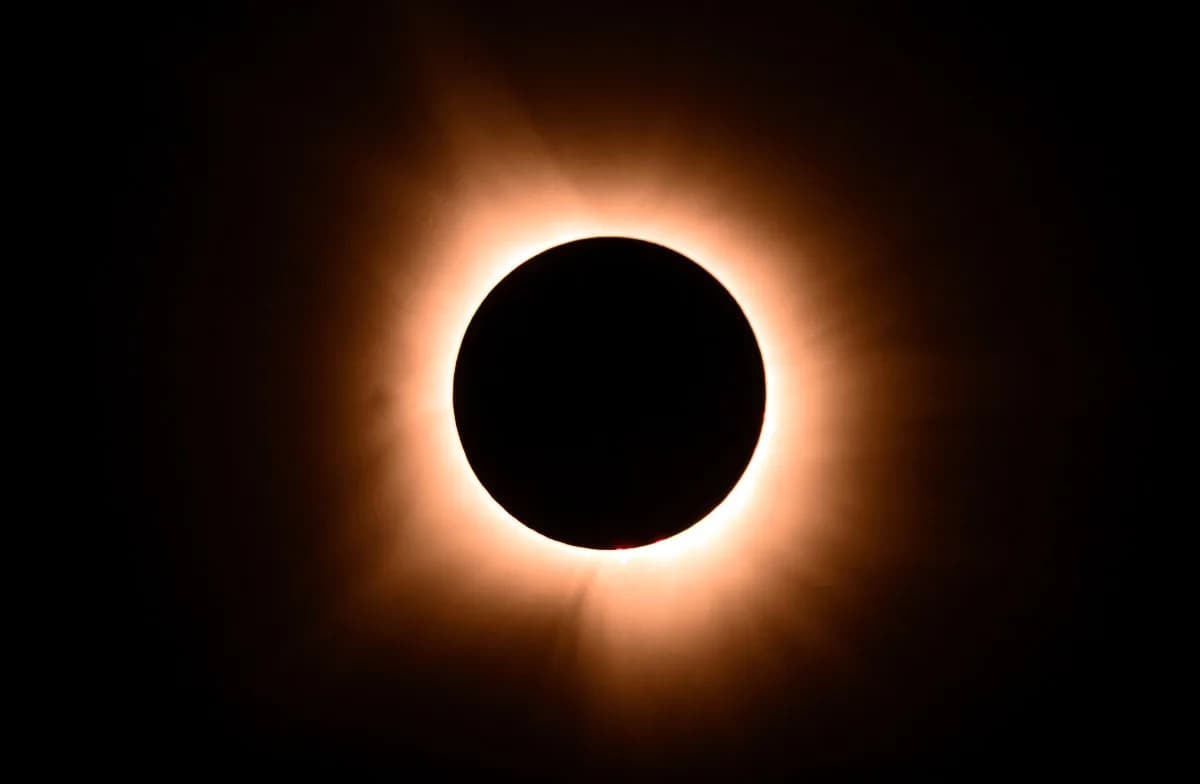
5. Total Solar Eclipse — August 12
The celestial highlight of 2026: a total solar eclipse whose path of totality crosses eastern Greenland, western Iceland and northern Spain. Mainland Europe will see its first total eclipse since 1999, and maximum totality reaches about 2 minutes 18 seconds just off the coast of Iceland. Large crowds are expected, especially in Spain and on cruise routes in the Mediterranean.
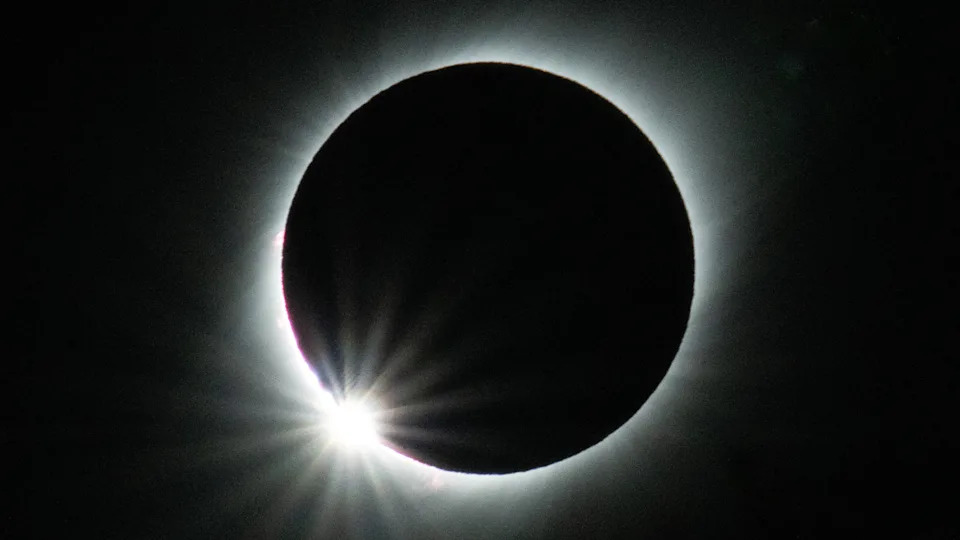
See mainland Europe's first total solar eclipse since 1999. | Credit: Edwin Remsberg/Getty Images
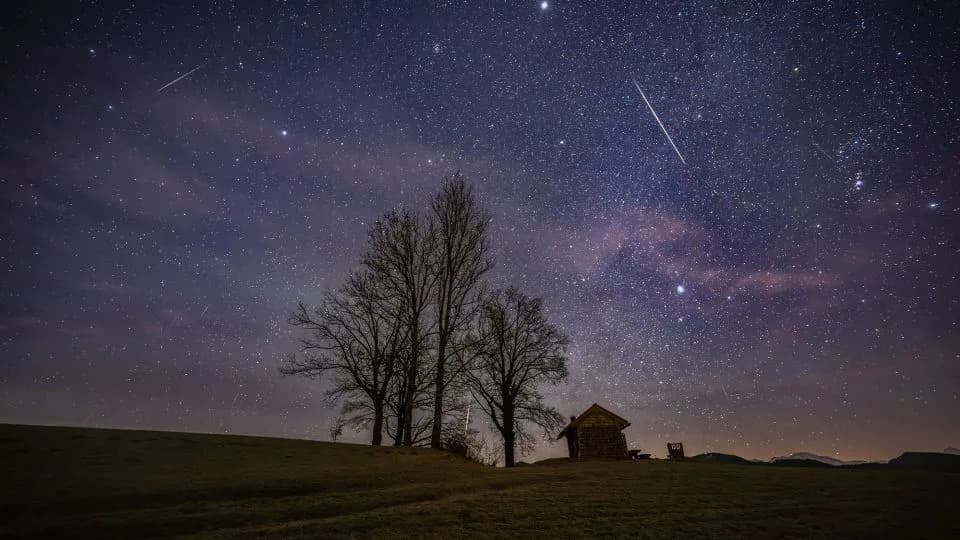
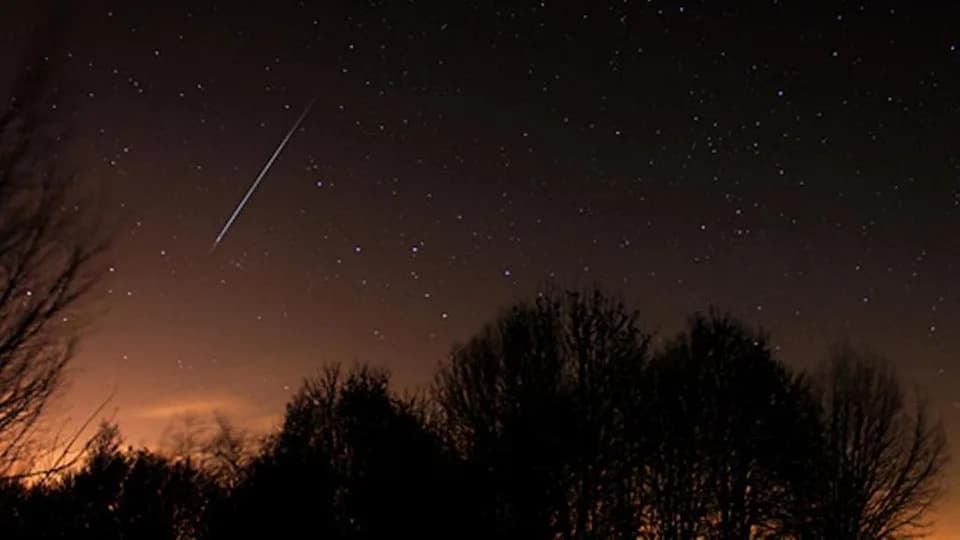
6. Perseid Meteor Shower — August 12–13
One of the Northern Hemisphere’s favorite meteor showers, the Perseids peak on the night of Aug. 12–13 — just hours after the total solar eclipse (a new moon), so moonlight won't wash out the display. Expect roughly 60–120 meteors per hour from late evening into the predawn hours, with the radiant in the constellation Perseus.
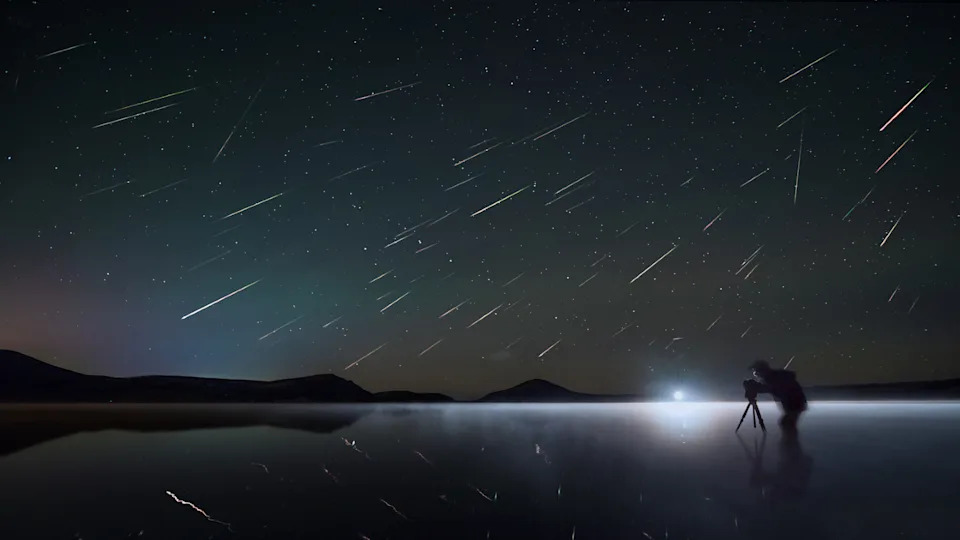
2026 is a good year for the Perseid meteor shower. | Credit: Haitong Yu/Getty Images
7. Venus as Evening Star — August–September
Venus returns as the evening star in 2026, reaching its greatest separation from the Sun in August. It becomes half-illuminated that month and reaches peak apparent brightness low on the horizon in late September.
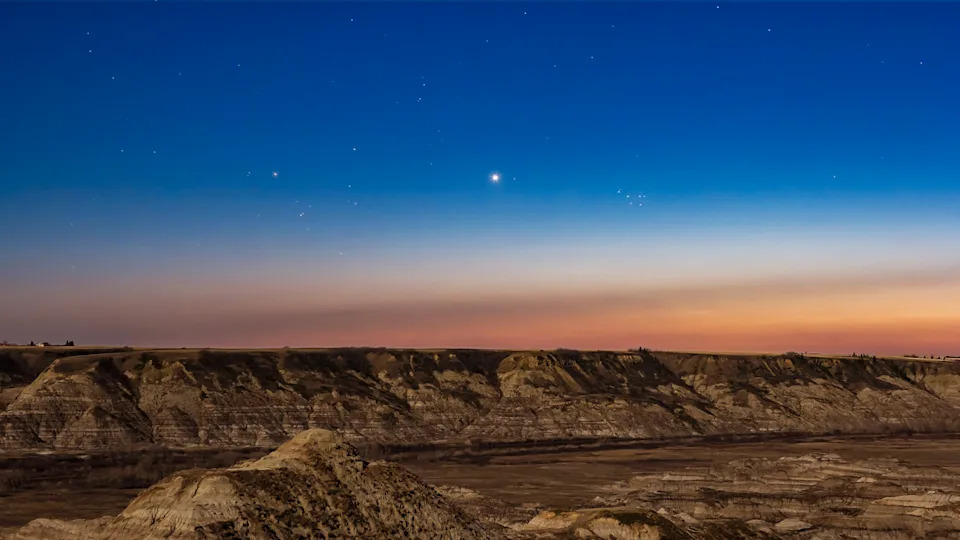
Venus will dominate evening skies in summer 2026. | Credit: Alan Dyer/Stocktrek Images/Getty Images
8. Very Deep Partial Lunar Eclipse — August
August brings a dramatic but not-total lunar eclipse in which more than 96% of the Moon will enter Earth's umbra. Observers across North and South America and parts of Europe and Africa should see the shadow sweep across the lunar surface, with a hint of reddish coloration as totality nearly forms.
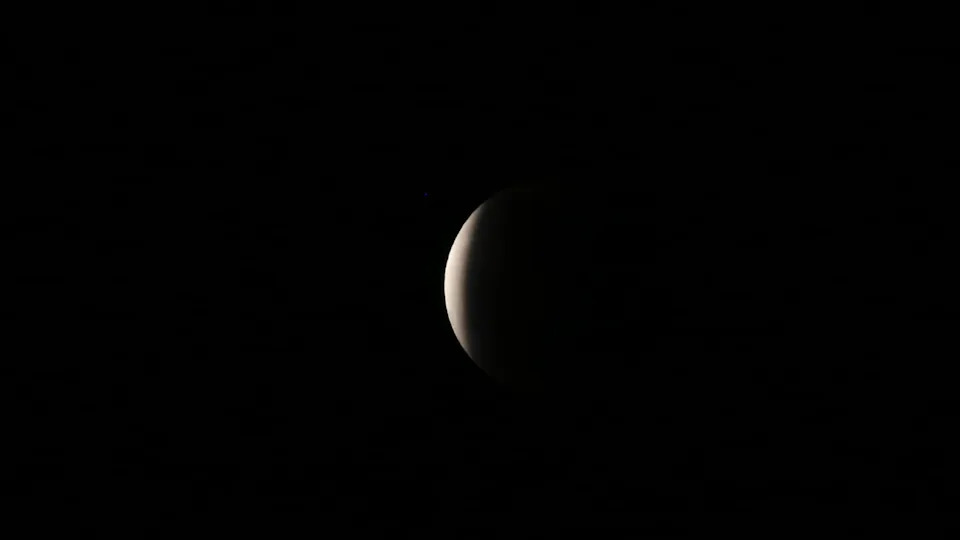
See a deep partial eclipse of the moon in August 2026. This photograph shows a stunning lunar eclipse over Bogota, Colombia on Nov. 19, 2021. | Credit: NurPhoto/Getty Images
9. Saturn at Opposition — October
Saturn reaches opposition in October, placing the ringed planet at its closest and brightest for the year. Look for Saturn's golden disk rising in the east after dark from August onward. Notable Moon–Saturn close approaches occur on Sept. 27, Oct. 24, Nov. 20 and Dec. 18.
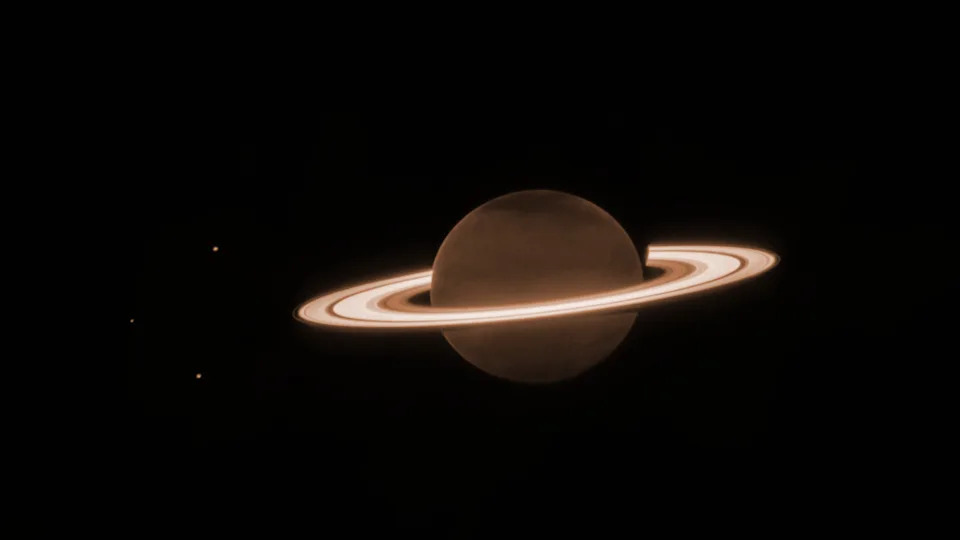
Saturn will peak in brightness in late 2026. Here is an image of Saturn and several of its moons, captured by the James Webb Space Telescope's NIRCam instrument on June 25, 2023. | Credit: NASA, ESA, CSA, Matthew Tiscareno (SETI Institute), Matthew Hedman (University of Idaho), Maryame El Moutamid (Cornell University), Mark Showalter (SETI Institute), Leigh Fletcher (University of Leicester), Heidi Hammel (AURA); Image Processing: Joseph DePasquale (STScI))
10. Mars + Waning Crescent Moon — Day After Saturn Peak (October)
One morning shortly after Saturn's peak brightness, Mars and a 32%-illuminated waning crescent Moon will sit about 1° apart in the pre-dawn sky. The Beehive Cluster (M44) and Jupiter will lie just below — a lovely wide-field scene for binoculars.
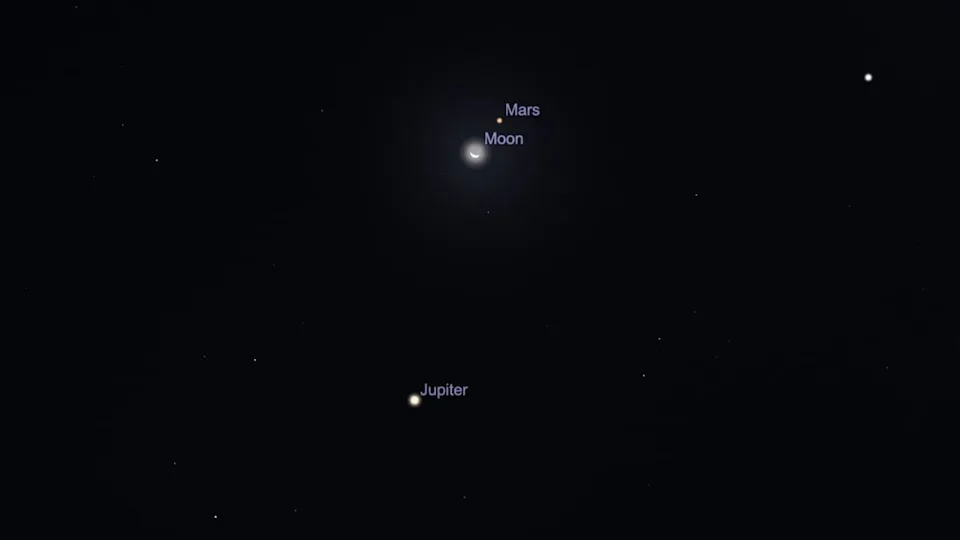
See the moon and Mars in a close conjunction in October. | Credit: Stellarium
11. Mars–Jupiter Close Conjunction — Nov. 15
Mars and Jupiter come strikingly close in the predawn sky around Nov. 15, separated by roughly 1°. They will appear very near for several nights before and after the closest approach, making for easy naked-eye observation.
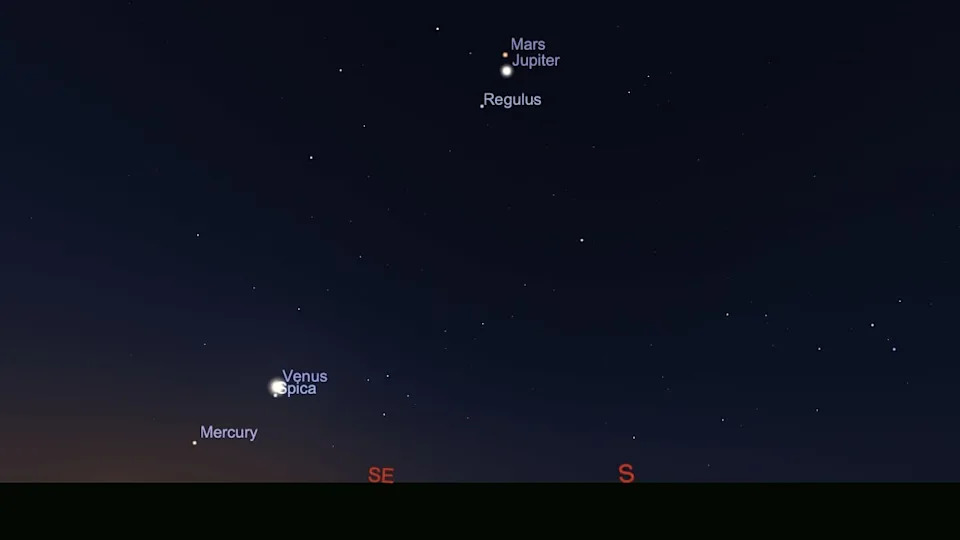
See Jupiter and Mars in a close conjunction in November. | Credit: Stellarium
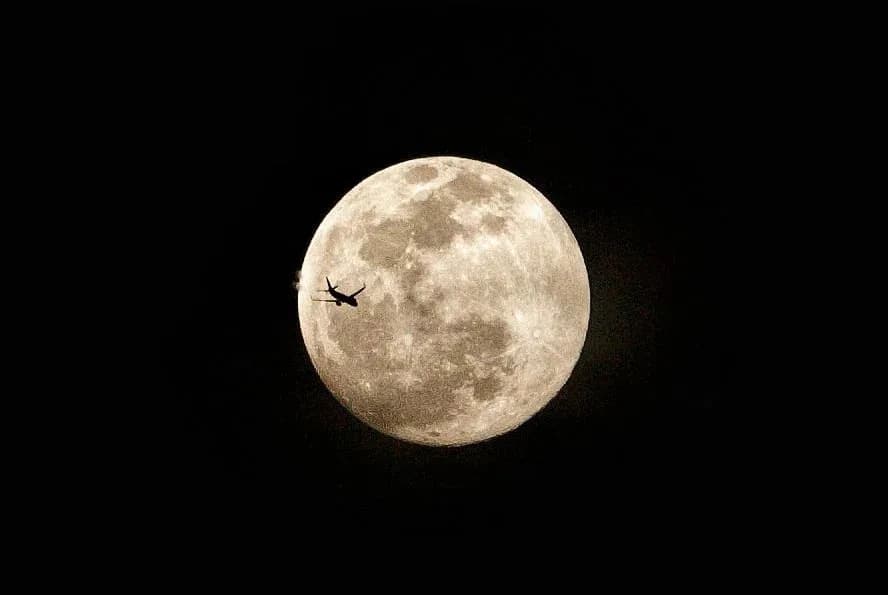
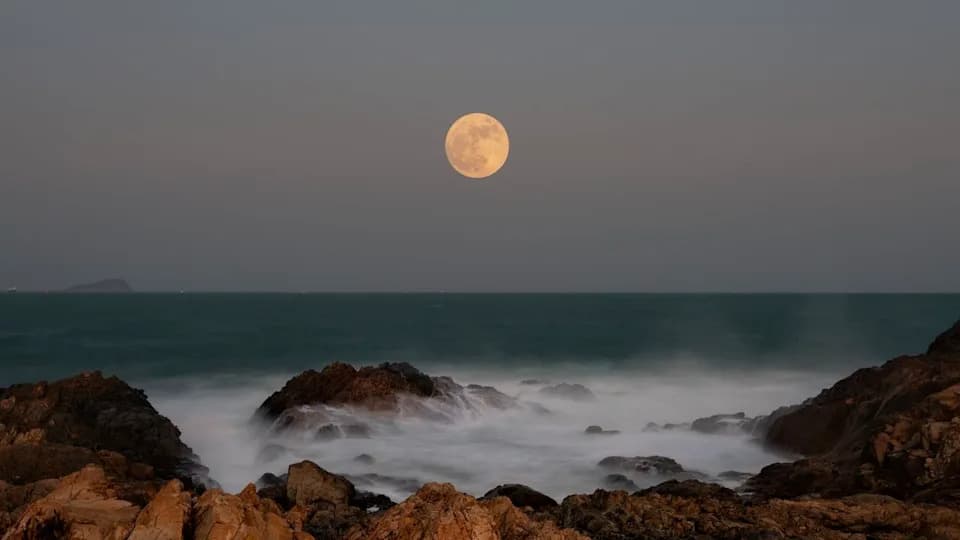
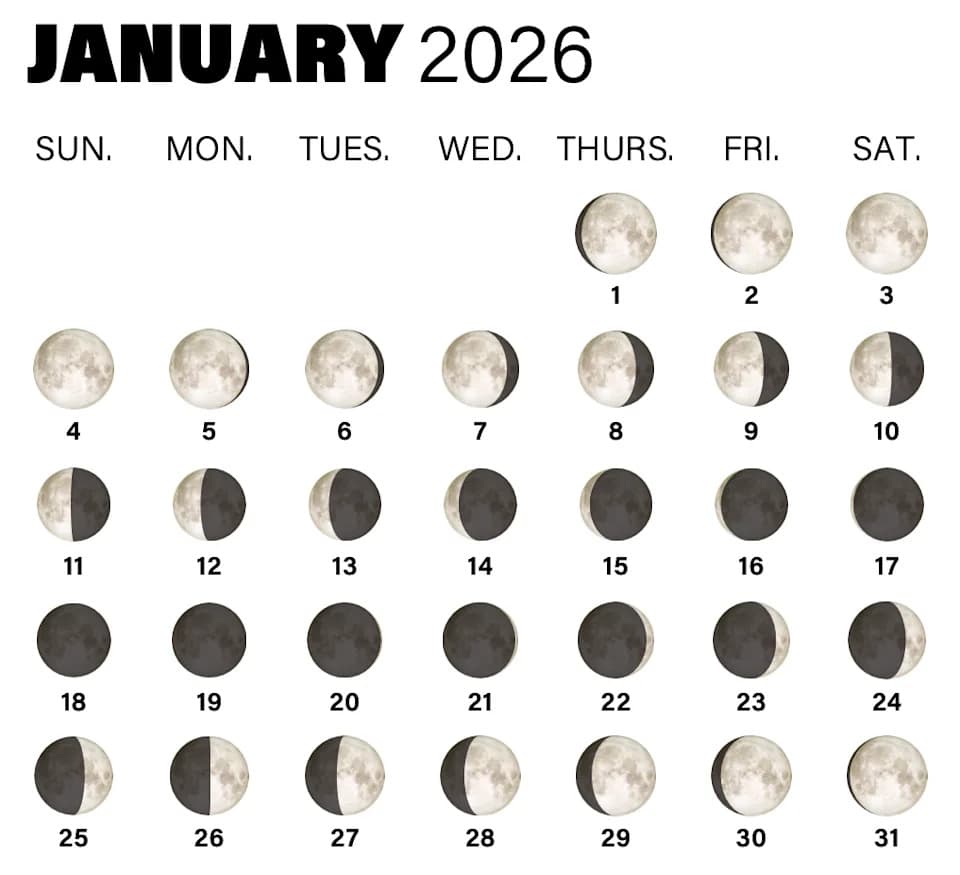
12. Three Supermoons — Jan. 3, Nov. 24, Dec. 23
The Moon reaches unusually close perigee on Jan. 3, Nov. 24 and Dec. 23, producing three supermoons in 2026. For the strongest visual effect, view these full moons near moonrise when the familiar "moon illusion" makes them look largest on the horizon.
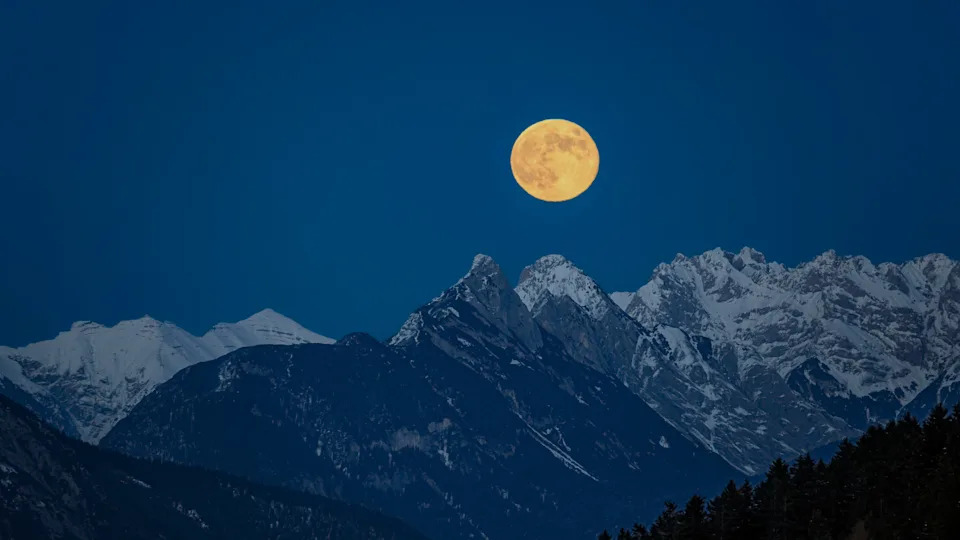
A very bright full moon will grace the skies on Dec. 23, 2026. | Credit: traumlichtfabrik/Getty Images
13. Leonid Meteor Shower — Mid-November
The Leonids (from Comet Tempel–Tuttle) are known for fast meteors and occasional storms. In 2026 the peak lines up near a first-quarter moon, leaving darker skies after midnight — a good window for catching roughly 15 meteors per hour under normal conditions.
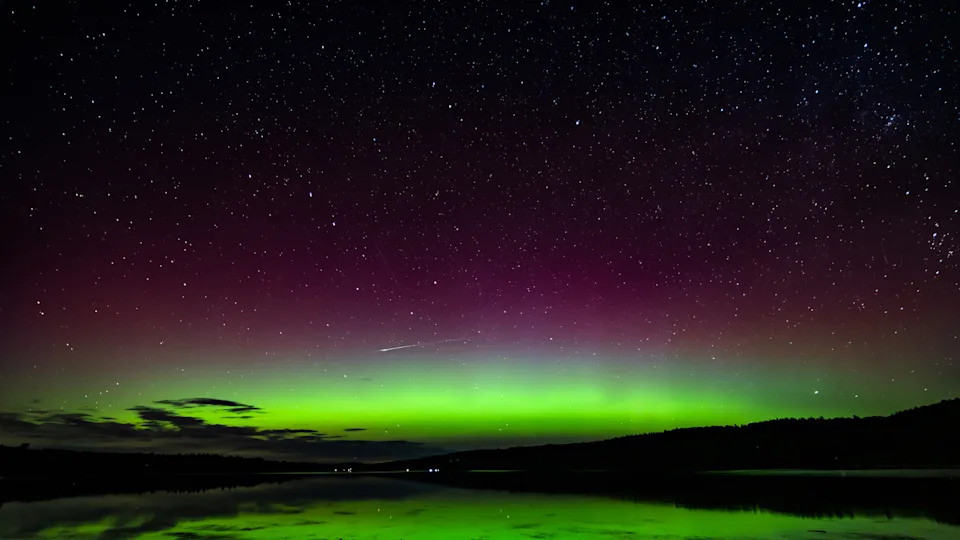
The Leonids will peak on Nov. 17-18, 2026. | Credit: Marc Guitard/Getty Images
14. Geminid Meteor Shower — December
The Geminids are often the richest annual shower in the Northern Hemisphere. Under dark skies the Geminids can produce up to ~120 bright, colorful meteors per hour at peak. Unlike most showers, their parent body is the asteroid 3200 Phaethon rather than a comet.
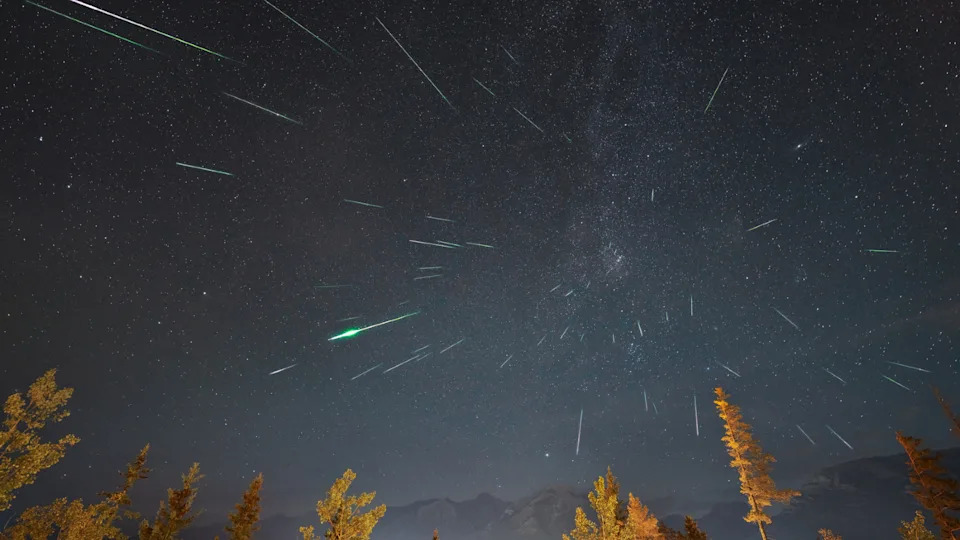
The Geminids will peak in moonless night skies in December 2026. | Credit: Nick Fitzhardinge/Getty Images
15. Multiple Planetary Pairings and Year-Round Highlights
2026 offers many other fine conjunctions and close approaches: Venus near Spica at times, Mercury visible during a few windows, and numerous Moon–planet meetings that make simple observing sessions rewarding. Even a pair of binoculars will reveal clusters, star fields and planets in far greater detail.
Author: Jamie Carter, author of "Stargazing In 2026: 50 Things To See In The Night Sky From North America."
Help us improve.