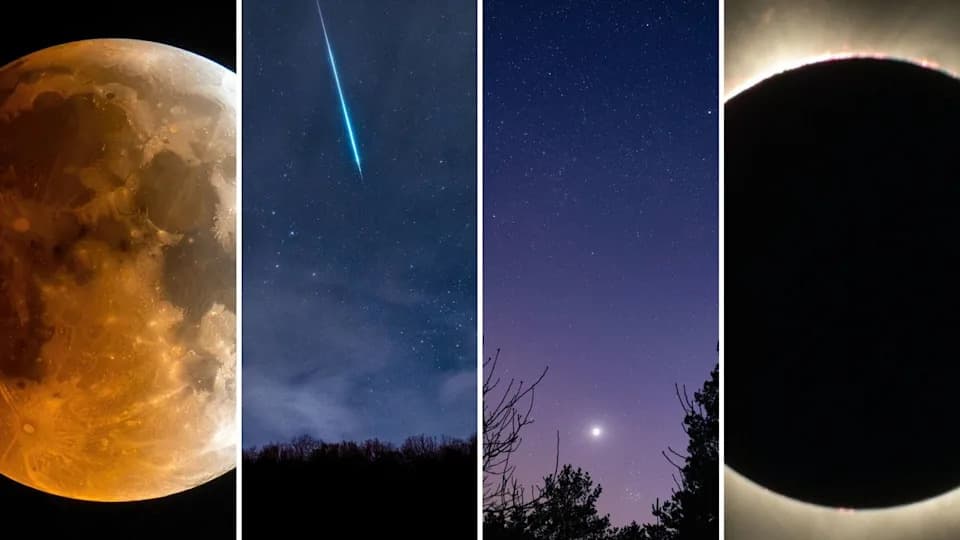
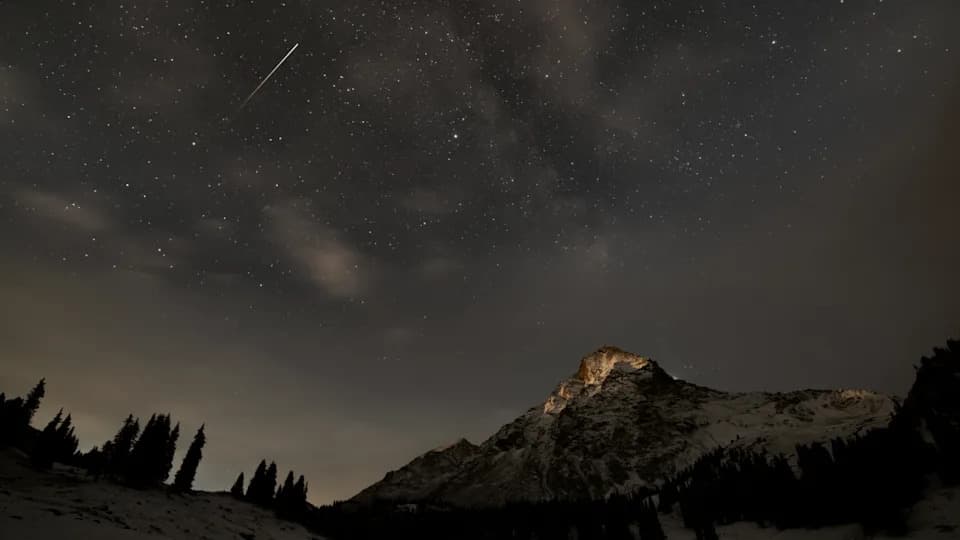
2026 offers a rich lineup of celestial events: Jupiter at peak brightness on Jan. 10, a six-planet alignment in late February, a total lunar eclipse on March 3 (early morning), and the possible return of a bright comet (C/2025 R3) around April 25. Major meteor showers include the Quadrantids, Lyrids, Eta Aquariids, Perseids and Geminids, and a total solar eclipse on Aug. 12 will be partial in some regions. Several named full moons—including a Blue Moon on May 31 and multiple supermoons—round out the year's highlights.
Must-See Celestial Events in 2026 — Mark Your Calendar
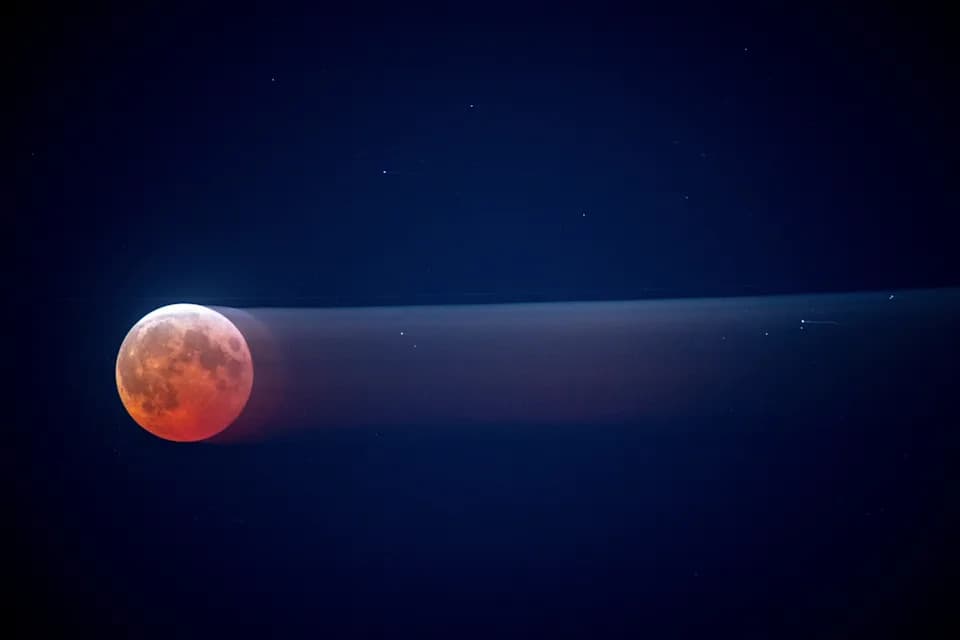
A total lunar eclipse will occur in March, 2026.
After a standout 2025 for skywatchers, 2026 promises another year of impressive astronomical displays. From bright planets and full moons to meteor showers, eclipses and a potentially showy comet, there will be plenty for casual observers and avid astronomers alike.
Bright Planets and Planetary Lineups
Jupiter will reach peak brightness on Jan. 10, 2026, and should be visible all night from sunset to sunrise without optical aid, according to Star Walk. No special equipment is needed to enjoy the view.
A striking six-planet alignment is expected around Feb. 28, 2026. Star Walk reports that Jupiter, Uranus, Saturn, Neptune, Venus and Mercury will form a gentle diagonal roughly an hour after sunset, rising from the western horizon toward an almost-full Moon.
Eclipses
A total lunar eclipse is timed for early morning risers on March 3. Time and Date lists the eclipse as beginning at 6:04 a.m., reaching maximum eclipse at 6:33 a.m., and ending at 7:02 a.m. Observers should check local timing and weather for visibility.
A total solar eclipse will occur on Aug. 12, 2026. In some locations such as Rhode Island the event will be visible only as a partial eclipse, with less than 15% of the Sun obscured at maximum (just before 2 p.m. local time). If you plan to view the solar eclipse, use proper solar filters or eclipse glasses—never look directly at the Sun without certified protection.
Comet and Meteor Showers
The comet C/2025 R3 (PANSTARRS) is forecast to reach its maximum brightness around April 25 and could become the brightest comet of 2026, though binoculars or a small telescope may be needed depending on sky conditions.
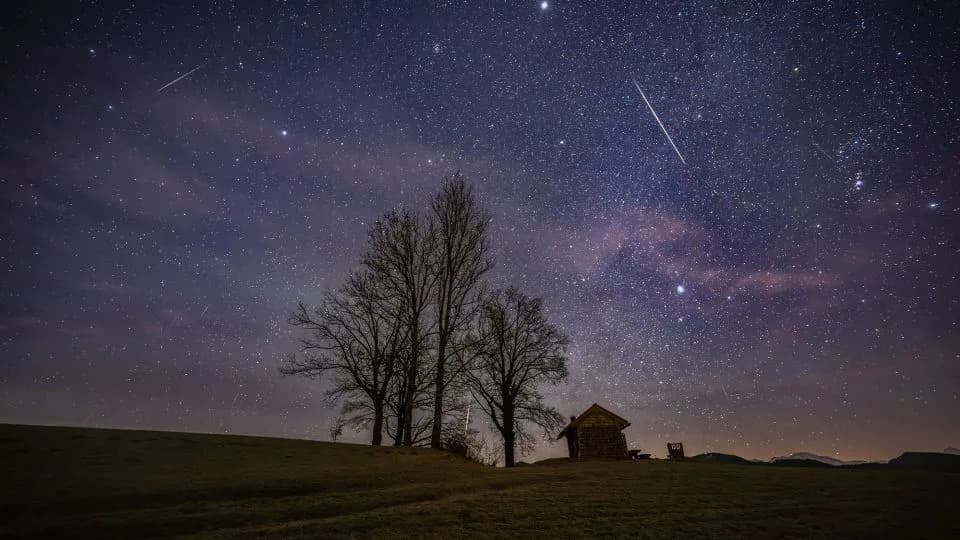
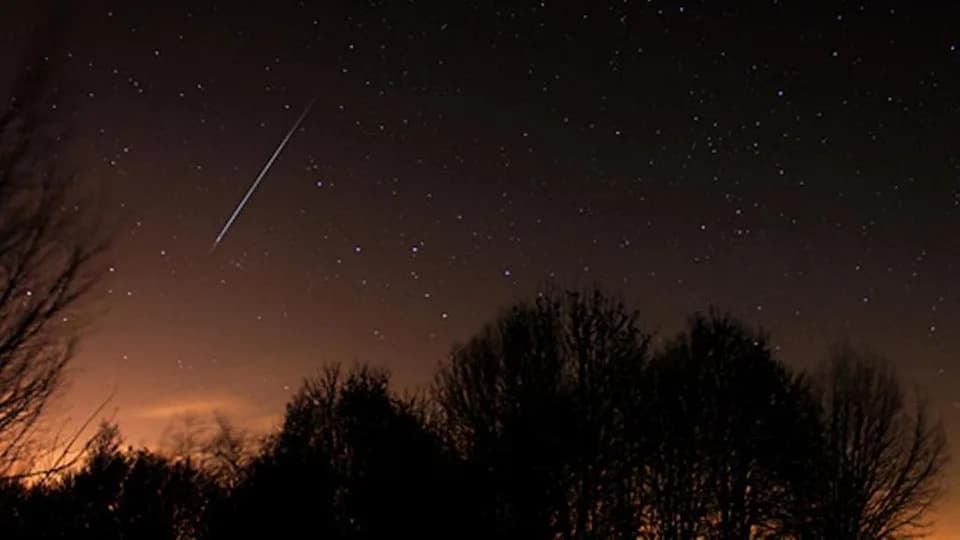
Major meteor showers to watch include:
- Quadrantids — Peak: Jan. 3–4
- Lyrids — Peak: Apr. 22
- Eta Aquariids — Peak: May 6
- Perseids — Peak: Aug. 12–13 (one of the most popular summer showers)
- Geminids — Peak: Dec. 14 (on a dark, favorable night you may see 50+ meteors/hour; optimum nights can yield 120+ per hour)
Saturn and Other Highlights
Saturn will be at its brightest on Oct. 4, 2026, visible from sunset through sunrise with the naked eye; a small telescope will reveal its ring system in greater detail.
Full Moon Schedule (2026)
Below are the full moons for 2026 with their traditional names and brief notes:
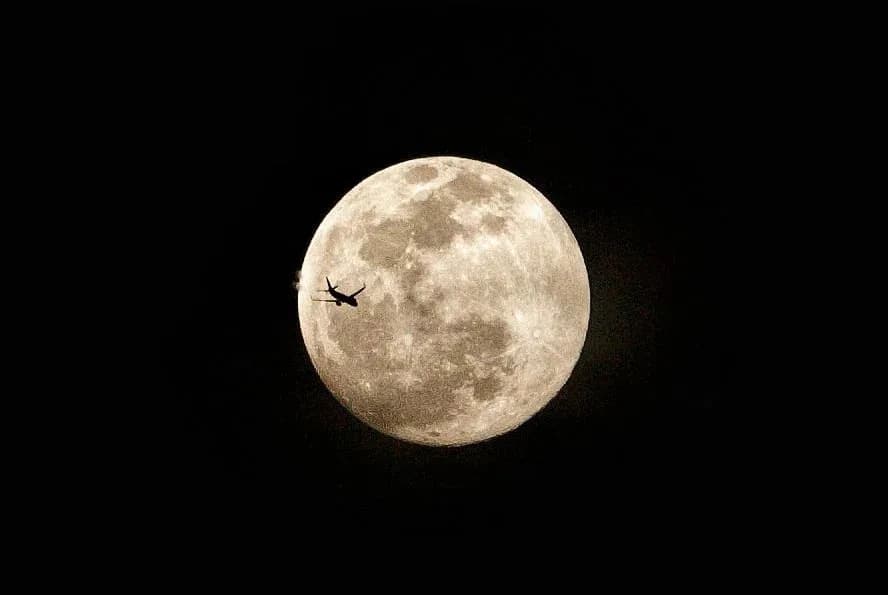
- Jan. 3 — Wolf Moon (supermoon)
- Feb. 1 — Snow Moon
- Mar. 3 — Worm Moon
- Apr. 1 — Pink Moon
- May 1 — Flower Moon
- May 31 — Blue Moon (second full moon in May; this one will appear slightly smaller because the Moon is farther from Earth)
- June 29 — Strawberry Moon
- July 29 — Buck Moon
- Aug. 28 — Sturgeon Moon
- Sept. 26 — Corn/Harvest Moon
- Oct. 26 — Hunter's Moon
- Nov. 24 — Beaver Moon (supermoon)
- Dec. 23 — Cold Moon (supermoon)
Viewing tips: For best results, find a dark sky site away from city lights, check local timing and weather, and bring binoculars or a small telescope for comets and planetary detail. Always use certified solar filters or eclipse glasses for solar viewing.
With so many events spread across the year, 2026 is shaping up to be an excellent season for stargazing—mark your calendar and keep an eye on local conditions for the best viewing opportunities.
Help us improve.