The California sky in early January features a perigee full moon — a dramatic "supermoon" — that coincides with the Quadrantid meteor shower. Peak meteor activity is overnight Jan. 2–3, but the bright full moon at 2:02 a.m. on Jan. 3 will limit visibility to roughly 10 meteors per hour under ideal conditions. The Wolf Moon can appear up to 14% larger and 30% brighter at perigee, and Jupiter reaches opposition for prime viewing on Jan. 9–10.
Supermoon and Quadrantid Meteor Shower Will Clash Over California — When to Watch
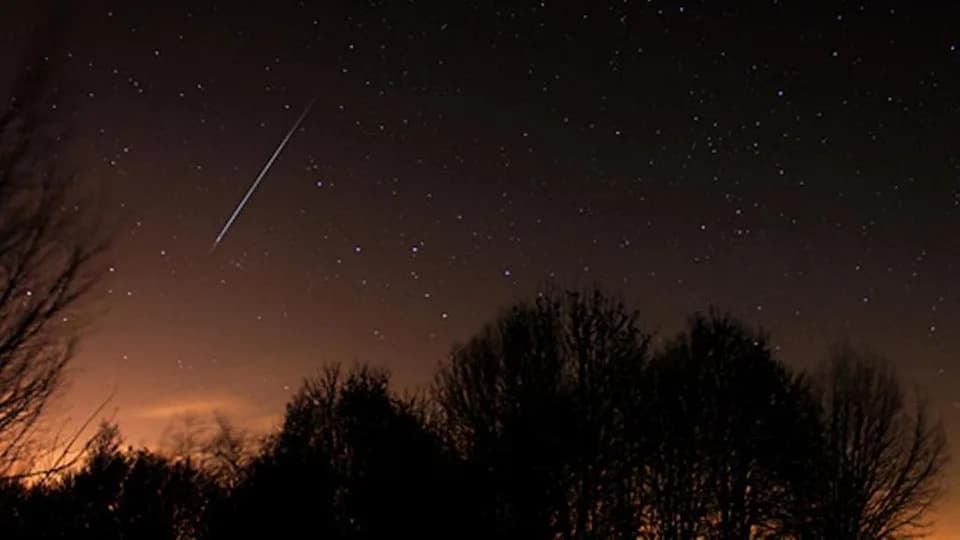
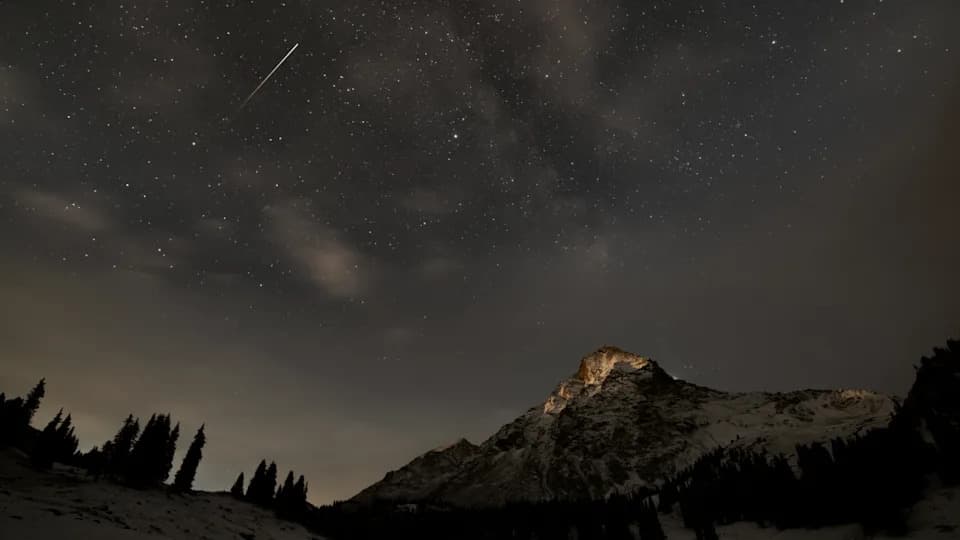
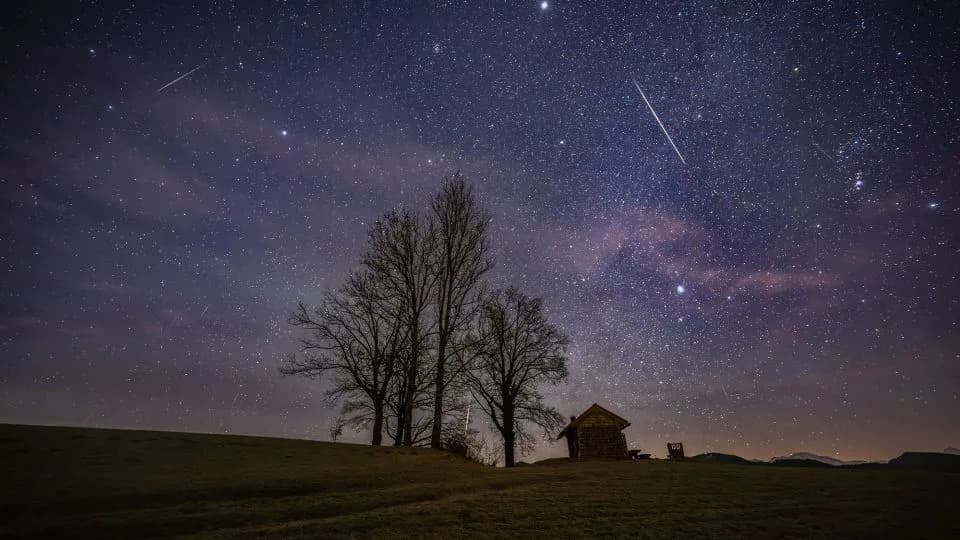
Quadrantid Meteors will be visible this month. Didier Schreiner/ABC News
A striking supermoon will coincide with the Quadrantid meteor shower over California in early January, offering dramatic — if somewhat muted — skywatching opportunities. The full moon at perigee will brighten the night and reduce the number of visible meteors, but there are still excellent viewing moments for moon- and planet-watchers alike.
When To Look
Quadrantid Peak: Overnight Friday, Jan. 2 into Saturday, Jan. 3, 2026.
Full Moon (Peak Illumination): 2:02 a.m. PST on Saturday, Jan. 3, 2026.
Jupiter Best Viewing: Nights of Jan. 9 and Jan. 10, 2026 (opposition).
Quadrantid Meteor Shower
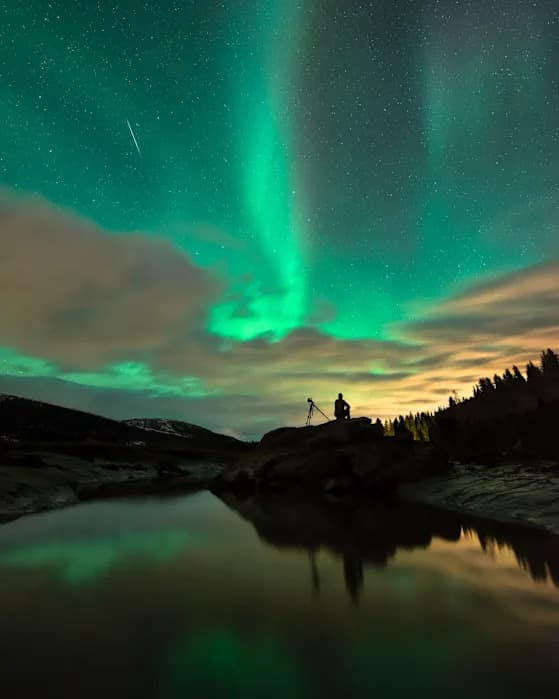
The Quadrantids are typically a rich stream of meteors known for bright fireballs with long, colorful streaks. However, the full moon on Jan. 3 will produce intense moonlight that "will be severely compromised in 2026," the American Meteor Society warns. Under clear, dark conditions you might still see up to about 10 meteors per hour, mainly the brightest fireballs.
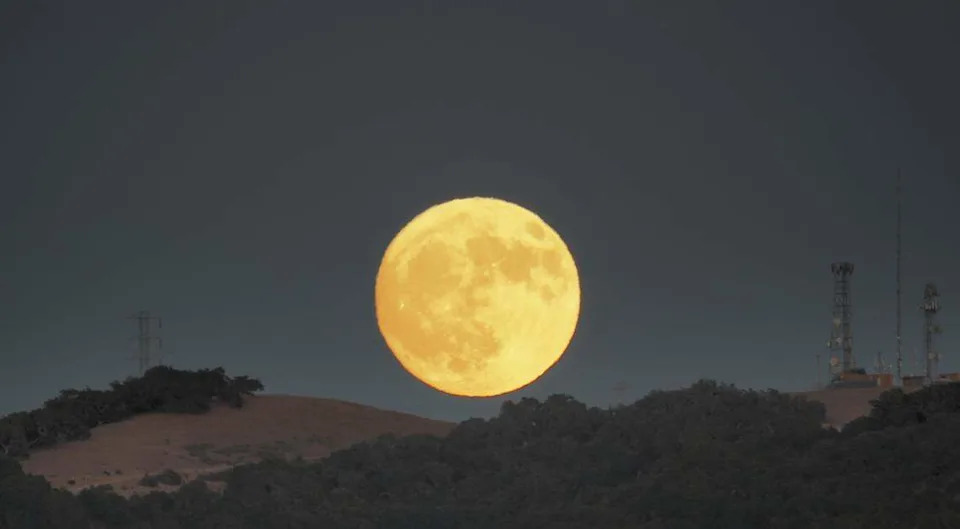
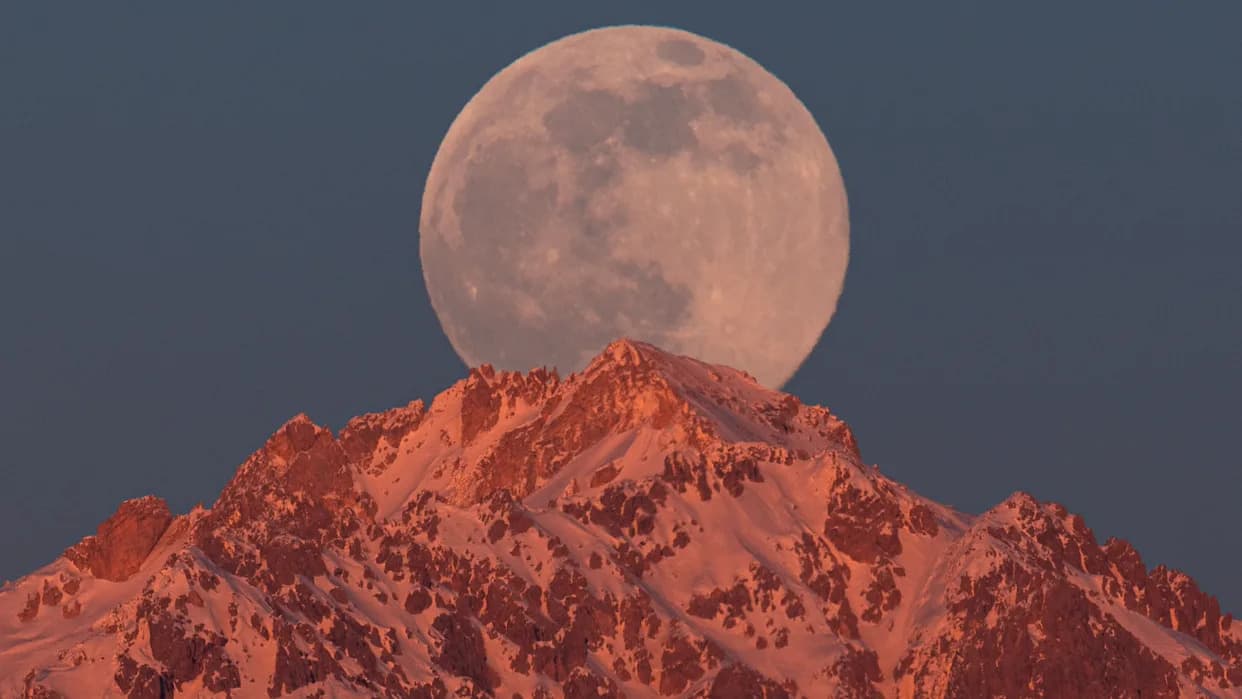
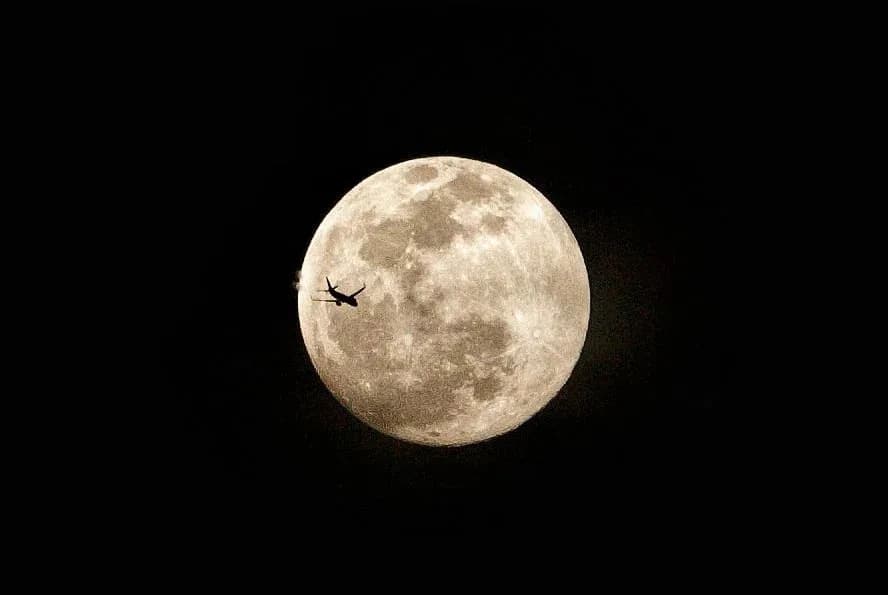
A full moon rises over the hills in Arroyo Grande in a view Sunday night from Cindy Way. Herb Shoebridge
Tip: Look during the pre-dawn hours when the shower’s radiant is high — near the Big Dipper — to maximize your chances of spotting meteors.
Dramatic Supermoon (Wolf Moon)
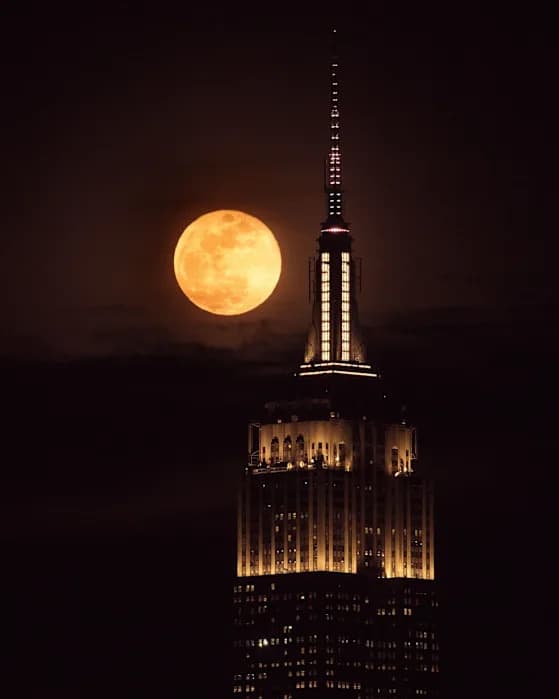
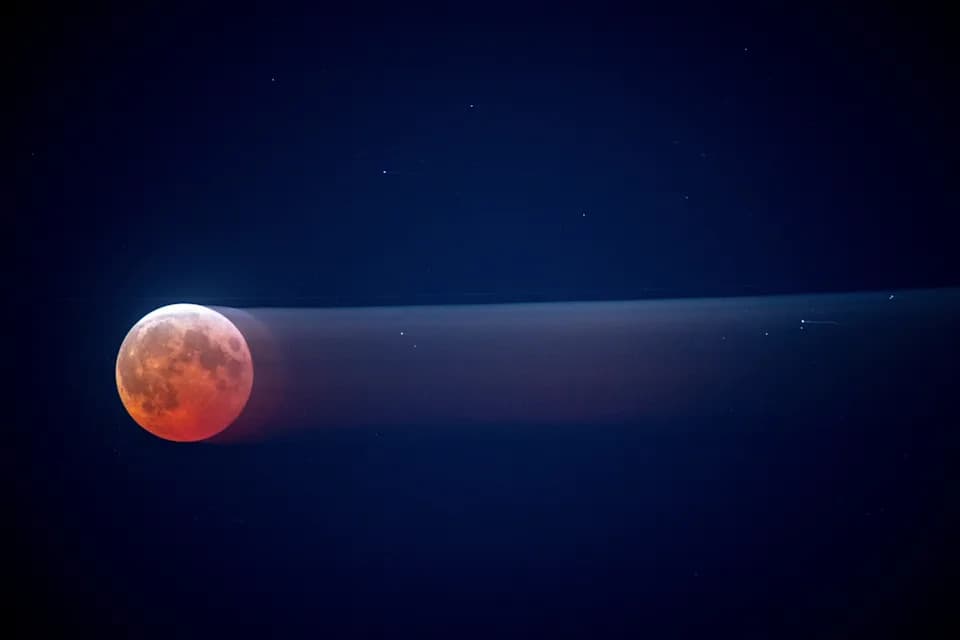
This January full moon — traditionally called the Wolf Moon — occurs at perigee, the point in the Moon’s orbit closest to Earth. That makes the lunar disk appear noticeably larger and brighter: roughly up to 14% bigger and about 30% brighter than a typical full moon. For the most striking view, watch the Moon low on the horizon at sunset or sunrise, when it can appear especially oversized.
Jupiter at Opposition
The best viewing of Jupiter in 2026 arrives on Jan. 9–10, when the gas giant reaches opposition (Earth lies between Jupiter and the Sun). At opposition Jupiter will appear larger and brighter in the night sky; it will be visible in the east around sunset near the Gemini constellation and forms a loose triangle with Sirius and Orion’s Belt. According to observers, the planet won’t be this close again until 2027.
Practical Tips
- Find a dark, open sightline away from city lights for the best meteor-viewing conditions.
- Bring a reclining chair or blanket and allow 20–30 minutes for your eyes to adjust to the dark.
- No telescope needed for meteors; for lunar detail or Jupiter’s cloud bands and moons, a small telescope or good binoculars will help.
- Check local weather and cloud cover before heading out; clear, cold nights are usually best.
Even with the moonlight compromising the Quadrantids, early January offers memorable skywatching: a bright, close full moon and the chance to catch bright meteor fireballs and impressive views of Jupiter.
Help us improve.