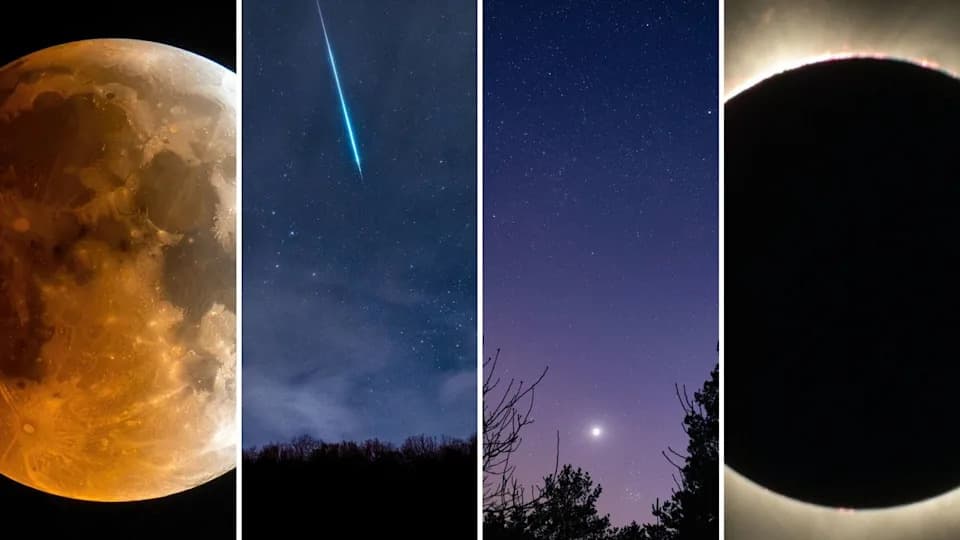
January brings a rich lineup for skywatchers: a visually striking supermoon (Jan 3), Jupiter at opposition for the best 2026 views (Jan 9–10), and several moon–planet close approaches including a Jupiter–moon conjunction at month’s end. The Quadrantid meteor shower peaks Jan 2–3 but will be dimmed by moonlight, while the new moon on Jan 19 offers excellent dark-sky conditions for deep-sky objects. Comet C/2024 E1 reaches perihelion Jan 20 and will be visible from the Southern Hemisphere, with follow-up views for the Northern Hemisphere in February.
10 Must-See Night-Sky Events in January — From a Supermoon to Jupiter’s Best Showing
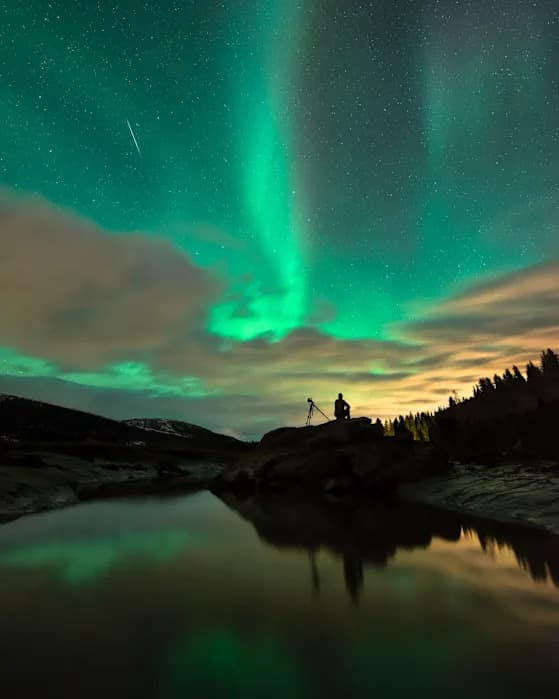
A photographer captures the aurora borealis during the peak of the Quadrantid meteor shower in Hemnes, Norway, in January.Tommy Eliassen, Science Photo Library
January delivers a feast for skywatchers: a dramatic supermoon, Jupiter at opposition, meteor action (albeit moon-dimmed), a new-moon dark window for deep-sky viewing, and several close moon–planet pairings. Whether you use the naked eye, binoculars, or a small telescope, there’s something to catch each clear night — especially from dark-sky locations in Alaska, Iceland, and other high-latitude winter getaways.
January’s Top Night-Sky Events (At a Glance)
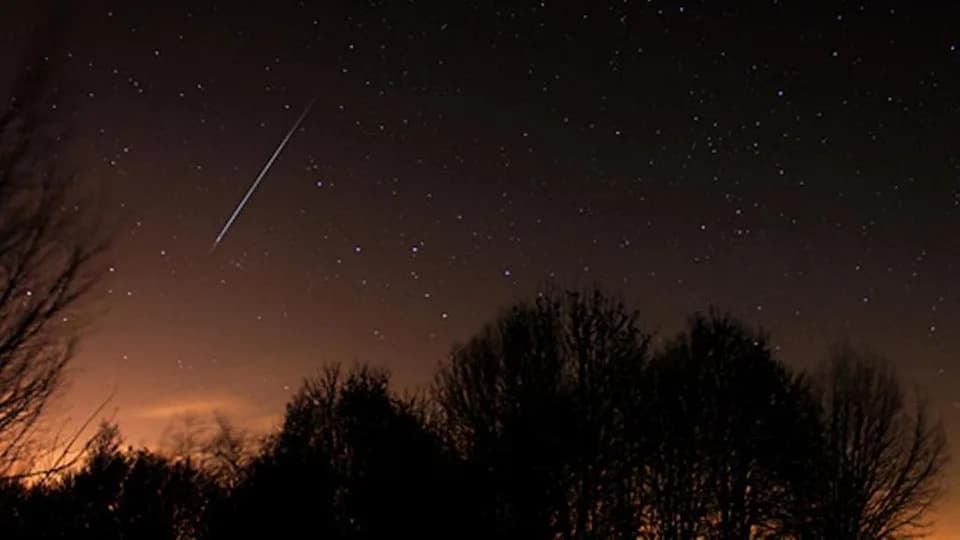
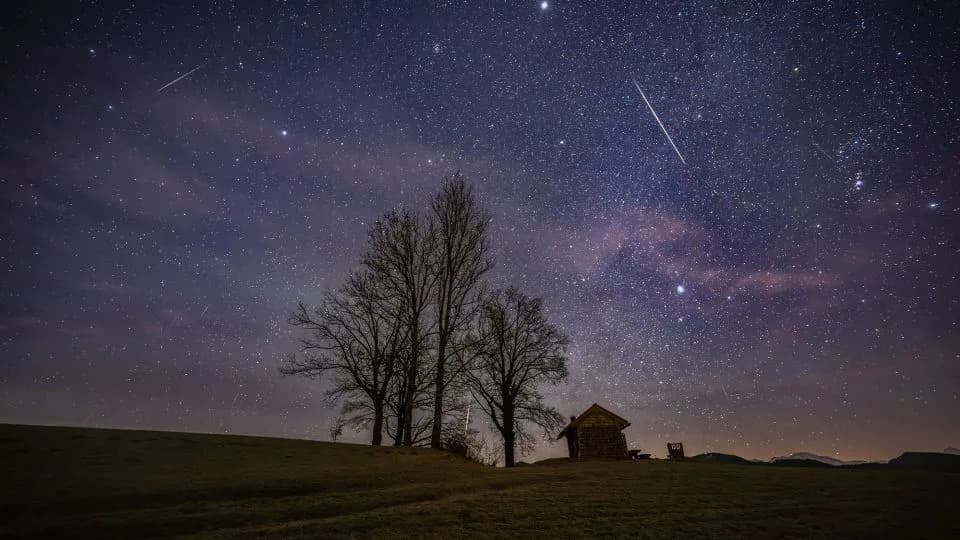
- Jan 2–3 — Quadrantid Meteor Shower (Peak): The Quadrantids peak overnight Jan 2–3 but bright moonlight will wash out most meteors. The American Meteor Society expects fewer than 10 meteors per hour under ideal conditions. For the best chance, observe in the pre-dawn hours when the shower’s radiant near the Big Dipper is highest.
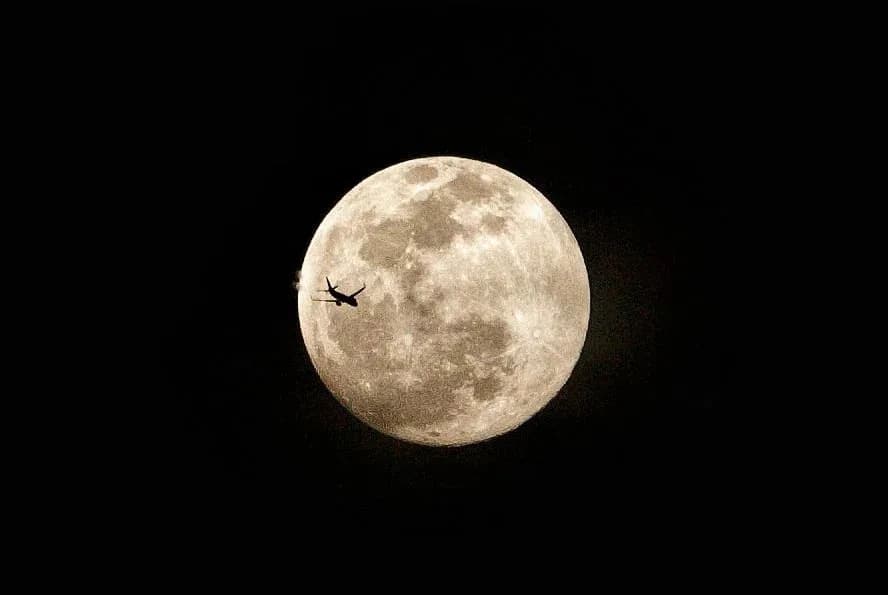
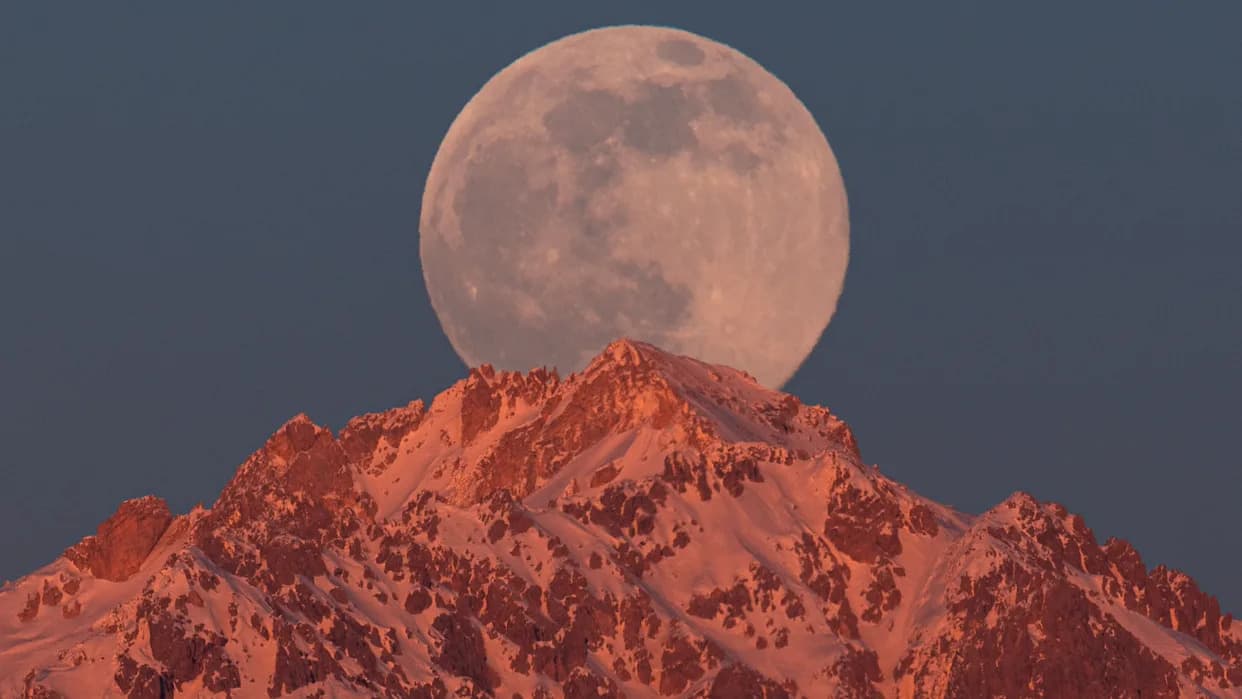
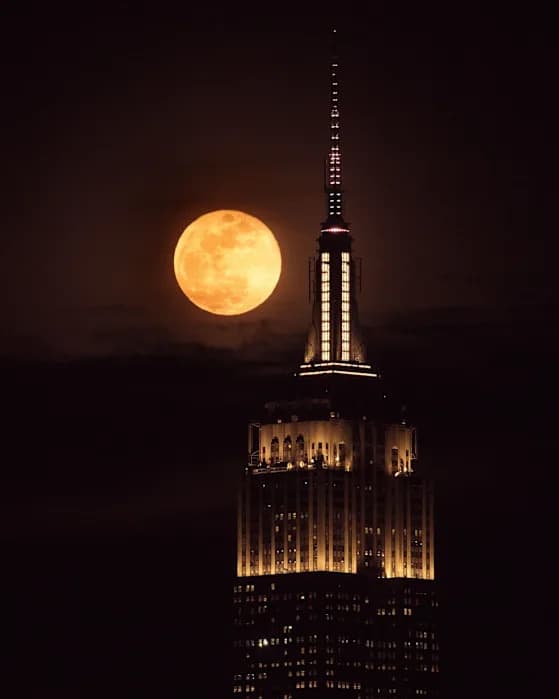
- Jan 3 — Supermoon (Full Moon Near Perigee): The full moon on Jan 3 coincides with a close approach to Earth, making it appear up to ~14% larger and ~30% brighter than average. Peak illumination is near 5 a.m. EST, but the moon often looks most dramatic low on the horizon at moonrise or moonset — watch near local moonrise/moonset for the best effect.
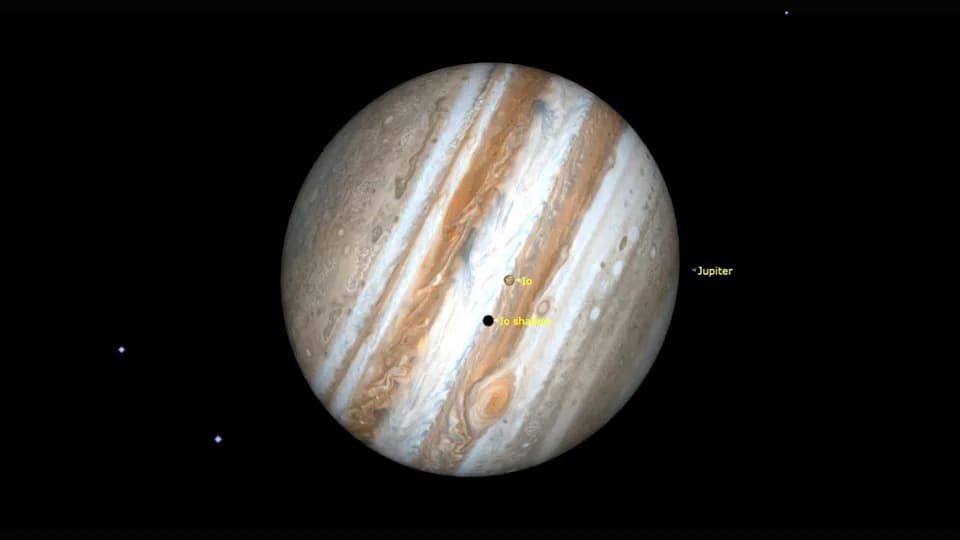
- Jan 9–10 — Jupiter at Opposition (Best 2026 Viewing): Jupiter reaches opposition and is closer to Earth than it’s been since December 2024. It will appear brighter and larger than usual; find it in the east around sunset near Gemini, forming a loose triangle with Sirius and Orion’s belt. These nights offer the best chance in 2026 to resolve cloud bands or view moons through modest telescopes.
- Jan 19 — New Moon (Dark Skies for Deep-Sky Objects): The new moon provides excellent conditions for faint targets like the Beehive Cluster, Orion Nebula, and Andromeda Galaxy. Nights immediately before and after Jan 19 are prime for deep-sky observing, weather permitting.
- Jan 20 — Comet C/2024 E1 at Perihelion: After passing perihelion on Jan 20, Comet C/2024 E1 will reappear for Southern Hemisphere observers. Look low in the southwest with a moderate telescope or strong binoculars; some predictions put it near magnitude ~8. Northern observers should look again in February as viewing geometry improves.
- Jan 22–23 — Crescent Moon Near Saturn (And Neptune Nearby): A thin crescent moon travels close to bright Saturn on Jan 22–23, with Neptune also in the same region but requiring strong binoculars or a telescope. The trio will sit above the southwest after sunset for a few hours before setting.
- Jan 27 — Waxing Gibbous Moon and the Pleiades: The moon passes close to the Pleiades cluster on Jan 27. Observers in the U.S. will see them near each other all night; some parts of Europe and northern Africa may witness a brief lunar occultation as the moon hides several stars in the cluster. Binoculars or a small scope will enhance the view.
- Jan 30–31 — Jupiter–Moon Conjunction: Overnight Jan 30–31 a waxing gibbous moon and Jupiter travel closely together across the sky. Look for the pair shortly after sunset above the eastern horizon and follow them through twilight into the early morning.
- January — Orion at Its Best: Orion is one of the easiest and most rewarding winter constellations. From November through March it’s visible in the northern hemisphere, but January (into February) is prime: Orion reaches a high point and is visible nearly all night, flanked this month by Jupiter and the Pleiades.
Viewing Tips
Check Local Times: Moonrise, moonset, and peak times vary by location — use a planetarium app or local almanac.
Find Dark Skies: The new-moon window and meteor observing benefit most from minimal light pollution.
Bring Binoculars or a Small Telescope: Many highlights (Jupiter’s cloud bands, Saturn’s rings, Neptune, and the comet) are more rewarding with optical aid.
Dress Warmly & Be Patient: Winter observing can be cold — plan for long waits and give your eyes time to adapt to the dark.
All dates and viewing suggestions are given in UT-neutral form; please convert to your local time zone and verify conditions locally. Weather and local light pollution will affect what you can see, so check forecasts and aim for clear, moonless nights when possible.
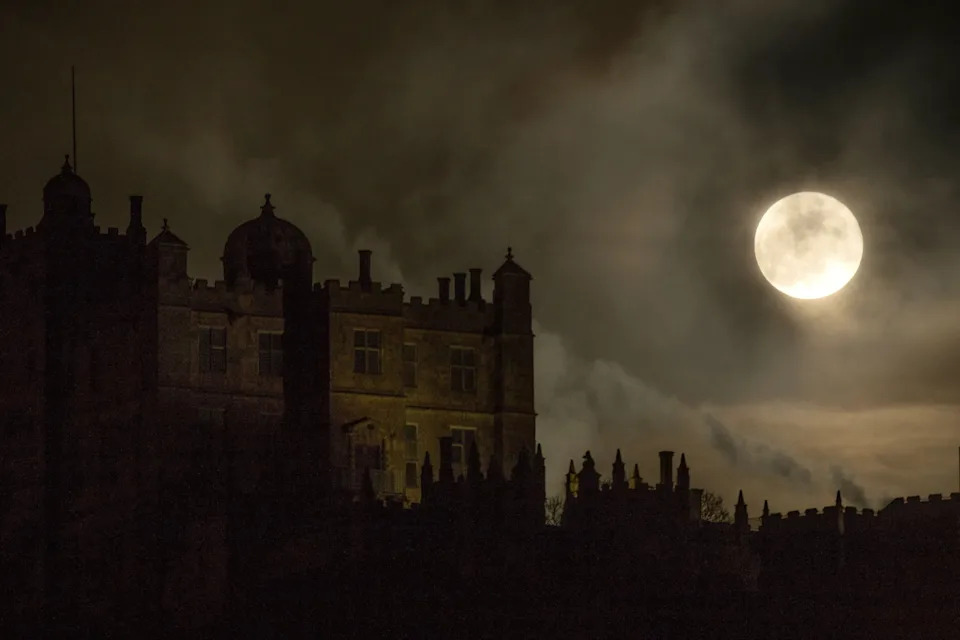
A blue supermoon rises over Bolsover Castle in Bolsover, Derbyshire, in January 2018.Aaron Chown, AP Images
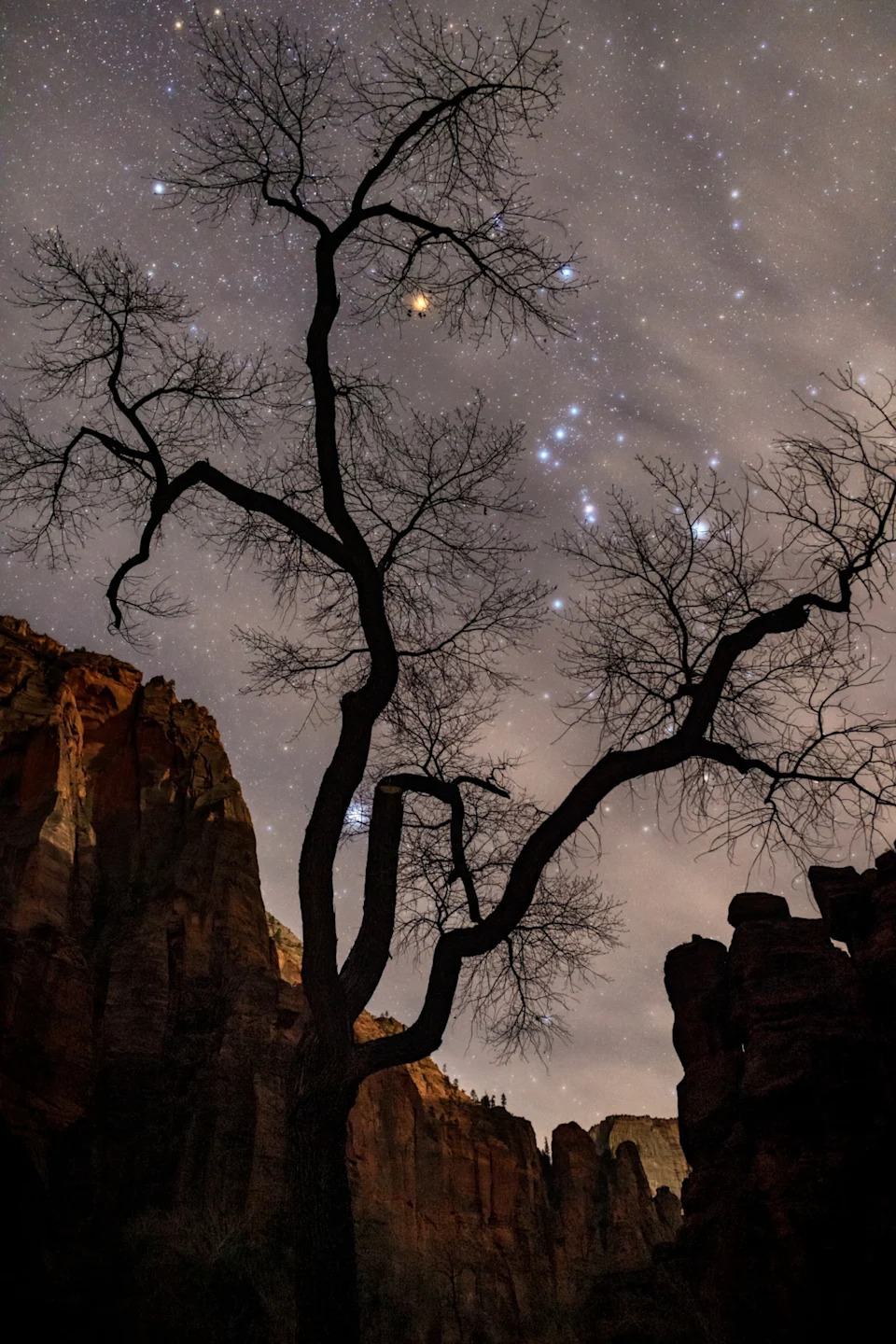
Orion and the setting moon appear above Zion National Park in January 2021.Babak Tafreshi, Nat Geo Image Collection
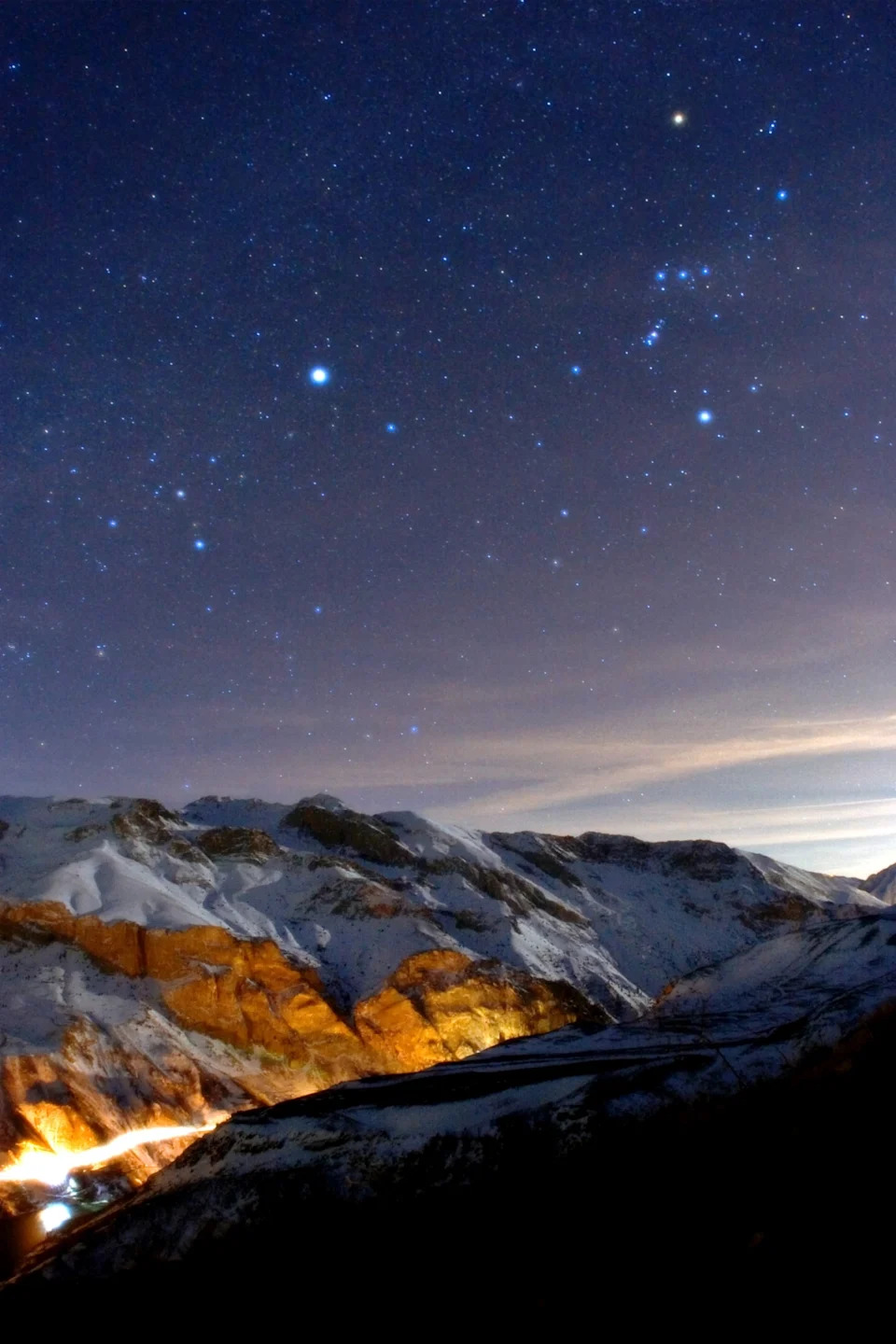
Orion and Canis Major, including Sirius, shine over the Alborz Mountains in Iran in January 2007.Babak Tafreshi, Nat Geo Image Collection
Help us improve.