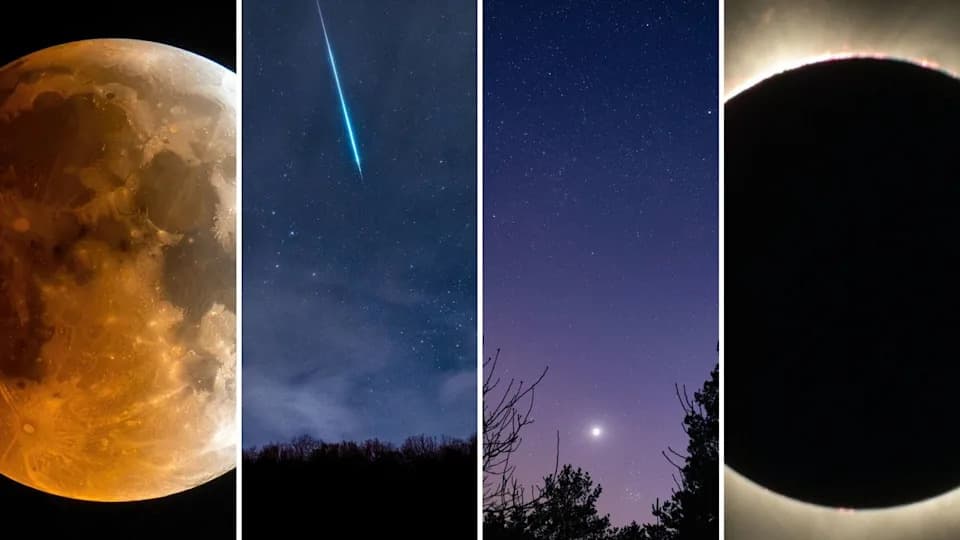
December’s skies deliver a mix of accessible and rare sights: a year‑end supermoon, an early‑morning Mercury elongation, the prolific Geminids and the subtler Ursids, and strong showings of the Orion Nebula. A rare interstellar visitor, Comet 3I/ATLAS, makes its closest approach on Dec. 19 (visible with telescopes). Look for a crescent moon near Saturn on Dec. 26 and an increasingly bright Jupiter as Earth nears opposition in January 2026.
9 December Night‑Sky Events You Can’t Miss — From a Supermoon to an Interstellar Comet

If November’s aurora displays left you excited, December promises more celestial treats. This month offers early planet showings, a bright supermoon, a prolific meteor shower, and a rare interstellar visitor — plus a vivid Jupiter to close the year and hint at what’s ahead in early 2026.
Below are nine top night‑sky events to watch this month. Most are visible without optical aid and are best enjoyed from a dark, remote location. Read on for times, viewing tips and what to expect.
1. Supermoon (the year’s final full moon)
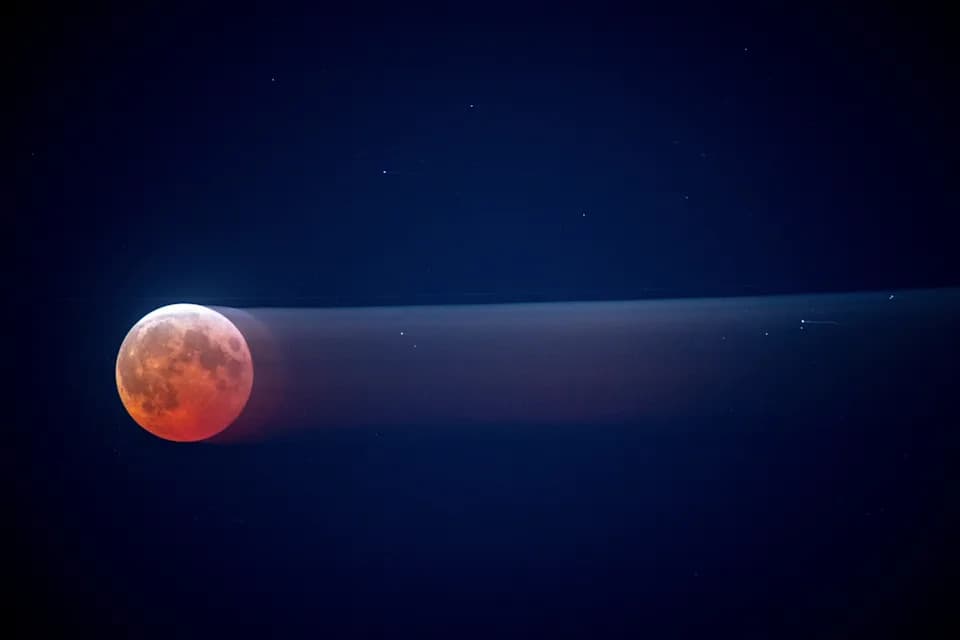
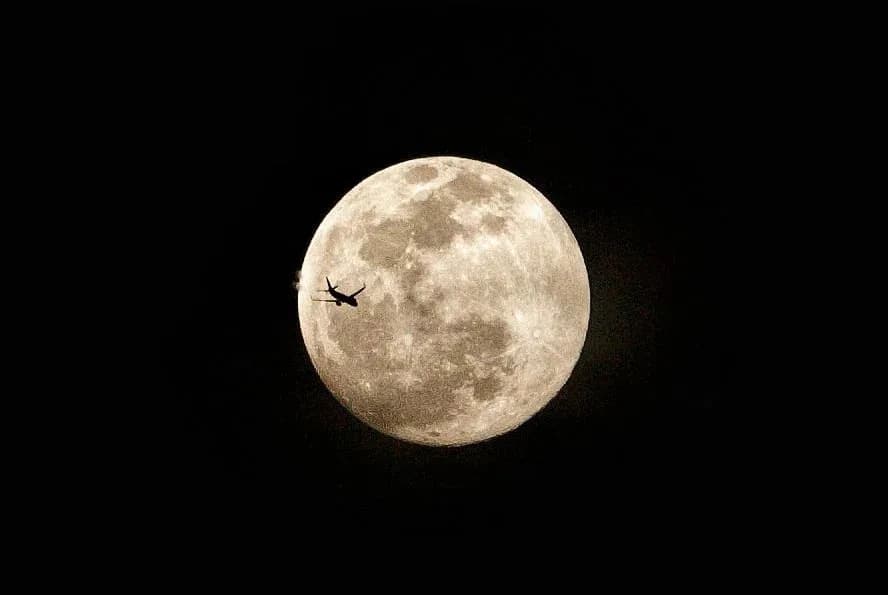
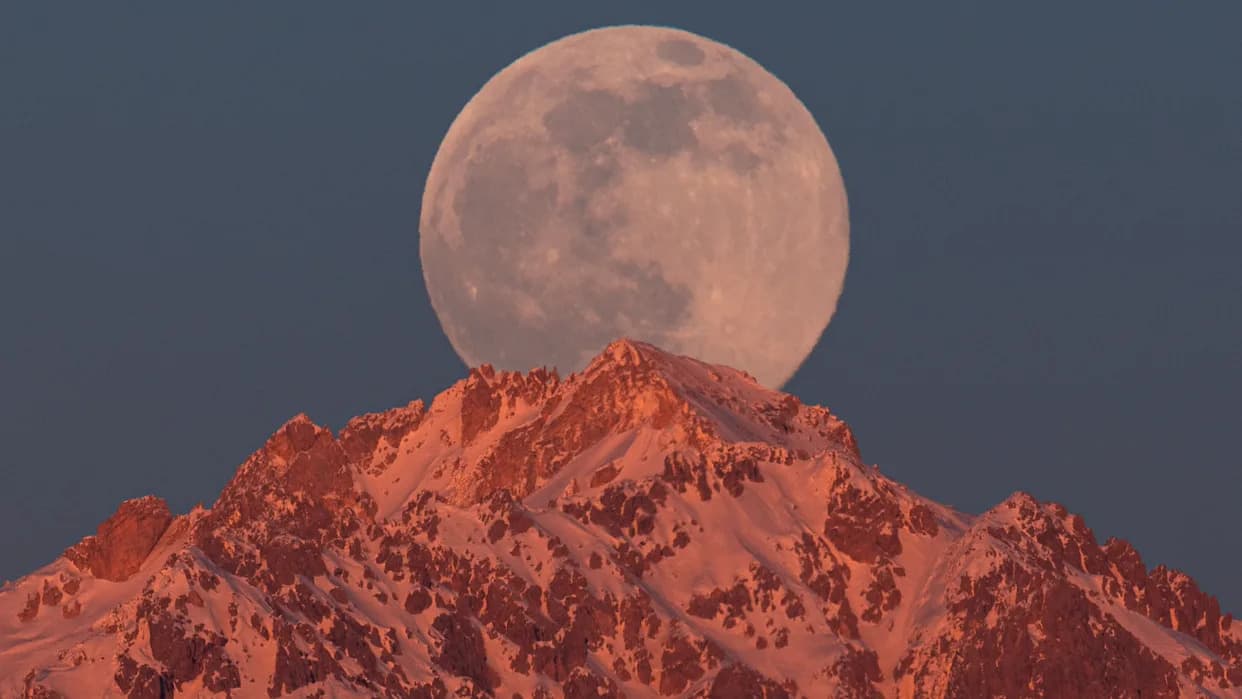
The final full moon of the year also qualifies as a supermoon, when the moon’s full phase coincides with perigee — its closest approach to Earth. At perigee the lunar disk can appear up to about 14% larger and roughly 30% brighter than at apogee. For the most dramatic effect, watch the moonrise around sunset when the moon illusion makes it look unusually large near the horizon.
2. Mercury at greatest elongation — Dec 7
Mercury reaches greatest elongation on Dec. 7, giving observers one of the best chances this year to spot the innermost planet. Look about an hour before sunrise toward the eastern horizon; Venus will be nearby and easier to spot just after Mercury becomes visible. Use binoculars only if you are confident and the Sun is still well below the horizon.
3. Moonrise near sunset — horizon illusion
For an arresting scene, catch the rising moon around sunset. The so‑called moon illusion makes the lunar disk appear larger when it’s low in the sky, especially when framed by trees, buildings or low hills. No telescope needed — just a clear horizon and a camera if you want a memorable shot.
4. Geminids meteor shower — Peak Dec 13–14
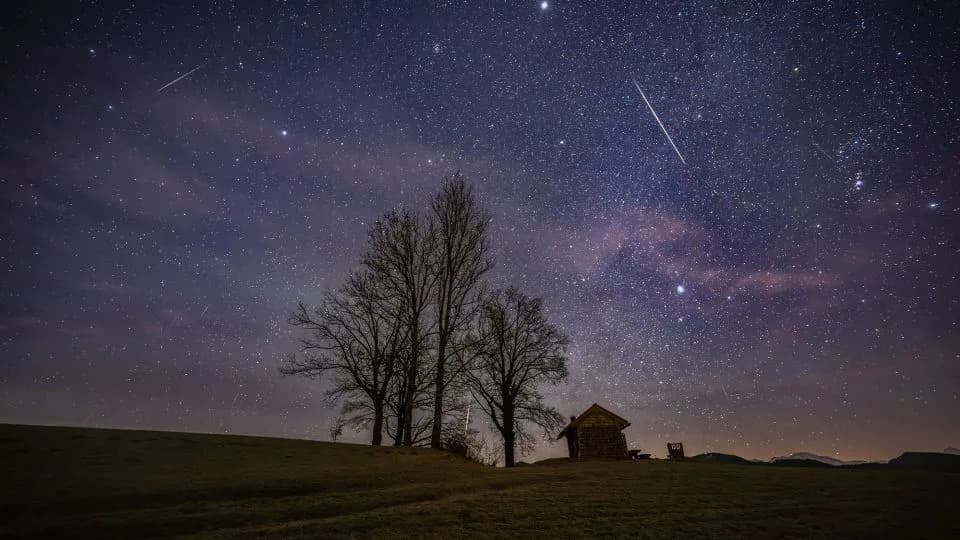
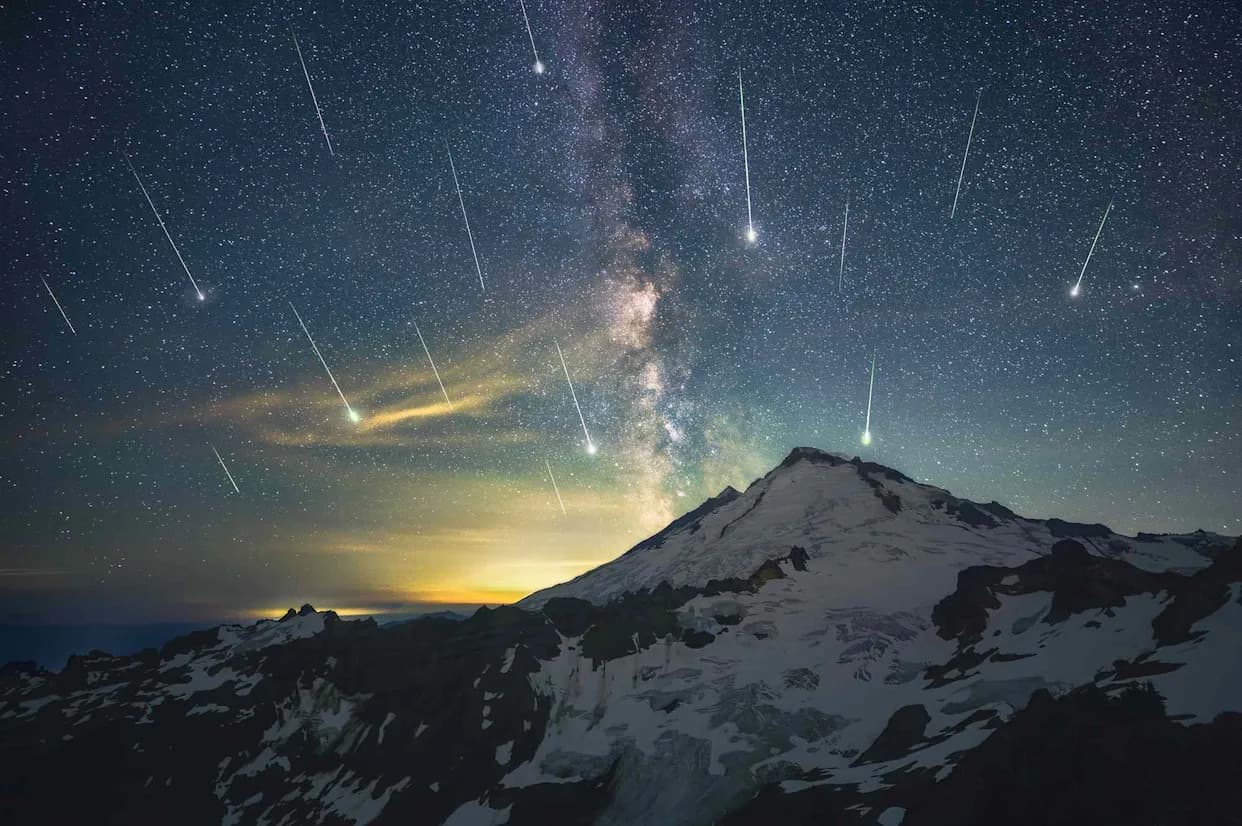
The Geminids are historically one of the most active and reliable annual showers. Under ideal, dark skies they can produce roughly 60–120 meteors per hour. This year’s geometry looks favorable: the shower becomes noticeable around 10 p.m., and the waning crescent moon (about 30% illuminated on peak night) doesn’t rise until roughly 2 a.m., leaving many hours of dark sky for viewing. Watch for yellow‑tinged streaks and occasional bright fireballs that may flash anywhere in the sky.
5. Orion Nebula (Messier 42) — Best around Dec 15
December is prime time to view the Orion Nebula, a nearby stellar nursery cataloged as M42. The nebula is faint to the unaided eye but reveals rich structure through binoculars or a small telescope: clouds of blue, pink and green gas and dust. It climbs highest near local midnight around Dec. 15. Find it just below Orion’s three‑star belt.
6. Interstellar Comet 3I/ATLAS — Closest approach Dec 19
The rare interstellar visitor Comet 3I/ATLAS passes closest to Earth on Dec. 19, at about 170 million miles. It’s only the third confirmed interstellar object observed in our solar system. The comet will be too faint for naked‑eye viewing, but telescopes and observatories can track it as it fades after its October perihelion. Look for it near the constellation Leo and consult updated charts or astronomy apps for precise coordinates.
7. Winter solstice and aurora chances — Dec 21
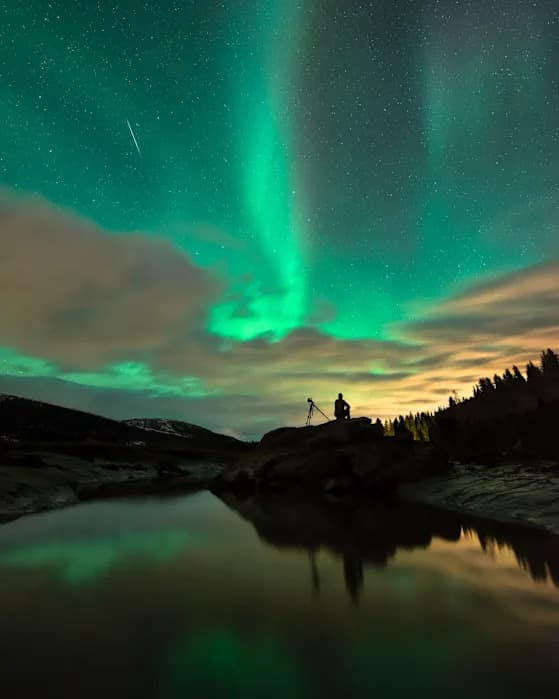
Dec. 21 is the winter solstice in the Northern Hemisphere (the shortest day of the year) and the longest day in the Southern Hemisphere. Longer, darker nights in the north can improve aurora‑watching opportunities. We’re on the tail end of the Sun’s roughly 11‑year solar maximum, so geomagnetic activity — and thus aurora odds — remain elevated, though spectacular displays are still difficult to predict. Use space‑weather alerts and aurora‑forecast maps to plan a chase.
8. Ursids meteor shower — Peak Dec 21–22
The Ursids are a modest, late‑year shower that can be rewarding in dark skies. This year the nearly new moon makes viewing favorable. Expect up to about 10 meteors per hour under good conditions, with most activity happening before dawn when the Ursa Minor radiant sits highest.
9. Moon near Saturn — Dec 26, and Jupiter’s brightening
On the night of Dec. 26 a waxing crescent moon will pass within roughly four degrees of Saturn — close enough to cover with about three finger widths at arm’s length. Look in the southern sky after sunset; the pair will set near midnight. Meanwhile, Jupiter is brightening as Earth approaches opposition (official opposition on Jan. 10, 2026). The gas giant rises soon after sunset and will be visible all night, growing more prominent into early January.
Viewing tips
Dress warmly, bring a reclining chair or blanket, and let your eyes adapt to the dark for at least 20 minutes. A red‑light flashlight preserves night vision. Telescopes and binoculars enhance nebula and comet views but aren’t necessary for meteor watching or aurora spotting. Use a reliable astronomy app or star chart for exact rise/set times and precise object locations from your latitude.
Help us improve.