CRBC News

Perseverance Will Photograph the Sun Daily from Mars, Offering a Rare View of Solar Activity

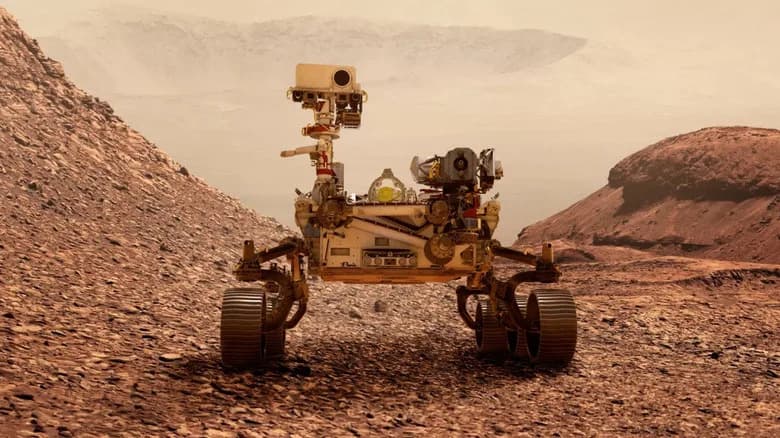
NASA will have Perseverance take daily Mastcam‑Z images of the Sun for the next two months, providing a rare view of the Sun’s far side while Mars passes behind the star.

Though Mastcam‑Z is primarily used to measure Martian dust, it can detect large sunspots; the rover previously captured sunspot images in 2024.

These additional observations help scientists track active regions that can produce flares and coronal mass ejections, which may cause auroras and disrupt satellites and radio systems.
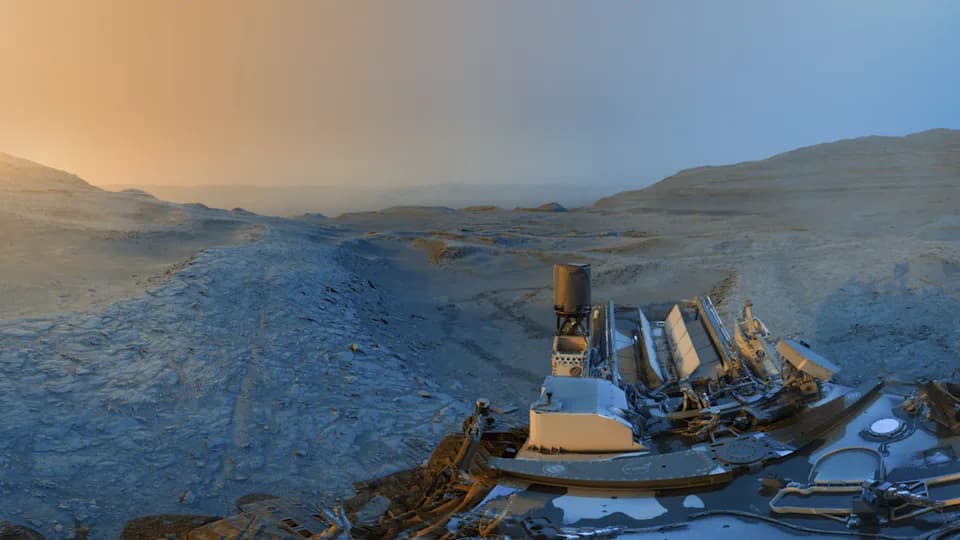
Perseverance Will Photograph the Sun Daily from Mars, Offering a Rare View of Solar Activity

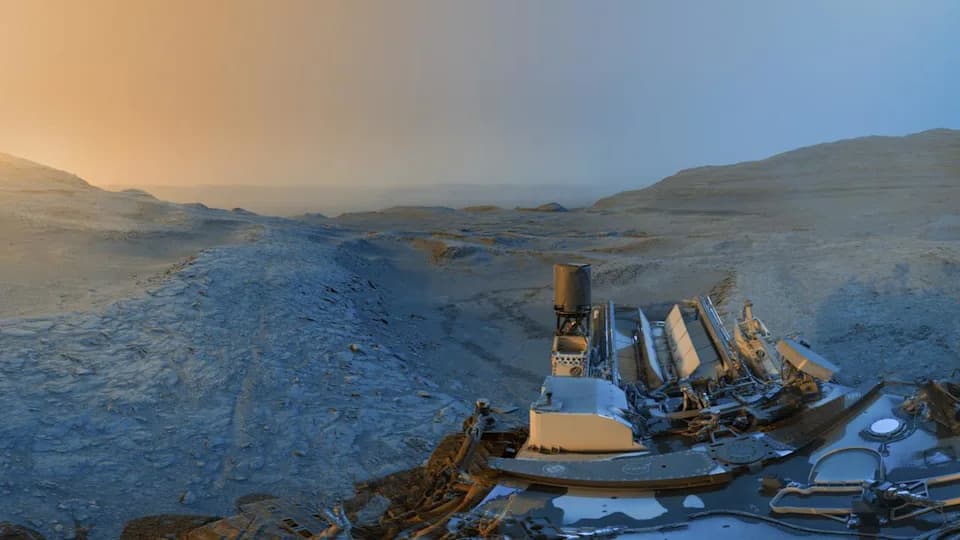
NASA has tasked its Mars rover Perseverance with photographing the Sun once a day for the next two months using its Mastcam‑Z cameras. As Mars passes behind the Sun, Perseverance gains a rare vantage point on the star’s far side—an angle that cannot be observed from Earth.

Mastcam‑Z is a pair of zoom-capable cameras mounted on the rover’s mast and is primarily used to measure dust in Mars’ atmosphere, a routine observation that helps forecast Martian weather. Although not designed as a solar observatory, Mastcam‑Z is sensitive enough to record large sunspots when pointed at the Sun.

This operation repeats a similar effort from 2024 when Perseverance captured sunspot imagery. Daily images from Mars provide an additional viewpoint that complements Earth- and space-based solar monitoring efforts.

Why this matters

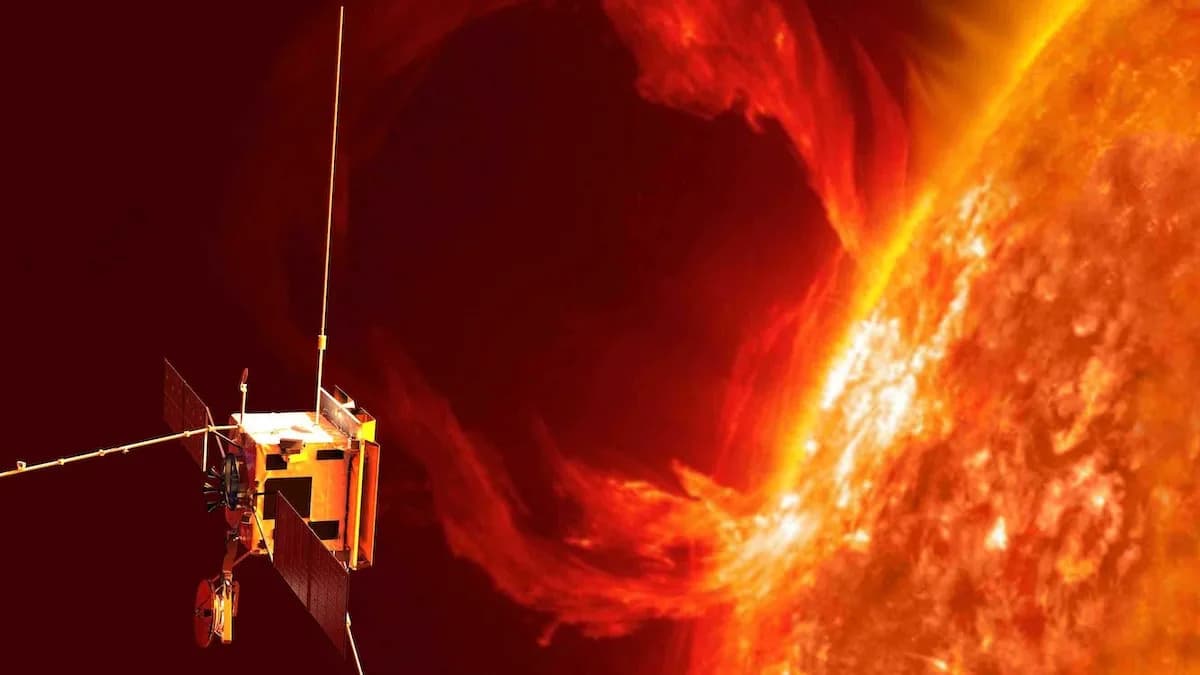
Sunspots are temporary, darker regions on the Sun that form when strong magnetic fields inhibit the outward flow of heat. They often cluster in active regions and can persist for days to months. Sunspots frequently coincide with solar flares and coronal mass ejections—energetic eruptions that, if directed at Earth, can spark auroras and disrupt satellites, radio communications and power systems.

By adding Perseverance’s line of sight to existing observations, scientists can better track the growth and movement of large active regions and improve space-weather forecasts. The Martian perspective is especially valuable when Earth’s view of the Sun is limited or blocked.

Perseverance will continue its primary Mars science while scheduling a brief daily solar observation with Mastcam‑Z. The images and derived measurements will help refine models of solar activity and strengthen the global network that monitors and predicts space weather.

Similar Articles