Summary: NASA’s MAVEN orbiter went silent on December 6 after failing to send expected telemetry to Earth. The agency reports the spacecraft was "rotating in an unexpected manner" after emerging from behind Mars and is analyzing tracking-data fragments to determine the cause. Attempts to image MAVEN with Curiosity’s Mastcam returned no detections. Officials say recovery is "very unlikely," though a new contact window opens after solar conjunction ends on January 16.
NASA: MAVEN Orbiter Goes Silent — Recovery 'Very Unlikely'
NASA planetary science division director Louise Prockter conceded that the agency is
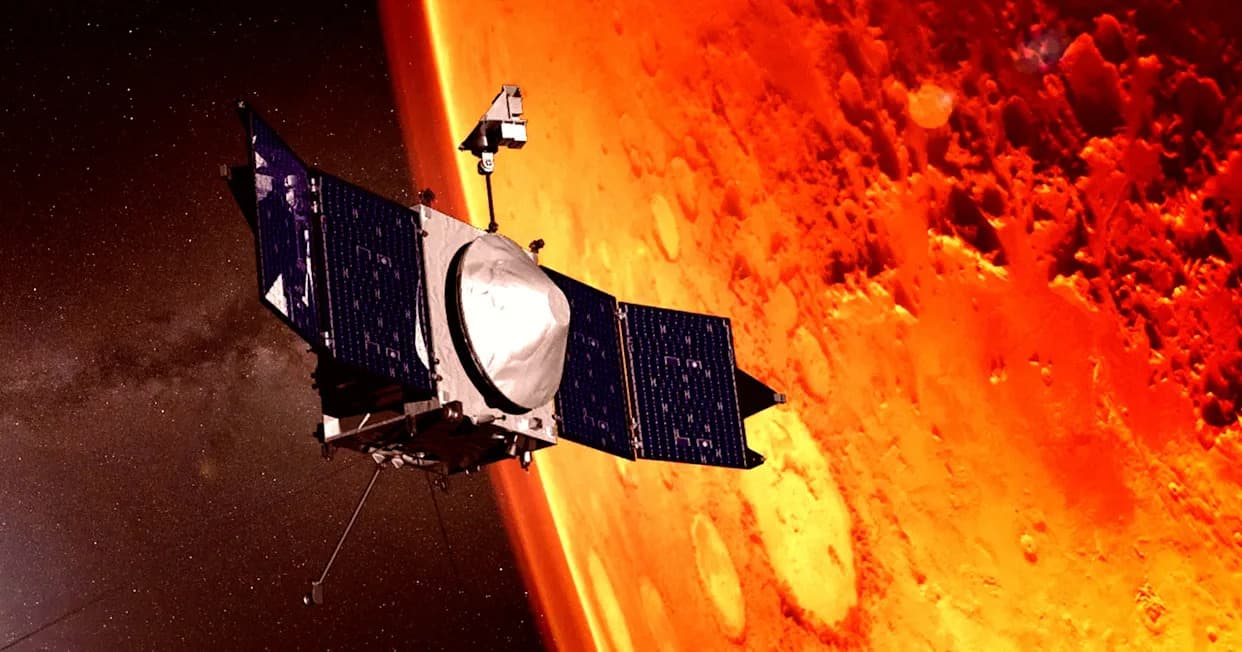
On December 6, NASA’s MAVEN (Mars Atmosphere and Volatile EvolutioN) orbiter unexpectedly stopped transmitting routine telemetry to Earth. The agency’s Deep Space Network — the global array of large radio antennas that links spacecraft across the solar system — did not receive the expected signals.
What NASA Has Reported
Within days NASA released an initial update saying MAVEN appeared to be “rotating in an unexpected manner when it emerged from behind Mars.” By December 23 the team said it was still “continuing efforts to recontact” the vehicle while analyzing recovered tracking-data fragments from a December 6 radio science campaign to build a timeline of possible events.
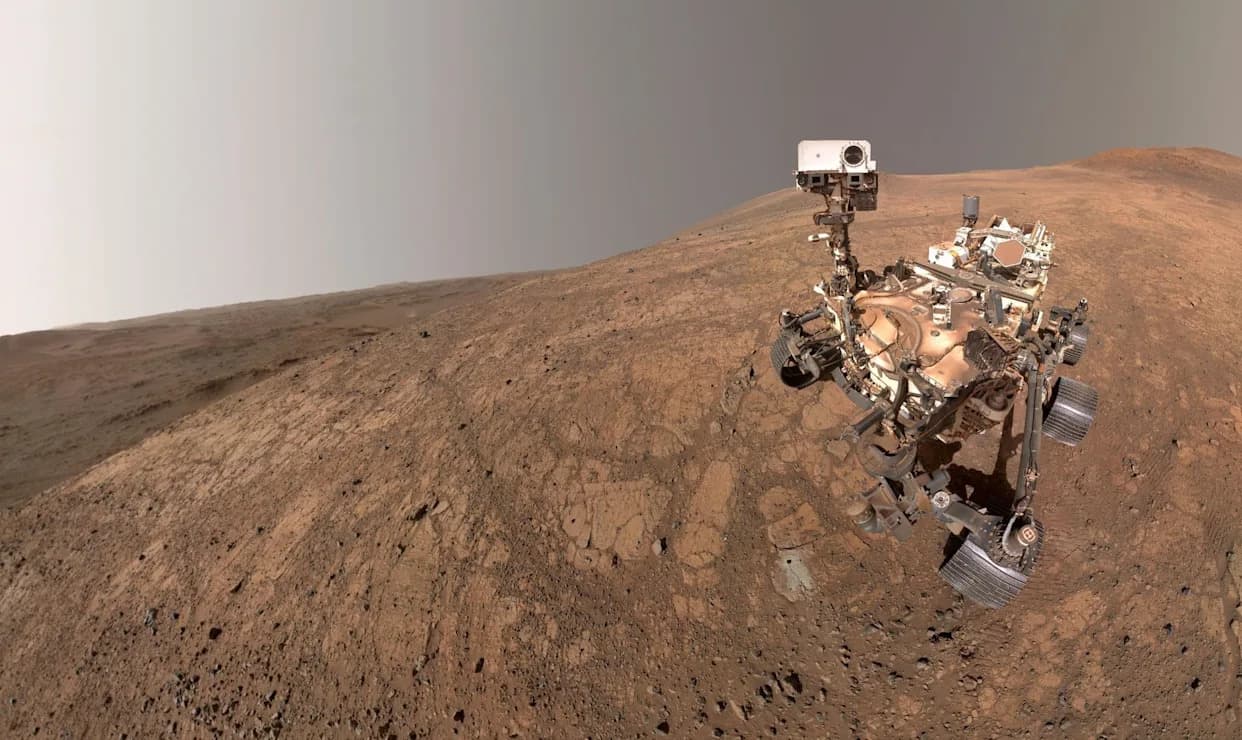
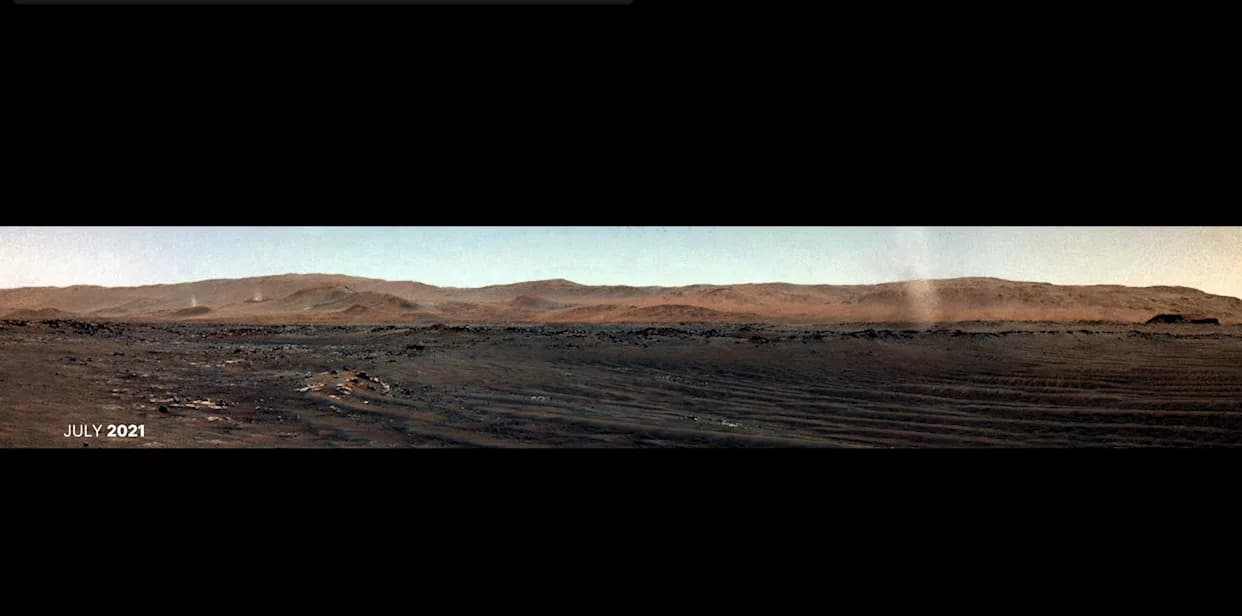
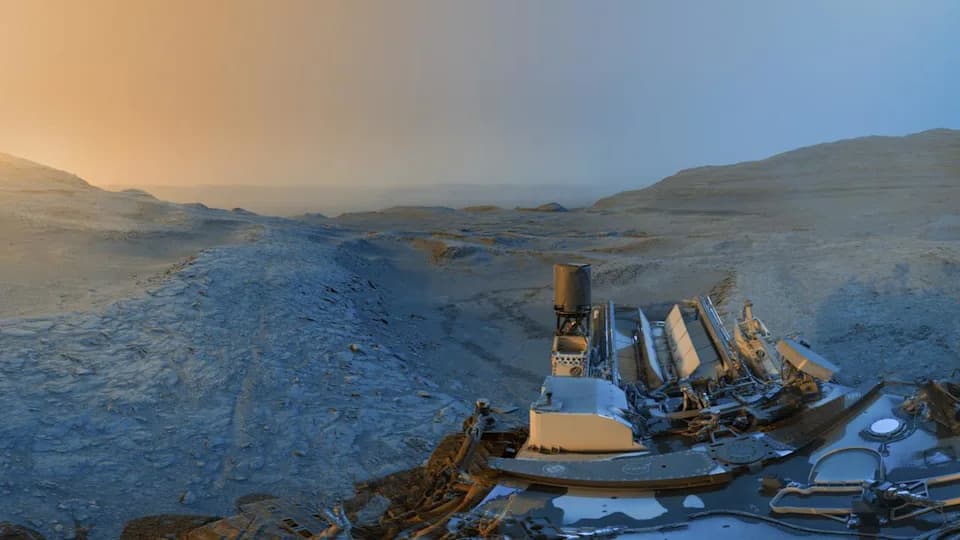
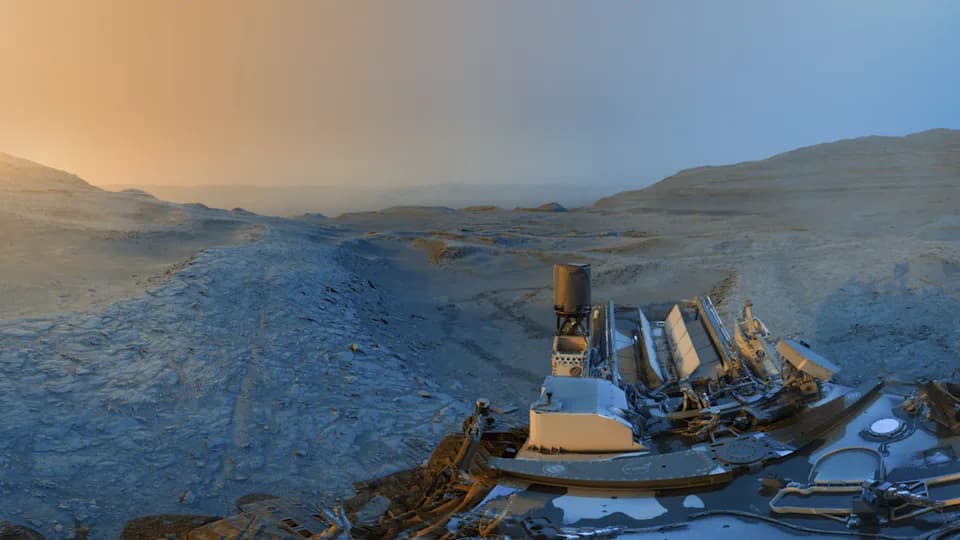
NASA also tasked the Mastcam on the Curiosity rover to attempt visual detection of the orbiter, but those observations did not reveal MAVEN.
Outlook And Next Steps
At a recent meeting, NASA planetary science division director Louise Prockter said the agency is “very unlikely” to recover the MAVEN orbiter. A potential window for renewed contact will open when Mars’ solar conjunction ends on January 16 — a weeks-long period during which the Sun lies between Earth and Mars and routine communications are restricted.
Even if MAVEN cannot be restored, NASA still has other assets at Mars that can support communications relay and science operations. The agency has also revived plans for a next-generation communications relay, the Mars Telecommunications Orbiter, under the so-called “Big, Beautiful Bill” championed by former President Donald Trump — though no launch date has been set.
Why This Matters
MAVEN has spent more than a decade studying Mars’ upper atmosphere and its interactions with the solar wind, providing key data about atmospheric loss and planetary evolution. Losing the spacecraft would be a significant scientific setback, though other orbiters can temporarily cover relay duties while teams assess the situation and await the post-conjunction contact opportunity.
Current Status: NASA continues recovery efforts; chances of reestablishing contact appear slim, but teams will attempt new contact after solar conjunction ends on January 16.
Help us improve.