NASA has been unable to contact the MAVEN orbiter since a loss of signal on Dec. 6. Engineers recovered only a brief fragment of tracking data that suggests the spacecraft was tumbling when it reappeared from behind Mars. Because of a solar conjunction, mission teams must wait until Jan. 16 for the next reliable communications window to attempt recovery. MAVEN has orbited Mars since 2014 and has been essential for studying atmospheric loss and relaying data from surface rovers.
NASA's MAVEN Mars Orbiter Silent After Dec. 6 — Tumbling Signal Raises Recovery Concerns
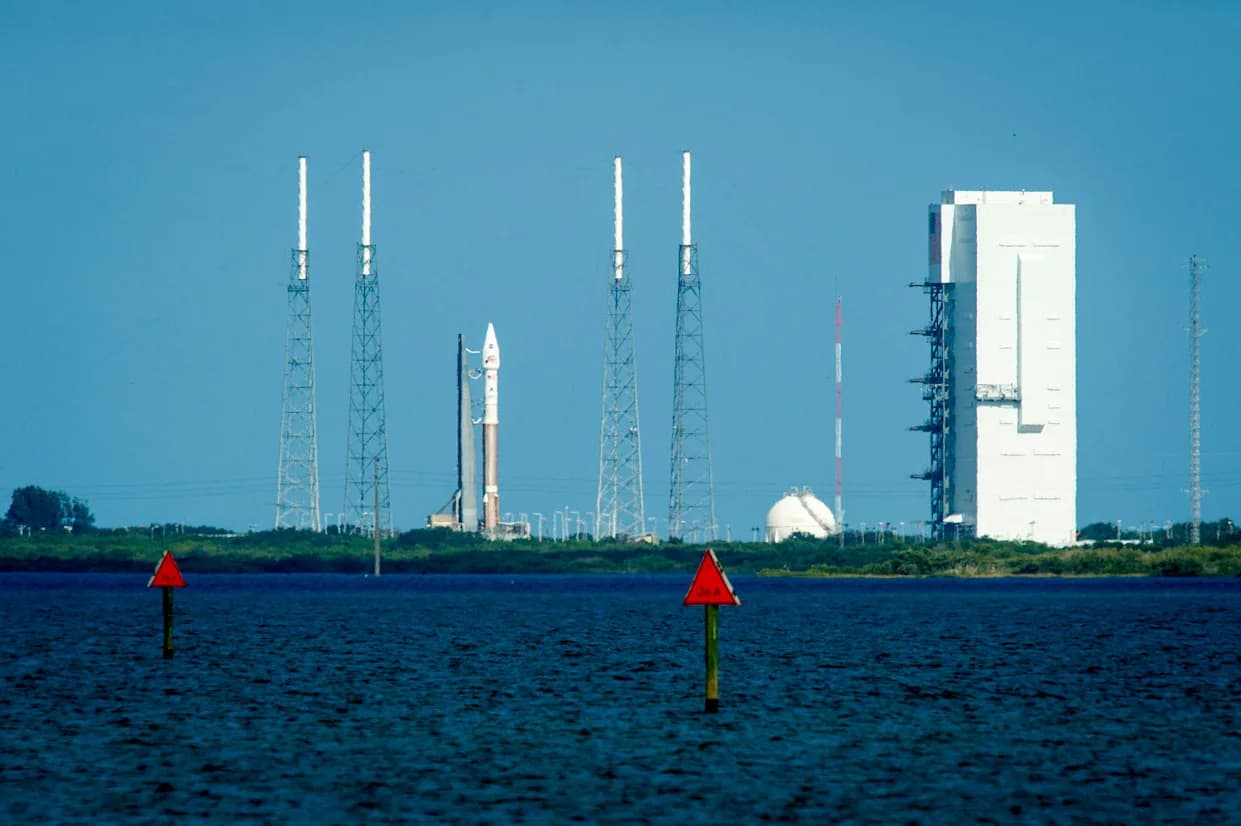
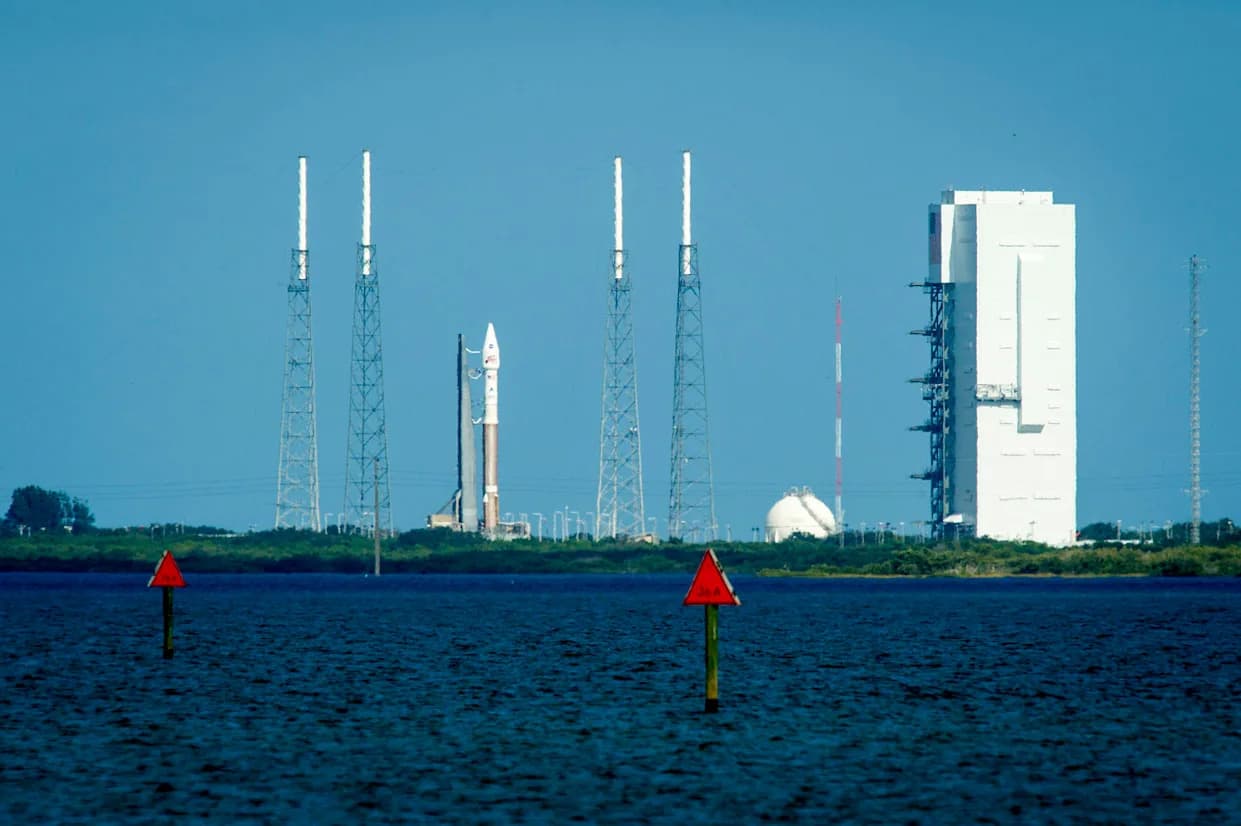
The United Launch Alliance Atlas V rocket with NASA's Mars Atmosphere and Volatile EvolutioN (MAVEN) spacecraft on board is seen at the Cape Canaveral Air Force Station Space Launch Complex 41 in Cape Canaveral, Fla., in 2013. (Bill Ingalls / NASA via Getty Images)
NASA has been trying for nearly a month to re-establish contact with its MAVEN orbiter after the spacecraft went unexpectedly silent on Dec. 6. Limited tracking fragments recovered by engineers suggest the vehicle may have been rotating uncontrollably when it re-emerged from behind Mars, raising concern about the mission's immediate prospects.
What Happened
Ground stations registered a routine loss of signal while MAVEN was behind Mars on Dec. 6. Normally the orbiter resumes communications once it comes back into view, but this time no transmissions were received. Engineers later recovered a brief piece of tracking data from Dec. 6 that indicates the spacecraft was rotating in an unexpected manner when it reappeared.
Recovery Efforts So Far
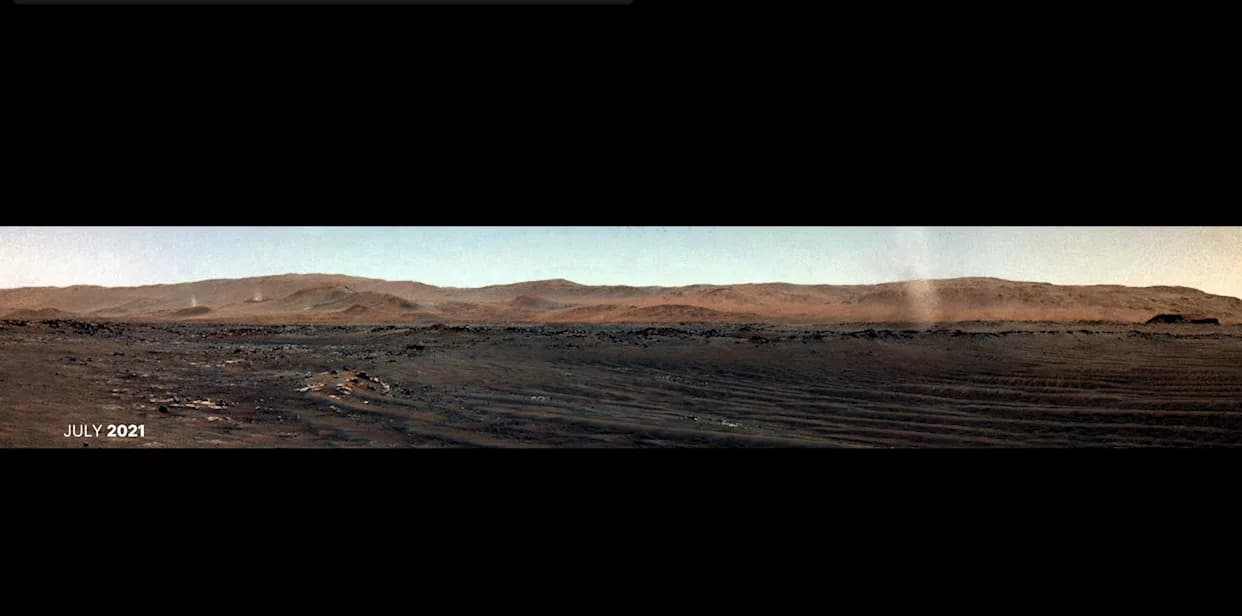
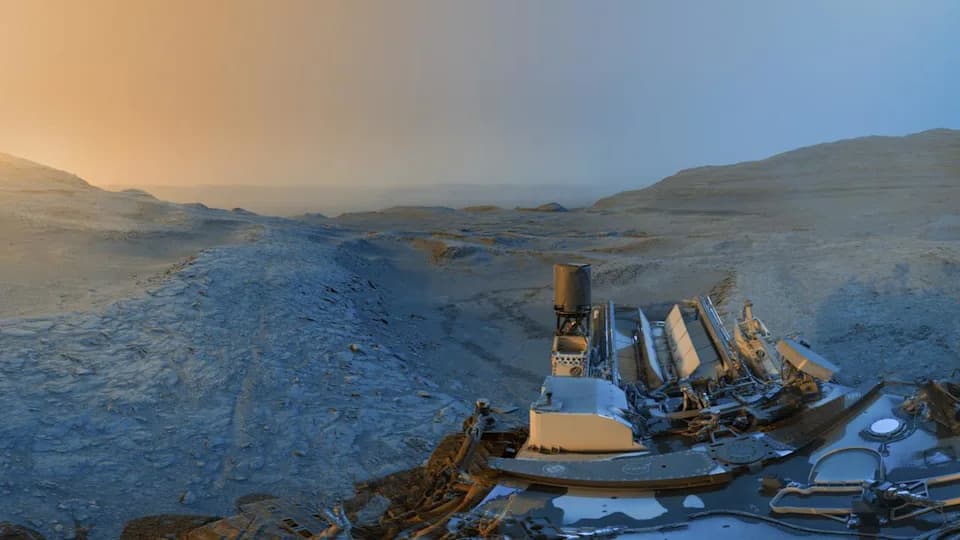
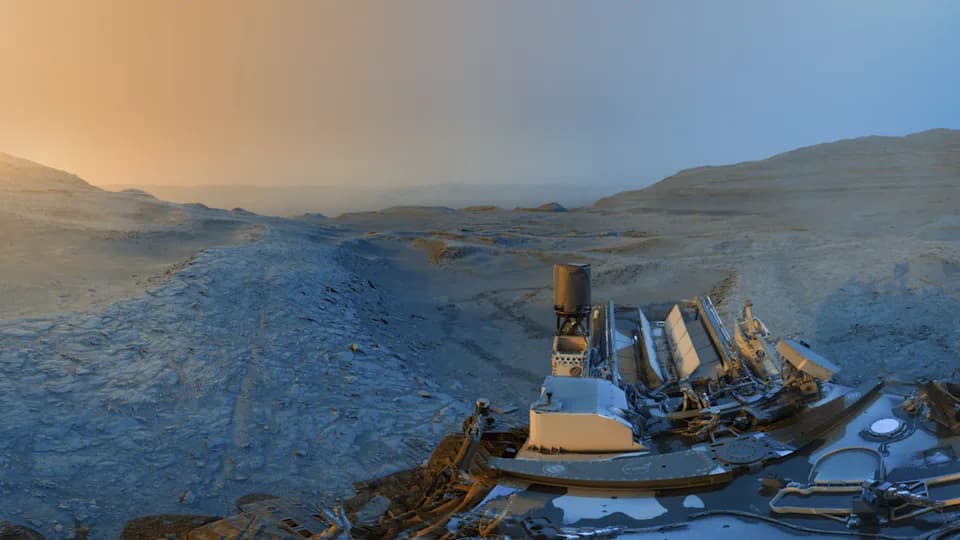
NASA has been using the Deep Space Network — a global array of large radio antennas — to send commands and listen for any response. Teams also attempted to image MAVEN from the Martian surface using the Curiosity rover on Dec. 16 and Dec. 20 to confirm the spacecraft's status visually. Controllers have been carefully analyzing the recovered tracking fragment and reconstructing a timeline to determine what sequence of events led to the loss of communications.
Why Teams Must Wait
Engineers cannot attempt another full recovery until Jan. 16 because Mars and Earth are in a solar conjunction geometry — the Sun lies nearly between the two planets — which causes an extended communications blackout and limits reliable command and telemetry operations. That window will be the next realistic opportunity to try to re-establish steady contact with MAVEN.
MAVEN's Legacy and Role
Launched to orbit Mars in 2014, MAVEN (Mars Atmosphere and Volatile EvolutioN) was originally designed for a two-year mission but has operated for more than a decade, celebrating its 10th anniversary in 2024. The craft has been crucial for studying Mars' upper atmosphere and ionosphere to better understand how the planet lost much of its air over billions of years. MAVEN also serves as a vital communications relay for surface missions, passing data between rovers such as Curiosity and Perseverance and teams on Earth.
Current Outlook
While the limited data recovered and the absence of transmissions since Dec. 4 (per later updates) are troubling, mission teams continue methodical analysis and monitoring. The next full recovery opportunity is the post-conjunction window starting Jan. 16; until then, NASA must rely on careful preparatory work and the Deep Space Network to maximize the chance of reviving the long-serving orbiter.
Note: NASA has characterized the situation as an anomaly under investigation and has released periodic updates but no definitive cause as of the latest statement.
Help us improve.