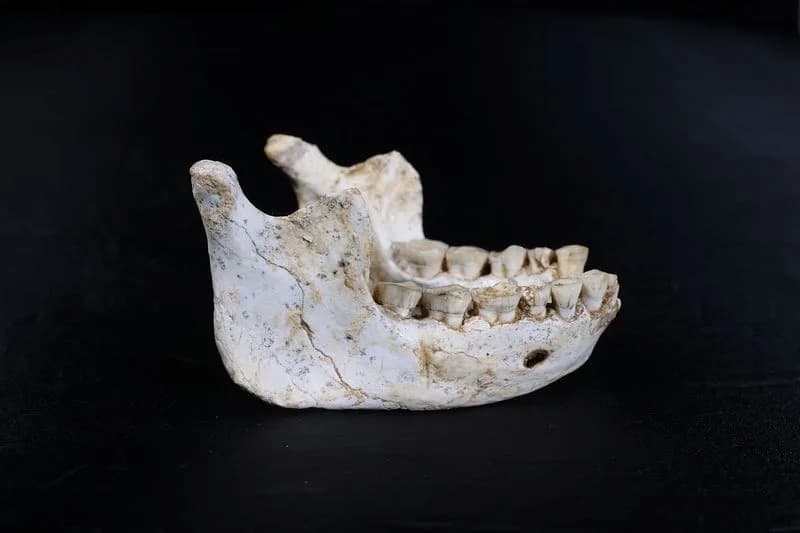
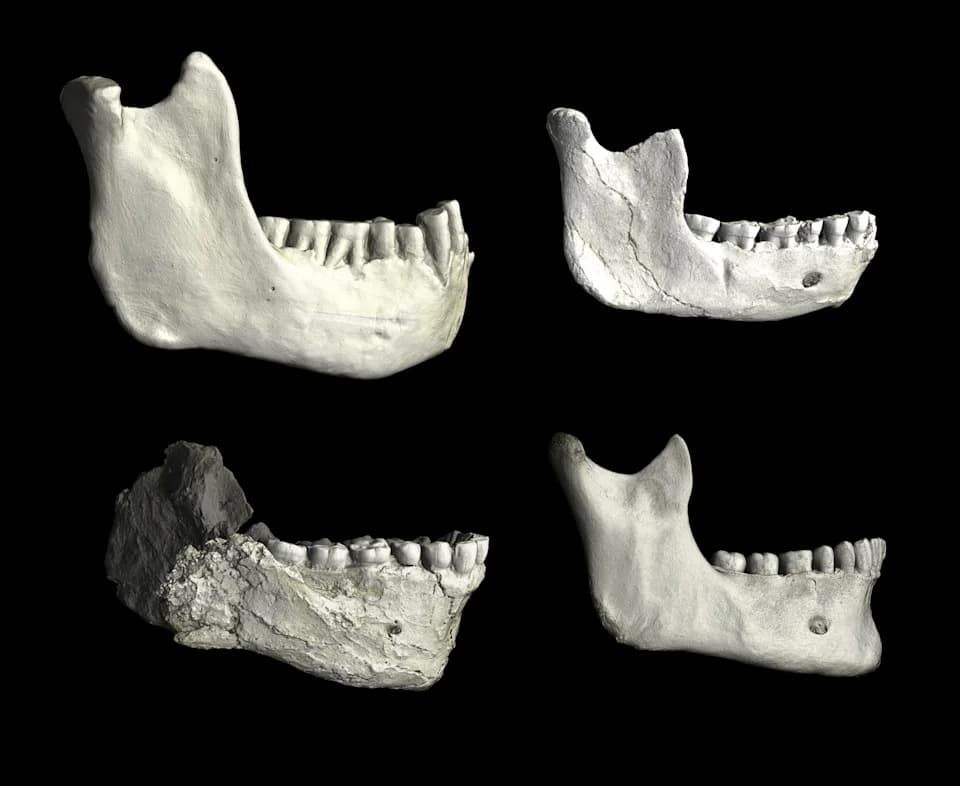
The study identifies a previously unknown human lineage that arose in central Argentina around 8,500 years ago and remained a principal ancestry component for at least 8,000 years. Researchers analyzed DNA from 238 ancient individuals and compared it with 588 published genomes from across the Americas using SNP markers. The lineage supported diverse languages and cultures in central Argentina and later mixed with Pampas populations by about 3,300 years ago. Further ancient-DNA research is needed to explain prolonged genetic isolation alongside cultural diversity.
New Ancient Human Lineage Discovered in Central Argentina — Persisted for Millennia

Archaeologists and geneticists have identified a previously unknown ancient human lineage that emerged in central Argentina about 8,500 years ago and remained a primary ancestry component in the region for at least 8,000 years, according to a new study published in Nature.
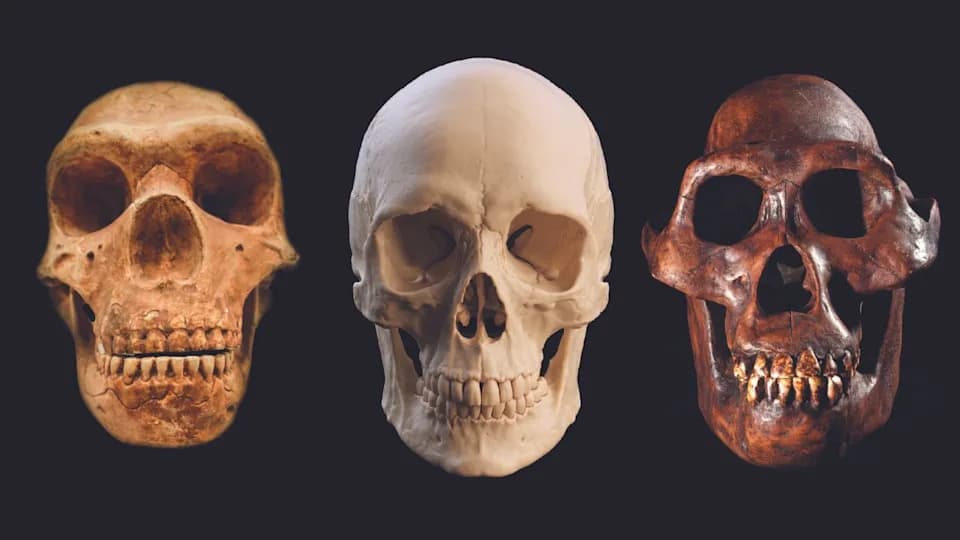
Modern humans first spread out of Africa and gradually populated the Americas, with the southern tip of South America among the last regions to be settled. Until recently, the earliest firm evidence of human occupation in this area came from Arroyo Seco in the Pampas of Argentina, dated to roughly 14,000 years ago. Many questions have persisted about the identities and movements of the earliest groups in this part of the continent, in part because ancient-DNA studies in South America have lagged behind those in Europe and Asia.
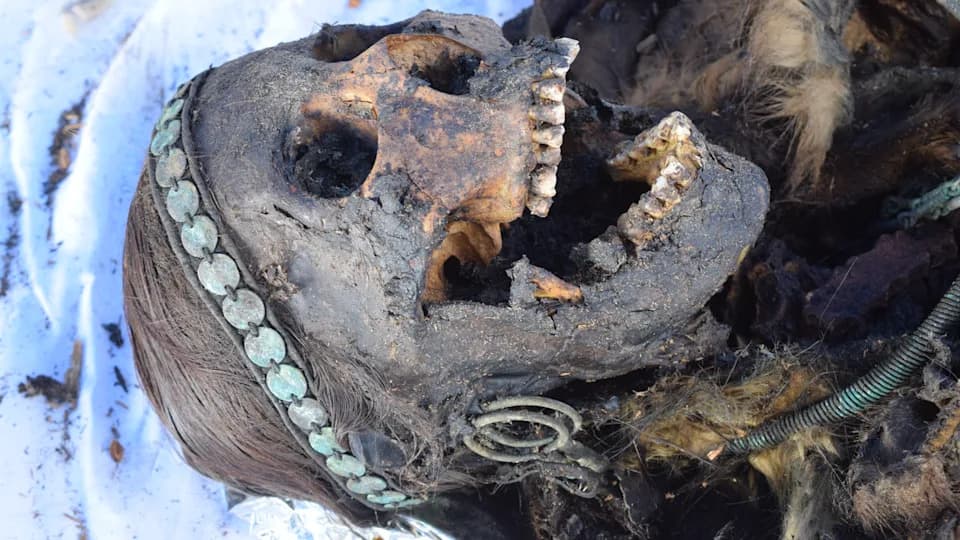
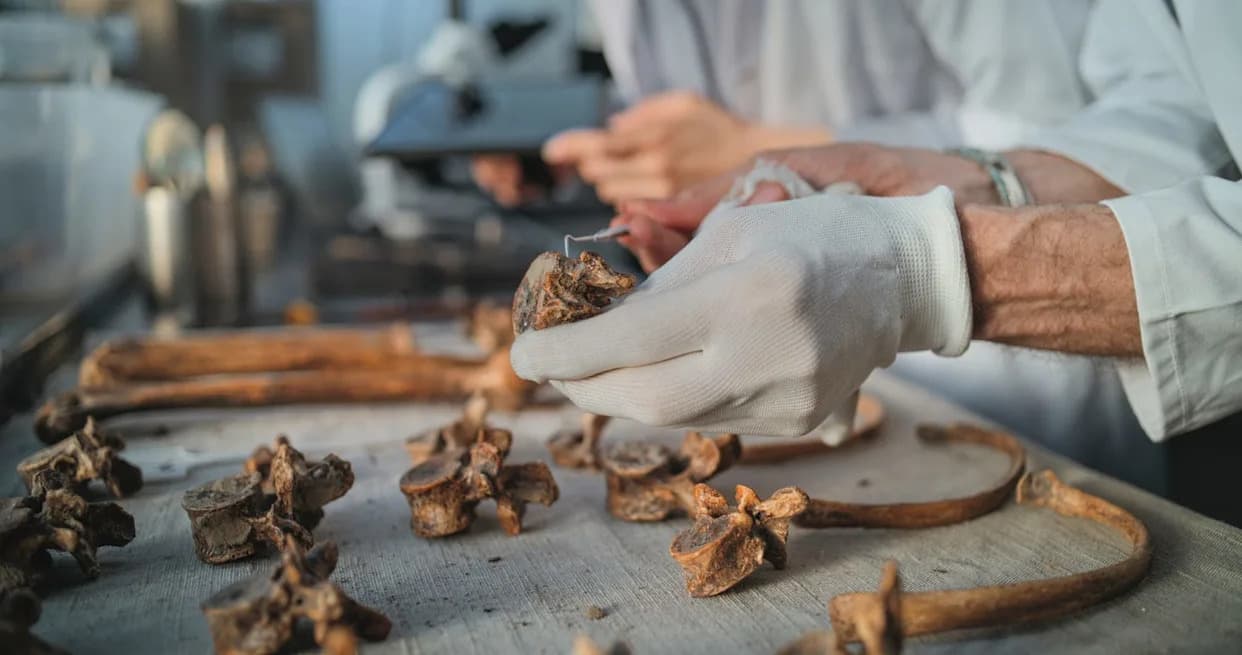
To address that gap, researchers analyzed DNA from the bones and teeth of 238 indigenous individuals dating up to about 10,000 years ago, increasing the number of ancient samples from the central Southern Cone (modern Argentina, Chile and Uruguay) more than tenfold. They compared these genomes with 588 previously published ancient genomes from across the Americas, focusing on single-nucleotide polymorphisms (SNPs) to infer patterns of relatedness and shared ancestry.
The analysis revealed a distinct lineage that appears in central Argentina by roughly 8,500 years ago. That lineage became the dominant ancestral component in central Argentina, contributing to a surprisingly diverse mix of cultures and languages over millennia. The authors describe a scenario in which groups sharing common ancestry were geographically and genetically separated in an "archipelago-like" pattern, developing distinctive cultures and languages while remaining relatively biologically isolated.
"We found this new lineage, a new group of people we didn’t know about before, that has persisted as the main ancestry component for at least the last 8,000 years up to the present day," said Javier Maravall López of Harvard University, a co-author of the study.
Researchers also found evidence that the central-Argentina lineage later expanded southward and mixed with populations in the Pampas by at least 3,300 years ago, ultimately becoming the dominant ancestry in that southern zone. Although there was some interbreeding with neighboring groups, the newly identified lineage appears to have remained largely self-contained for long stretches of time.
The team emphasizes that more ancient-DNA sampling across South America will be needed to explain why migration and genetic mixing were limited in some regions despite the emergence of rich cultural and linguistic diversity. Future work may clarify the timing, routes, and social dynamics that shaped these early South American populations.
Help us improve.