A new study led by Oxford researchers combined primate observations and Bayesian evolutionary modelling to treat kissing as a traceable behavioural trait. The authors conclude that mouth‑to‑mouth contact likely evolved among great apes about 20 million years ago, and that Neanderthals probably engaged in kissing. Together with earlier findings of shared Neanderthal DNA and oral microbes, the evidence suggests humans and Neanderthals very likely exchanged saliva — though the study cannot prove the exact nature or frequency of those encounters.
Did Humans and Neanderthals Kiss? New Study Says Probably Yes

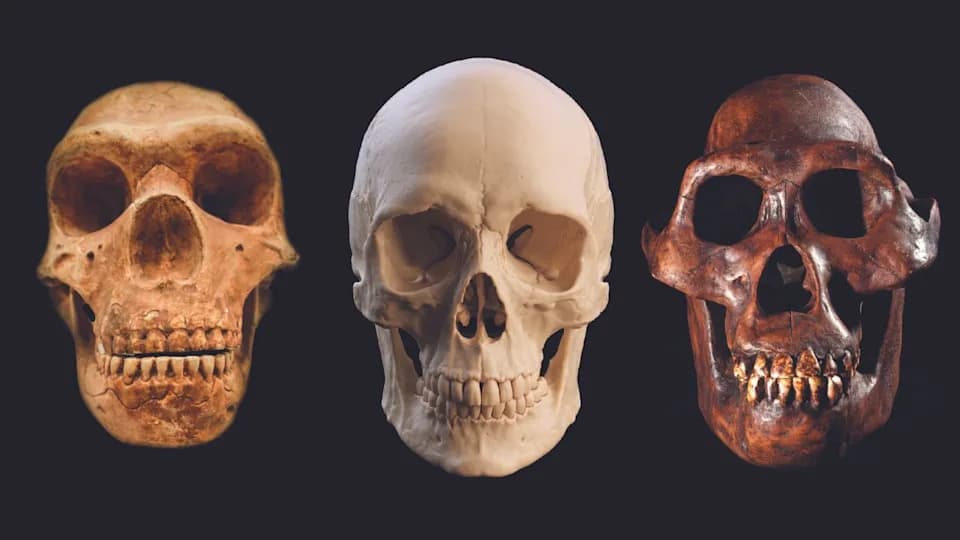
A recent study led by researchers at Oxford University suggests that intimate mouth-to-mouth contact — what we call kissing — was likely present among Neanderthals and our other great-ape relatives. By combining observations of living primates with evolutionary modelling and genetic clues, the team argues that kissing is an ancient behaviour and that Homo sapiens and Neanderthals very likely exchanged saliva in close contact.
What the researchers did
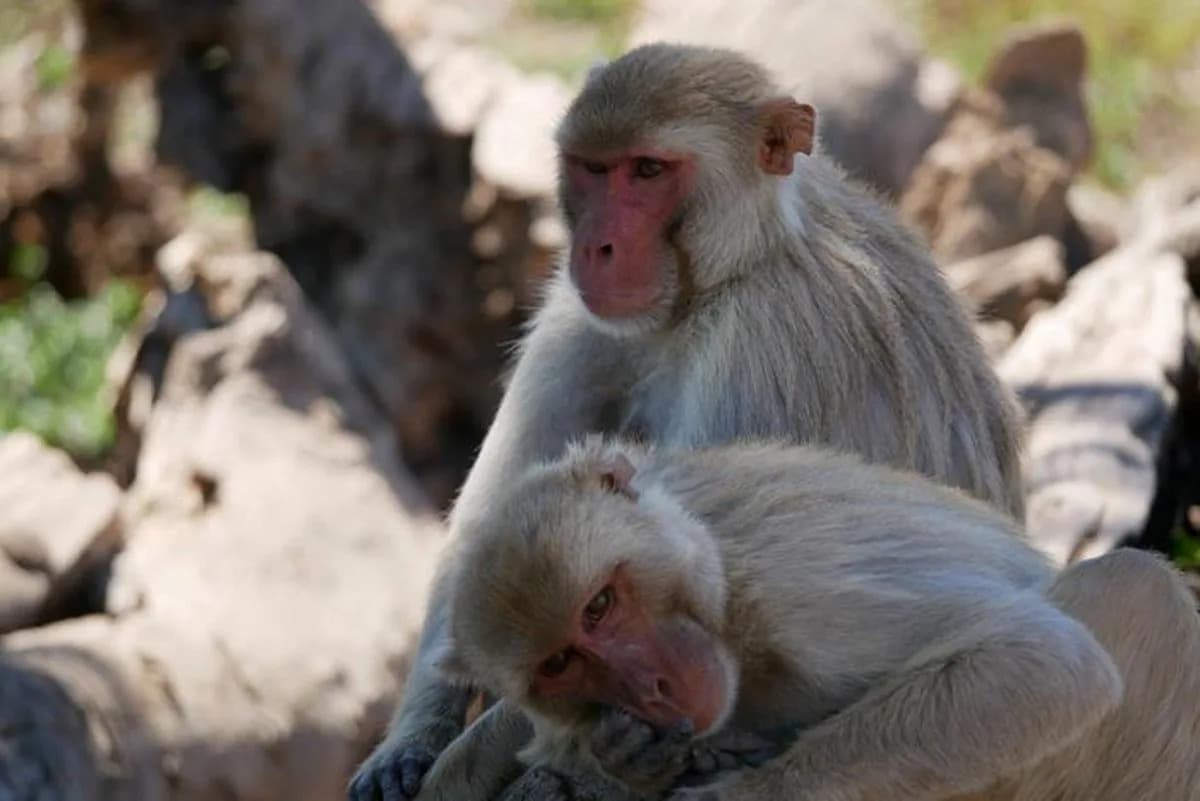
The team compiled observational records of primate species across Africa, Europe and Asia, noting which species have been seen making mouth-to-mouth contact (including chimpanzees, bonobos and orangutans). Treating kissing as a behavioural trait, they used Bayesian phylogenetic models to trace how that trait may have been distributed across the primate family tree.
Key findings
The analysis indicates that affectionate mouth-to-mouth contact is an ancient behaviour among the great apes, likely originating roughly 20 million years ago. From that reconstructed pattern, the researchers conclude that Neanderthals fell within the group of apes that probably engaged in kissing.
Supporting evidence and context
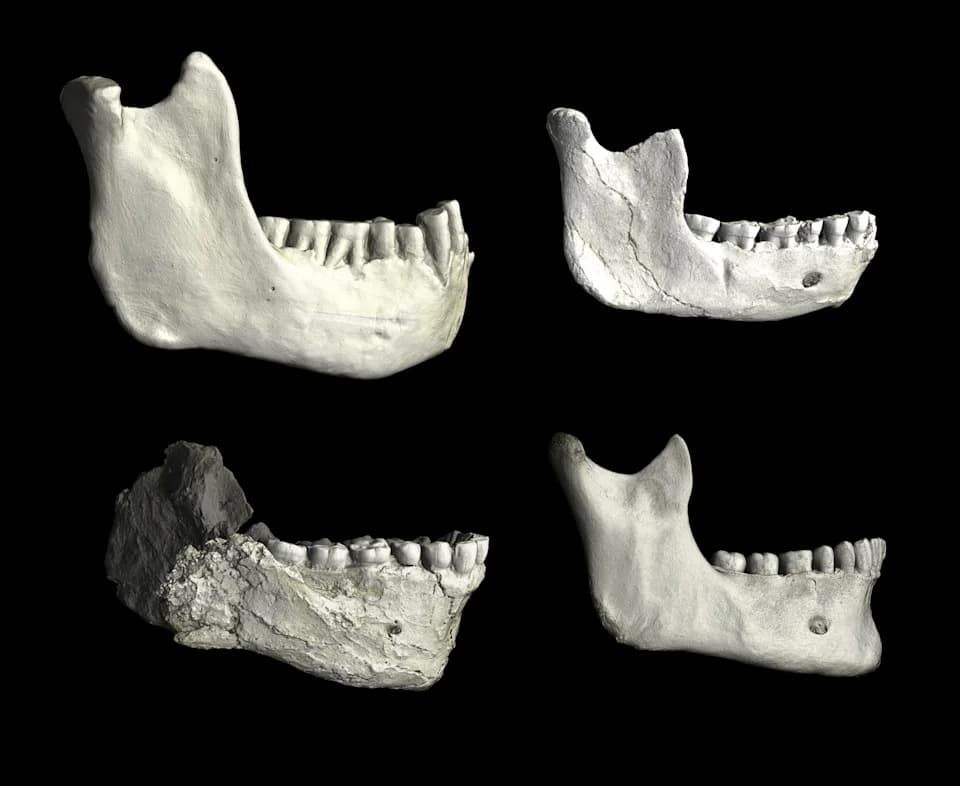
This behavioural inference aligns with earlier genetic and microbiological findings. A 2010 analysis of the Neanderthal genome showed traces of Neanderthal DNA in modern humans, evidence of past intimate encounters (consensual or otherwise). Other recent work has documented shared oral microbes between Neanderthals and modern humans, which could plausibly result from saliva exchange.
“Probably they were kissing,” said Matilda Brindle, the Oxford evolutionary biologist who led the study. “It certainly puts a more romantic spin on human–Neanderthal relations.”
Limitations and interpretation
It is important to emphasise what this study can — and cannot — show. The analysis reconstructs the most likely evolutionary history of a behaviour across species; it cannot produce direct observations of Neanderthal behaviour. Kissing in primates can take many forms and may serve multiple functions, from social bonding to assessing mate health via chemical cues. Likewise, genomic traces and shared microbes indicate contact but do not specify the nature, frequency or consent of interactions.
Even so, the convergence of behavioural reconstruction, genetic evidence and microbial similarities makes a persuasive case that intimate mouth-to-mouth contact was within the behavioural repertoire of Neanderthals — and that such contact between our species and Neanderthals probably occurred at times.
Pop culture note: The idea resonates with earlier fictional treatments of human–Neanderthal intimacy, such as Jean M. Auel’s 1980 novel The Clan of the Cave Bear, but the new work frames the possibility with empirical and evolutionary arguments rather than purely imaginative storytelling.
Help us improve.