During preconstruction surveys for the D35 motorway near Hradec Králové, archaeologists uncovered a large 2nd‑century B.C. Celtic settlement spanning roughly 62 acres. Excavations yielded hundreds of gold and silver coins, coin dies, abundant amber, and evidence of on‑site production of luxury pottery, with about 22,000 bags of artifacts recovered. The site appears to have been a major, unfortified trade and production hub linked to the Amber Road. A museum exhibition of the most significant finds is planned for late 2025.
Motorway Survey Uncovers 2nd‑Century B.C. Celtic Town Brimming with Gold, Amber and Pottery

Archaeologists conducting mandatory surveys ahead of construction of the D35 motorway in the Czech Republic unexpectedly unearthed a large Celtic settlement dating to the second century B.C. The excavation, led by the Museum of East Bohemia in Hradec Králové, has been described as one of the most significant archaeological assemblages ever recovered in Bohemia.
Major finds and site layout
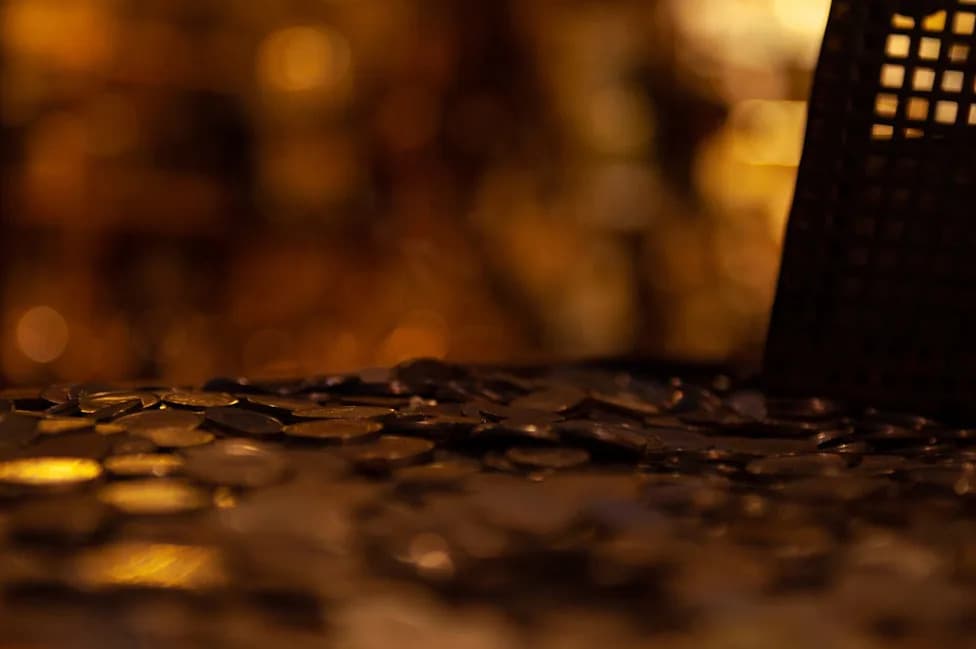
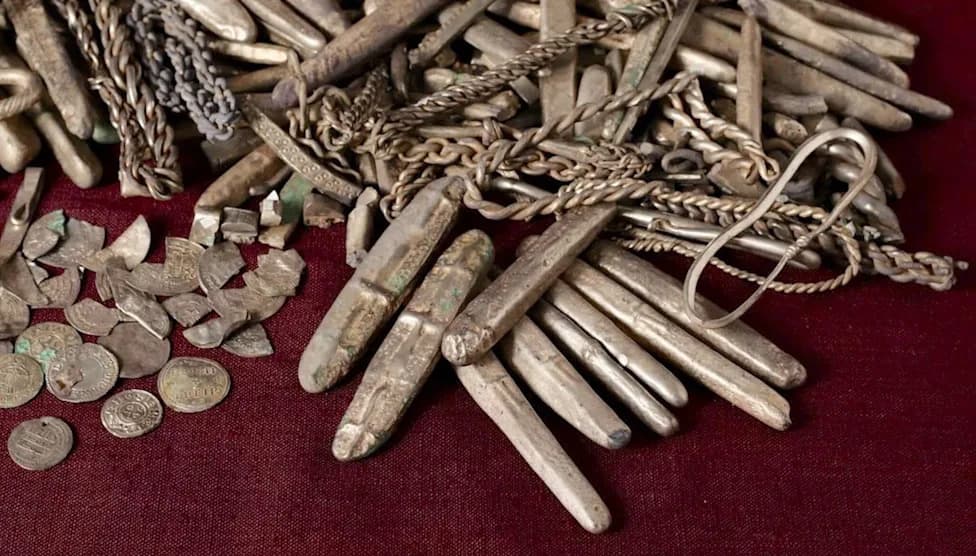
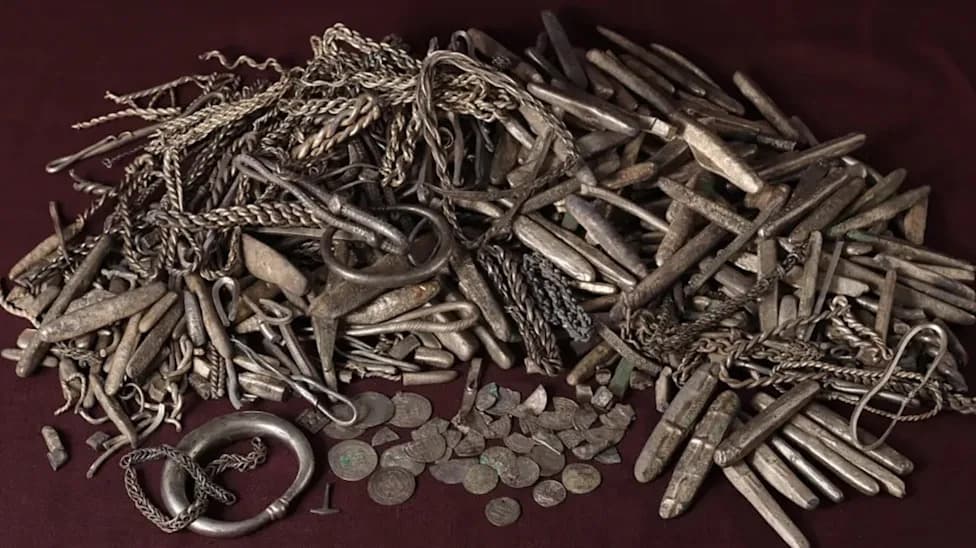
The team recovered hundreds of gold and silver coins, coin dies that suggest on‑site minting activity, abundant amber, and large quantities of high‑quality pottery — including evidence of local production of luxury ceramics. Excavators exposed foundations of numerous dwellings, workshop complexes, and at least one probable religious sanctuary across roughly 62 acres. In total, crews collected about 22,000 bags of artifacts, a volume the museum calls extraordinary for the region.
What this tells us
The scale and composition of the finds indicate the settlement functioned as a supra‑regional trade and production center during the La Tène period. The abundance of amber and luxury pottery strongly links the site to the ancient Amber Road, the trade network connecting the Baltic with the Mediterranean. Notably, the site shows no evidence of defensive walls, suggesting it served primarily as an open commercial and craft hub rather than a fortified stronghold.
People and preservation
Project co‑leader Tomas Mangel, a professor at the University of Hradec Králové, reports that the coin count likely reaches into the several hundreds and that the jewelry assemblage includes bronze and iron brooches, armlet fragments, belt fittings, and glass beads. Many artifacts were recovered from original topsoil and subsoil horizons, a preservation context the archaeologists describe as unusually information‑rich. Fortunately, the site shows no signs of ancient or modern looting.
Tribal identity and public display
No inscriptions have yet been found to identify the specific Celtic group that occupied the site. Although the historical Boii are associated with Bohemia, researchers caution against assigning a precise tribal label without direct evidence. The Museum of East Bohemia plans a public exhibition of the most significant gold, silver and amber finds in late 2025.
Significance: This discovery sheds new light on long‑distance trade, craft specialization, and regional connections in Central Europe during the Iron Age. The combination of coin production, luxury ceramics and amber positions the site as a key node on ancient trans‑European trade routes.
Help us improve.