This excavation on Evia exposed a previously unknown temple near the Temple of Amarysia Artemis, largely dating to the 7th century BC but containing older ritual layers. Archaeologists uncovered multiple hearth-altars — including a horseshoe-shaped altar with thick ash and charred bones — and a cache of jewelry in gold, silver, coral and amber. Deeper trenches revealed Geometric- and Mycenaean-period artifacts and occupation as early as the 9th century BC, while nearby fortification walls date to the Early Copper Age.
Ancient Temple Unearthed on Evia: Altars Brimming With Gold Jewelry and Centuries of Rituals
Scientists Found a Greek Temple Full Of TreasureMarilyn Nieves - Getty Images
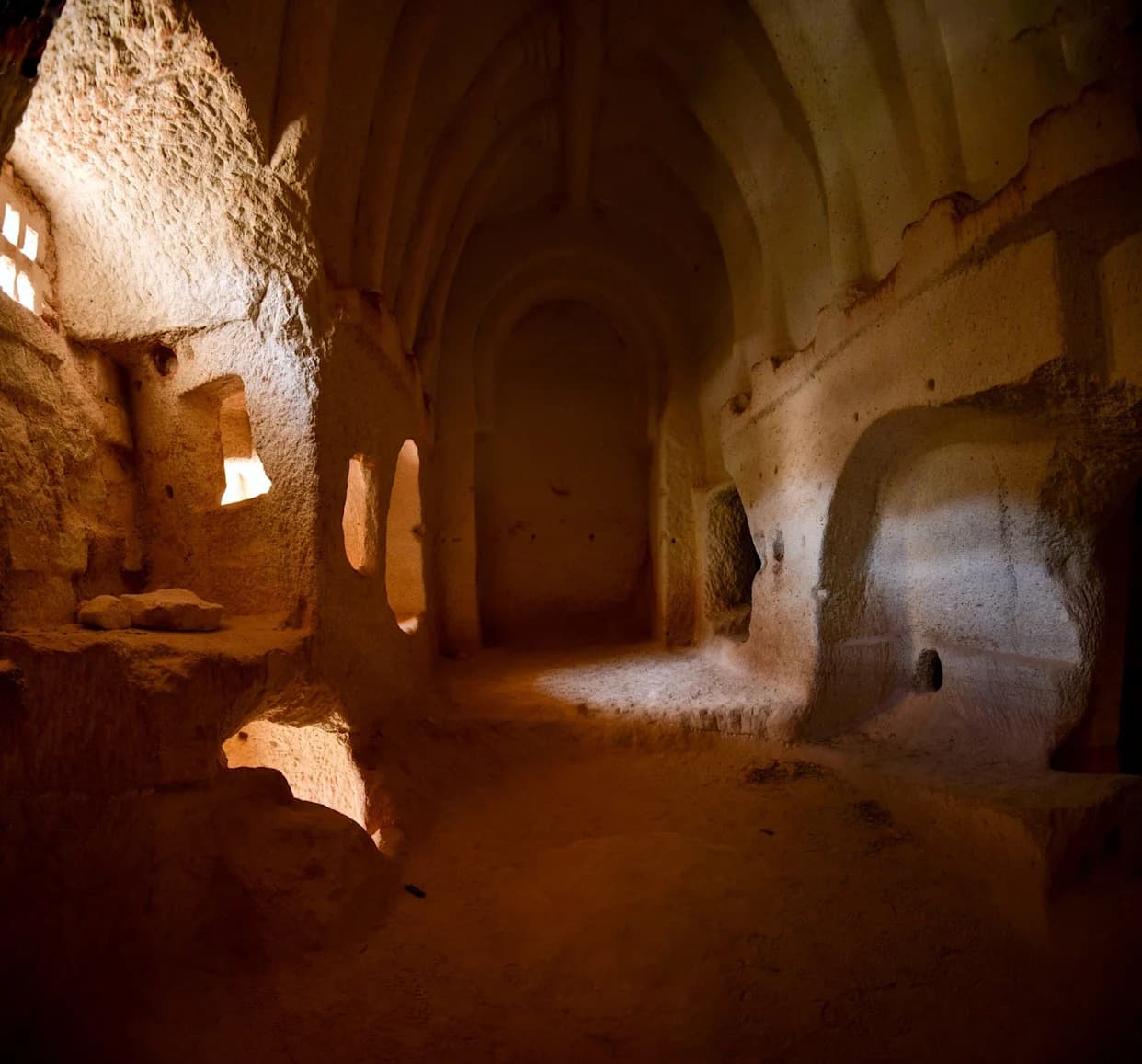
An archaeological team has uncovered a previously unknown temple on the Greek island of Evia, situated close to the famous Temple of Amarysia Artemis. Fully exposed in 2023, the building — largely dating to the 7th century BC — contained multiple altars, abundant votive deposits and a rich assemblage of objects that trace ritual activity at the site for many centuries.
A Monumental, Multi-Period Sanctuary
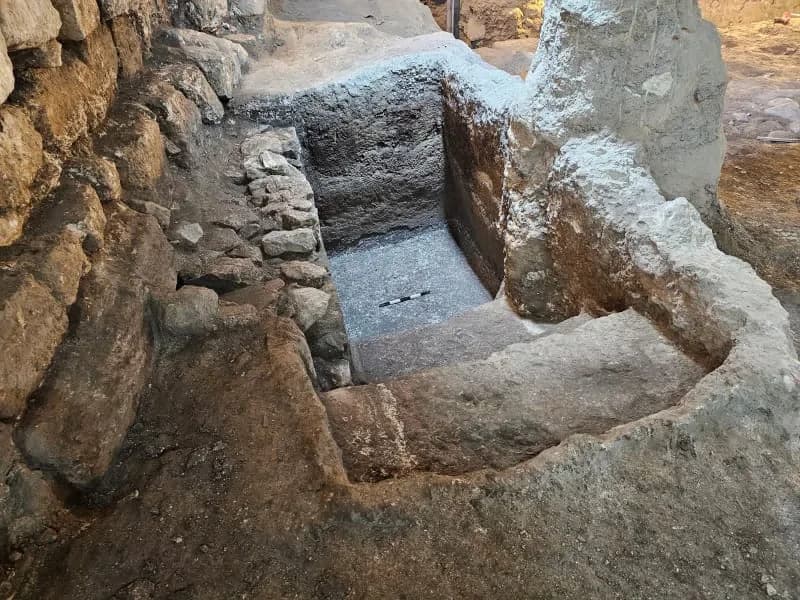
The structure measures roughly 100 feet in length, a scale the excavators link with the temple-building practices of the period. Excavations revealed exterior walls and an arch on the west side, and a significant number of internal structures, including several hearths interpreted as altars. A distinctive horseshoe-shaped altar contained thick layers of ash rich in charred bone, indicating repeated, long-term ritual use. Pottery from the earliest use-level of the horseshoe altar dates to the end of the 8th century BC, suggesting ritual activity at the site predates the primary 7th-century construction phase.
Rich Offerings and Personal Treasures
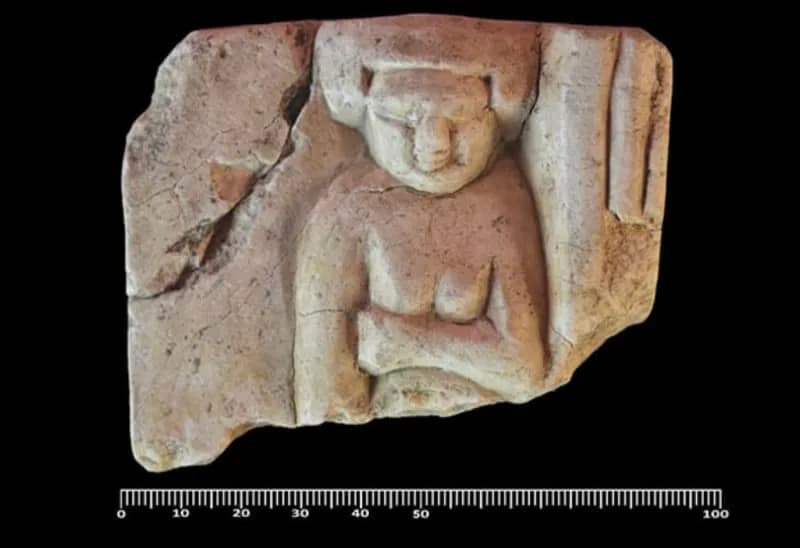
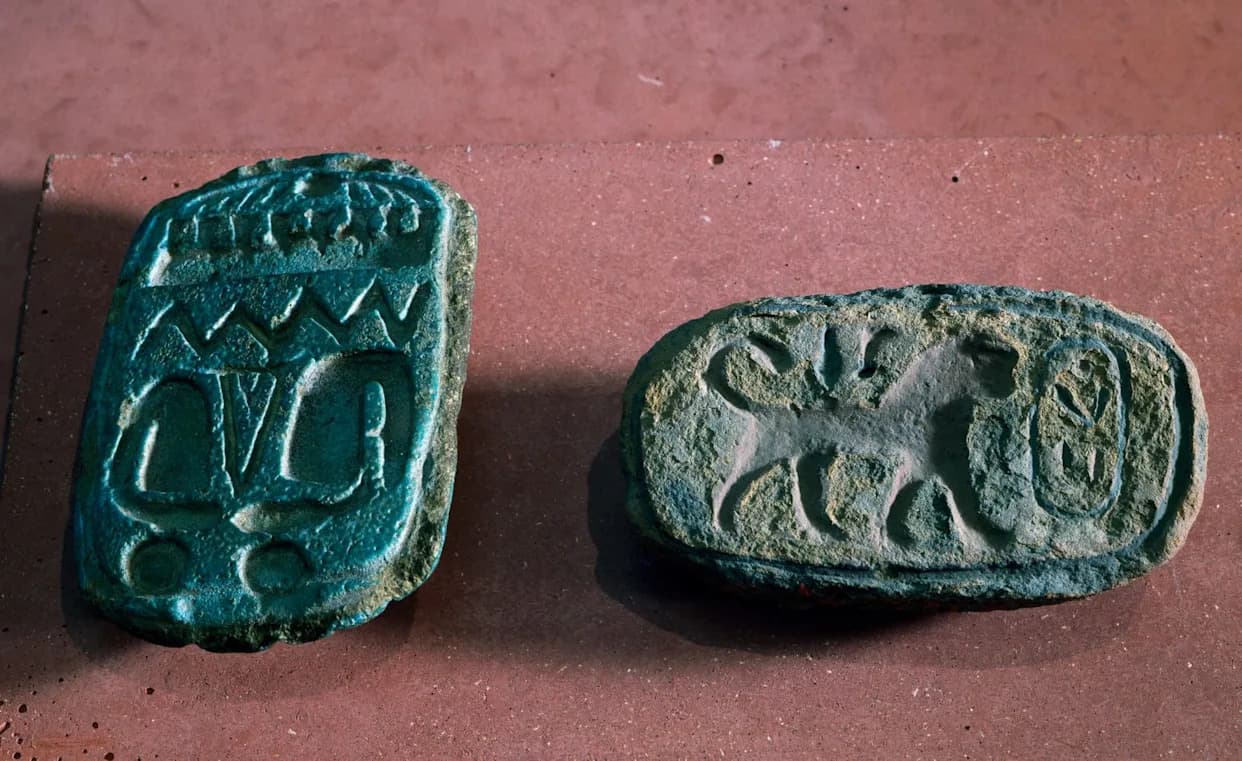
Archaeologists recovered a varied and impressive set of offerings: Corinthian alabaster, Attic vases, locally made ritual jugs, and numerous personal and precious items. Among the finds were gold and silver jewelry, coral and amber ornaments, eastern amulets, and a range of bronze and iron fittings — evidence of both local devotion and long-distance connections.
Architecture, Damage and Repair
The temple was built of rough bricks on a dry-stone foundation, an arrangement consistent with construction on swampy ground. Inside, pillars along the inner wall would have supported a tiled roof. Excavators found signs of a destructive fire that affected part of the building; subsequent brick partitions appear to have been erected to protect surviving areas, and a new temple section was likely added toward the end of the 6th century BC.
Deeper Chronology and Wider Landscape
Test trenches and deeper stratigraphy revealed even older occupation. Geometric-period bronze figurines depicting bulls and a ram were recovered, along with a clay bull head attributable to the Mycenaean period. Test cuts reached remains of buildings dating to the 9th century BC, and further work on the hill uncovered imposing Early Copper Age fortification walls that likely belonged to a prehistoric settlement.
“Although the investigation of the earliest of these levels has only just begun, the first discoveries suggest that the cult had its roots in the centuries after the end of the Mycenaean period,” the Hellenic Ministry of Culture said in a translated statement.
Taken together, the finds reveal a long-lived cult site that grew and evolved over many centuries, combining local ritual traditions with material connections across the Aegean and beyond. The mixture of everyday ceramics, monumental architecture and high-value personal offerings makes this a rare and informative discovery for understanding religious practice and social networks in early Greece.
Help us improve.