Flávio Bolsonaro led the first round of Brazil's presidential election with 47.24% to Lula's 44.91% (98.81% counted), forcing a run-off on 25 October. The result surprised many analysts and leaves Bolsonaro well positioned given the elimination of several right-wing rivals. Key campaign issues included crime, corruption — highlighted by the Daniel Vorcaro scandal — the economy and questions over foreign influence. The run-off will shape Brazil's domestic agenda and international alignment.
Bolsonaro Leads, But Brazil Heads to High-Stakes Run-Off With Lula on 25 October

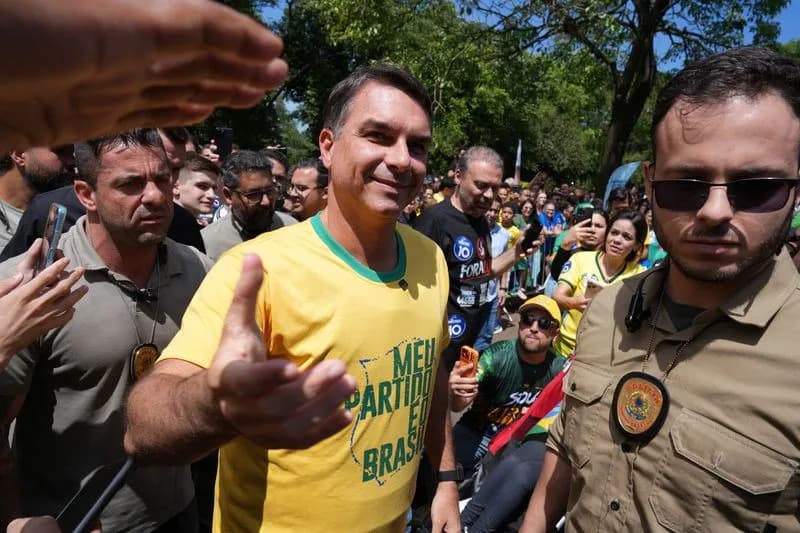
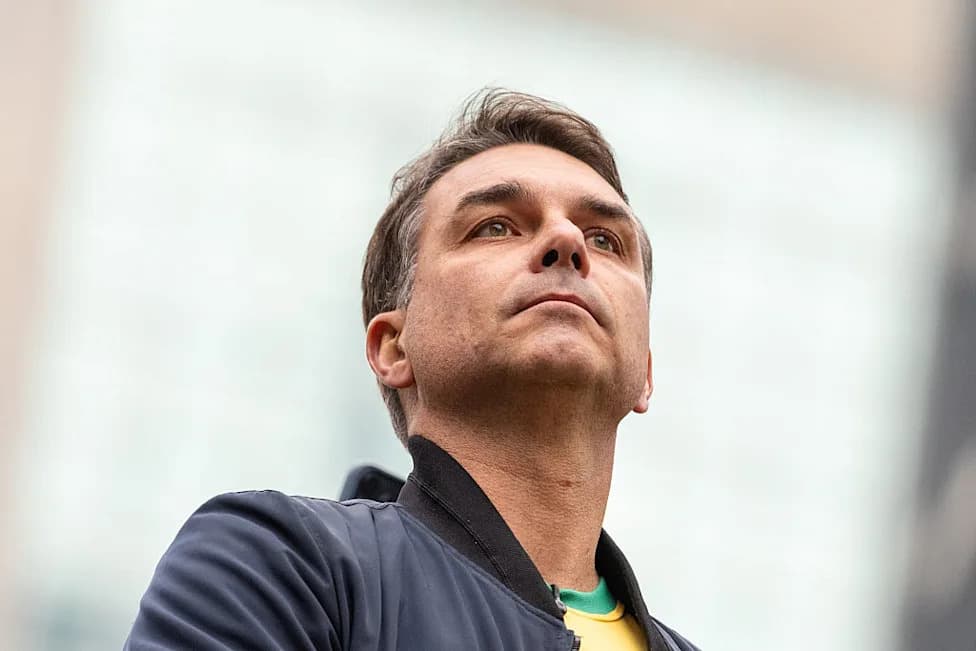
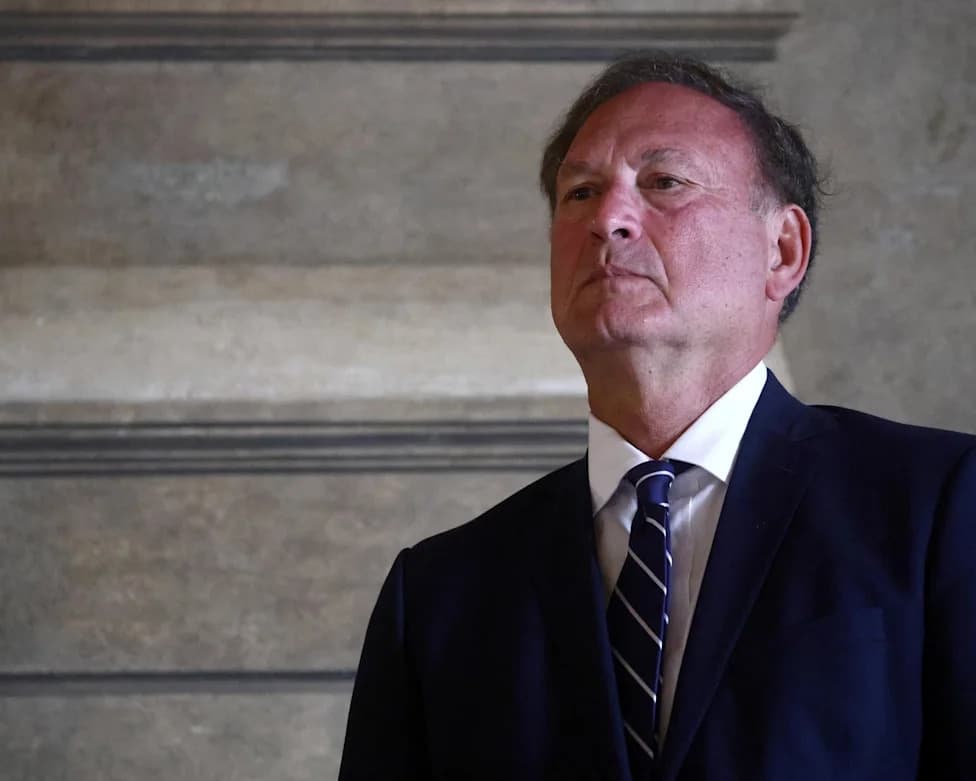
Flávio Bolsonaro casts his vote at a polling station in Rio de Janeiro [Reuters]
Flávio Bolsonaro won the first round of Brazil's presidential election but fell short of an outright majority, forcing a decisive run-off against incumbent Luiz Inácio Lula da Silva on 25 October.
Results and Context
With 98.81% of ballots tallied, Flávio Bolsonaro had 47.24% of the vote to Lula's 44.91%. The result exceeded many expectations for Bolsonaro and, because several eliminated contenders were also right-wing, it improves his pathway to victory in the second round.
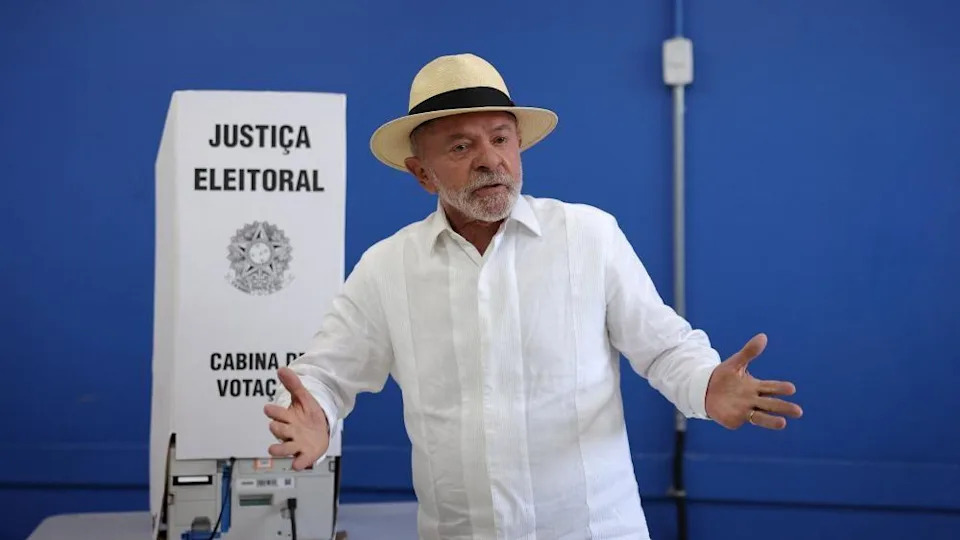
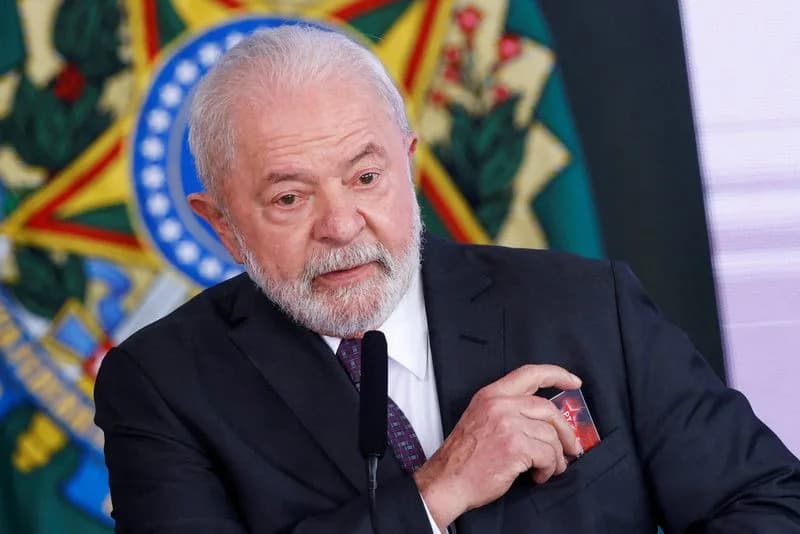
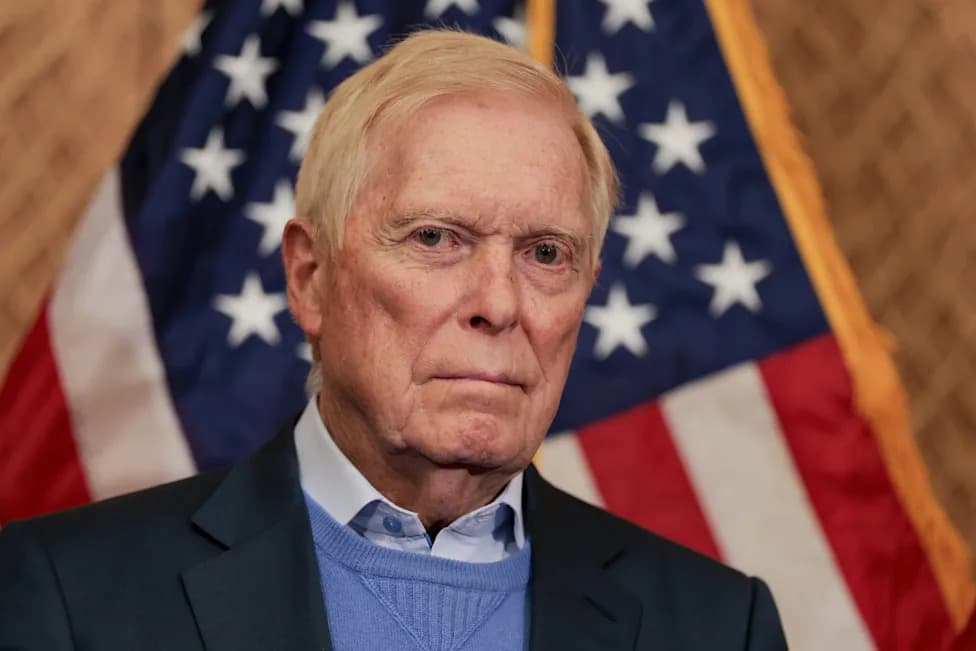
Luiz Inácio Lula da Silva votes in the general election in Sao Bernardo do Campo [Reuters]
Candidates And Political Backdrop
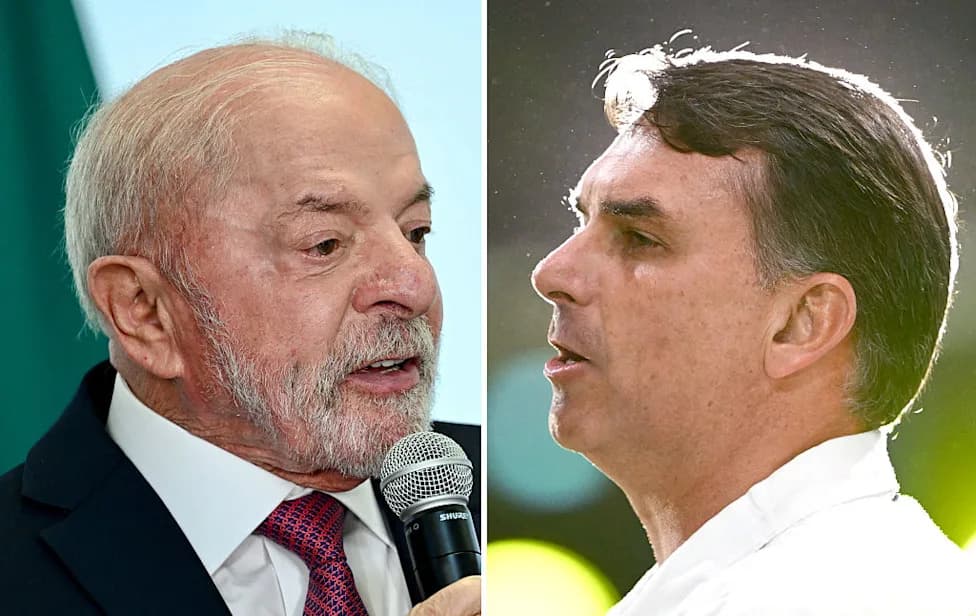
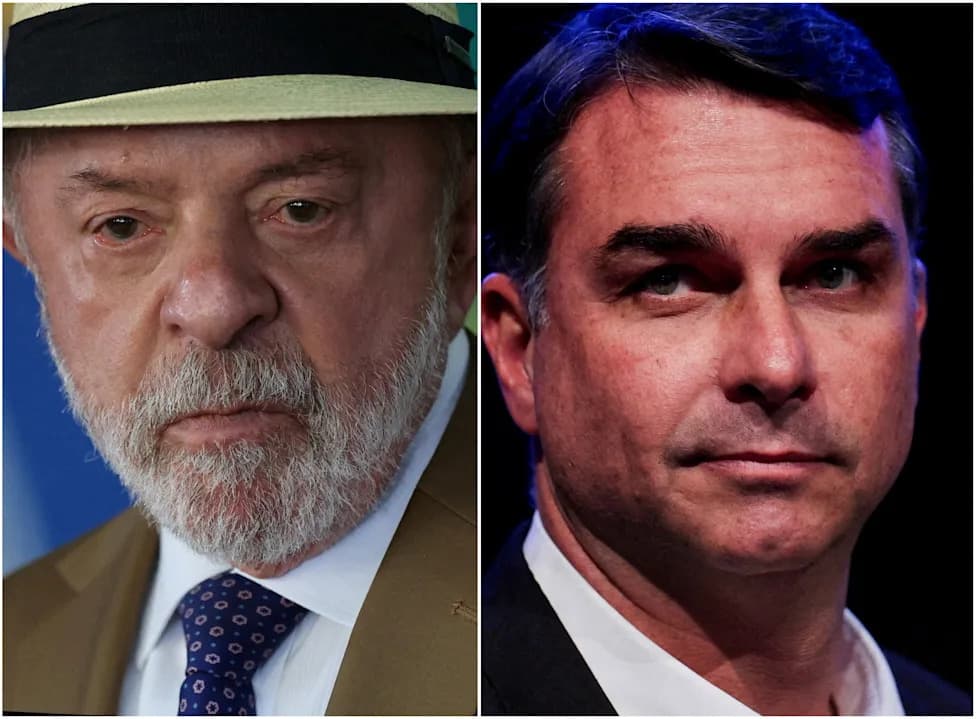
Flávio Bolsonaro, 45, is the eldest son of former president Jair Bolsonaro, who has been convicted and is serving a lengthy sentence related to efforts surrounding the unrest after the 2022 election. Jair Bolsonaro was barred from running this year and publicly backed his son. Michelle Bolsonaro, Jair's wife, won a Senate seat in the same election cycle.
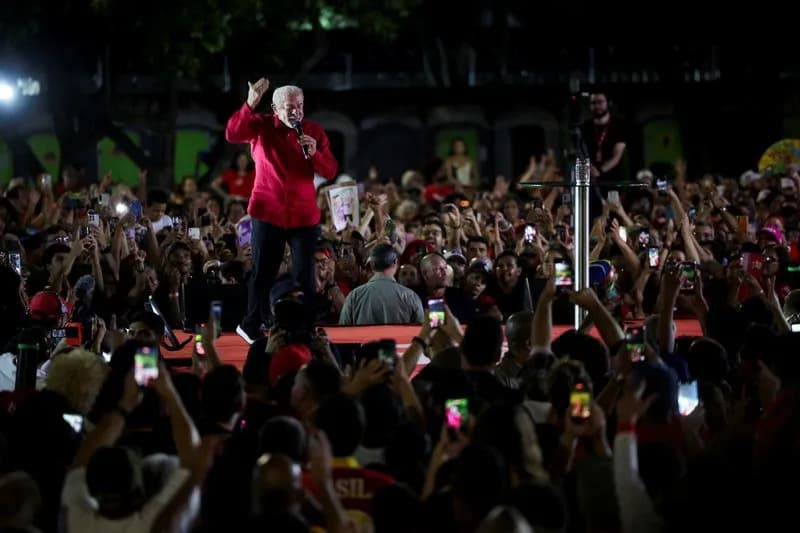
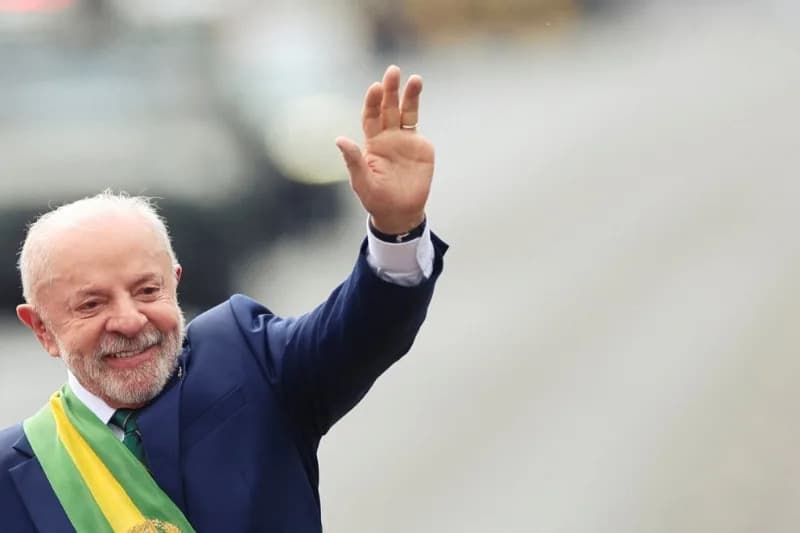
President Lula, 80, is seeking another term after earlier presidencies (2003–2010) and his victory in 2022. After voting, Lula framed the choice as a defence of democratic institutions, warning it was a choice between democracy and what he called 'barbarism.' Flávio Bolsonaro said he aimed to 'free the Brazilian people.' Both figures remain highly polarising and dominate political debate.
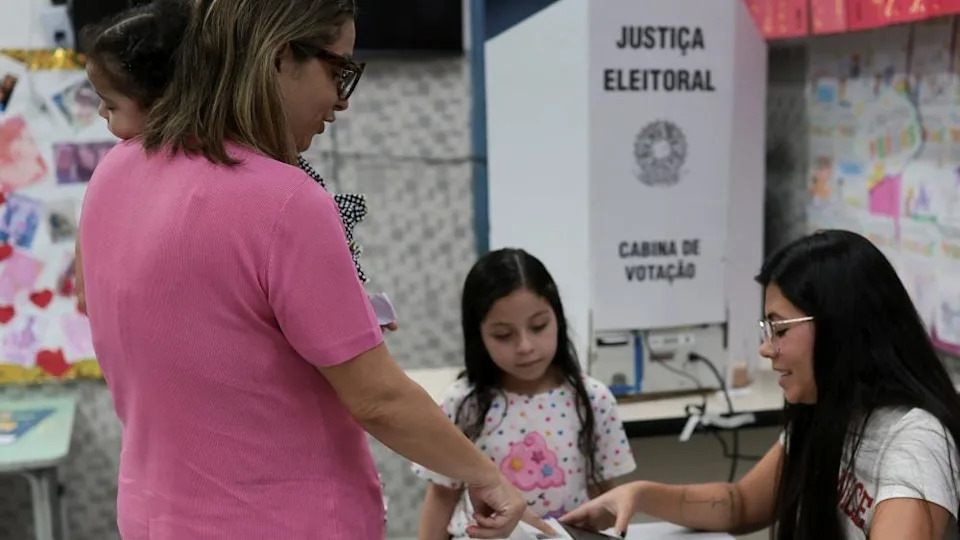
A woman votes at a polling station during Brazil's general election in Barra de Guaratiba, Rio de Janeiro [Reuters]
Key Campaign Issues
The campaign focused on public security, the economy, corruption and national sovereignty. Crime and visible street-level offences have weighed heavily on voters despite declines in some homicide metrics. Bolsonaro has promised tougher measures — including designating gangs as terrorist organisations and building maximum-security prisons — while Lula promotes crime-fighting reforms, social programmes and investments in law enforcement capacity.
Economic concerns include slowing growth and high household debt. Lula highlights social programmes such as Bolsa Família and state-led investment in strategic sectors, while Flávio Bolsonaro proposes a public debt ceiling, spending cuts and revisions to social welfare policy.
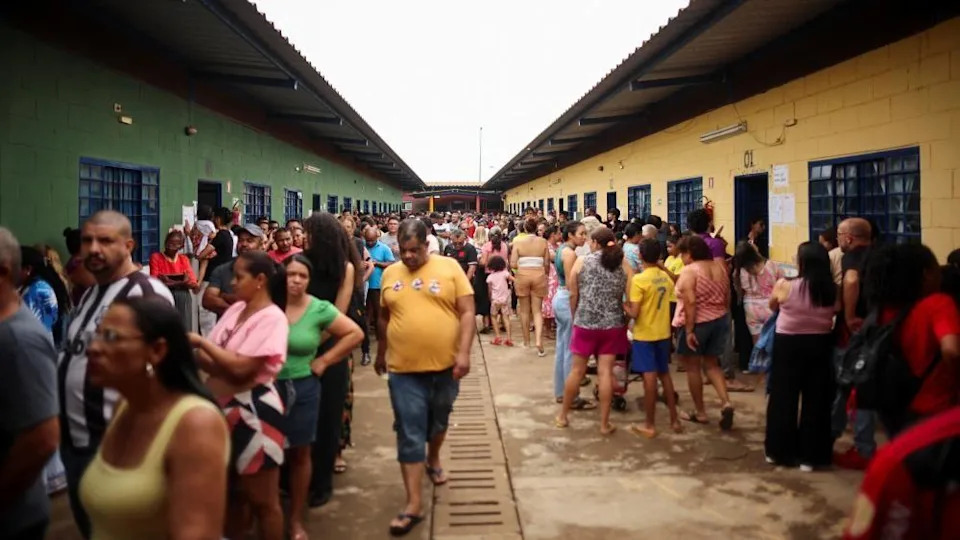
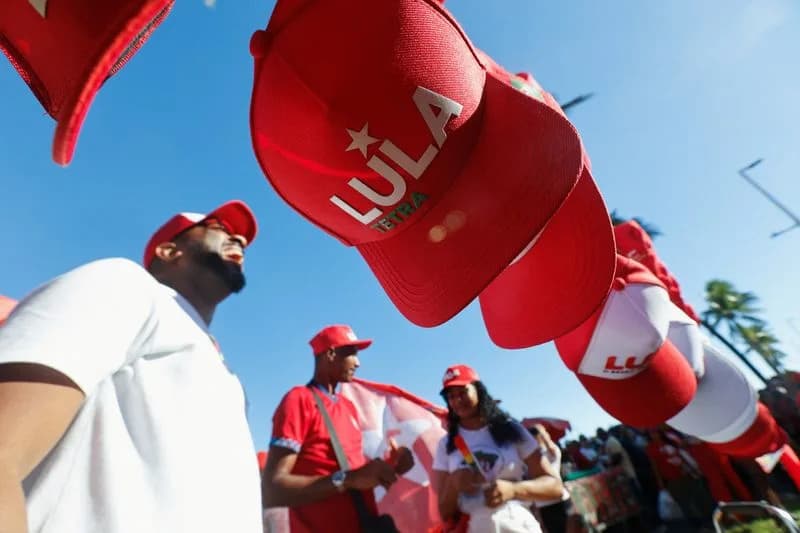
About 160 million people are eligible to vote in Brazil's general election today [Reuters]
Corruption Scandal
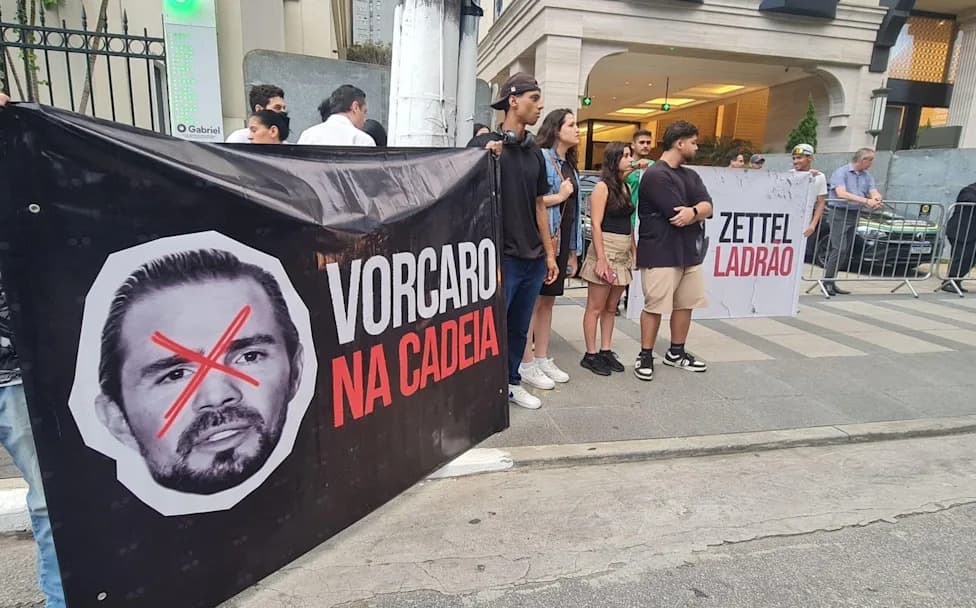
Corruption emerged as a central theme after banker Daniel Vorcaro was arrested in a major fraud probe. Recordings published during the campaign appear to show Flávio Bolsonaro requesting 134 million reais to finance a biopic about his father — a development that has further intensified scrutiny of campaign financing and political ties. Authorities also said Vorcaro contacted senior figures in an effort to influence legal outcomes; those officials have denied wrongdoing.
International Angle
The campaign included disputes over alleged foreign interference. Brazil's Supreme Electoral Court reported no evidence of international meddling, but President Lula repeatedly raised sovereignty concerns and at times criticised perceived U.S. influence. In turn, Flávio Bolsonaro successfully lobbied the U.S. to designate Brazil's two largest gangs as terrorist organisations earlier in the year. Tensions included Brazil denying visas to two U.S. State Department officials in July amid accusations the diplomats were attempting to sow doubts about Brazil's electoral system — charges Washington called baseless.
Analysts say a Bolsonaro victory would likely shift Brazil closer to the United States on security issues while still maintaining pragmatic economic ties with China, Brazil's largest trading partner.
What Comes Next
The run-off on 25 October will be closely watched at home and abroad: it will determine Brazil's policy direction on crime, the economy, regional diplomacy and judicial accountability. Approximately 160 million people were eligible to vote in the general election.
Quotations reported in the campaign: Lula said voters faced 'a choice between democracy and barbarism'; Flávio Bolsonaro declared he wanted to 'free the Brazilian people.'
Help us improve.