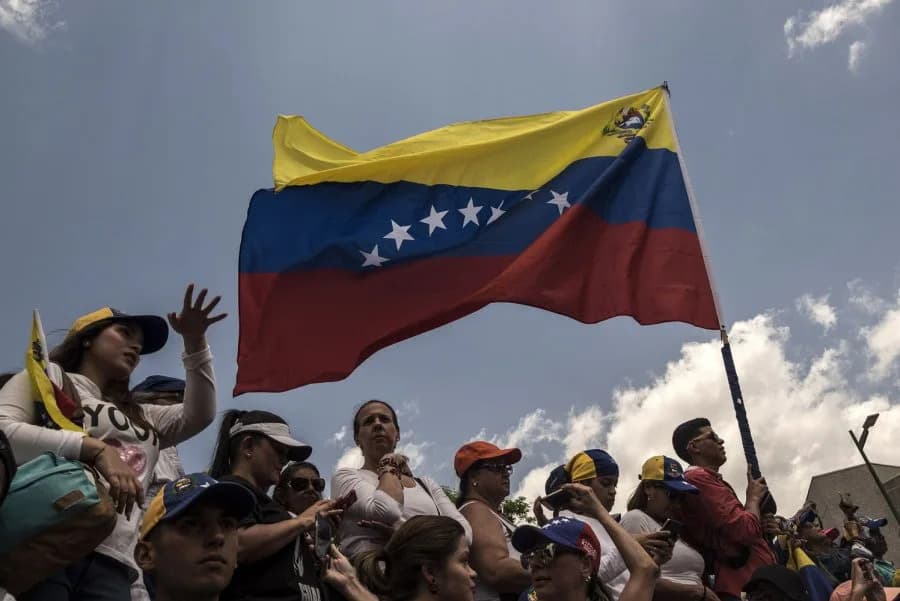
Brazil’s October 4 presidential vote has narrowed to a close contest between Luiz Inácio Lula da Silva and Flávio Bolsonaro. Lula leads most first‑round polls, but a runoff could tilt the balance. The campaign has broader stakes: defending democratic institutions, environmental policy and social programs versus a coalition of conservative, evangelical and agribusiness interests. Several smaller right‑leaning candidates could determine the outcome by consolidating votes in a second round.
Brazil’s Election Down to the Wire: Lula and Flávio Bolsonaro Head Toward a High‑Stakes Runoff
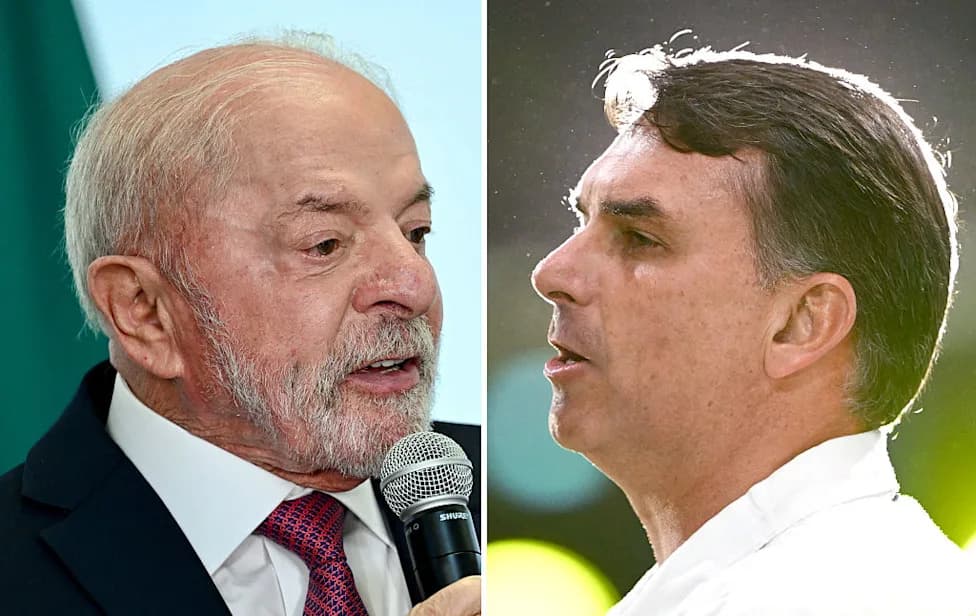
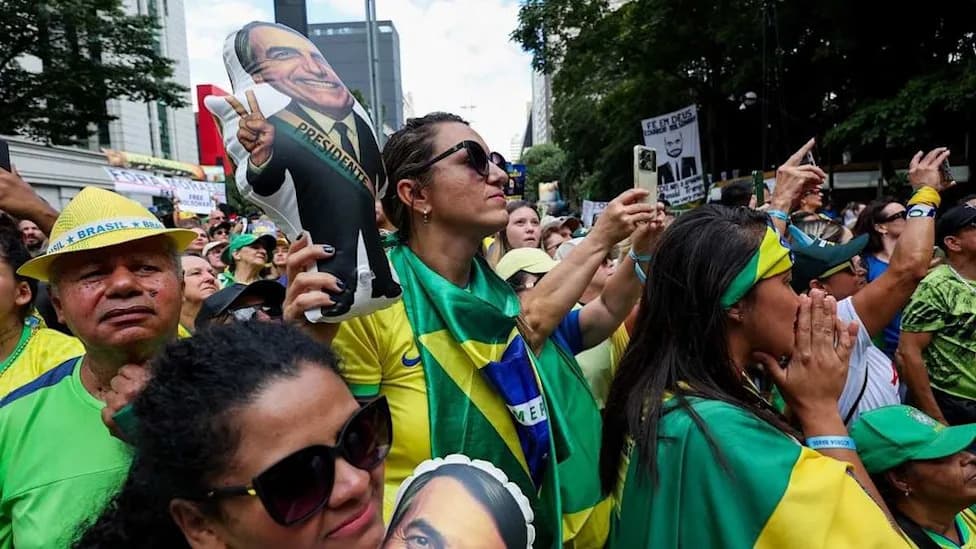
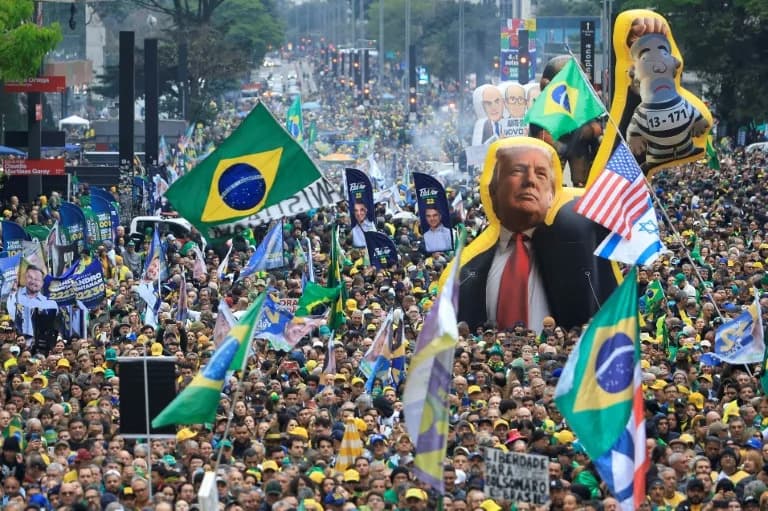
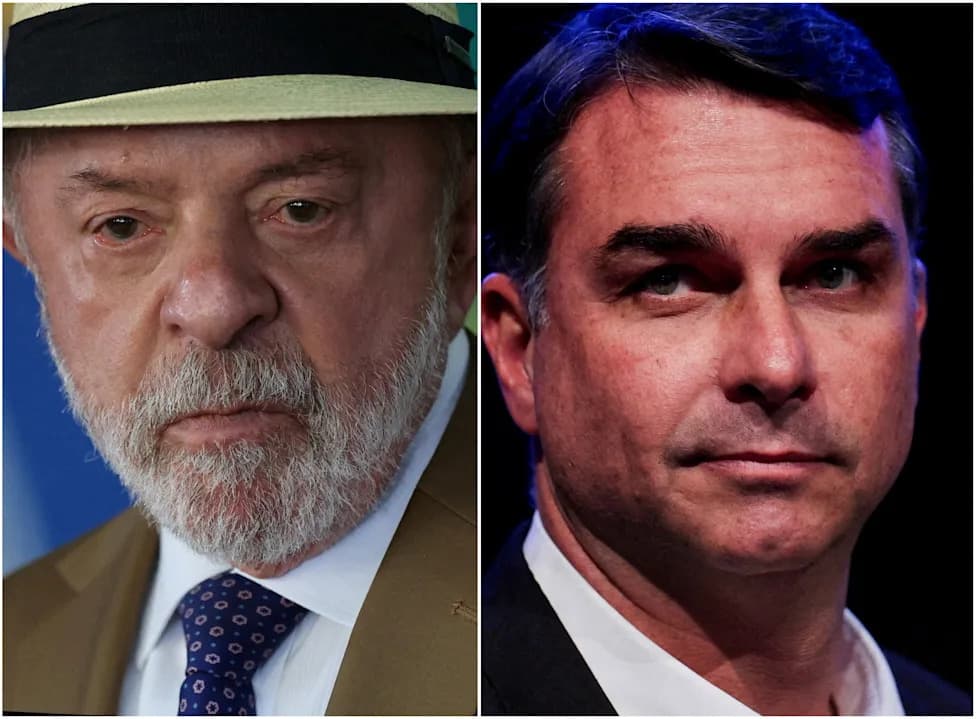
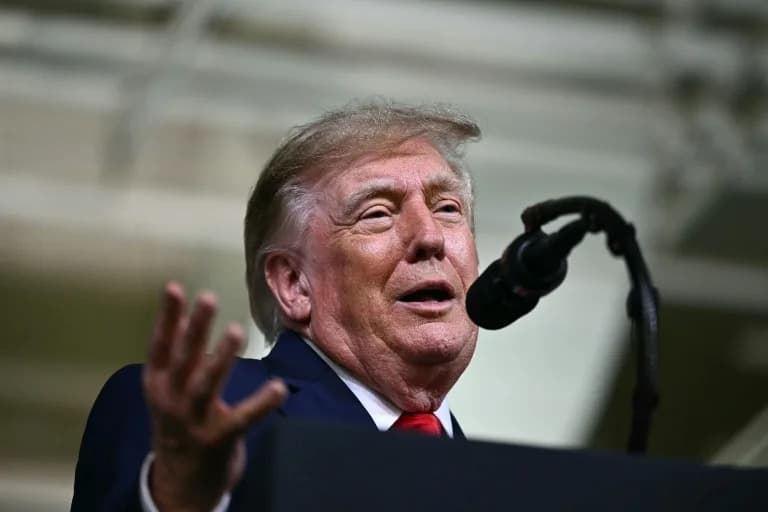
The scandal-plagued campaign of Flávio Bolsonaro, son of Brazil's disgraced former president, is still posing a strong challenge to Lula in the upcoming presidential vote. If the contest goes to a runoff, polls suggest it will be too close to call. (Mauro Pimentel and Evaristo Sa / AFP via Getty Images)
With the October 4 presidential vote imminent, President Luiz Inácio Lula da Silva and Flávio Bolsonaro — scion of the Bolsonaro political dynasty — are locked in a razor‑close contest. Lula leads in most first‑round polls, but a potential runoff between the two remains highly competitive and could decide Brazil's political direction for years to come.
Why This Election Matters
This race is framed as more than a competition between two personalities: it pits forces defending democratic institutions, pluralism and environmental protections against a reactionary bloc that seeks to reshape Brazil's politics and economy. Voters are weighing competing visions on governance, the environment, social programs and Brazil's role on the world stage.
Where Lula Stands
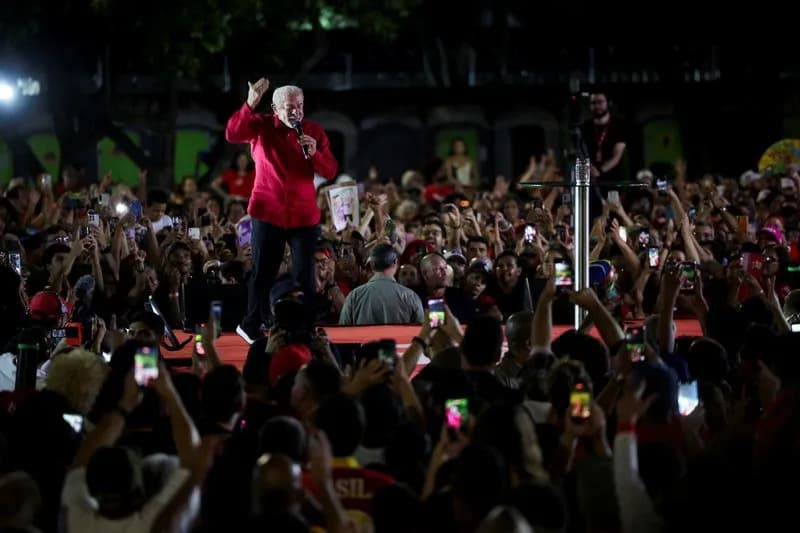
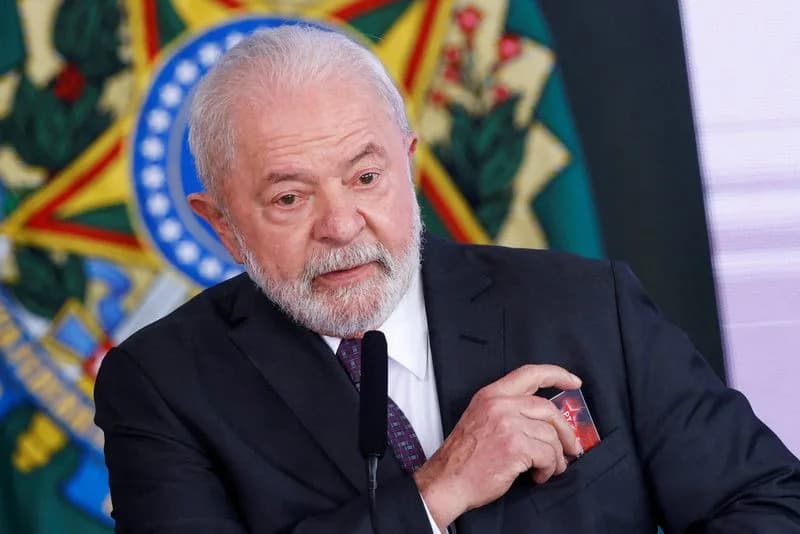
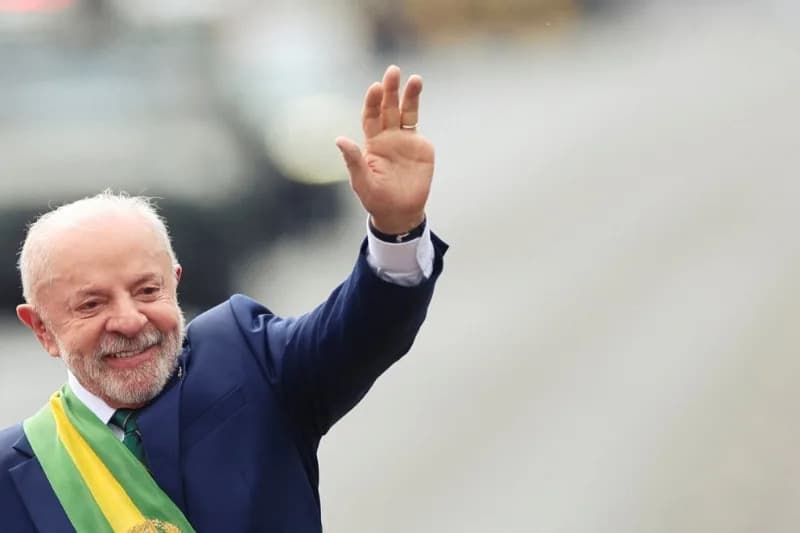
Luiz Inácio Lula da Silva, now eighty‑one, is campaigning for what would be his fourth nonconsecutive term. Brazil’s constitution permits former presidents to return to office if they are not serving consecutive terms. Lula’s two terms in the 2000s brought major social programs such as Bolsa Família, expanded public education and health services, and raised his global profile. He left the presidency in 2010 with high approval ratings.
After years of political turmoil and the Lava Jato ("Car Wash") investigations, Lula was convicted, prevented from running in 2018, and later had those convictions annulled by Brazil’s courts amid findings of procedural problems and questions about prosecutorial bias. He returned to power in 2022 amid a polarized climate and opposition to Jair Bolsonaro’s presidency.
Flávio Bolsonaro And The Right
Flávio Bolsonaro presents a more polished public style but draws on the same Bolsonarist base as his father. He has consolidated support from evangelical voters, parts of Brazil’s business community, and conservative networks. His campaign weathered several scandals — including allegations tied to campaign finances and media projects — but he recovered in the polls in September.
Bolsonarist forces have also benefited politically from controversies involving prominent institutions and jurists; opponents have at times seized on these controversies to energize their base.
The Wider Field: Right‑Wing Alternatives
Several right‑leaning and centrist figures are splitting the anti‑Lula vote and could be critical in a runoff. Key contenders and influencers include:
- Romeu Zema (NOVO): A libertarian, market‑oriented governor who champions privatization and smaller government. Critics warn his approach risks deep cuts to public services.
- Ronaldo Caiado (Centrão): A traditional power‑broker tied to the Centrão and the agribusiness lobby, which opposes Lula’s environmental policies and favors expansive agricultural development.
- Renan Santos (Free Brazil Movement): Leader of a reactionary, online‑savvy movement that channels young, anti‑establishment voters and emphasizes broad free‑speech rhetoric and anti‑left sentiment.
- Augusto Cury: A best‑selling self‑help author who briefly surged as a centrist alternative but has unclear policy positions and has since declined in the polls.
Coalitions, Youth Voters And The Media
Opposition to the far right is a galvanizing message for many voters — especially older Brazilians — but it has uneven appeal among younger voters who are less motivated by nostalgia and more influenced by social media, economic concerns and culture‑war messaging. Lula’s administration has struggled to dominate the social media conversation, which benefits nimble, media‑savvy challengers.
Runoff Dynamics
If no candidate secures a first‑round majority, right‑leaning contenders are likely to coalesce behind the Bolsonaro ticket in a second round more often than behind Lula. Agribusiness, evangelical networks and segments of the financial sector could play decisive roles in a runoff, making coalition building essential.
Bottom line: The election is a referendum on Brazil’s political future — whether it continues the social and diplomatic course associated with Lula’s earlier administrations or shifts toward a more conservative, business‑friendly and populist model represented by Bolsonarist forces.
President Lula remains a dominant figure in Brazilian politics but has not clearly transitioned power to a younger successor. The outcome on October 4 — and a possible runoff — will show whether his continued leadership is a continuation of his long political career or a gamble that risks a different direction for Brazil.
Help us improve.