Brazil’s presidential race is a national and regional inflection point. Polls show Lula and Flávio Bolsonaro neck and neck as Brazil heads to the first round, while ABIN reports point to a mix of overt and covert U.S. interference that could sway narrow margins. Lula’s government has delivered wage gains and lower unemployment but faces a conservative Congress and social strains; Flávio’s candidacy consolidates Bolsonarismo and raises concerns about organized‑crime links and influence networks. The election’s outcome could reshape Latin America’s political balance.
US Influence and Brazil’s Tight Election: Why the Outcome Matters for All of Latin America
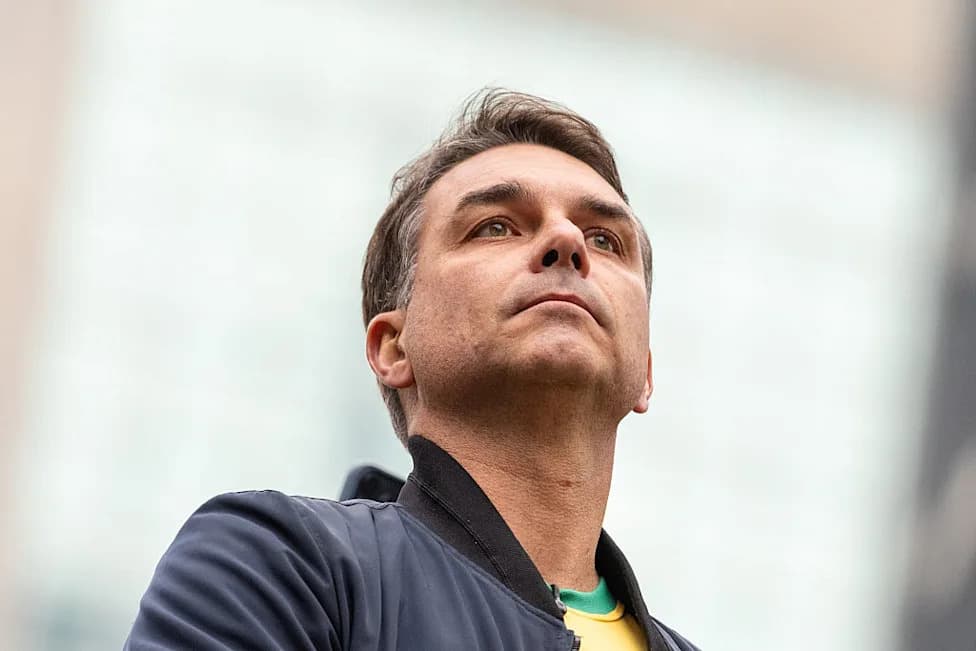
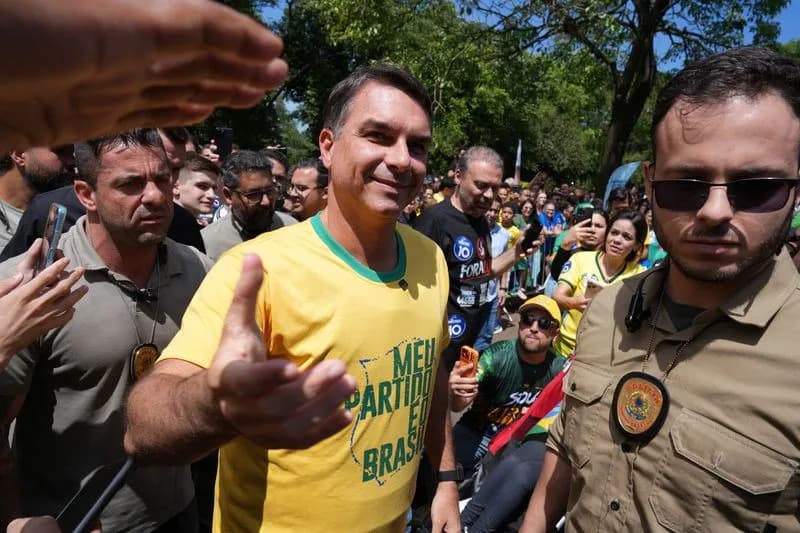
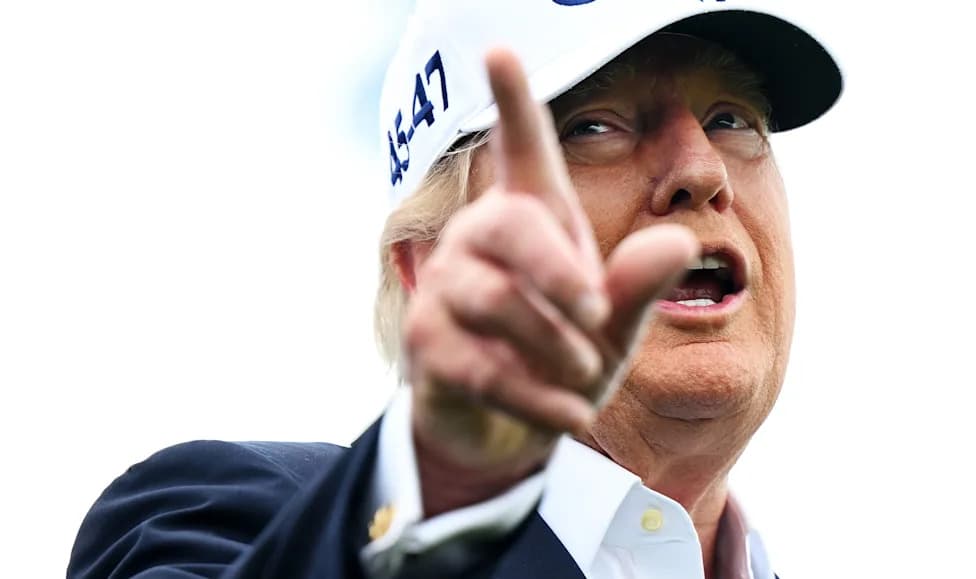
Flávio Bolsonaro defends the gambling lobby, banking fraudsters, imperial Miami, organized crime, and social-security scammers. He is also running a moral values campaign that could make him Brazil's next president. (Maira Erlich / Bloomberg via Getty Images)
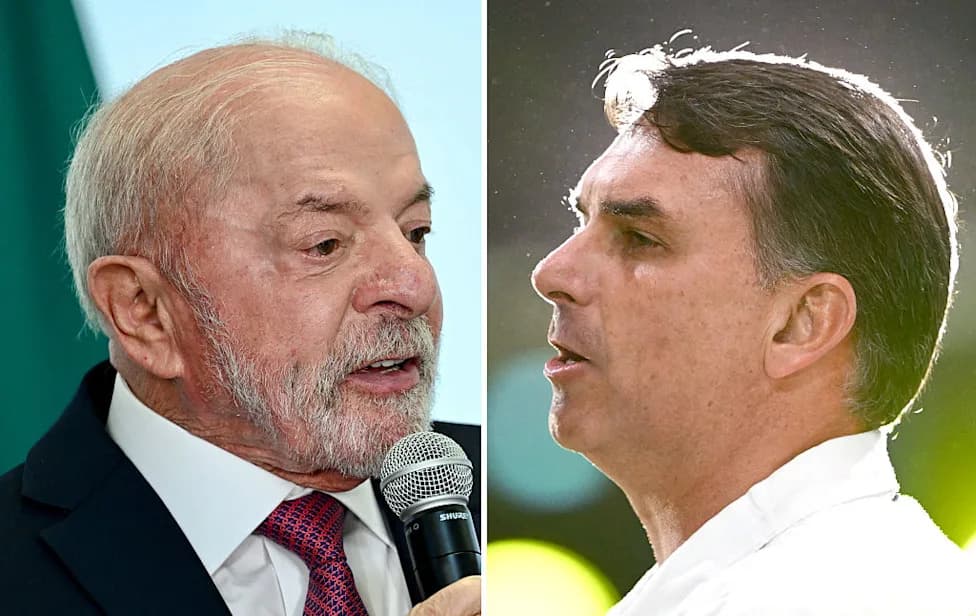
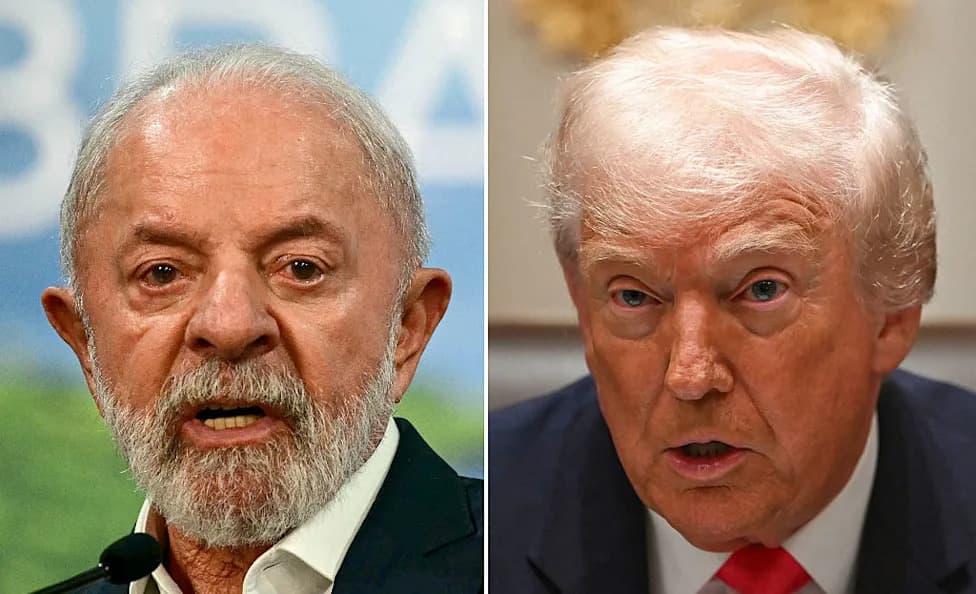
With Brazil heading into the first round of a razor‑close presidential election, the stakes extend well beyond Brasília. Polls show leftist incumbent Luiz Inácio Lula da Silva essentially tied with ultraconservative Flávio Bolsonaro, the eldest son of the former president who is now in custody. The result could help determine whether Latin America continues its recent turn to the right or resists it.
Context and Political Landscape
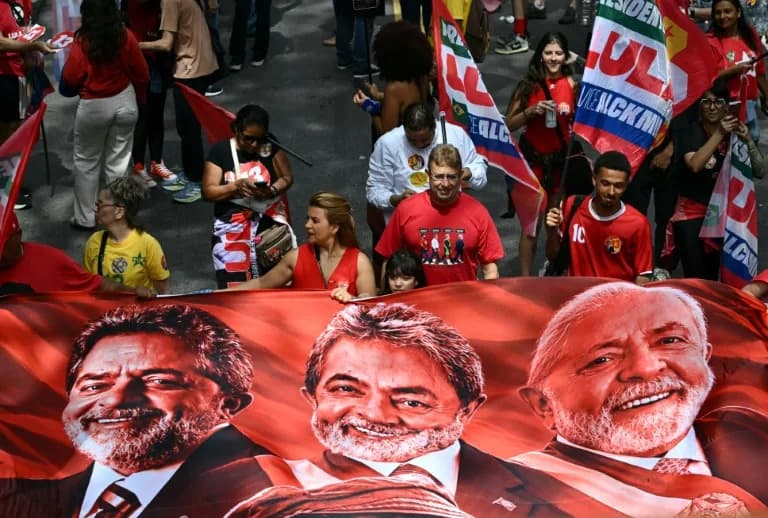
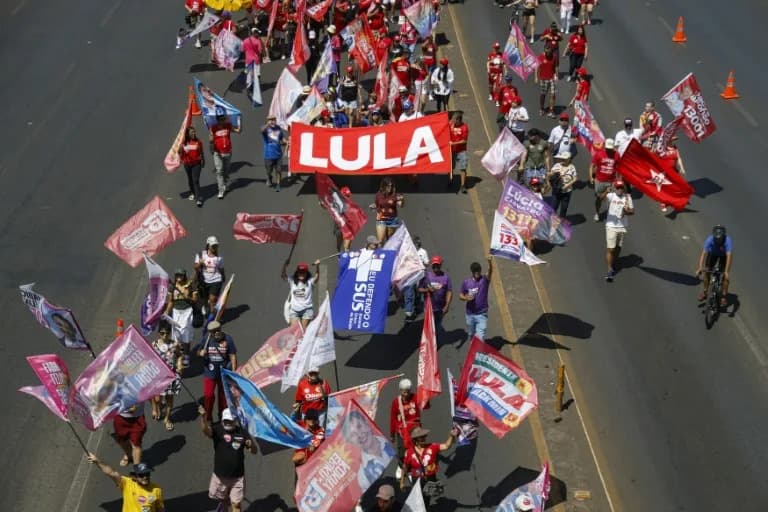
Jair Bolsonaro lost in 2022 and later faced criminal convictions related to an attempted coup; he is currently under house arrest. Despite his fall from power, Bolsonarismo remains a potent political force, and many of the remaining challengers offer variants of his platform. Lula’s third term has produced measurable gains for working‑class Brazilians — above‑inflation minimum wage increases, steady economic growth, expanded social protections and historically low unemployment — but his agenda has been constrained by Brazil’s most conservative Congress in recent memory. Observers often summarize the main opposing lobbies as the Bible (evangelicals), Beef (agribusiness) and Bullet (military and police).
The Candidates and the Campaign
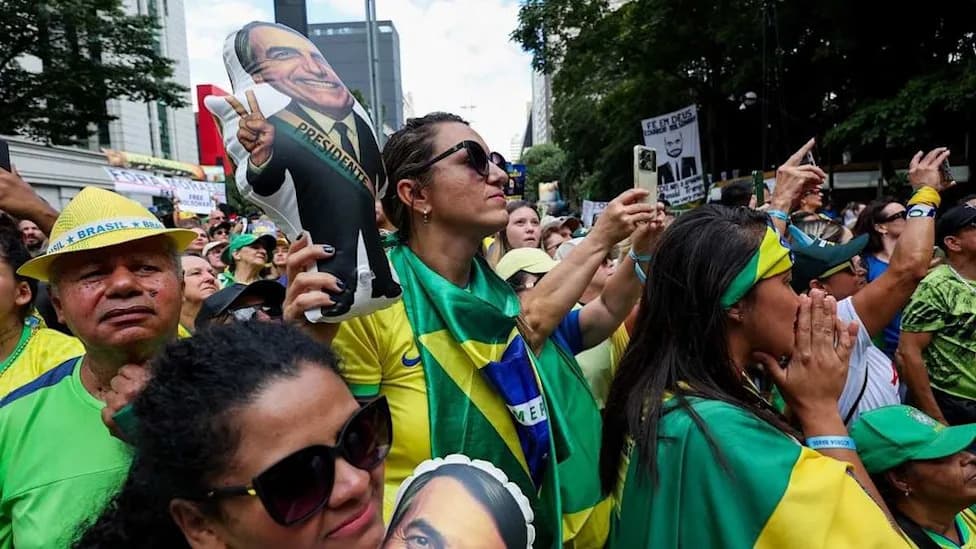
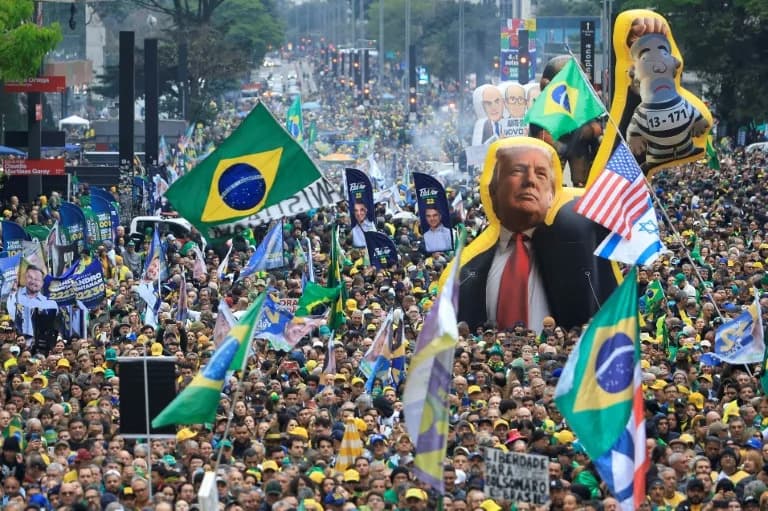
Flávio Bolsonaro has positioned himself as a more conventional figure within the Bolsonaro clan, but his candidacy has consolidated Bolsonarismo rather than diluted it. Major rivals have withdrawn, and family dynamics — including tensions with Michelle Bolsonaro — have shaped the contest. Many voters display what commentators call “apathetic polarization,” where dislike of the alternatives drives choices more than programmatic enthusiasm.
Domestic Pressures and Social Concerns
Although many Brazilians are statistically better off than four years ago, living costs and household indebtedness have risen: about four‑fifths of families report debt. Employment is increasingly precarious, and public safety remains a daily concern — violent crime has declined overall, but phone thefts and online scams are widespread. The proliferation of unregulated online gambling since legalization under Bolsonaro has created new social strains; Lula’s campaign moved to ban many of those apps in a bid to appeal to vulnerable voters.
Allegations, Scandals and Institutional Strain
The campaign has been marred by major scandals. Allegations of a massive fraud at Banco Master — an alleged $10 billion pyramid scheme — and reported attempts to buy influence among elites have fed public cynicism. The role of Brazil’s Supreme Court, especially Justice Alexandre de Moraes, in prosecuting Bolsonaro‑era abuses has also become politicized; some critics portray the court as partial, even as it previously blocked Lula’s 2018 candidacy.
U.S. Involvement: Overt and Covert
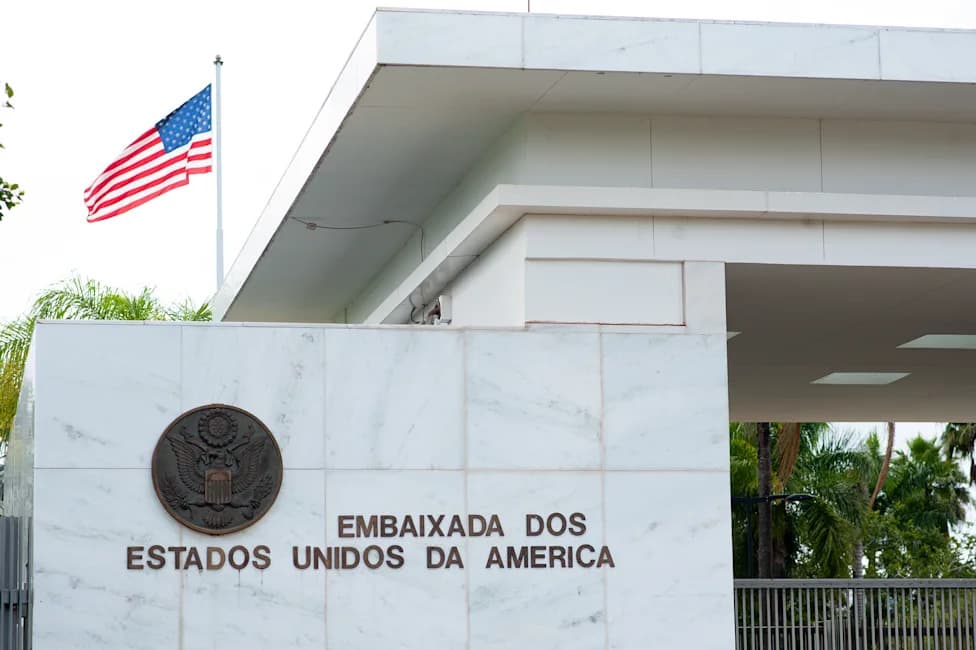
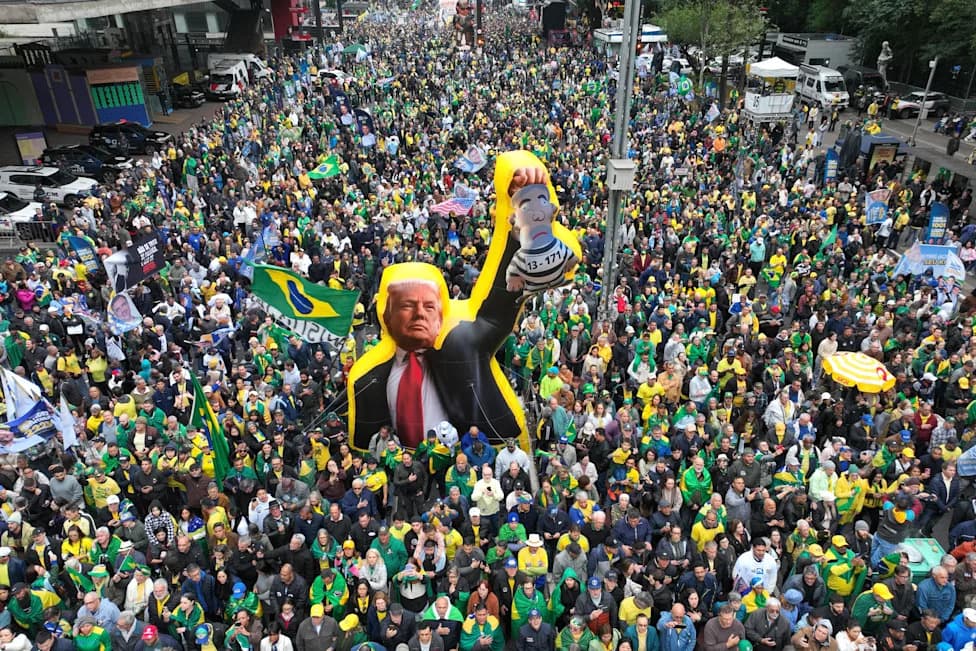
Brazil’s national intelligence agency (ABIN) has reported what it describes as brazen U.S. meddling in the campaign, ranging from legal pressure to open interference. High‑profile actions cited by analysts include public endorsements and threats from U.S. political figures, the suspension of some consular services in Brazil on the eve of the vote, and diplomatic pressure from U.S. offices and allies.
More alarmingly for some officials is the U.S. designation of Brazil’s two largest criminal groups — Rio’s Comando Vermelho (CV) and São Paulo’s Primeiro Comando da Capital (PCC) — as narcoterrorists. Critics warn that this label could be used to justify unilateral action on Brazilian soil. The newly launched “Shield of the Americas” initiative has echoed these classifications.
Covert activity is reportedly on the rise as well. Brazilian cyber officials told Reuters that cyberattacks and phishing attempts linked to election activity have doubled compared with 2025, and reporting has surfaced about influence operations bankrolled by U.S. political networks aimed at shaping Brazilian public opinion and judicial discourse.
Fixers, Funding and Regional Implications
Journalists and investigators have documented ties between political fixers, private financiers and transnational political networks. Cases highlighted in the campaign include allegations about a fixer who moves between Mar‑a‑Lago and Latin American capitals and controversial investments by actors connected to U.S. political families. Whether these ties materially alter outcomes, they increase volatility in a race decided by small margins.
Why This Matters
The margins in several recent Latin American contests have been extremely narrow; even small interventions can be decisive. If Brazil — Latin America’s largest economy and most populous democracy — tilts in a way that consolidates right‑wing, pro‑U.S. authoritarian influence, the implications for regional policy on trade, minerals and security would be profound. Conversely, a Lula victory would preserve one of the region’s remaining left‑of‑center governments and limit the influence of external actors seeking to shape outcomes in Latin America.
Outlook
The election remains a toss‑up. Voters, institutions and foreign actors will determine whether Brazil reaffirms its democratic trajectory or moves toward a politics shaped by external interference and intensified polarization. Whatever the outcome, the campaign underscores the fragility of democratic norms when domestic grievances converge with transnational influence and new technological vectors of political persuasion.
Help us improve.